
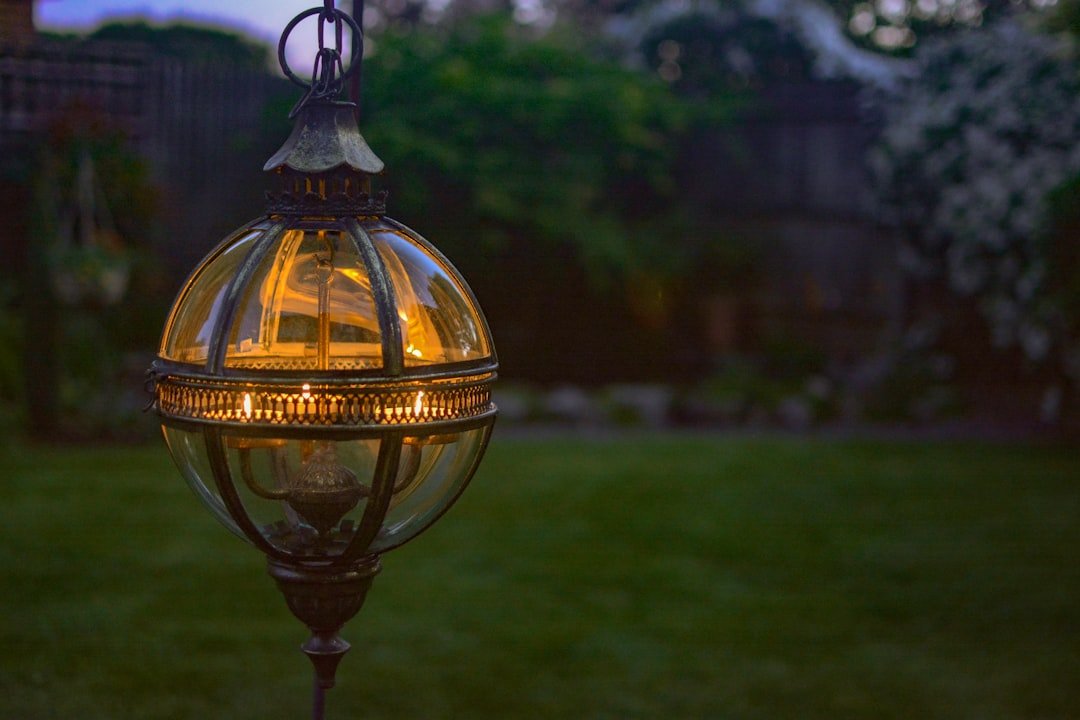
Lighting a large yard can feel overwhelming. You want it bright enough to enjoy your space at night, but not so bright that it wastes energy or looks harsh.
How do you find the perfect balance? You’ll discover simple, smart ways to light your yard efficiently. By the end, you’ll have easy tips that save you money, enhance your outdoor space, and keep your home safe. Ready to transform your yard without breaking the bank?
Let’s dive in.
Choosing The Right Lighting
Choosing the right lighting for a large yard sets the foundation for effective illumination. The right lights highlight key areas, improve safety, and create a welcoming atmosphere. It is important to consider the style and purpose of each light to suit your outdoor space.
Focus on selecting lights that fit your yard’s layout and your budget. Consider how each type of light performs at night and during different weather conditions. This approach ensures a balanced, functional, and attractive lighting design.
Types Of Outdoor Lights
- Path lights guide walkways and add subtle brightness.
- Spotlights highlight trees, sculptures, or architectural features.
- Floodlights provide broad and strong illumination for security.
- String lights create a cozy and festive atmosphere.
- Deck and step lights improve visibility and safety on stairs.
Energy-efficient Options
- LED bulbs use less energy and last longer than traditional bulbs.
- Solar lights charge during the day and save electricity.
- Motion sensor lights activate only when movement is detected.
- Timers control when lights turn on and off automatically.
Weather-resistant Fixtures
- Choose fixtures with waterproof and rustproof materials.
- Look for lights rated for outdoor use and harsh climates.
- Sealed designs prevent water and dust from damaging bulbs.
- Durable fixtures require less maintenance and last longer outdoors.
Planning Your Lighting Layout
Planning your lighting layout is the foundation for efficiently illuminating a large yard. It helps you avoid wasted energy, ensures safety, and highlights your yard’s best features. Thoughtful planning lets you create a space that feels inviting and functional at night.
Identifying Key Areas
Start by walking through your yard at night and noting where you need light the most. Focus on paths, entrances, patios, and any spots where you spend time after dark. Don’t forget to consider the garden beds or water features that could use accent lighting.
Ask yourself: Which areas do you use most in the evening? Which spots feel unsafe or too dark? Pinpointing these zones helps you prioritize your lighting needs and avoid over-lighting less important spaces.
Balancing Brightness And Shadows
Bright light can make an area usable, but too much can create glare and uncomfortable spaces. Shadows add depth and mood, but too many can cause safety issues. Balance is key.
Try mixing different types of lights—like soft pathway lights combined with brighter security lights near doors. Adjust angles to reduce harsh shadows and highlight textures, such as tree bark or stone walls. Think of light as a tool to sculpt your yard’s nighttime look, not just to illuminate it.
Creating Zones For Functionality
Divide your yard into zones based on how you use them—dining, relaxing, playing, or gardening. Each zone will need a different lighting approach to match its purpose.
- Dining areas benefit from warm, overhead lighting that creates a cozy atmosphere.
- Pathways need low, continuous lighting to guide safely without overwhelming brightness.
- Play areas require brighter, even lighting for visibility and safety.
By assigning zones, you control where and how much light goes, saving energy and enhancing usability. What zones exist in your yard, and how can lighting improve each one?
Installation Tips
Installing lighting for a large yard needs careful planning and safety. Proper setup improves light coverage and saves energy. Follow these tips to install your yard lights correctly and efficiently.
Wiring And Power Sources
Choose wiring that suits outdoor use. Use weatherproof cables to prevent damage. Run wires underground to protect them from weather and animals. Connect lights to a dedicated power source. Avoid overloading circuits for safety. Consider using low-voltage systems to save energy and reduce risk.
Mounting Fixtures Safely
Install fixtures on stable surfaces like posts or walls. Use brackets or mounts designed for outdoor lights. Keep fixtures away from plants that may grow and block light. Position lights to avoid glare into neighbors’ homes. Secure all fixtures firmly to resist wind and weather.
Using Timers And Sensors
Use timers to turn lights on and off automatically. Set timers to match your yard’s busiest hours. Motion sensors save energy by lighting only when needed. Combine sensors with timers for better control. Place sensors where they detect movement clearly but avoid false triggers.
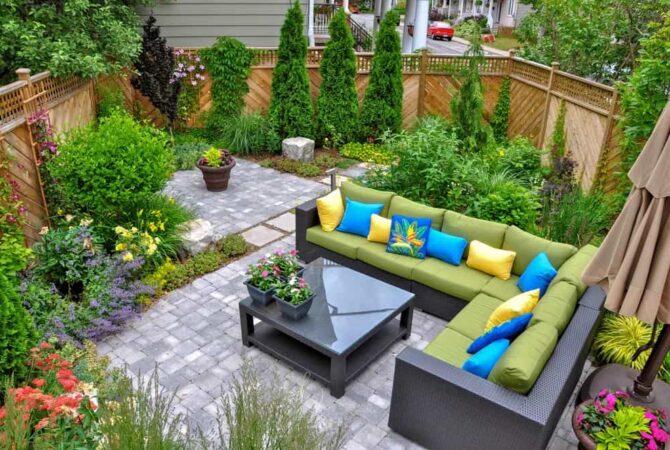
Credit: www.extraspace.com
Enhancing Ambiance
Creating the right ambiance in a large yard transforms it from just an outdoor space into a welcoming retreat. Thoughtful lighting not only ensures safety but also sets a mood that invites relaxation and enjoyment. You can turn your yard into an evening haven by focusing on how light interacts with the environment.
Layering Light Effects
Layering different types of lighting adds depth and interest to your yard. Combine ambient, task, and accent lights to create a balanced glow without harsh shadows. For instance, string lights overhead provide a soft general light, while spotlights on seating areas make them cozy and functional.
Have you noticed how a single light source can feel flat and uninviting? Adding layers changes that dynamic and makes the space feel alive. Try mixing warm and cool tones to highlight different areas and create a natural flow from one section to another.
Highlighting Landscape Features
Draw attention to trees, sculptures, or water features by placing lights strategically around them. Use uplights at the base of a tree to emphasize its height and texture. This approach not only beautifies your yard but also adds a sense of scale and drama.
Think about the elements you want guests to notice first when they walk into your yard. Highlighting these features guides their eyes and enhances the overall experience. It’s a simple way to make your yard feel curated and special.
Incorporating Path And Step Lights
Path and step lights improve safety while defining walkways and transitions in your yard. Low-level lights along pathways help prevent trips and falls without overpowering the scene. LED options are energy-efficient and come in various styles to match your yard’s design.
Have you ever walked through a dark yard and felt unsure where to step? Adding these lights gives you confidence and invites guests to explore. Plus, they subtly extend your usable outdoor time after sunset.
Maintenance And Troubleshooting
Keeping your large yard lighting in top shape requires regular care and quick fixes. Neglecting maintenance can cause dim lights or complete outages, ruining your outdoor ambiance. Let’s break down how to keep your system running smoothly and troubleshoot common problems effectively.
Regular Cleaning And Inspection
Dirt, dust, and debris can block your lights and reduce brightness. Clean lenses and fixtures at least once a month using a soft cloth and mild detergent. This simple step improves light output and extends bulb life.
Inspect wiring and connections regularly to spot wear or corrosion. Loose wires can cause flickering or outages, so tighten any that seem loose. Checking your lighting system often prevents small issues from turning into costly repairs.
Replacing Bulbs And Parts
Even the best bulbs burn out eventually. Keep spare bulbs and compatible parts on hand to replace them quickly. Choose energy-efficient LED bulbs—they last longer and save power.
When swapping parts, always turn off the power to avoid shocks. Note the exact model of your fixtures and bulbs before purchasing replacements to ensure compatibility. This helps you avoid frustrating returns or mismatched components.
Addressing Common Issues
Are some lights flickering or not turning on? Start by checking the power source and switches. Sometimes a tripped breaker or faulty timer causes unexpected outages.
If lights are dim, check for dirty lenses or aging bulbs. Moisture inside fixtures can also cause electrical shorts—seal any cracks or replace damaged housings promptly. Remember, troubleshooting is about isolating the problem step-by-step rather than guessing blindly.

Credit: www.youtube.com

Credit: www.lightmyhouse.net
Frequently Asked Questions
What Are The Best Lights For Large Yard Lighting?
LED floodlights and solar-powered lights are ideal. They provide bright, energy-efficient illumination and are easy to install. LED lights last long and save electricity, while solar lights reduce wiring needs and operate sustainably.
How Can I Reduce Energy Costs For Yard Lighting?
Use LED bulbs and solar lights to cut energy use. Install timers or motion sensors to control lighting only when needed. This approach maximizes efficiency and minimizes unnecessary electricity consumption.
Where Should I Place Lights In A Large Yard?
Position lights along pathways, near trees, and around seating areas. Focus on entry points and dark corners for safety and aesthetics. Proper placement enhances visibility and highlights yard features effectively.
How Do Motion Sensors Improve Yard Lighting Efficiency?
Motion sensors activate lights only when movement is detected. This saves energy by preventing lights from staying on continuously. They also add security by alerting you to nearby activity.
Conclusion
Lighting a large yard does not need to be hard or costly. Use energy-saving bulbs and position lights where they help most. Think about safety, beauty, and saving power. Solar lights and timers can make things easier. Plan your lighting in zones for better control.
Bright spaces invite fun and keep your yard safe. With simple steps, your yard shines bright all night. Enjoy your well-lit outdoor space every evening.

