
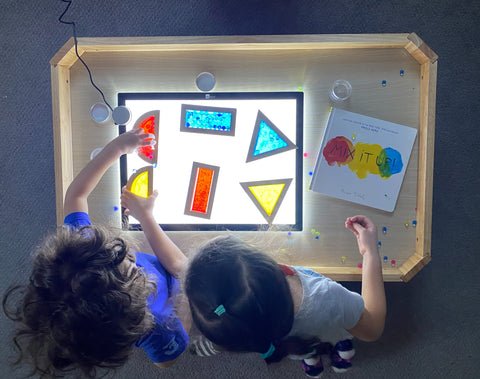
Creating the perfect play area for your children is more than just picking toys and colors—it’s about making the space safe, fun, and inviting. One key part of this is lighting.
How you light your child’s play area can change everything—from their mood to their safety. If you want to know simple, effective ways to brighten up your child’s favorite spot without overwhelming it, you’re in the right place. Keep reading to discover easy tips that will help you light your children’s play area in a way that feels just right for them—and for you.

Credit: www.ourplayfullearningjourney.com
Choosing Safe Lighting
Choosing safe lighting for a children’s play area is vital. It creates a secure and comfortable space. Proper lighting helps kids play safely and enjoy their time. Bright, soft, and well-placed lights reduce accidents. Parents feel at ease knowing the area is safe. Focus on fixtures, materials, and avoiding hazards to ensure safety.
Child-friendly Fixtures
Select fixtures designed for children’s use. Rounded edges prevent injuries from bumps. Use lights with covers or diffusers to soften glare. Avoid bright, flickering, or harsh lights that strain eyes. Fixtures should be easy to clean and maintain. Choose designs that keep bulbs out of reach.
Avoiding Hazards
Keep cords and wires out of children’s reach. Secure all electrical parts firmly to walls or ceilings. Use low-voltage lighting to reduce shock risk. Avoid glass bulbs that can break easily. Place lights away from water sources. Check for overheating parts regularly to prevent burns.
Durable Materials
Choose materials that withstand rough play and impact. Plastic or silicone covers work well for protecting bulbs. Metal fixtures should have smooth finishes to avoid cuts. Water-resistant materials add extra safety outdoors or in damp areas. Durable lighting lasts longer and stays safe over time.
Types Of Lighting
Lighting a children’s play area requires a mix of different lighting types to create a safe, fun, and inviting space. Each type of lighting has a specific role, whether it’s setting the overall mood, helping with focused tasks, or highlighting fun features. Understanding these types helps you design a balanced and functional play zone that your kids will love.
Ambient Lighting Options
Ambient lighting provides the general light that fills the entire play area. Think of ceiling-mounted fixtures like flush mounts or soft LED panels that evenly brighten the space without harsh shadows.
Natural light is also a powerful ambient option. If your play area has windows, use light, sheer curtains to soften sunlight while keeping the room bright. Have you noticed how kids seem more energized in naturally lit spaces?
Task Lighting For Activities
Task lighting focuses on specific areas where kids engage in detailed activities like drawing, reading, or building blocks. Desk lamps with adjustable arms or clip-on lights work well here because they direct light exactly where it’s needed.
Consider portable LED lamps for flexibility, allowing your child to move the light as their activity changes. Have you tried adding colorful lamps? They can brighten moods and make tasks more enjoyable.
Accent Lighting Ideas
Accent lighting adds fun and personality to the play area. Use string lights, wall-mounted spotlights, or LED strips around shelves and play structures to highlight favorite toys or create cozy nooks.
Kids love the magical feel that comes with soft, colorful accents. What about using battery-operated fairy lights inside a play tent? It’s a simple trick that turns an ordinary corner into a special hideout.
Lighting Placement Tips
Proper lighting placement makes your children’s play area both safe and fun. It helps create a welcoming space that encourages creativity and activity without causing eye strain or accidents. Consider where and how the light falls to get the best results.
Even Light Distribution
Ensure the entire play area is evenly lit to avoid dark spots where kids might trip or miss toys. Use multiple light sources spread out across the ceiling or walls instead of one bright light in the center. This approach keeps the space bright and comfortable for children to play freely.
Think about using diffused lighting or lamps with shades to soften the glow. Harsh, direct light can be uncomfortable and distracting for kids. Have you checked your play area at different times of day to see how natural light mixes with artificial lighting?
Highlighting Play Zones
Divide the play area into zones such as reading corners, craft tables, or toy storage, and add focused lighting to each. Spotlights or adjustable lamps work well here, drawing attention to specific activities and helping kids know where to focus.
This targeted lighting also helps keep the area organized and visually interesting. You might try installing dimmable lights or lamps with color options to make each zone feel special and adaptable to different moods or tasks.
Minimizing Shadows
Shadows can create blind spots and make a play area feel less safe. Place lights at different heights and angles to reduce harsh shadows caused by furniture or children themselves.
For instance, combining overhead lights with floor lamps or wall-mounted fixtures can fill in shadowy areas. Have you noticed how shadows move as the day progresses? Adjust your lighting setup accordingly to keep the space consistently bright and inviting.

Credit: www.nksoftplay.com
Energy-efficient Solutions
Choosing energy-efficient lighting for your children’s play area not only cuts down on electricity bills but also creates a safer, more comfortable environment. These solutions offer bright, reliable light without wasting power. You can enjoy long-lasting performance while being kind to the planet.
Led Bulbs Benefits
LED bulbs use significantly less energy compared to traditional incandescent bulbs. They last up to 25 times longer, which means fewer replacements and less hassle for you.
LEDs also produce very little heat, reducing the risk of burns if your child touches the light fixture. Their bright, clear light helps kids see better while playing, enhancing safety.
Smart Lighting Controls
Smart lighting systems allow you to control brightness and timing with your phone or voice assistant. This helps you avoid leaving lights on when the play area is empty, saving energy effortlessly.
You can set schedules or motion sensors so lights only turn on when needed. Have you thought about how much energy you could save by automating this simple task?
Solar-powered Options
Solar lights are a fantastic way to light outdoor play areas without increasing your electric bill. They charge during the day and provide illumination at night, making them eco-friendly and cost-effective.
Installing solar-powered lights can be quick and flexible since they don’t require wiring. Consider this if your play area is in a sunny spot and you want to keep things green and easy.
Creative Lighting Ideas
Creative lighting can transform a children’s play area from ordinary to magical. It not only brightens the space but also sparks imagination and encourages playful interaction. How can you use lighting to make your child’s play area more inviting and fun?
Colorful Light Fixtures
Adding colorful light fixtures instantly livens up any play space. Choose lights in bright reds, blues, and greens to create a joyful atmosphere. String lights with multicolored bulbs or lampshades with fun patterns work great.
You can also use LED strips that change colors. This lets you adjust the mood for different activities—from calm reading time to energetic play sessions. Have you tried placing a color-changing lamp in your child’s favorite corner?
Themed Lighting Designs
Themed lighting helps bring your child’s interests to life. If your child loves space, install star-shaped night lights or galaxy projectors. For nature lovers, consider lamps that mimic fireflies or glowing flowers.
These designs encourage creativity by immersing kids in their favorite worlds. Imagine your child’s delight when the play area lights up like a jungle or underwater scene! What theme would excite your child the most?
Interactive Light Features
Interactive lights add an element of play to the lighting itself. Motion-activated lights that glow when your child moves can make the space feel magical. Touch-sensitive lamps let kids control the brightness or color with a simple tap.
These features keep children engaged and can even help teach cause and effect. Have you noticed how kids light up when they control their environment? Adding interactive lighting can turn ordinary moments into memorable play experiences.

Credit: www.nksoftplay.com
Maintaining Play Area Lighting
Maintaining the lighting in your children’s play area is essential to keep the space safe and inviting. Proper upkeep ensures that the lights continue to provide enough brightness for playtime without causing any hazards. Neglecting this can lead to dim spots or electrical issues that might put your little ones at risk.
Regular Cleaning
Dust and dirt can quickly accumulate on light fixtures, reducing their brightness. Clean the bulbs and covers weekly using a soft cloth or a gentle brush. Avoid harsh chemicals; a mild soap solution works well and keeps the fixtures looking fresh.
Have you noticed how a simple cleaning session can instantly brighten up a room? That’s exactly what happens with play area lighting. Keeping them clean helps you avoid frequent bulb replacements and keeps your space cheerful.
Replacing Bulbs Safely
Always turn off the power before changing any bulbs to prevent shocks. Use a sturdy ladder and ensure your hands are dry. Choose bulbs that match the fixture’s specifications to avoid overheating or short circuits.
When replacing bulbs, consider switching to LED options. They last longer, save energy, and stay cool to the touch—perfect for a children’s play area. Have you checked if your current bulbs are child-safe and energy-efficient?
Inspecting Electrical Components
Regularly check wires, plugs, and switches for signs of wear or damage. Look for frayed cables or loose connections that could cause electrical hazards. If you spot any issues, replace or repair them immediately.
Safety should never be compromised. A quick inspection every month can prevent accidents and keep your play area running smoothly. Do you have a checklist to remind yourself to inspect these components?
Frequently Asked Questions
What Is The Best Lighting For Children’s Play Areas?
Soft, diffused lighting is ideal for children’s play areas. It reduces glare and creates a warm, inviting space. Use LED lights for energy efficiency and safety. Avoid harsh, bright lights that can cause discomfort or eye strain in kids.
How Can I Make Play Area Lighting Safe For Kids?
Choose fixtures with protective covers and avoid exposed bulbs. Use low-heat, energy-efficient LEDs to prevent burns. Ensure all wiring is out of reach. Install dimmers or motion sensors to control brightness and save energy.
Should Play Area Lighting Be Bright Or Soft?
Soft, moderate lighting is best for play areas. It helps kids see clearly without causing eye strain. Bright lights can be overwhelming and harsh. Aim for balanced illumination that supports safety and comfort during playtime.
Can Natural Light Improve Children’s Play Area Lighting?
Yes, natural light boosts mood and alertness in children. Position play areas near windows or skylights for daylight exposure. Use sheer curtains to diffuse sunlight and reduce glare. Combine natural and artificial light for consistent brightness.
Conclusion
Good lighting makes children’s play areas safe and fun. Choose soft, bright lights that do not hurt the eyes. Use lights that can adjust to different times of day. This helps kids enjoy playing no matter the hour. Remember, safety comes first, so avoid sharp or harsh lighting.
With simple steps, you can create a happy, well-lit space for kids to play and learn. Bright spaces encourage creativity and joy. Keep it easy and safe, and watch the fun grow.

