
Is your lawn looking tired, patchy, or unhealthy despite your best efforts? You might be dealing with thatch buildup, a hidden layer of dead grass and roots that can suffocate your lawn.
But how do you know if your lawn actually needs dethatching? If you’re unsure, you’re not alone—and getting it right can make all the difference between a dull yard and a lush, green paradise. Keep reading, and you’ll discover simple signs to watch for and easy ways to check if dethatching is exactly what your lawn needs to bounce back.
Credit: www.yourgreenpal.com
Signs Of Excessive Thatch
Thatch is a layer of dead grass and roots that build up on your lawn. Too much thatch can harm your grass. It stops water, air, and nutrients from reaching the soil.
Knowing the signs of excessive thatch helps you keep your lawn healthy and green. Look out for these key indicators.
Identifying Thick Thatch Layers
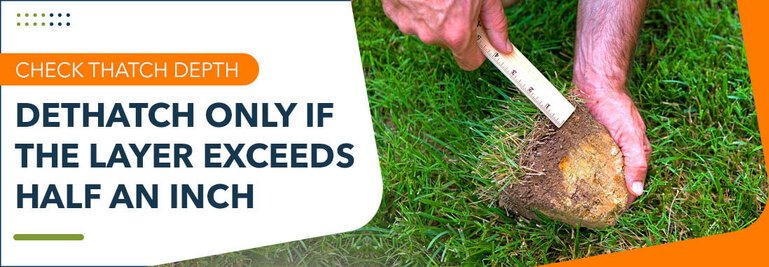
Thatch forms a spongy layer between grass blades and soil. A thatch layer thicker than half an inch can cause problems. You can check it by digging a small section of your lawn.
- Use a garden trowel to remove a small turf section
- Measure the layer of brown, dead material between grass and soil
- Check if the layer is more than 0.5 inches thick
- Look for a springy, spongy feel when you press the thatch
Impact On Lawn Health
Excessive thatch stops water and nutrients from reaching roots. It can trap moisture and cause diseases. This weakens the grass and makes it less able to handle heat and drought.
| Effect | Result on Lawn |
| Blocked Water and Nutrients | Grass roots dry out and weaken |
| Trapped Moisture | Increased risk of fungal diseases |
| Reduced Air Flow | Soil becomes compacted |
| Thick Layer | Poor grass growth and color |
Common Symptoms In Grass
Grass affected by thick thatch shows clear signs. Watch for yellowing, thinning, and patchy spots. The lawn may also feel soft or spongy underfoot.
- Yellow or brown grass blades
- Thin and weak grass growth
- Patchy areas with bare soil showing
- Soft, springy feel when walking on the lawn
- Water puddles on the surface after rain

Credit: stripemasterslawns.com
When To Inspect Your Lawn
Knowing when to check your lawn for thatch helps keep grass healthy. Thatch buildup can block water and nutrients from reaching roots.
Regular inspection lets you act before problems start. Pay attention during key times of the year.
Best Seasons For Checking Thatch
Inspect your lawn in seasons when grass grows actively. This helps spot thatch before it gets too thick.
- Spring: Grass begins to grow after winter, so check for thatch buildup.
- Early Summer: Growth is strong; this is a good time to assess thatch layers.
- Fall: Before winter dormancy, check thatch to prepare the lawn for cold months.
Tools For Lawn Inspection
You need simple tools to inspect thatch effectively. These tools help measure how thick the thatch layer is.
| Tool | Purpose |
| Garden Trowel | Remove a small soil and grass sample |
| Ruler or Tape Measure | Measure the thickness of the thatch layer |
| Gloves | Protect your hands during inspection |
Frequency Of Thatch Assessment
Regular checks keep thatch under control. The frequency depends on your lawn type and local climate.
- Check at least twice a year for most lawns.
- In warm climates, inspect every 3 to 4 months.
- Cool-season grasses need checks mainly in spring and fall.
How To Test For Thatch Thickness
Thatch is a layer of dead grass and roots that builds up on your lawn. It can stop water and nutrients from reaching the soil. Checking its thickness helps you decide if dethatching is needed.
Measuring thatch thickness is simple and takes only a few minutes. Use easy tools to see how thick the thatch layer is.
Simple Thatch Measurement Techniques
One way to check thatch thickness is by using a garden trowel or a small shovel. Dig a small hole about 3 inches deep in the lawn.
Look at the layers in the hole. The thatch layer is the brown, spongy material between the green grass and soil.
- Use a ruler to measure the thickness of the thatch layer.
- Try using your fingers to feel the thickness if no tools are available.
- Repeat in several places to get an average thickness.
Interpreting Results
If the thatch layer is thin, it may not harm your lawn. A thin layer helps protect roots and retain moisture.
Thicker thatch can stop water, air, and nutrients from reaching grass roots. This can cause lawn problems like disease and poor growth.
- Less than ½ inch of thatch is usually okay.
- More than ½ inch may need attention.
- Very thick thatch can harm your lawn’s health.
Thresholds For Dethatching
When thatch reaches certain thickness, dethatching is needed. This helps remove the excess layer to keep the lawn healthy.
Use these thresholds to decide if dethatching is right for your lawn:
- Less than ½ inch: No dethatching needed.
- ½ inch to ¾ inch: Monitor and consider dethatching soon.
- More than ¾ inch: Dethatching is recommended.

Credit: www.reddit.com
Effects Of Neglecting Thatch
Thatch is a layer of dead grass and roots between the soil and green grass. If you ignore thatch, it can harm your lawn in many ways. Knowing these effects helps you keep your lawn healthy.
Too much thatch stops your grass from getting what it needs. This can make your lawn weak and less green over time.
Reduced Nutrient Absorption
A thick thatch layer blocks nutrients from reaching the soil. Grass roots can’t absorb enough food to grow strong. This makes your grass thin and yellow.
Fertilizer and natural nutrients stay on top of the thatch. They never get to the roots where grass needs them most.
Poor Water Penetration
Thatch acts like a sponge and holds water above the soil. This stops water from soaking deep into the ground. Grass roots stay dry and stressed.
Water sitting in thatch can cause problems like mold and fungus. Your lawn becomes weak and may die in dry weather.
Increased Pest And Disease Risks
Thatch creates a perfect home for pests like insects and grubs. These pests eat grass roots and damage your lawn. Diseases also spread faster in thick thatch.
- Pests hide and breed in the thatch layer
- Fungal diseases grow easily in moist thatch
- Damaged grass is less able to fight infections
Choosing The Right Dethatching Method
Dethatching helps keep your lawn healthy by removing thick layers of dead grass and roots. Picking the right method depends on your lawn size and thatch level.
This guide covers manual and mechanical dethatching, the best timing, and care after dethatching to help your grass recover.
Manual Vs. Mechanical Dethatching
Manual dethatching uses hand tools like rakes. It works well for small lawns or light thatch buildup. Mechanical dethatching uses machines such as dethatching rakes or power rakes. It suits larger lawns or heavy thatch layers.
| Method | Best For | Pros | Cons |
| Manual Dethatching | Small lawns, light thatch | Low cost, precise control | Labor intensive, time-consuming |
| Mechanical Dethatching | Large lawns, heavy thatch | Fast, efficient | Requires equipment, may damage grass if used wrongly |
Timing And Frequency
Dethatch in early spring or early fall. These seasons let your lawn heal quickly. Avoid dethatching during hot or dry weather.
- Check thatch thickness. If it is more than ½ inch, dethatch.
- Dethatch once a year or every two years for most lawns.
- Wait at least 30 days between dethatching and fertilizing.
Aftercare Tips For Recovery
After dethatching, your lawn needs extra care to bounce back. Water it deeply but avoid overwatering. Keep foot traffic low to prevent damage.
- Rake up and remove all debris.
- Apply lawn fertilizer to boost growth.
- Water regularly, especially in the first two weeks.
- Consider overseeding bare spots to fill in gaps.
Preventing Thatch Buildup
Thatch can harm your lawn if it gets too thick. It’s a layer of dead grass and roots. Keeping thatch under control helps your lawn stay healthy.
Regular care practices help prevent thatch buildup. These practices include mowing, aeration, and fertilization. Let’s explore these methods.
Proper Mowing Practices
Mowing the right way keeps thatch from growing too thick. Cut grass at the correct height and use sharp mower blades.
- Set mower to the recommended height for your grass type
- Keep mower blades sharp for clean cuts
- Avoid cutting more than one-third of the grass height at once
Aeration Techniques
Aeration allows air, water, and nutrients to reach grass roots. This process reduces compaction and helps prevent thatch buildup.
| Aeration Tool | Best Use |
| Core Aerator | Deep soil penetration |
| Spike Aerator | Quick and simple |
Balanced Fertilization
Fertilization feeds your lawn but too much can cause thatch. Use fertilizers wisely for balanced lawn nutrition.
Consider organic fertilizers for a more natural approach to lawn care.
Frequently Asked Questions
What Are Common Signs My Lawn Needs Dethatching?
A thick layer of brown, spongy material on grass indicates thatch buildup. Lawn drainage issues and uneven growth also signal the need for dethatching. If your lawn feels springy underfoot, it likely needs dethatching to improve health and growth.
How Often Should I Dethatch My Lawn?
Most lawns benefit from dethatching once every 1 to 3 years. The frequency depends on grass type, soil, and thatch thickness. Over-dethatching can damage the lawn, so assess your lawn’s condition before dethatching.
Can Dethatching Improve Lawn Health?
Yes, dethatching removes excess dead material blocking water, air, and nutrients. It promotes healthier root growth and reduces disease risk. Regular dethatching keeps your lawn vibrant and resilient against stress.
When Is The Best Time To Dethatch A Lawn?
The best time to dethatch is during active grass growth. For cool-season grasses, early spring or early fall works best. Warm-season grasses benefit from late spring to early summer dethatching to avoid stress.
Conclusion
A thick layer of thatch can harm your lawn’s health. Check for spongy grass and slow water absorption. Dethatching helps roots get air, water, and nutrients. Act before your lawn shows serious damage signs. Regular lawn care keeps your grass green and strong.
Keep an eye on thatch build-up every season. Healthy lawns need attention and timely dethatching. Your lawn will thank you with better growth and color. Simple steps make a big difference in lawn care.

