
Are you tired of your compost bin giving off unpleasant smells? You’re not alone.
A smelly compost bin can quickly turn a simple eco-friendly habit into a frustrating chore. But don’t worry—keeping your compost fresh and odor-free is easier than you think. You’ll discover simple, effective tips that anyone can use to stop bad smells before they start.
Ready to enjoy a cleaner, fresher compost bin? Let’s dive in!
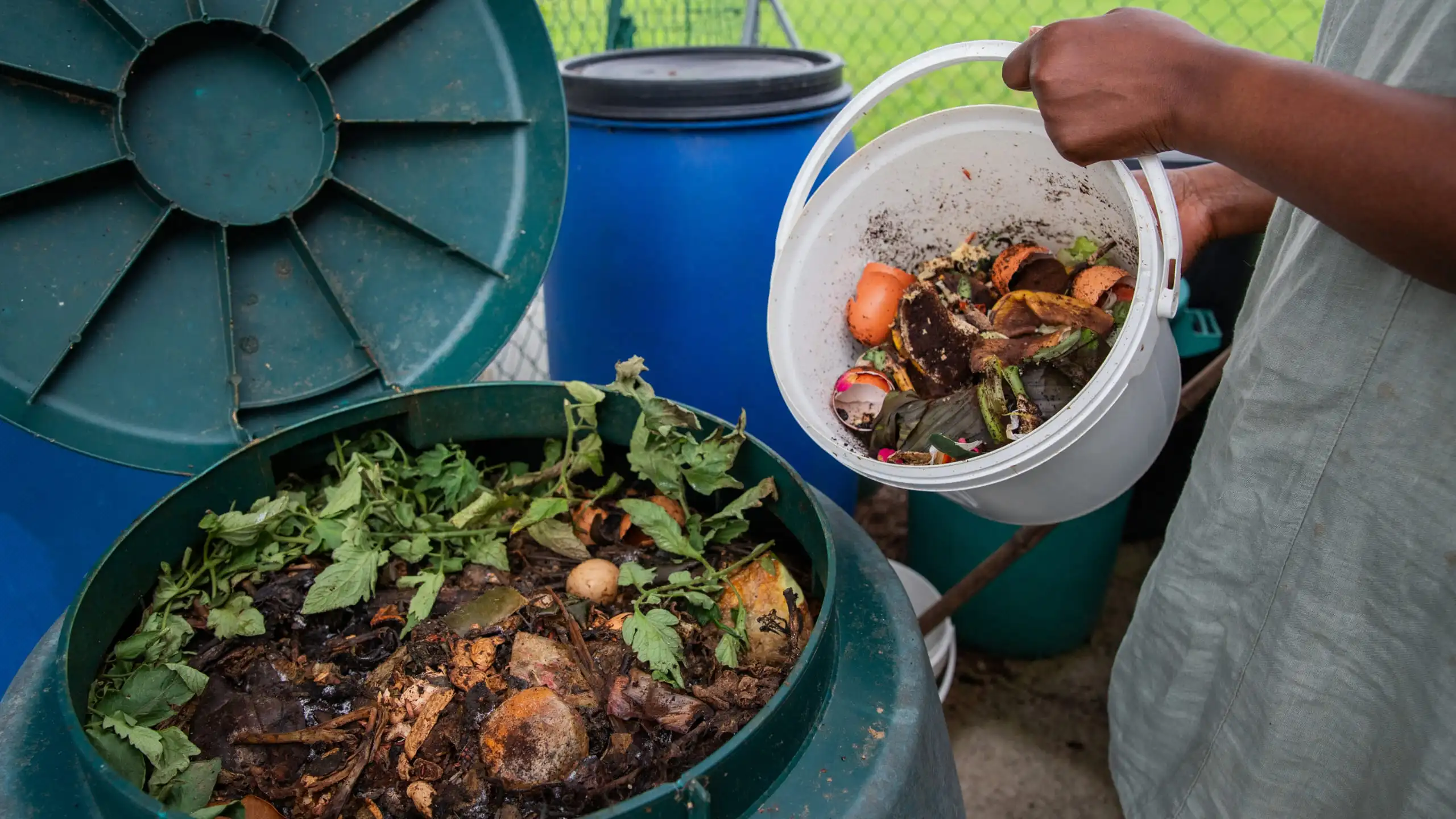
Credit: gfm.akshayakalpa.org
Causes Of Compost Odors
Dealing with unpleasant smells from your compost bin can be frustrating. Understanding what causes these odors is the first step toward keeping your compost fresh and odor-free. Let’s break down the main culprits behind compost smells so you can tackle them effectively.
Role Of Moisture Levels
Too much moisture in your compost creates a soggy environment where anaerobic bacteria thrive. These bacteria produce foul smells like ammonia or rotten eggs. On the other hand, if your compost is too dry, decomposition slows down, trapping odors inside.
Think about the last time you watered your compost—did it feel like a swamp or a dry patch? Aim for a damp sponge consistency to keep moisture balanced and odors at bay.
Impact Of Food Waste Types
Certain food scraps cause stronger smells than others. Meat, dairy, oily foods, and cooked leftovers tend to rot quickly and attract pests, leading to stinky compost. Vegetables, fruit peels, and coffee grounds break down more cleanly and usually don’t cause bad odors.
Ask yourself: Are you adding anything to your bin that might be inviting unwanted smells? Cutting out or limiting smelly scraps can make a big difference.
Importance Of Aeration
Air is your compost’s best friend. Without enough oxygen, your pile turns anaerobic, producing those notorious bad smells. Turning your compost regularly introduces oxygen and helps microbes work efficiently without creating odors.
Next time you open your bin, check if the pile feels compacted. Loosen it up to keep the air flowing and the smells gone.
Choosing The Right Compost Bin
Choosing the right compost bin plays a big role in stopping bad smells. The right bin helps control air flow, moisture, and space. These factors keep your compost healthy and fresh. Picking a bin that fits your needs makes composting easier and cleaner.
Ventilation Features
Good airflow stops bad odors in compost. Choose a bin with holes or vents on its sides. These let air move in and out freely. Air helps break down waste faster and prevents smell buildup. Some bins have built-in fans or mesh panels for extra ventilation. Proper ventilation keeps your compost dry and fresh.
Size And Capacity
Pick a bin size that matches your waste amount. A too-small bin fills quickly and smells more. A bin too big may be hard to manage. Compost needs turning and mixing. Choose a bin that lets you handle compost easily. A medium size often works best for most homes.
Material Considerations
Materials affect how your compost bin works and smells. Plastic bins are light and cheap but can trap moisture. Wood bins breathe better and blend into gardens. Metal bins last long but may heat up too much. Choose materials that resist rust and decay. Consider what fits your climate and space.
Balancing Green And Brown Materials
Balancing green and brown materials in your compost bin is key to keeping unpleasant odors at bay. Green materials provide nitrogen, while brown materials supply carbon—both are essential for healthy decomposition. If this balance is off, your compost can quickly start to smell bad, attracting pests and making the process less enjoyable.
Examples Of Green Materials
Green materials are typically moist and rich in nitrogen. They include:
- Vegetable scraps like carrot peels and lettuce
- Fresh grass clippings
- Coffee grounds
- Fruit scraps such as apple cores and banana peels
- Garden trimmings
These items break down quickly and help generate heat, which speeds up composting. But too many greens can make your bin wet and smelly.
Examples Of Brown Materials
Brown materials are dry and high in carbon. Some common ones are:
- Dry leaves
- Straw or hay
- Shredded newspaper or cardboard
- Wood chips or sawdust
- Twigs and small branches
Adding enough browns helps absorb moisture and creates air pockets. This stops your compost from turning slimy and stinky.
Achieving Proper Ratios
Finding the right mix is about balancing nitrogen and carbon. Aim for roughly 2 to 3 parts brown materials for every 1 part green. Too many greens can cause a foul smell, while too many browns slow down decomposition.
Ask yourself: Is your compost soggy or dry? If it’s soggy and smells bad, add more browns. If it’s dry and breaking down slowly, add more greens. Experiment with this ratio until your compost smells earthy and fresh.

Credit: www.youtube.com
Managing Moisture Effectively
Managing moisture in your compost bin is key to stopping bad smells. Too much water creates a soggy mix where bad bacteria grow fast. Too little water slows down the breakdown of materials, making composting take longer. Keeping the right moisture level helps good microbes thrive and keeps the bin fresh.
Signs Of Excess Moisture
- Compost looks wet and soggy
- Strong, unpleasant odors like rotten eggs
- Liquid pooling at the bottom of the bin
- Attracts flies and pests
- Compost feels heavier than usual
Techniques To Reduce Wetness
- Mix in dry, bulky materials like shredded paper or dry leaves
- Turn the compost to increase air flow and dry it out
- Avoid adding too many wet scraps at once
- Use a bin with good drainage holes
- Cover the compost to prevent rain from adding water
Ideal Moisture Levels
The compost should feel like a damp sponge. It must be moist but not dripping water. You can test by squeezing a handful of compost. A few drops of water should come out, no more. This balance supports healthy bacteria and stops foul smells.
Improving Airflow In Compost
Improving airflow in your compost bin is key to preventing unpleasant odors. Good air circulation helps beneficial microbes break down organic material efficiently. Without enough oxygen, your compost can become smelly and slow to decompose.
Turning And Mixing Methods
Regularly turning your compost ensures fresh oxygen reaches all parts of the pile. Use a garden fork or compost aerator to mix the materials well. Aim to turn your compost every few days, especially if it starts to smell.
Mixing dry and wet materials evenly also helps airflow. If the pile feels soggy, add dry leaves or shredded paper to create air pockets. Have you noticed that some spots in your compost seem wetter or smellier? These are usually areas lacking airflow.
Using Aeration Tools
Aeration tools like compost aerator spikes or drills with mixing attachments can make airflow easier to maintain. They quickly poke holes deep into the pile, increasing oxygen flow without dismantling the whole bin. These tools save time and reduce the effort needed for manual turning.
Even a simple garden fork works well to create air channels. Consider investing in tools if your compost pile is large or if you want to speed up decomposition. How often do you check the airflow in your compost? Small adjustments can make a big difference.
Placement For Optimal Airflow
Where you place your compost bin affects airflow significantly. Avoid placing it directly against a wall or fence, which can block air circulation. Instead, position it in an open, shaded area with room for air to move around all sides.
Elevating your compost bin slightly off the ground can also help. Use bricks or a wooden pallet to improve airflow underneath. Think about your current compost location—could a simple move improve how well it breathes?
Adding Natural Odor Absorbers
Adding natural odor absorbers to your compost bin is a simple and effective way to keep unpleasant smells at bay. These materials help balance moisture and neutralize odors, making your composting experience much more pleasant. You don’t need fancy products—common items from your garden or kitchen can work wonders.
Using Charcoal And Lime
Charcoal is excellent at absorbing moisture and odors. Adding a thin layer of crushed charcoal to your compost helps reduce the smell by trapping gases released during decomposition. Lime also works well to neutralize acidic smells, but use it sparingly to avoid disrupting the compost’s pH balance.
Try sprinkling a small amount of garden lime or agricultural lime over your compost pile every couple of weeks. This helps maintain a fresh smell and keeps bacteria growth balanced.
Incorporating Dry Leaves And Straw
Dry leaves and straw add essential carbon to your compost and help absorb excess moisture, which often causes bad odors. They create air pockets that improve airflow, preventing the pile from becoming soggy and smelly.
I once added a thick layer of dry leaves to my compost when it started smelling sour. The difference was immediate—the bad smell faded within days, and the compost became easier to turn.
Benefits Of Coffee Grounds
Used coffee grounds are not just great for your garden; they also act as natural deodorizers in your compost bin. They provide nitrogen, which speeds up decomposition, and their slightly acidic nature helps control odor-causing bacteria.
Add coffee grounds evenly throughout the pile, but avoid dumping too much at once. Have you noticed how your compost smells after a fresh batch of coffee grounds? It often has a more earthy, less pungent scent.
Avoiding Smelly Compost Mistakes
Keep a compost bin fresh by balancing green and brown materials. Turn the pile regularly for airflow. Add dry leaves or straw to absorb excess moisture and prevent odors.
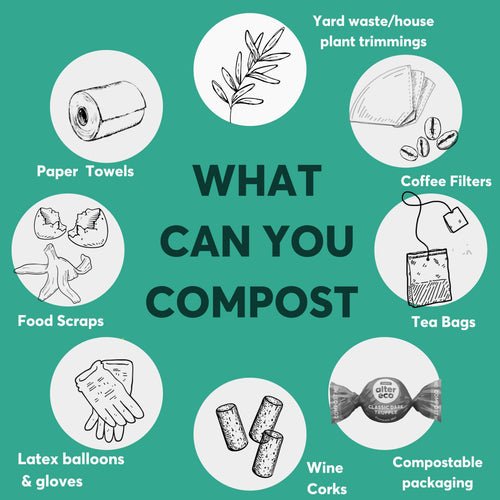
Avoiding a smelly compost bin can be simpler than you think. Often, unpleasant odors arise from common mistakes that are easy to correct. By paying attention to what goes into your compost and how you manage it, you can keep your compost fresh and efficient.Items To Exclude
To maintain a healthy compost, certain items should never find their way into your bin. Meat, dairy, and oils are notorious for causing bad smells and attracting pests. Similarly, avoid composting diseased plants or chemically treated wood, as these can introduce toxins. Citrus peels and onion scraps may seem harmless, but in large amounts, they can disrupt the pH balance of your compost. Aim to keep your compost mix diverse but simple. Stick to vegetable scraps, coffee grounds, and shredded paper for best results.Common Handling Errors
One common error is neglecting to turn the compost regularly. Without regular aeration, the compost can become compacted, leading to anaerobic conditions that create odors. Overwatering is another frequent mistake. Compost needs moisture, but too much water can cause it to smell. The texture should be like a damp sponge, not soggy. Consider the balance of green and brown materials. Too many green materials, like grass clippings, can make the compost too wet and smelly. Ensure you balance them with brown materials such as dried leaves or cardboard.Preventing Pest Attraction
Pests are drawn to compost bins by the smell of food scraps. By managing your compost properly, you can reduce this attraction. Cover fresh food waste with a layer of brown material like leaves or straw. This helps to mask odors that attract pests. Make sure your compost bin is secure. If it’s easy for critters to get inside, they will. A tight-fitting lid and fine mesh can help keep unwanted visitors out. Are you seeing more pests than usual? It might be time to review what you’re putting in your compost. Removing smelly, pest-attracting items can make a big difference. By staying mindful of these practices, you can avoid the common pitfalls that lead to smelly compost.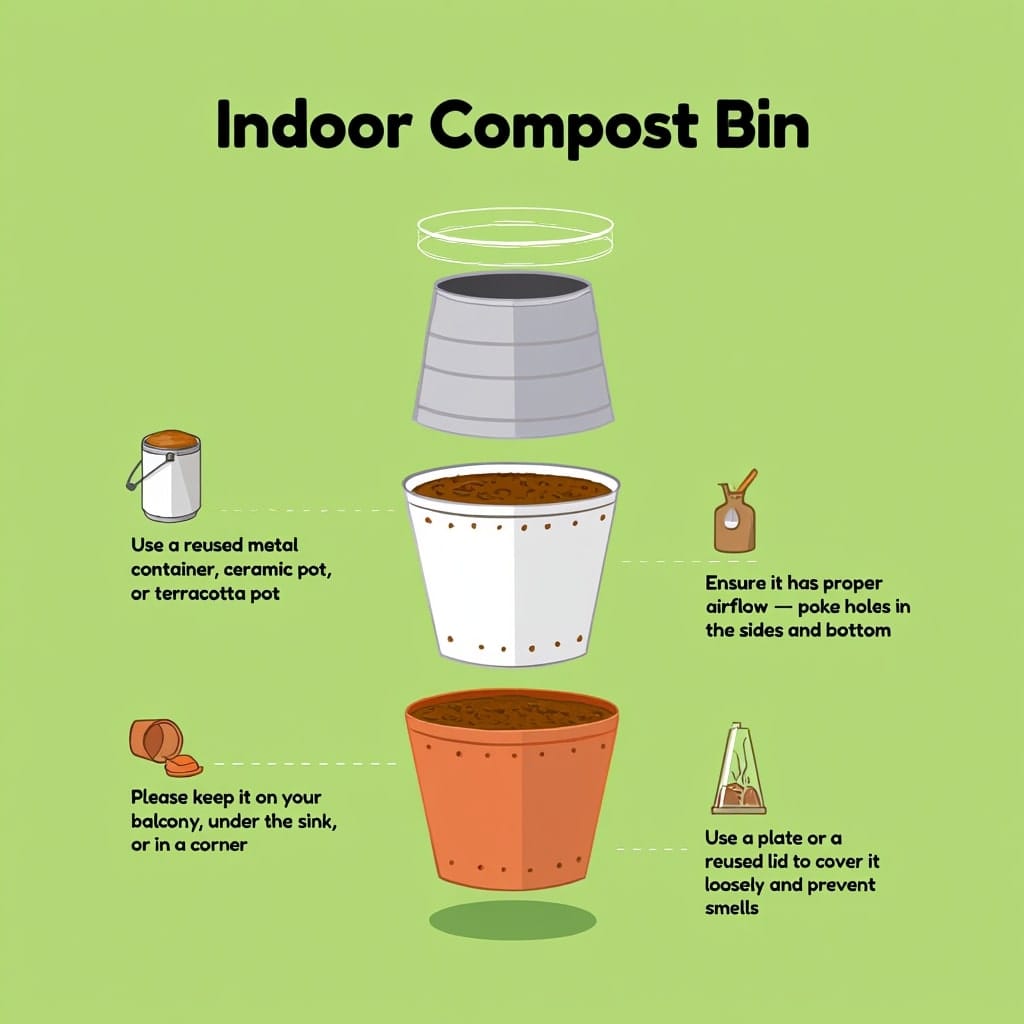
Credit: earthlyours.com
Frequently Asked Questions
Why Does My Compost Bin Smell Bad?
A compost bin smells bad due to excess moisture, lack of air, or too many green materials. Balancing greens and browns, turning the pile, and adding dry materials prevent odors effectively.
How Often Should I Turn My Compost Bin?
Turn your compost bin every 1-2 weeks. Regular turning increases airflow, speeds decomposition, and reduces bad smells by preventing anaerobic conditions.
What Materials Cause Compost Bin Odors?
Wet food scraps, dairy, meat, and oily foods cause strong odors. Avoid these and add dry leaves, paper, or cardboard to balance moisture and reduce smells.
Can Adding Dry Materials Stop Compost Smell?
Yes, adding dry materials like leaves or shredded paper absorbs excess moisture. This helps maintain balance and prevents the compost from becoming smelly.
Conclusion
Keeping your compost bin fresh takes simple steps. Add dry materials like leaves or paper. Turn the compost often to let air in. Avoid putting too much food waste at once. Watch the moisture—keep it damp, not wet. These habits stop bad smells and help compost work well.
A clean, odor-free bin makes gardening more pleasant. Start small and keep it steady for best results. Your garden will thank you with healthy soil and plants.

