
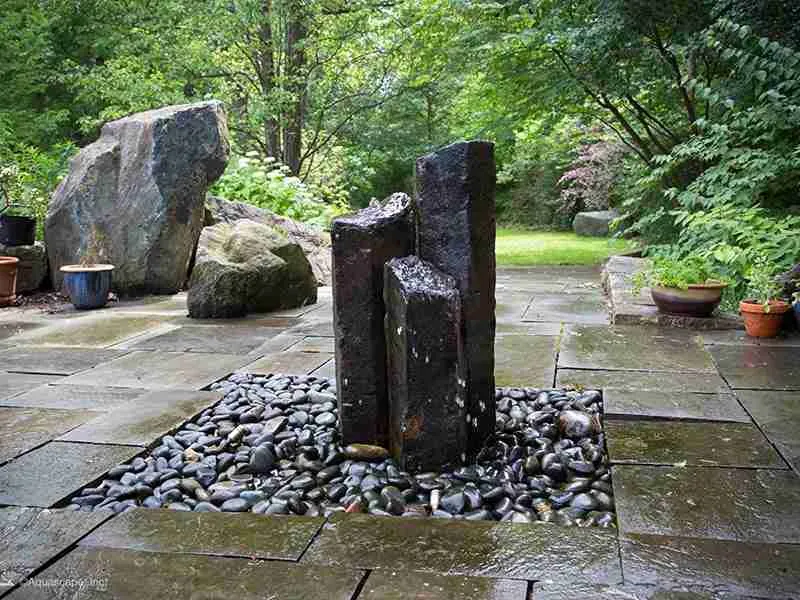
Are you ready to transform your garden or patio into a peaceful retreat? Installing a recirculating water feature is a simple way to add soothing sounds and a touch of nature to your space.
You might think it’s complicated or expensive, but with the right steps, you can set it up yourself quickly and easily. In this guide, you’ll discover how to install a recirculating water feature that saves water, looks beautiful, and keeps your outdoor area fresh all year round.
Keep reading, and you’ll have your own calming water oasis before you know it!
Choosing The Right Water Feature
Choosing the right water feature is key to making your outdoor space inviting and relaxing. It’s not just about looks; you want something that fits your lifestyle and space. Think about how much time you want to spend maintaining it and what kind of sound or movement you enjoy.
Types Of Recirculating Water Features
Recirculating water features come in various styles, each offering a unique vibe to your garden or patio.
- Fountains:Classic and soothing, fountains can range from small tabletop models to larger tiered structures. They are great if you want a steady, calming sound.
- Waterfalls:These mimic natural streams and can be built into rock formations or walls. They add a dynamic look and a strong, refreshing sound.
- Wall-mounted features:Ideal for smaller spaces, these save ground space and add vertical interest. They often combine modern design with gentle water flow.
- Pondless water features:These create the look of a pond without standing water, making them safer for kids and pets. Plus, they are easier to maintain.
Ask yourself what kind of experience you want. Do you prefer a bold splash or a quiet trickle? Your answer will guide your choice.
Materials And Design Considerations
The materials you pick affect both the look and durability of your water feature. Stone, concrete, metal, and ceramic are popular options, each with its own benefits.
- Stone and concrete:Offer a natural, earthy look and stand up well to weather. They’re heavier but very durable.
- Metal:Provides a modern, sleek appearance. Materials like copper develop a beautiful patina over time but might need more upkeep.
- Ceramic and glass:Add color and shine but can be more fragile. These are perfect for smaller, decorative features.
Think about your climate and how much maintenance you’re ready for. For instance, metal might rust in humid areas, while stone can withstand harsh winters.
Also, consider the size and style of your space. A large, rustic waterfall might overwhelm a small patio, while a delicate ceramic fountain might get lost in a vast garden.
What material speaks to you and fits your outdoor vibe? Let that guide your design choices to create a water feature you’ll enjoy for years.

Credit: www.nvslandscapes.com
Gathering Necessary Tools And Materials
Gathering the right tools and materials is the first step to installing a recirculating water feature. Proper preparation saves time and avoids frustration during the project. Having everything ready ensures a smooth and safe installation process.
Knowing what tools and materials you need helps plan the job carefully. It also prevents interruptions caused by missing items. Organize your workspace for easy access to all tools and parts.
Essential Tools For Installation
- Shovel – for digging the basin or pond
- Level – to ensure the water feature is even
- Screwdriver set – for assembling parts
- Utility knife – for cutting tubing or liner
- Measuring tape – to measure distances accurately
- Bucket – for moving water or cleaning
- Gloves – to protect your hands
- Wire cutters – for trimming wires if needed
- Drill – for securing pumps or fixtures
Key Materials Required
- Water pump – to circulate the water continuously
- Flexible tubing – to connect the pump to the water feature
- Water feature basin or pond liner – to hold the water
- Rocks or decorative stones – for a natural look
- Waterproof sealant – to prevent leaks
- Power source – electrical outlet or extension cord
- Filter – to keep water clean and clear
- Plants or aquatic life – optional for decoration
Preparing The Installation Site
Preparing the installation site is a crucial step for setting up your recirculating water feature. A well-chosen and properly prepared location ensures the feature works efficiently and looks great for years. Taking time at this stage saves you from future headaches and extra costs.
Selecting The Optimal Location
Choose a spot that gets enough sunlight but isn’t exposed to harsh midday sun all day. Too much direct sun can cause algae growth, making maintenance harder. Think about the view from your favorite spots—do you want to enjoy the calming sound of water from your porch or garden bench?
Look for a place near a power source to avoid long extension cords. Also, consider accessibility for regular cleaning and refilling. If you have pets or children, pick a safe spot where the water feature won’t be a hazard.
Ensuring Proper Ground Preparation
The ground must be level to prevent uneven water flow and potential damage. Use a spirit level or a simple flat board to check the surface. If the ground is uneven, remove excess soil or add compacted sand to create a stable base.
Clear the area of debris like rocks, sticks, or roots that could puncture the liner or block the pump. A layer of landscape fabric under the feature can help keep weeds from growing through. Don’t forget to plan for drainage—water pooling around the base can cause problems over time.
Setting Up The Water Feature Base
Setting up the water feature base is a key part of installing your recirculating water feature. A solid base supports the entire structure and ensures smooth water flow. It also prevents leaks and keeps the feature stable over time.
Careful preparation of the base area creates a strong foundation. This helps the water feature work efficiently and look great in your space. Follow these steps to position and secure the base properly.
Positioning The Reservoir
Choose a flat and level area for the reservoir. This allows water to flow evenly without spilling. Avoid spots near slopes or uneven ground.
Place the reservoir close to a power source for the pump. This keeps wiring safe and tidy. Make sure the reservoir is easy to access for maintenance.
- Clear debris and smooth the ground.
- Check for level using a spirit level.
- Adjust soil or add a base plate if needed.
- Keep the reservoir hidden or blend it with landscaping.
Securing The Base For Stability
Stability prevents wobbling and damage. Secure the base with weight or anchors depending on the surface.
For hard surfaces like concrete, use strong adhesive or screws. On soft ground, add gravel or sand for firm support.
- Use a rubber mat under the base to reduce slipping.
- Anchor the base with stakes if outdoors.
- Check the base regularly for shifts or wear.
Installing The Pump System
Installing the pump system is a crucial step for your recirculating water feature to function smoothly and efficiently. The pump controls the water flow, ensuring a continuous cycle that keeps the feature lively and fresh. Getting this right will save you time and headaches later on.
Choosing The Right Pump
Selecting the appropriate pump depends on the size of your water feature and the desired water flow. A pump that’s too weak won’t move enough water, while an overly powerful one can cause splashing or waste energy.
Look for pumps with adjustable flow rates. This flexibility allows you to fine-tune water movement without buying a new pump. Also, check the pump’s wattage and durability, especially if it will run continuously.
- Match the pump’s flow rate (gallons per hour) to the volume of your water feature.
- Choose a submersible pump for ease of installation and quiet operation.
- Consider energy-efficient models to keep running costs low.
Connecting The Pump To The Feature
Once you have the right pump, the next step is connecting it properly to your water feature. Position the pump at the lowest point of the reservoir to ensure it can pull water efficiently.
Use flexible tubing to link the pump outlet to the water feature’s inlet. Make sure all connections are tight to prevent leaks and air pockets, which can disrupt flow.
- Secure tubing with hose clamps for a watertight seal.
- Keep tubing as straight as possible to avoid restricting water flow.
- Test the system by running the pump before burying or covering any components.
Have you checked the pump’s manual for specific installation tips? Following manufacturer advice often prevents common issues like overheating or clogging.
Adding Decorative Elements
Adding decorative elements transforms a simple recirculating water feature into a beautiful garden centerpiece. These touches bring life and personality to the space. Thoughtful decoration blends nature with design, making the feature more inviting and relaxing.
Decorative elements create visual interest and complement the soothing sound of flowing water. They help the water feature fit seamlessly into the garden style. Small details like stones, plants, and lights can make a big impact.
Enhancing With Stones And Plants
Use stones of different sizes and colors to create natural textures. Smooth river rocks and pebbles work well around the basin and edges. Arrange stones to form small waterfalls or paths for water flow. They add structure and prevent soil erosion.
Plants soften hard edges and add greenery. Choose water-loving plants like ferns, hostas, or moss near the water. Floating plants such as water lilies enhance the surface. Mix tall and low plants for depth and variety.
- Place stones along water paths for a natural look.
- Use plants to frame the water feature and blend it with surroundings.
- Select plants that thrive in moist or wet conditions.
Incorporating Lighting Effects
Lighting creates ambiance and extends the feature’s beauty into the evening. Use soft LED lights around the basin or beneath water for subtle glow. Solar-powered lights save energy and are easy to install.
Colored lights add mood and highlight water movement. Position lights to avoid glare and ensure safety. Lighting also draws attention to stones, plants, and water flow.
- Install underwater LED lights for shimmering effects.
- Use spotlights to highlight plants or stone arrangements.
- Choose warm light tones for a cozy atmosphere.
Testing And Adjusting Water Flow
Testing and adjusting the water flow is vital for a smooth-running recirculating water feature. Proper flow ensures water moves evenly without splashing or noise. This step helps achieve a pleasing look and quiet operation.
Water circulation must be checked carefully to spot any blockages or weak spots. Adjustments fine-tune the flow to match the desired effect, whether gentle ripples or a stronger cascade.
Checking Water Circulation
Start by turning on the pump and observing water movement. Look for steady flow across all feature parts. Watch for areas where water pools or drips unevenly.
- Inspect the pump output and tubing for clogs.
- Ensure water reaches all outlets without interruption.
- Listen for unusual sounds that may signal flow issues.
Make sure water does not splash outside the basin. Adjust the pump speed or reposition tubing if needed. Confirm the water returns smoothly to the reservoir.
Fine-tuning For Desired Effect
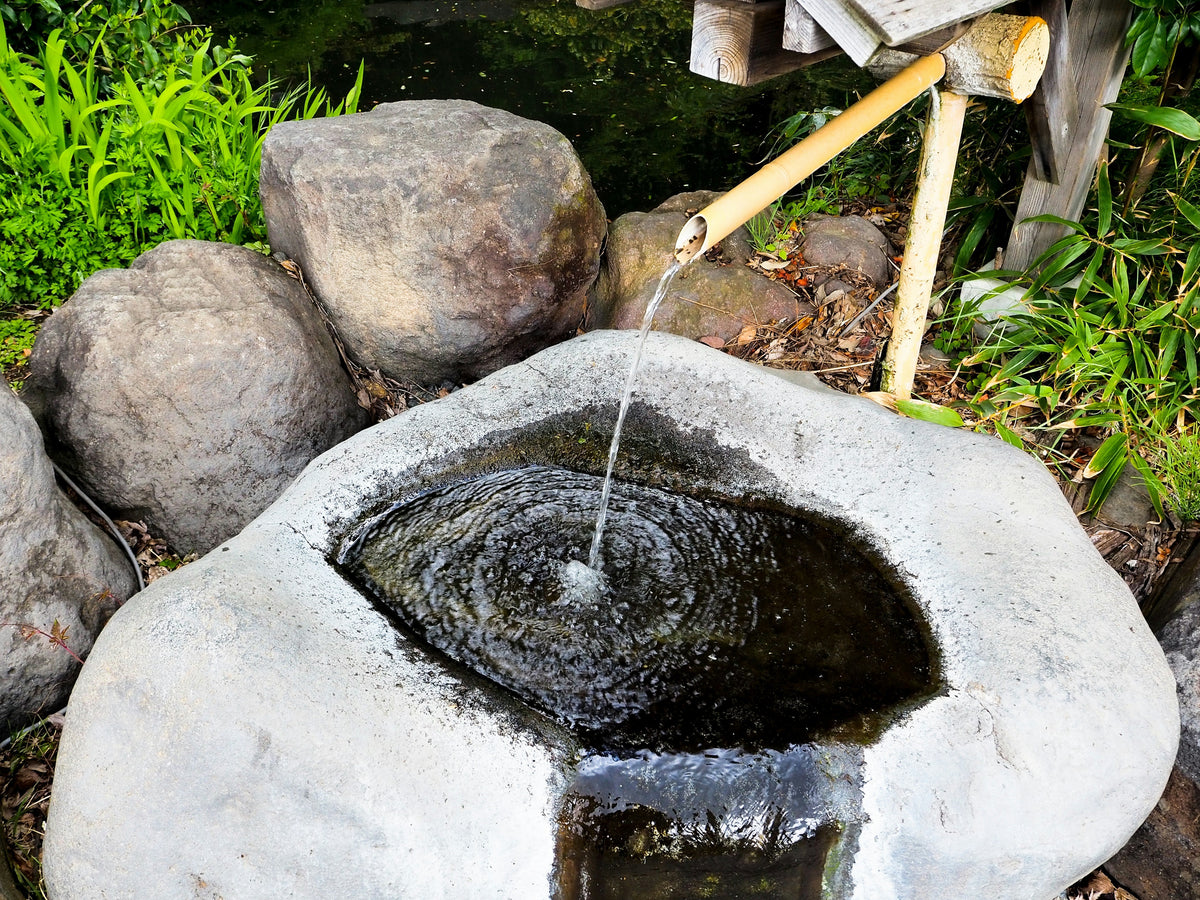
Adjust the water flow rate using the pump control or valves. Slow flow creates calm, reflective surfaces. Faster flow produces lively splashes and sounds.
- Use a valve to reduce or increase water volume.
- Change the nozzle size or angle for different water patterns.
- Test small adjustments and observe the effect each time.
Keep checking water clarity and avoid overflow. Balance flow for beauty and efficiency. Proper tuning keeps your water feature attractive and low maintenance.
Credit: www.livingwateraeration.com
Maintaining Your Water Feature
Maintaining your recirculating water feature is essential to keep it running smoothly and looking beautiful. Regular attention prevents common problems like algae buildup, pump damage, and water quality issues. A little effort goes a long way to ensure your water feature remains a relaxing focal point in your space.
Regular Cleaning And Upkeep
Cleaning your water feature weekly can save you headaches later. Remove leaves, debris, and dirt from the water and surfaces to avoid clogging the pump. Use a soft brush or cloth to scrub algae off rocks and walls gently.
Check the pump regularly to make sure it’s working well and free of blockages. If the water flow slows down, inspect the pump intake and clean it as needed. Keeping the water clear helps prevent buildup that can damage your system.
Have you noticed your water becoming cloudy or smelling odd? That’s a sign to clean more thoroughly and maybe add a water treatment designed for fountains. These treatments keep water fresh without harming plants or pets.
Seasonal Maintenance Tips
Seasons affect your water feature differently, so adjust your care routine accordingly. In colder months, draining the feature and storing the pump indoors can prevent freeze damage. Make sure to remove hoses and any detachable parts before winter.
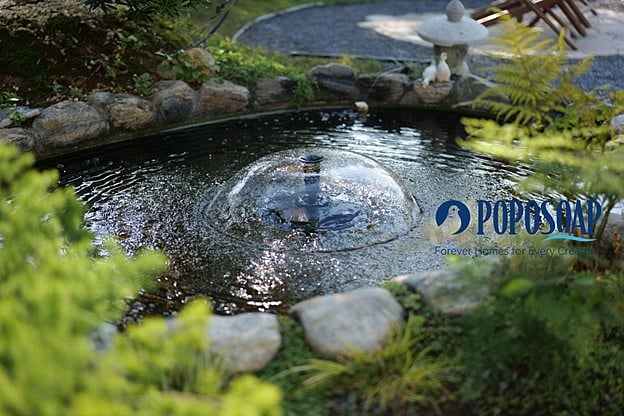
During warmer months, you might need to top off water more often due to evaporation. Keep an eye on water levels to protect the pump from running dry. Also, inspect for algae growth, which thrives in sunlight and warmth.
Preparing your water feature for seasonal changes helps avoid costly repairs. What’s your plan for keeping it in top shape as the weather shifts? Taking a few simple steps now can save you time and money later.
Credit: resident.com
Frequently Asked Questions
What Tools Are Needed To Install A Recirculating Water Feature?
You need a pump, tubing, reservoir, water basin, and a power source. Additional tools include a drill, silicone sealant, and a level for proper installation. These tools ensure a leak-free and efficient water flow system.
How Do I Choose The Right Pump For My Water Feature?
Select a pump based on your water feature’s size and height. Check the pump’s flow rate and power consumption. A suitable pump ensures steady water circulation and minimizes energy costs.
Can I Install A Recirculating Water Feature Indoors?
Yes, indoor installation is possible with proper waterproofing and drainage. Use a basin that fits your space and ensure electrical safety. Indoor features add ambiance without water waste.
How Often Should I Maintain The Water Feature Pump?
Clean and inspect the pump every 3 to 6 months. Regular maintenance prevents clogs and extends pump life. Remove debris and check tubing for leaks or damage.
Conclusion
Installing a recirculating water feature adds charm to any space. Follow each step carefully for the best results. Choose the right materials and keep safety in mind. Test the system to ensure smooth water flow. Regular maintenance helps your feature last longer.
Enjoy the peaceful sound and beauty it brings. Small effort. Big impact. Your water feature will create a relaxing atmosphere for years.

