
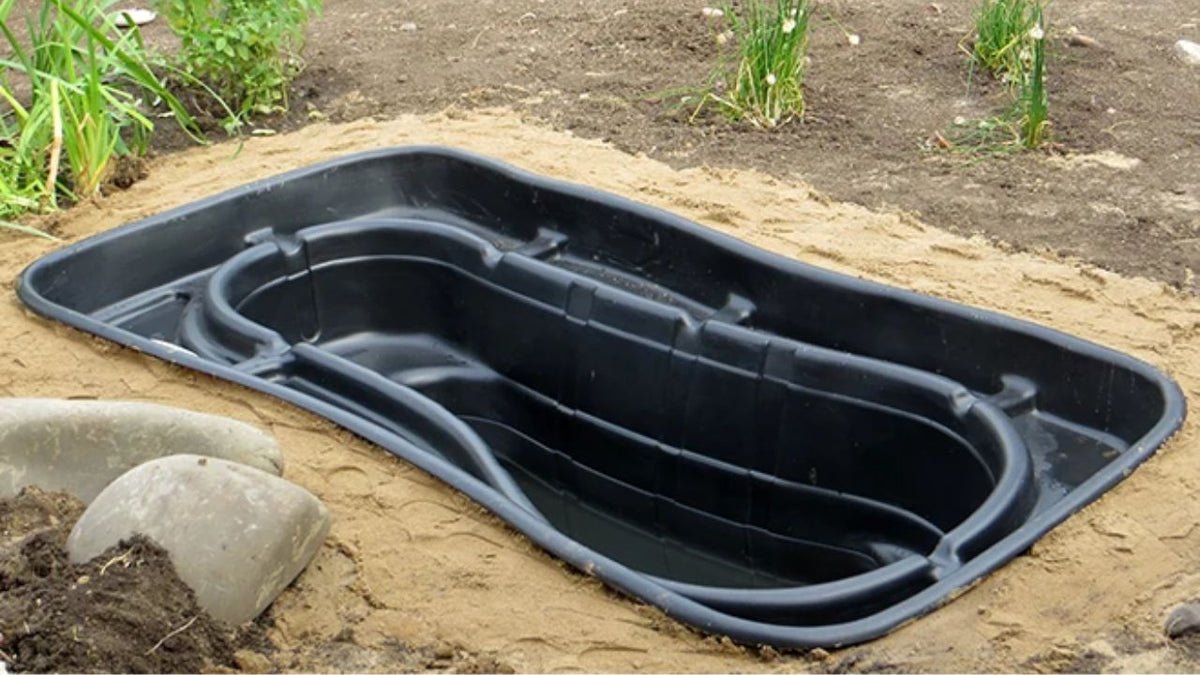
Are you ready to transform your backyard with a beautiful pond? Installing a preformed pond liner is one of the easiest ways to create a stunning water feature without the hassle of complex digging or waterproofing.
But how do you make sure it fits perfectly and lasts for years? In this guide, you’ll discover simple, step-by-step instructions to install your preformed pond liner quickly and correctly. Whether you’re a beginner or just looking for tips to avoid common mistakes, this article will help you get it right the first time.
Keep reading, and you’ll soon have a gorgeous pond that becomes the highlight of your outdoor space.
Choosing The Right Pond Liner
Choosing the right pond liner is essential for a successful pond installation. It affects the pond’s durability, appearance, and overall performance. Picking the best liner means you avoid leaks, save money, and create a healthy environment for your pond life.
Materials And Types
Pond liners come in several materials, each with its own strengths. Common options include:
- PVC:Lightweight and flexible, easy to install but less durable against sharp objects.
- EPDM Rubber:Very flexible and resistant to UV rays, making it ideal for irregular shapes and long-lasting use.
- Polyethylene:Tough and puncture-resistant but stiffer, which can make installation tricky in complex shapes.
- Preformed Plastic:Rigid and easy to place, but limited in size and shape options.
Think about your pond’s purpose and location. Will you need a liner that handles sharp stones or roots? How about exposure to sunlight? These questions help narrow down the best material for your needs.
Size And Shape Considerations
Matching the liner size and shape to your pond is crucial. Preformed liners come in fixed sizes and shapes, so measure your pond area carefully before buying.
Remember to add extra space for the edges to tuck under or overlap. This prevents water from escaping and protects the liner from damage.
Have you considered how deep and wide your pond will be? A liner too small will cause tension and tears. Too large might be difficult to fit and manage, creating folds that trap debris or cause leaks.
Gathering Necessary Tools
Gathering the right tools is the first step to install a preformed pond liner. Having everything ready makes the job easier and faster. It helps avoid interruptions and ensures a smooth installation process.
Using proper tools also protects the liner from damage. You can shape the pond perfectly with the right equipment. Preparing in advance saves time and effort.
Essential Tools List
- Measuring tape – for accurate dimensions
- Shovel – to dig the pond hole
- Garden rake – to level the base
- Utility knife – to trim excess liner
- Wheelbarrow – to move soil and materials
- Level – to check evenness of the pond base
- Rubber mallet – to gently settle the liner
- Sand or fine soil – to cushion the liner base
Safety Gear Recommendations
- Work gloves – protect hands from cuts and blisters
- Safety goggles – shield eyes from dust and debris
- Sturdy boots – prevent foot injuries on rough ground
- Knee pads – provide comfort when kneeling
- Sun protection – hat and sunscreen to avoid sunburn
Preparing The Pond Site
Preparing the pond site is a crucial stage that lays the foundation for a long-lasting and beautiful pond. Taking your time here prevents future headaches and ensures the liner fits perfectly. Your careful attention now means fewer repairs and a smoother installation process later.
Site Selection Criteria
Choose a spot with good sunlight—at least 4 to 6 hours daily—to support aquatic plants and keep the water healthy. Avoid areas under large trees to reduce leaf litter, which can quickly dirty your pond.
Check the ground stability. Soft or shifting soil can damage the liner over time. A flat or gently sloping area works best, making installation easier and water levels consistent.
Think about accessibility. Will you be able to reach the pond easily for maintenance or adding fish? Also, consider nearby power sources if you plan to install pumps or filters.
Clearing And Leveling The Area
Start by removing all debris, rocks, and roots from the site. Even small stones can puncture the pond liner, so take your time to clear thoroughly.
Next, use a shovel or rake to level the ground. Uneven spots can cause the liner to stretch or fold, leading to leaks. If you notice any sharp rocks or sticks, remove or cover them with a layer of sand for extra protection.
Once leveled, compact the soil gently to create a firm base. You want the liner to sit evenly without shifting. A smooth, stable surface will make the installation process less stressful and extend your pond’s life.
Excavating The Pond Area
Excavating the pond area is a crucial step in installing a preformed pond liner. It sets the foundation for the entire project, so accuracy and preparation are key. Taking the time to properly excavate ensures your pond liner fits perfectly and your pond will function well for years to come.
Marking The Outline
Start by clearly marking the shape of your pond on the ground. Use spray paint, garden hoses, or stakes and string to create a visible outline. This helps you visualize the pond’s size and shape before you begin digging.
Double-check the dimensions of your preformed liner and match them to your outline. Are you accounting for extra space around the edges for bedding material? Making small adjustments now saves you from costly mistakes later.
Digging Tips And Depth Guidelines
Begin digging inside the marked outline, removing soil carefully to avoid damaging the liner later. Keep the sides as smooth and even as possible to prevent uneven liner support.
Your pond’s depth depends on the type of plants and fish you want. A general rule is to dig at least 18-24 inches deep for small water plants and fish, but deeper areas (up to 36 inches) can help fish survive colder winters. Do you want a shallow edge for plants or a deeper center for fish? Plan your depth accordingly.
Keep a level tool handy to check the bottom and sides regularly. Uneven spots can cause liner stress and water pooling issues. If you hit rocks or roots, remove them completely to avoid punctures.
Positioning The Pond Liner
Positioning the pond liner is a critical step that sets the foundation for a long-lasting and visually appealing pond. If the liner isn’t placed correctly, you risk leaks, wrinkles, and an uneven surface that can affect water quality and plant growth. Taking your time here ensures your pond will hold water properly and look natural.
Placing The Liner Correctly
Start by gently unfolding the preformed pond liner near your pond site. Avoid dragging it across rough surfaces to prevent tears. Lay it loosely inside the excavated hole, allowing it to settle naturally into the shape of the pond.
Check that the liner’s edges extend beyond the pond’s perimeter by at least 12 inches. This extra material helps secure the liner in place and prevents soil from washing into the pond. Don’t worry about wrinkles at this stage—they are easier to smooth out once the liner is filled with water.
Adjusting For A Snug Fit
After placing the liner, slowly fill the pond with water. As the pond fills, observe how the liner conforms to the pond’s contours. Use your hands to gently push and smooth out any folds or creases, working from the center outwards.
If you notice areas where the liner is loose or pulling, adjust the surrounding soil or add padding underneath to support the liner evenly. A snug fit is essential to avoid stress points that can cause damage over time.
Have you ever rushed this step only to find your pond liner slipping or tearing weeks later? Taking the time to position and adjust carefully saves you from costly repairs down the road.

Credit: www.poposoapsolar.com
Filling And Securing The Liner
Filling and securing your preformed pond liner is a crucial stage that determines the pond’s stability and lifespan. It’s not just about adding water; it’s about doing it carefully to avoid damage and ensure the liner stays perfectly in place. Let’s look at how you can fill the liner gradually and secure its edges effectively.
Gradual Water Filling
Start filling your pond liner slowly. Pouring water in too quickly can create uneven pressure, causing the liner to shift or wrinkle.
Watch the liner as it fills. It should settle naturally into the shape of the hole without ballooning or folding.
Have you noticed water pooling in one area during filling? This might mean the liner isn’t sitting evenly. Stop and adjust before continuing.
Adding water gradually also helps the soil around the pond to settle gently, preventing sudden shifts that can damage the liner.
Securing Edges And Trimming Excess
Once the liner is filled and settled, focus on securing the edges firmly. Use flat stones, bricks, or landscape edging to hold the liner in place.
Make sure the liner extends beyond the pond edge by a few inches before securing it. This extra material provides a buffer against erosion and movement.
Trim any excess liner carefully, leaving enough margin to account for seasonal ground movement. Cutting too close can cause tears later on.
Have you considered how edge materials affect the pond’s look? Using natural stones not only secures the liner but also enhances your pond’s appearance.
Adding Finishing Touches
Adding finishing touches to your preformed pond liner transforms a simple water feature into a beautiful backyard centerpiece. These final steps enhance both the pond’s appearance and its ecosystem, making it inviting for wildlife and a joy for you to watch. Paying attention to details like landscaping and aquatic plants can elevate your pond from basic to breathtaking.
Landscaping Around The Pond
Start by choosing plants and materials that complement your outdoor space. Use rocks and pebbles to create a natural border around the pond’s edge; this hides the liner and prevents soil erosion.
Mix different sizes of stones for a balanced look. Add mulch or wood chips around the plants to keep weeds down and maintain moisture.
Consider placing seating nearby to enjoy the view. Have you thought about how lighting can change the pond’s mood at night? Solar-powered lights or subtle LED spots create a magical ambiance without extra wiring.
Introducing Aquatic Plants
Aquatic plants do more than beautify your pond; they help maintain water quality by absorbing excess nutrients. Choose a variety of plants such as floating lilies, submerged oxygenators, and marginal plants that grow at the water’s edge.
Plant lilies in containers to control their spread and keep the pond balanced. Submerged plants like hornwort provide oxygen for fish and reduce algae growth.
Marginal plants such as cattails or iris add vertical interest and offer shelter for pond wildlife. Have you noticed how a well-planted pond attracts birds and frogs? It’s a sign your ecosystem is thriving.

Credit: www.bpmgeomembrane.com
Maintenance Tips
Maintaining your preformed pond liner is essential to keep your pond looking beautiful and functioning well. Regular care prevents damage and helps avoid costly repairs. Let’s look at some practical tips that make upkeep manageable and effective.
Regular Cleaning And Upkeep
Remove leaves, algae, and debris from the pond surface frequently. Using a net or skimmer makes this task easier and prevents clogging. Try to clean the liner gently with a soft brush or sponge to avoid scratching the surface.
Check the water quality often. Clear, balanced water helps protect the liner and supports healthy aquatic life. Consider installing a simple filtration system to reduce dirt buildup and keep the pond fresh.
Have you noticed slippery spots or discoloration on your liner? These can signal algae growth or wear. Spot clean these areas promptly to extend the liner’s life.
Seasonal Care Advice
Prepare your pond for winter by removing excess debris and trimming back plants near the edges. This prevents damage from freezing water and heavy snow. If you live in very cold climates, think about using a pond heater or de-icer to protect your liner.
In spring, inspect the liner for cracks or tears caused by frost. Repair any damage quickly with a patch kit to stop leaks. Refilling your pond after winter also refreshes the water and helps maintain balance.
Have you ever skipped seasonal checks and faced unexpected pond issues? Taking time to care for your pond according to the seasons can save you headaches and money.

Credit: www.pond-planet.co.uk
Frequently Asked Questions
What Tools Are Needed To Install A Preformed Pond Liner?
You need a shovel, level, measuring tape, sand or fine soil, and a garden hose. These tools help create a smooth base and proper fitting for the liner.
How Do You Prepare The Ground For A Pond Liner?
Clear debris and level the area. Remove sharp stones and roots. Add a sand layer to cushion the liner and prevent punctures.
Can Preformed Pond Liners Be Installed On Uneven Ground?
No, uneven ground can cause damage. The surface must be level and smooth to ensure proper liner fit and pond stability.
How Long Does It Take To Install A Preformed Pond Liner?
Installation typically takes 2-4 hours, depending on pond size and site conditions. Proper preparation speeds up the process and ensures success.
Conclusion
Installing a preformed pond liner is simple with the right steps. Prepare the area carefully and place the liner gently. Secure edges and add water slowly to avoid damage. Regular checks keep your pond safe and clean. Enjoy your beautiful pond, knowing it will last long.
This guide helps you create a strong, leak-free pond easily. Your garden will have a lovely water feature in no time. Just follow the steps, and success is sure.

