
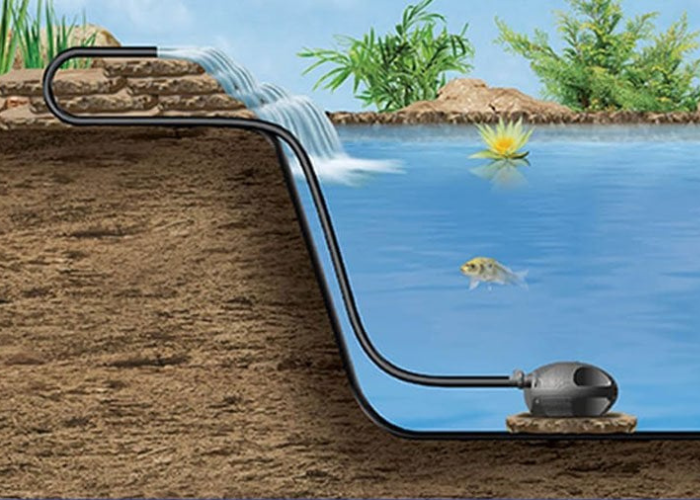
Are you ready to give your pond a fresh boost with a powerful pump? Installing a pond pump might sound tricky, but with the right steps, you can do it quickly and easily.
Imagine clear, flowing water that keeps your pond healthy and beautiful all year round. In this guide, you’ll discover simple instructions that anyone can follow—no special skills needed. Keep reading, and by the end, you’ll have your pump running smoothly, making your pond the envy of your neighborhood.
Let’s dive in and get your pond pumping!

Credit: splashsupplyco.com
Choosing The Right Pond Pump
Choosing the right pond pump is crucial for keeping your pond healthy and beautiful. A pump that doesn’t fit your pond’s size or needs can cause problems like poor water circulation or excessive energy costs. You want a pump that works efficiently, fits your budget, and matches your pond’s unique features.
Types Of Pond Pumps
There are several types of pond pumps, each designed for different purposes. Knowing which type suits your pond helps you avoid unnecessary hassles later.
- Submersible Pumps:These sit underwater and are great for small to medium ponds. They’re quiet and easy to install but may require occasional cleaning.
- External Pumps:Installed outside the pond, these pumps are more powerful and easier to service. They work well for larger ponds or when you need higher water flow.
- Solar Pumps:Powered by sunlight, these are eco-friendly and cost-effective over time. However, they depend on weather and may not work well during cloudy days.
Factors To Consider
Picking the right pump isn’t just about type. You need to consider several factors to ensure your pond stays healthy and attractive.
- Flow Rate:This tells you how much water the pump moves per hour. Calculate your pond’s volume and choose a pump that can circulate the entire volume at least once every two hours.
- Energy Efficiency:Pumps run constantly, so energy use affects your bills. Look for pumps that balance power and efficiency to save money over time.
- Noise Level:If your pond is near your living space, a quiet pump makes a big difference. Submersible pumps tend to be quieter than external ones.
- Durability and Maintenance:A pump that breaks down often means extra costs and hassle. Choose models with good reviews and easy access to spare parts.
- Compatibility with Features:If you want a waterfall or fountain, ensure the pump can handle the extra pressure and flow requirements.
Have you ever bought a pump only to find it too weak or too loud? Taking time to match your pump to your pond’s specific needs prevents those costly mistakes. Think about your pond’s size, the features you want, and how much effort you want to spend maintaining the pump before making your choice.

Credit: www.youtube.com
Gathering Necessary Tools And Materials
Before you start installing your pond pump, gathering the right tools and materials is essential. Missing a key item mid-installation can be frustrating and cause unnecessary delays. Having everything ready keeps the process smooth and efficient.
Essential Tools For Pump Installation
Make sure you have a reliable screwdriver set, pliers, and a wrench. These basic tools help you connect fittings and secure the pump properly. A utility knife is also handy for trimming tubing or cords.
Materials You’ll Need
- Pond pump:Choose one that suits your pond size and water flow needs.
- Tubing or hose:Match the diameter to your pump’s outlet for a tight fit.
- Hose clamps:These keep the tubing firmly attached to the pump.
- Power source extension cord:Use a waterproof outdoor-rated cord if the outlet is far.
- Pre-filter or pump guard:Protects the pump from debris and prolongs its life.
Why Preparation Saves Time
I once started installing a pump only to realize I forgot hose clamps. Running to the store mid-job wasted more time than the entire installation would have taken. Gathering everything beforehand means you won’t have to stop and scramble for missing parts.
Checking Compatibility Of Components
Have you checked if your tubing fits your pump outlet snugly? Loose connections can cause leaks or reduce water flow. Take a moment to verify sizes and compatibility before you begin.
Preparing The Installation Area
Preparing the installation area is crucial for a smooth pond pump setup. It helps the pump work well and last longer. A clean and well-planned space prevents clogs and damage. Take time to get the area ready before placing the pump. This step ensures better water flow and reduces maintenance.
Cleaning The Pond
Remove debris like leaves, sticks, and algae from the pond. Use a net or pond vacuum to clear the surface and bottom. Clean water helps the pump run smoothly without blockages. Avoid stirring up dirt too much to keep the water clear. Clean the pond regularly before installing the pump.
Positioning The Pump
Place the pump on a flat, stable surface inside the pond. Avoid uneven ground that can tilt or damage the pump. Position it near the water source for easy access and good flow. Keep the pump away from heavy debris areas to prevent clogging. Ensure the pump is fully submerged according to the manual. Proper positioning improves efficiency and pump life.
Installing The Pump
Installing the pump is a crucial part of setting up your pond’s circulation system. This step ensures that water flows smoothly, keeping your pond clean and healthy. Proper installation not only improves the pump’s efficiency but also extends its lifespan.
Connecting The Tubing
Start by selecting the right tubing size that fits your pump’s outlet securely. A loose connection can cause leaks or reduced water flow, so make sure the tubing fits snugly.
Use hose clamps to tighten the tubing around the pump’s outlet. This prevents the tubing from slipping off during operation.
Think about the tubing length carefully—too long and you lose pressure; too short and it may kink or pull. Have you checked your tubing path to avoid sharp bends or obstacles?
Securing The Pump
Place the pump on a stable, flat surface inside the pond to prevent it from tipping over. Rocks or a pump base can help stabilize it.
Keep the pump submerged according to the manufacturer’s guidelines for optimal cooling and performance. Submerging it too shallowly might cause overheating, while too deep can restrict water flow.
Ensure the power cable is safely routed out of the pond and away from any sharp edges. How will you protect your pump’s wiring from damage or accidental disconnection?
Testing The Pump
Testing the pond pump is a crucial step after installation. It ensures the pump runs smoothly and delivers the right water flow. Proper testing helps avoid damage and extends the pump’s life. Follow these simple checks to confirm the pump works well.
Checking Water Flow
Turn on the pump and watch the water movement. The water should flow steadily without interruptions. Look for any air bubbles or sputtering sounds. These might mean air is trapped or the pump is clogged. Check the water pressure at the outlet. It should match the pump’s specifications. Low flow may signal a blocked filter or hose.
Adjusting The Settings
Many pumps have adjustable settings to control flow speed. Use the control dial or switch to set the desired flow. Start with a low setting and increase gradually. Watch how the water responds to each change. Adjust until the flow matches your pond’s needs. Ensure the pump is not running too fast, which wastes energy and can harm fish.
Credit: www.poposoapsolar.com
Maintaining Your Pond Pump
Maintaining your pond pump ensures it runs smoothly and lasts longer. Regular care prevents breakdowns and keeps water clear. Simple steps help avoid costly repairs and keep your pond healthy.
Regular Cleaning
Clean your pond pump often to remove debris and dirt. Remove the pump from the pond carefully. Rinse the pump housing and impeller with fresh water. Use a soft brush to clear away algae and buildup. Avoid harsh chemicals that can damage the pump. Check the intake screen for blockages and clean it well. Dry the pump before reinstalling it in the pond.
Troubleshooting Common Issues
Watch for signs like low water flow or strange noises. Check if the power supply is stable and the cord is intact. Remove any debris blocking the pump or tubing. Inspect the impeller for damage or wear and replace if needed. Ensure the pump is fully submerged to prevent overheating. Reset the pump if it has a built-in safety switch. Keep a maintenance log to track issues and fixes.
Frequently Asked Questions
What Tools Are Needed To Install A Pond Pump?
You need a screwdriver, pliers, a hose, and a power source. These tools help secure and connect the pump properly. Having these ready ensures a smooth installation process.
How Do I Choose The Right Pond Pump Size?
Select a pump that circulates the pond’s total water volume every hour. Check your pond’s size and depth to determine flow rate. Proper sizing ensures efficient water movement and pond health.
Where Should I Place The Pond Pump For Best Results?
Place the pump near the pond’s deepest point, submerged fully. Ensure it’s stable and away from debris to avoid clogging. Proper placement maximizes water circulation and pump longevity.
Can I Install A Pond Pump Without Professional Help?
Yes, installing a pond pump is straightforward with basic tools and instructions. Follow safety guidelines and manufacturer steps carefully. Most DIYers can complete the installation in under an hour.
Conclusion
Installing a pond pump is easier than it seems. Follow each step carefully and take your time. A good pump keeps water clean and healthy for fish and plants. Check the pump regularly to avoid any problems. Clean the filter often to keep it running well.
With the right setup, your pond will stay beautiful all year. Enjoy the soothing sound of flowing water in your garden. Small effort brings big rewards for your outdoor space.

