
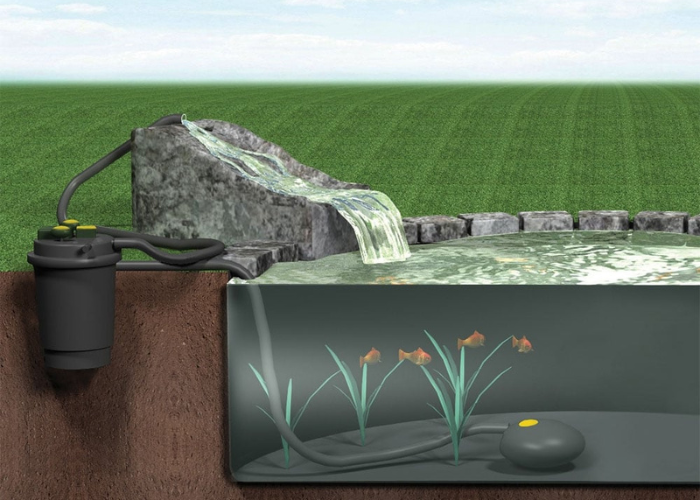
If you want clear, healthy water in your pond, installing a pond filter is the key. You might think it’s complicated, but it’s easier than you expect.
Imagine enjoying a sparkling pond without worrying about algae or murky water. In this guide, you’ll learn simple steps to set up your pond filter quickly and correctly. By the end, your pond will look better and feel fresher, making it a beautiful spot you can truly enjoy.
Keep reading, and let’s get started on transforming your pond!

Credit: www.pond-planet.co.uk
Choosing The Right Pond Filter
Choosing the right pond filter is essential for keeping your pond clean and healthy. A good filter helps remove dirt, debris, and harmful substances. It also supports clear water and a balanced ecosystem. Selecting the best filter depends on your pond size, type, and the fish or plants you have.
Types Of Pond Filters
There are several types of pond filters. Each serves a different purpose and suits various pond setups.
- Mechanical Filters:These remove solid waste like leaves and dirt.
- Biological Filters:They use beneficial bacteria to break down harmful chemicals.
- UV Clarifiers:These filters use ultraviolet light to kill algae and pathogens.
- Combined Filters:They offer both mechanical and biological filtration in one unit.
Factors To Consider When Selecting A Filter
Several factors affect your choice of pond filter. Consider these points carefully.
- Pond Size:Larger ponds need bigger or multiple filters.
- Fish Load:More fish produce more waste, requiring stronger filtration.
- Water Flow Rate:Match the filter flow rate to your pond’s volume.
- Maintenance:Choose filters that are easy to clean and maintain.
- Power Source:Some filters need electricity, others work naturally.
- Budget:Balance cost with quality and filter efficiency.

Credit: www.youtube.com
Gathering Necessary Tools And Materials
Before you dive into installing your pond filter, gathering the right tools and materials is crucial. Having everything ready saves time and prevents frustration during the setup. It also helps you avoid those annoying mid-project trips to the hardware store.
Essential Tools For Installation
To install a pond filter effectively, you’ll need a handful of basic tools. These tools help you handle the filter components, secure connections, and manage water flow with ease.
- Screwdriver set:Both flathead and Phillips screwdrivers are essential for tightening clamps and assembling parts.
- Adjustable wrench:Useful for tightening nuts and bolts without damaging them.
- Utility knife:Perfect for cutting tubing or trimming filter media as needed.
- Measuring tape:Helps you measure pipe lengths and ensure proper placement of the filter.
- Bucket or container:Handy for holding water or rinsing filter components during installation.
Have you ever started a project only to realize a simple tool was missing? Avoid that by checking your toolbox now.
Required Materials For Setup
Beyond tools, the right materials make your pond filter work efficiently and last longer. These components are vital to creating a clean and healthy environment for your pond.
- Pond filter unit:Choose one that fits your pond size and type.
- Filter media:Includes sponges, bio-balls, or foam pads to trap debris and promote beneficial bacteria growth.
- Flexible tubing:Connects your pump to the filter and the filter outlet back to the pond.
- Hose clamps:Secure tubing connections to prevent leaks.
- Water pump:Provides the necessary flow to push water through the filter.
- Sealant or waterproof tape:Useful for sealing joints or leaks.
Think about the specific needs of your pond. Are you dealing with heavy debris or algae? This will influence the type of filter media you select.
Preparing The Pond Area
Preparing the pond area is essential before installing your pond filter. This step ensures the filter works efficiently and keeps your pond water clear and healthy. Taking time here saves you from common problems later and makes maintenance easier.
Cleaning The Pond
Start by removing leaves, algae, and debris from the pond surface and bottom. Use a net or pond vacuum to clear out dirt that can clog the filter quickly. Don’t forget to clean any rocks or plants gently to avoid disturbing your pond’s ecosystem.
Check the water quality after cleaning. Clear water helps the filter operate better and shows you if the pond needs more care. Have you noticed how a clean pond attracts more wildlife? That’s a sign your filter will have less work to do.
Positioning The Filter
Choose a spot near the pond edge where the filter can easily connect to the pump and water flow. The filter should sit on a flat, stable surface to avoid tipping or shifting over time. Positioning it too far can reduce water circulation and filter efficiency.
Consider accessibility for regular cleaning and maintenance. Would you want to wrestle with heavy equipment every time you check the filter? Placing it within arm’s reach saves effort and keeps your pond healthier longer.

Credit: www.youtube.com
Installing The Pond Filter
Installing the pond filter correctly is crucial for maintaining clear, healthy water and a thriving aquatic environment. Taking time to set up each part carefully ensures your filter works efficiently from day one. Let’s break down the process into manageable steps that anyone can follow.
Assembling The Filter Components
Start by unpacking all the filter parts and laying them out in a clean, dry space. Check the manual for any specific assembly instructions unique to your model.
Typically, you’ll need to:
- Insert the filter media (such as sponges, bio balls, or foam pads) into the designated compartments.
- Secure any lids or covers tightly to prevent leaks.
- Attach hoses or connectors that come with the filter kit.
Pay close attention to how the media stacks inside the filter. I once placed the foam pad upside down, which reduced water flow significantly. Small details like this can affect performance, so double-check your setup before moving on.
Connecting The Filter To The Pump
After assembling the filter, it’s time to link it to your pond pump. This connection allows water to flow through the filter media, trapping debris and promoting beneficial bacteria growth.
Follow these tips for a secure connection:
- Attach the outlet hose from the pump to the filter’s inlet securely, using clamps if provided.
- Ensure there are no sharp bends or kinks in the hose, as these can restrict water flow.
- Position the filter so it sits slightly higher than the pump to prevent backflow, unless your model specifies otherwise.
Have you noticed your pump struggling or making noise? It might be due to poor hose connections or improper positioning. Adjusting these can save you from unnecessary headaches and keep your pond water crystal clear.
Testing The Filter System
Testing the pond filter system is a key step after installation. It ensures the filter works correctly and protects your pond’s water quality. Proper testing helps spot problems early. This prevents damage to fish and plants. Take your time during this phase for best results.
Checking For Leaks
Start by inspecting all connections and seals. Look closely at hoses, joints, and filter housing. Water dripping or pooling means a leak. Tighten fittings or replace faulty parts to stop leaks. Even small leaks reduce filter efficiency and waste water.
Ensuring Proper Water Flow
Watch the water movement through the filter system. Water should flow smoothly without blockages or stops. Listen for unusual noises like gurgling or sputtering. These may signal air trapped or clogged filters. Adjust flow rates as needed to maintain steady circulation. Proper flow keeps water clean and healthy for pond life.
Maintaining Your Pond Filter
Maintaining your pond filter is essential for clear, healthy water. A well-kept filter removes debris and harmful substances efficiently. Regular care extends the filter’s life and keeps your pond thriving.
Simple steps can prevent clogs and damage. Consistent attention makes a big difference in water quality and fish health.
Regular Cleaning Schedule
Clean the filter every 2 to 4 weeks. Remove debris like leaves and algae from the filter media. Rinse the filter parts with pond water to keep beneficial bacteria alive. Avoid using tap water, which can kill helpful microbes. Check the pump and hoses for blockages. Clear any dirt or buildup to maintain good water flow. A clean filter works faster and lasts longer.
Seasonal Maintenance Tips
Prepare your pond filter for each season’s changes. In spring, deep clean the filter and replace worn parts. Remove excess mud and sludge to improve water clarity. During summer, check the filter more often due to algae growth. In fall, clear fallen leaves to avoid clogging the filter. Winterize your filter by removing or protecting it from freezing. Store delicate parts indoors if needed to prevent damage. Seasonal care ensures your filter performs well year-round.
Frequently Asked Questions
What Tools Do I Need To Install A Pond Filter?
You need a pond filter, pump, hose, clamps, and screwdriver. These tools help ensure a secure and efficient installation process.
How Often Should I Clean My Pond Filter?
Clean your pond filter every 4 to 6 weeks. Regular cleaning maintains water quality and prolongs the filter’s lifespan.
Can I Install A Pond Filter Myself?
Yes, installing a pond filter is a DIY task. Follow the instructions carefully for optimal setup and performance.
Where Should I Place The Pond Filter?
Place the pond filter near the pond’s edge. Ensure it’s accessible for maintenance and close to the pump outlet.
Conclusion
Installing a pond filter helps keep water clean and clear. It improves fish health and reduces algae growth. Follow each step carefully for the best results. Regular cleaning keeps the filter working well over time. A clean pond creates a healthy environment for plants and animals.
Enjoy your peaceful, beautiful pond all year round. Taking simple care steps makes a big difference. Start your pond filter installation today and see the change.

