
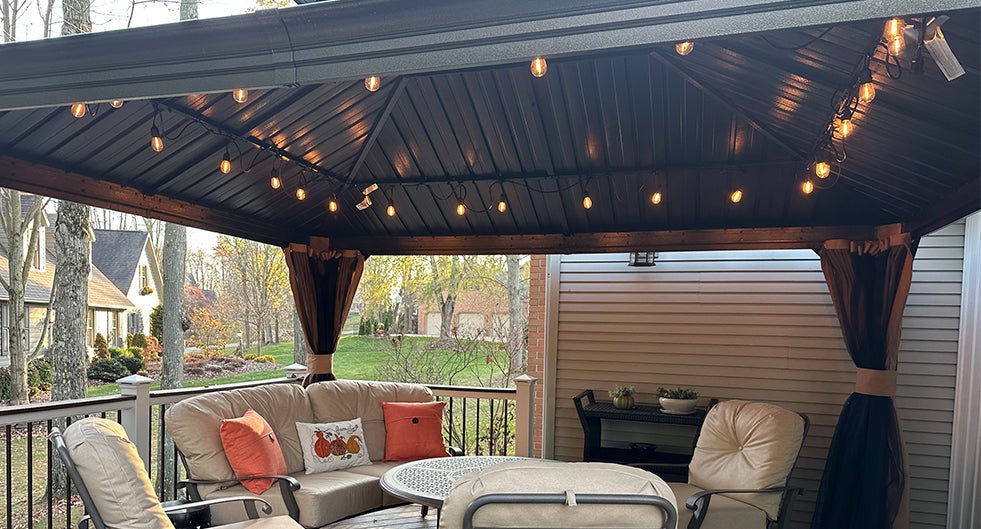
Imagine stepping into your backyard gazebo as the sun sets, the soft glow of lights creating a warm, inviting space just for you. Installing lights for night use in your gazebo can transform it from a simple outdoor structure into your favorite evening retreat.
But how do you choose the right lights and set them up safely? In this guide, you’ll discover easy steps to brighten your gazebo, making every night outdoors more enjoyable. Keep reading to learn how to bring your outdoor space to life after dark!

Credit: www.festive-lights.com
Choosing The Right Lights
Choosing the right lights for your gazebo creates a warm, inviting space at night. The type of lighting affects the atmosphere, safety, and energy use. Consider lights that suit your style, budget, and outdoor conditions. Proper lighting enhances the beauty and function of your gazebo.
Types Of Lights Suitable For Gazebos
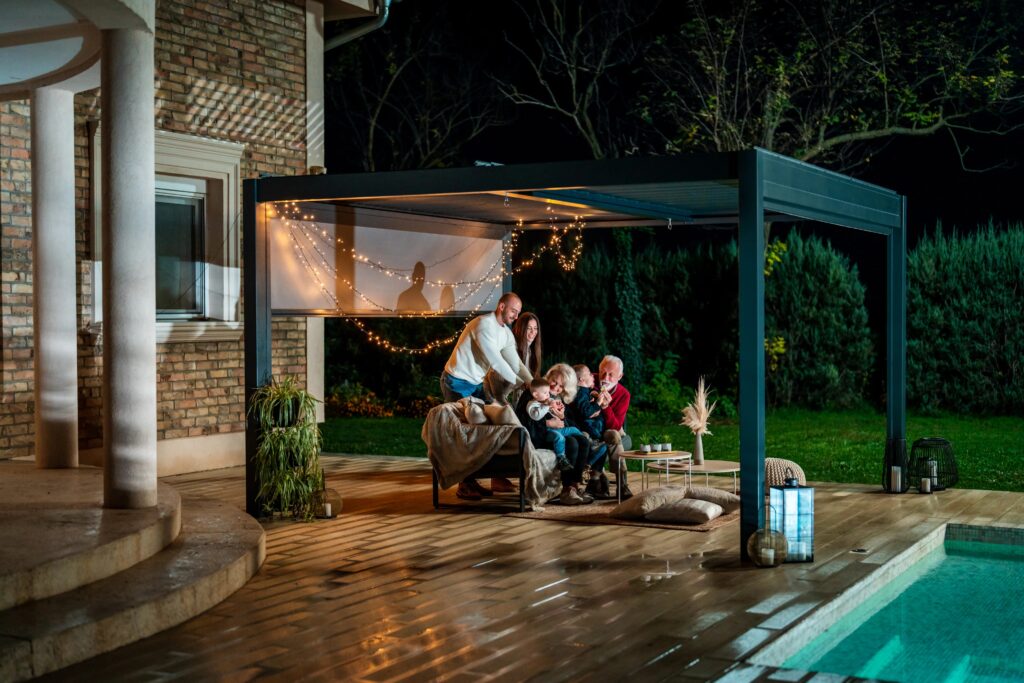
String lights add charm and soft lighting to any gazebo. They are easy to install and create a cozy feel.
Lanterns offer a classic look and can be hung or placed on tables. Battery-powered or solar lanterns work well outdoors.
LED strips provide bright, flexible light and can be attached along beams or railings.
Spotlights highlight plants or architectural features around your gazebo.
Energy Efficiency Considerations
LED lights use less electricity and last longer than traditional bulbs. They keep energy costs low and reduce bulb replacements.
Solar-powered lights use sunlight, requiring no wiring or electricity. They are eco-friendly and easy to install.
Choose timers or motion sensors to control when lights turn on and off. This prevents waste and saves power.
Weather Resistance And Durability
Outdoor lights need to withstand rain, wind, and sun exposure. Look for waterproof or weatherproof ratings.
Materials like stainless steel, plastic, and treated wood resist rust and damage better.
Secure fixtures tightly to avoid damage from strong winds. Choose lights designed for outdoor use to ensure safety.
Planning Your Lighting Layout
Planning your lighting layout is the foundation for creating a cozy and functional nighttime space in your gazebo. Thoughtful planning helps you avoid dark corners and harsh shadows, making your gazebo inviting and safe after sunset. Let’s dive into how to map out your lighting effectively before you start installing.
Assessing Gazebo Size And Shape
Start by measuring your gazebo’s dimensions carefully. Is it a compact square, a large rectangle, or maybe an octagonal shape? The size and shape will influence how many lights you need and where they should go.
Think about the activities you’ll do inside. Will you be dining, reading, or just relaxing? Different uses might require different lighting intensities. For example, a smaller gazebo might only need a couple of well-placed lights, while a larger one could benefit from multiple fixtures.
Determining Light Placement
Once you know your gazebo’s size and shape, consider where to place the lights. Key spots usually include the ceiling center, corners, and entry points. You want light where people gather and move.
Try sketching a simple floor plan and mark potential light spots. Ask yourself: Will the light shine directly into people’s eyes? Is there a way to hide wiring without sacrificing brightness? Personal experience taught me that placing lights too low can create glare, so aim for elevated or recessed fixtures.
Ensuring Even Light Distribution
Even light distribution prevents harsh shadows and creates a welcoming atmosphere. To achieve this, space your lights evenly and consider using diffusers or lanterns that soften the glow.
Mix different types of lighting, like overhead lights with string lights or wall sconces, to balance brightness. Have you noticed how a few well-placed lights make a space feel larger and more comfortable? That’s the effect you want to aim for.
Gathering Necessary Tools And Materials
Gathering the right tools and materials is the first step to install lights in your gazebo for night use. Having everything ready saves time and ensures a smooth process. Knowing what to prepare can make your project easier and safer.
List Of Essential Tools
- Electric drill with drill bits
- Wire cutters and strippers
- Screwdrivers (flathead and Phillips)
- Measuring tape
- Voltage tester
- Hammer
- Ladder
- Electrical tape
- Wire nuts or connectors
Selecting Proper Wiring And Fixtures
Choose weather-resistant wiring designed for outdoor use. Look for wires labeled as “UF” or “outdoor-rated.” Select LED fixtures for energy efficiency and long life. Consider waterproof or sealed light fixtures to protect against rain. Pick lights with warm tones for a cozy atmosphere. Decide on fixture placement before buying materials.
Safety Equipment
- Insulated gloves to prevent electric shock
- Safety goggles to protect your eyes
- Non-slip shoes for stable footing
- Dust mask if drilling creates dust
- First aid kit for minor injuries

Credit: serwalloutdoor.com
Preparing The Gazebo For Installation
Clear the installation area and ensure the gazebo structure is stable and secure. Gather all necessary tools and lighting materials before starting the setup.
Preparing your gazebo for lighting installation is an important step that sets the stage for a successful setup. By paying attention to a few key areas, you can ensure that the process is smooth and efficient. Let’s dive into the essential tasks you need to tackle before installing lights in your gazebo.Cleaning And Clearing The Area
Before you start installing lights, take time to clean your gazebo thoroughly. Remove any debris, dust, or cobwebs that might have accumulated. This not only makes the space more inviting but also ensures that the lights will adhere properly. Consider using a mild detergent and water to scrub down surfaces if needed. It’s amazing how a clean space can transform the overall ambiance of your gazebo. Plus, it gives you a clear view of where you’ll be working, reducing the risk of accidents.Checking Electrical Supply
Once your gazebo is clean, the next step is to check the electrical supply. Ensure that you have a reliable power source nearby. If your gazebo doesn’t have built-in wiring, you might need to use extension cords or solar-powered lights. Make sure any electrical equipment you use is outdoor-rated to withstand weather conditions. It’s also wise to test all lights and connections before installation. This proactive step saves you time and frustration later.Marking Installation Points
With a clean space and a ready electrical supply, it’s time to mark where you’ll install your lights. Think about the effect you want to achieve. Do you want a soft glow or bright illumination? Use a pencil or chalk to mark spots for hooks or clips, ensuring they’re evenly spaced for a balanced look. This planning phase allows you to visualize the outcome and make adjustments as needed. It’s these small details that elevate your gazebo from ordinary to extraordinary.Installing The Lights Step-by-step
Installing lights in your gazebo creates a warm and inviting space at night. Proper installation ensures safety and durability. Follow these clear steps to add lighting that lasts and looks great.
Mounting Fixtures Securely
Choose fixtures designed for outdoor use. Attach them firmly to the gazebo’s frame. Use screws or brackets that fit your fixture type. Check that each fixture is level and stable. Avoid placing lights where water can pool or drip.
Running Electrical Wiring Safely
Use outdoor-rated wiring and cables. Keep wires away from walkways and sharp edges. Secure wires with clips or cable ties along beams or posts. Hide wiring inside conduit or protective tubing when possible. Double-check all connections for tightness and insulation.
Connecting To Power Source
Locate a nearby outdoor power outlet or circuit. Use a weatherproof extension cord if needed. Connect wires to a GFCI-protected source to prevent electrical shocks. Test the connection before finalizing installation. Turn off power during wiring for safety.
Testing And Adjusting The Lighting
Testing and adjusting the lighting in your gazebo ensures a comfortable and safe night atmosphere. Proper checks help avoid electrical issues and improve light placement. Adjusting brightness and angles tailors the lighting to your needs. Troubleshooting fixes common problems for smooth operation.
Performing Safety Checks
Start by turning on all lights to verify power flow. Inspect wires for damage or loose connections. Ensure all bulbs are secure and working. Confirm that outdoor-rated fixtures are properly sealed. Check circuit breakers to prevent overloads. Safety checks prevent hazards and prolong light life.
Adjusting Brightness And Angles
Test each light’s brightness to avoid glare or darkness. Use dimmers for flexible light control. Adjust fixtures to cover key areas like seating or pathways. Tilt lights to reduce shadows and highlight features. Balance bright and soft lighting for a cozy effect. Proper angles improve visibility and ambiance.
Troubleshooting Common Issues
Lights not turning on? Check power source and switches first. Flickering lights may need bulb replacement or tighter connections. Overheating fixtures require better ventilation or lower watt bulbs. If lights are uneven, reposition or add more fixtures. Regular maintenance solves most lighting problems quickly.
Maintaining Your Gazebo Lighting
Maintaining your gazebo lighting ensures your outdoor space stays inviting and safe after dark. Proper care extends the life of your fixtures and keeps your lighting bright and functional. Neglecting maintenance can lead to dim lights or electrical issues that spoil your relaxing evenings.
Regular Cleaning Tips
Dust, dirt, and spider webs can quickly dull your gazebo lights. Clean the bulbs and fixtures with a soft cloth and mild soap solution every few weeks. Avoid harsh chemicals that might damage the finish or wiring.
Check for moisture buildup, especially if your gazebo is open to the elements. Wipe down lenses and covers to keep the light clear and bright. Have you noticed how a simple cleaning can instantly improve the glow?
Replacing Bulbs And Components
Keep spare bulbs and parts handy to avoid darkness when a bulb burns out. Match the replacement bulbs to the original wattage and type to prevent electrical problems. LED bulbs are a great choice because they last longer and use less energy.
Inspect wiring and sockets regularly for signs of wear or corrosion. If you spot frayed wires or loose connections, replace or repair them immediately. Never overlook these small fixes—they prevent bigger hazards.
Seasonal Maintenance Advice
Different seasons bring unique challenges to your gazebo lighting. In winter, protect your lights from snow and ice buildup by gently brushing off heavy layers. In summer, watch for insect nests or leaves that might block fixtures.
Consider adjusting your lighting angle or adding weatherproof covers as the seasons change. This simple step can significantly reduce damage and keep your space inviting year-round. How could a seasonal check-up improve your outdoor nights?
Credit: progolas.com
Frequently Asked Questions
What Type Of Lights Work Best For Gazebos At Night?
LED string lights and solar-powered lanterns work best. They are energy-efficient, weather-resistant, and easy to install. These lights create a cozy, warm ambiance ideal for nighttime use in gazebos.
How Do I Safely Install Electrical Lights In A Gazebo?
Use outdoor-rated wiring and waterproof connectors. Turn off power before installation. Secure cables to avoid tripping hazards. Consider hiring a licensed electrician for complex setups to ensure safety and code compliance.
Can I Use Solar Lights For Gazebo Night Lighting?
Yes, solar lights are ideal for gazebos. They require no wiring, are eco-friendly, and automatically turn on at dusk. Ensure solar panels receive sufficient sunlight during the day for optimal performance.
What’s The Best Way To Power Gazebo Lights At Night?
Use outdoor electrical outlets with GFCI protection or solar-powered lights. Battery-operated LED lights are also good. Choose power options based on convenience, safety, and your gazebo’s location.
Conclusion
Installing lights in your gazebo makes night use safe and enjoyable. Choose the right lights for brightness and style. Secure wiring carefully to avoid accidents. Test the lights before final setup. Enjoy evenings outdoors with soft, warm lighting. Simple steps bring comfort and charm to your space.
Now, your gazebo shines bright after dark.

