
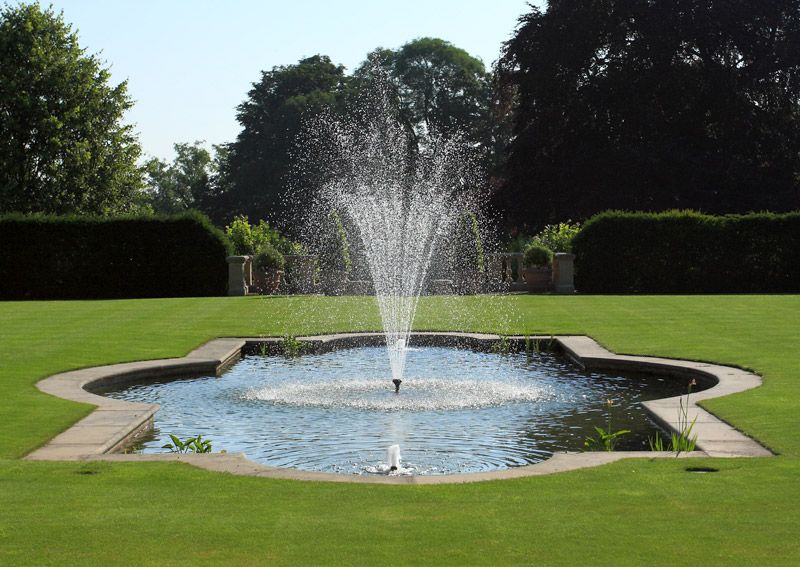
Are you ready to transform your outdoor space into a peaceful retreat? Installing a garden fountain can bring soothing sounds and a beautiful focal point right to your backyard.
You might think it’s complicated, but with the right steps, you can set up your own fountain quickly and easily. In this guide, you’ll discover simple tips and tricks to get your garden fountain up and running without any stress.
Keep reading, and soon you’ll enjoy the calming flow of water that makes your garden truly special.

Credit: www.angi.com
Choosing The Right Fountain
Choosing the right garden fountain sets the tone for your outdoor space. It affects the look and feel of your garden. The perfect fountain blends with your landscape and reflects your style. Consider several factors to find one that fits your needs. Think about size, style, and material. These details help you pick a fountain that lasts and looks great.
Types Of Garden Fountains
Garden fountains come in various types. Some popular ones include:
- Tiered Fountains:Classic design with water flowing down levels.
- Wall Fountains:Attach to walls, saving space and adding charm.
- Pond Fountains:Suitable for larger areas with ponds or pools.
- Spouting Fountains:Shoot water upwards for a dramatic effect.
- Solar Fountains:Powered by sunlight, eco-friendly and easy to install.
Size And Style Considerations
Size matters for garden fountains. Choose one that fits your space without overpowering it. Small gardens suit compact fountains. Large gardens can handle bigger, bold pieces. Style should match your garden’s theme. Modern, rustic, or traditional styles create different moods. Pick a fountain that complements your plants and decor. This harmony creates a peaceful, inviting atmosphere.
Material Options
Materials affect the fountain’s durability and look. Common materials include:
- Stone:Strong and classic, adds natural charm.
- Concrete:Durable and versatile, can mimic stone.
- Metal:Sleek and modern, may need rust protection.
- Resin:Lightweight and affordable, easy to move.
- Ceramic:Colorful and artistic, but fragile.
Choose materials that suit your climate and maintenance ability. Durable materials reduce repair needs. This keeps your fountain beautiful for years.

Credit: www.aquascapeinc.com
Selecting The Location
Choosing the right spot for your garden fountain is important. The location affects how well the fountain works and how it looks in your garden. Consider sunlight, ground level, and power access carefully. These factors help keep your fountain safe and beautiful.
Sunlight And Shade Factors
Check how much sunlight the area receives daily. Some fountains look best with morning sun and afternoon shade. Too much sun can cause algae growth in the water. Shade helps keep the water cool and clear. Watch the spot during different times to find the best balance.
Level Ground And Stability
The ground must be flat and steady. Uneven ground can make the fountain tilt or spill water. A stable base prevents damage and keeps the fountain working well. Use a level tool to check the surface. If needed, add sand or gravel to even it out.
Access To Power Source
Most fountains need electricity for the pump. Place the fountain near an outdoor power outlet. Avoid long extension cords to reduce safety risks. Waterproof plugs and covers protect connections from rain. Plan the wiring carefully to keep your garden safe.
Gathering Tools And Materials
Before you start installing your garden fountain, gathering the right tools and materials is crucial. Having everything prepared saves you time and prevents unnecessary frustration. Think about the project as a whole and what you’ll need to make the installation smooth and effective.
Essential Installation Tools
Some tools are a must-have for almost every garden fountain setup. These include:
- Shovel:For digging the spot where your fountain will sit.
- Level:To ensure your fountain is perfectly even, avoiding water spills.
- Screwdriver:Useful for assembling fountain parts or securing any fixtures.
- Measuring Tape:Helps you measure distances accurately for placement and hose length.
- Bucket:Handy for moving water or mixing concrete if needed.
Having these tools ready makes the physical work easier and faster. Do you have these in your toolbox already, or will you need to pick up a few?
Additional Supplies Needed
Besides tools, specific materials are vital to install a garden fountain properly:
- Fountain Pump:The heart of your fountain, ensuring water flows smoothly.
- Hoses or Tubing:Connect the pump to the fountain outlets.
- Waterproof Sealant:To prevent leaks around connections or joints.
- Electrical Extension Cord:If your power source is far from the fountain.
- Gravel or Sand:For creating a stable base and aiding drainage under the fountain.
Sometimes, you might need extra items like a GFCI outlet for safety or a timer to control operation hours. Are you considering these extras to make your fountain maintenance easier?
Preparing The Site
Preparing the site is a crucial part of installing your garden fountain. It sets the foundation for a long-lasting and attractive water feature. Taking the time to clear and level the area properly will save you from future headaches and ensure your fountain looks its best.
Clearing And Leveling The Area
Start by removing any debris, rocks, or plants from the chosen spot. You want a clean, open space where the fountain can sit securely. Pay attention to the ground; uneven surfaces can cause water to spill or the fountain to tilt.
Use a shovel or rake to level the soil. If the ground is very uneven, adding a layer of sand or fine gravel can help create a smoother surface. Ask yourself—have you checked the surrounding area for roots or underground pipes? These can interfere with installation and cause damage.
Setting A Stable Base
A stable base prevents your fountain from shifting or sinking over time. Concrete slabs, paving stones, or compacted gravel work well. Choose a base material that matches your garden’s style and provides firm support.
Make sure the base is slightly larger than your fountain’s footprint. This extra space gives you room to adjust and secure the fountain safely. I once skipped this step and ended up with a leaning fountain—don’t let that happen to you!
- Check that the base is level using a carpenter’s level tool.
- Compact the material firmly to avoid settling.
- Consider adding a waterproof layer if your base is porous.
Assembling The Fountain
Assembling the garden fountain is a key part of the installation process. It requires patience and attention to detail. Proper assembly ensures the fountain works smoothly and looks great in your garden. Follow the steps carefully to avoid mistakes and save time.
Following Manufacturer Instructions
Start by reading the instruction manual from the manufacturer. It contains specific details about your fountain model. The manual shows how parts fit together and lists tools needed. Use the guide to avoid damaging components or missing important steps. Keep the instructions nearby during assembly for quick reference.
Connecting Pump And Tubing
Locate the pump and tubing in your fountain kit. Attach the tubing firmly to the pump outlet. Ensure the connection is tight to stop water leaks. Place the pump inside the fountain basin or reservoir as directed. Check that tubing reaches the fountain spout without stretching or kinks. Test the pump connection by plugging it in briefly. Confirm water flows well through the tubing before final assembly.
Installing The Fountain
Installing your garden fountain is where your preparation turns into a beautiful reality. The right placement and secure setup are crucial for both the fountain’s functionality and your garden’s overall appeal. Let’s focus on how to position the fountain effectively and secure all its components for lasting enjoyment.
Positioning The Fountain
Choose a spot that catches the eye but also suits the fountain’s size and style. Is there a flat, stable surface nearby? Uneven ground can cause water to spill or the fountain to tip over.
Consider how sunlight will hit the fountain throughout the day. Some fountains look best with morning light, while others shine in the soft glow of evening. Think about nearby plants—will they benefit from the moisture or suffer from constant dampness?
Don’t forget access to electricity if your fountain requires a pump. You don’t want cords stretched across walkways or hidden in awkward spots. Planning for these details can save you frustration later.
Securing Components
Once positioned, focus on securing each part firmly. Begin with the base; it should sit level and stable. Use a spirit level to check, and add a layer of sand or gravel underneath if needed for extra support.
Connect the pump carefully, making sure all seals are tight to prevent leaks. If your fountain has multiple tiers or decorative elements, attach them according to the manufacturer’s instructions. Loose parts can cause water loss or damage over time.
Finally, test the fountain with water before finishing. Watch for any wobbling or leaks and adjust as necessary. This hands-on approach helps you catch problems early, avoiding costly repairs later.
Filling And Testing
Filling and testing your garden fountain is a key step in the installation process. It ensures the fountain works well and looks beautiful. This part helps catch any issues before final use.
Adding Water
Fill the fountain basin with clean water. Use a garden hose or bucket for this task. Fill until the water reaches the pump’s intake level. Avoid overfilling to prevent spills.
Check water levels regularly during use. The pump needs enough water to work properly. Too little water can cause damage or stop the pump.
Checking Pump Functionality
Plug in the pump to a power source. Watch for water movement and sound from the pump. The water should flow smoothly without splashing excessively.
Listen for unusual noises like grinding or buzzing. These can indicate a problem with the pump. Turn off the pump if any issues appear and inspect it carefully.
Adjusting Water Flow
Most pumps have a flow control knob or lever. Adjust this to control the water speed and height. Find a balance that looks natural and quiet.
Too strong a flow can cause splashing outside the fountain. Too weak can reduce the fountain’s beauty. Test different settings for best results.
Maintenance Tips
Keeping your garden fountain in great shape takes some attention, but the effort pays off with a beautiful water feature that lasts for years. Regular maintenance prevents common problems and keeps the water clean and inviting. Here are some practical tips to help you care for your fountain effectively.
Regular Cleaning
Cleaning your fountain regularly stops algae and dirt buildup. Remove leaves, debris, and any algae from the basin using a soft brush or cloth. You can use a mild dish soap diluted in water for stubborn grime, but avoid harsh chemicals that could harm plants or wildlife.
Empty the water completely every few weeks to scrub the pump and fountain surfaces. This prevents clogging and keeps the water flowing smoothly. Have you noticed your fountain looking dull or the water flow slowing down? Cleaning might be the simple fix you need.
Winterizing The Fountain
Cold weather can damage your fountain if water freezes inside the pump or cracks the structure. Before winter arrives, drain all water and remove the pump to store it indoors. Cover the fountain with a breathable tarp or fountain cover to protect it from snow and ice.
If you live in a milder climate, just lowering the water level and keeping the pump running can help prevent freezing. Have you ever experienced a cracked fountain basin after winter? Taking these steps early saves you from costly repairs.
Troubleshooting Common Issues
Sometimes your fountain might stop working or make strange noises. Check if the pump is clogged with debris or if the water level is too low—both can cause the pump to overheat and shut off. Reset the pump by unplugging it and cleaning the filter.
If the water flow is weak, clean the pump intake and make sure the tubing isn’t kinked or blocked. Have you noticed your fountain’s water looking cloudy or smelling bad? It might be time to change the water and check for algae growth. Simple fixes like these keep your fountain running smoothly without needing professional help.

Credit: www.angi.com
Frequently Asked Questions
What Tools Are Needed To Install A Garden Fountain?
You need a drill, level, screwdriver, tape measure, and waterproof sealant. These tools ensure proper placement and secure installation of the fountain.
How Do I Choose The Best Location For A Garden Fountain?
Pick a flat, visible spot with access to electricity and water. Avoid areas with strong winds or direct sunlight to prevent water evaporation.
How Do I Connect A Garden Fountain To Power Safely?
Use a GFCI outlet and outdoor-rated extension cords. Ensure all electrical components are waterproof and follow local electrical codes for safety.
Can I Install A Garden Fountain Without Professional Help?
Yes, many fountains come with clear instructions and require basic DIY skills. However, complex setups may need professional assistance for safety.
Conclusion
Installing a garden fountain brings calm and beauty to your outdoor space. Follow each step carefully to ensure success. Choose the right spot with easy access to power and water. Set the base level to keep the fountain steady. Connect the pump and test the water flow before finalizing.
Regular care keeps your fountain running smoothly for years. Enjoy the soothing sound and look of your new fountain every day. Simple steps lead to a lovely garden feature anyone can create.

