
Are you tired of seeing messy cables ruining the beauty of your water feature? Those unsightly wires can take away from the peaceful, natural look you want to create.
But don’t worry—hiding water feature cables is easier than you think. You’ll discover simple and effective ways to keep your cables out of sight, so your water feature looks clean and stunning. Keep reading to learn how to transform your outdoor space without the distraction of tangled wires.
Credit: www.sure-green.com
Choosing The Right Cable
Choosing the right cable is key to hiding water feature cables effectively. The cable must handle outdoor conditions and water exposure. It needs to be strong and safe to avoid damage or hazards. The right cable type helps keep your water feature looking neat and working well.
Cable Types For Water Features
There are several cable types suitable for water features. Common options include:
- Rubber-insulated cables: Flexible and resistant to moisture.
- Plastic-coated cables: Lightweight and easy to hide.
- Submersible pump cables: Designed to work underwater safely.
Select cables that match your water feature’s power needs. The length and thickness also matter to prevent voltage drops.
Waterproof And Durable Options
Cables must resist water and weather to last long. Look for cables marked as waterproof or water-resistant. Materials like neoprene or PVC offer good protection.
- Waterproof cables prevent short circuits and corrosion.
- Durable cables withstand UV rays and temperature changes.
- Heavy-duty cables reduce wear and tear from outdoor use.
Using waterproof and durable cables ensures safety and reduces maintenance. It keeps your water feature cables hidden and protected for years.
Planning Cable Routes
Planning cable routes is a key step in hiding water feature cables effectively. Thoughtful planning helps keep cables out of sight and prevents safety hazards. It also ensures your water feature looks clean and organized.
Assessing Your Water Feature Layout
Start by examining your water feature and its surroundings. Note the position of pumps, lights, and power sources. Check for natural hiding spots like rocks, plants, or garden borders. Measure distances between electrical points and devices. This helps determine the shortest, safest cable paths. Sketching a simple map can clarify the best routes.
Avoiding Visible Areas
Select cable routes that stay hidden from common viewing angles. Avoid paths across open spaces or walkways. Use edges of flower beds or under decks to run cables. Bury cables slightly underground if possible, using protective tubing. Tuck cables behind large stones or inside hollow logs. These tricks keep cables out of sight and protect them from damage.
Using Conduits And Covers
Hiding water feature cables is important for safety and appearance. Using conduits and covers keeps cables protected and out of sight. This approach helps maintain a neat outdoor space.
Conduits guide cables along walls or underground paths. Covers hide cables on surfaces or around features. Both protect cables from water, dirt, and damage.
Benefits Of Conduits
- Protect cables from moisture and physical damage
- Organize cables for a cleaner look
- Make maintenance easier by bundling cables together
- Prevent tripping hazards around water features
- Extend cable lifespan by reducing exposure to elements
Materials For Cable Covers
Select covers based on durability and style. Common materials include:
- Plastic:Lightweight, weather-resistant, and easy to install
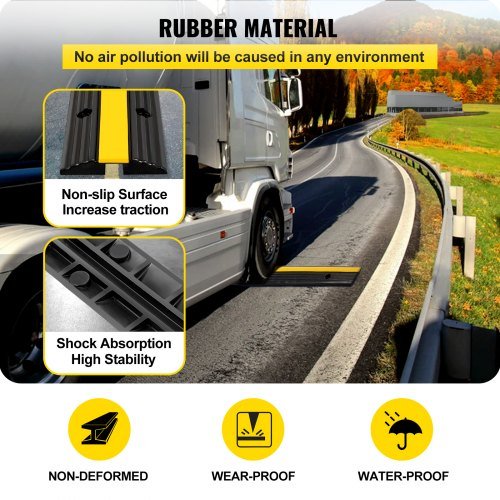
- Rubber:Flexible and provides good protection against impact
- Metal:Strong and durable, ideal for heavy-duty protection
- Wood:Blends well with natural settings but needs weatherproofing
Choose covers that match your garden’s look and last in outdoor conditions.

Credit: www.youtube.com
Burying Cables Underground
Burying cables underground is an effective way to keep your water feature tidy and safe. It hides wires from view and protects them from damage. This method also reduces tripping hazards and enhances the overall look of your outdoor space.
Proper planning and careful digging are essential to ensure cables stay secure and functional. Following simple safety and protection tips will help maintain your water feature’s electrical system for years.
Digging Trenches Safely
Start by marking the cable path clearly before digging. Use a shovel or trenching tool to create a narrow trench. Keep the trench straight and avoid sharp turns to prevent cable stress.
- Check for underground utilities using local service maps or a detector.
- Wear gloves and safety glasses to protect your hands and eyes.
- Dig to the proper width, just enough for the cable and conduit.
Remove rocks and debris from the trench to avoid damaging the cable.
Depth And Protection Tips
Bury cables at least 12 inches deep to avoid damage from surface activities. Use a protective conduit or PVC pipe to shield cables from moisture and pests.
- Place warning tape above the conduit to alert future diggers.
- Fill the trench with sand before adding soil to cushion the cable.
- Seal conduit ends to prevent water entry and corrosion.
Inspect buried cables regularly to ensure they remain secure and intact.
Incorporating Landscaping Elements
Incorporating landscaping elements helps blend water feature cables with the environment. It keeps the area safe and visually pleasing. Cables become less noticeable when surrounded by natural items. This approach protects cables from damage and weather.
Hiding Cables With Plants
Plants work well to cover and soften cables. Choose fast-growing and dense plants for better coverage. Place them along the cable path to create a natural screen. Use plants with thick leaves or tall stems to hide cables easily.
Ground covers are excellent for low-lying cables. They create a green carpet that blends cables into the soil. Climbing plants can hide cables running along fences or posts. Regular trimming keeps plants neat and prevents cable exposure.
Using Rocks And Mulch
Rocks and mulch provide a solid cover for cables on the ground. Arrange smooth stones along the cable line for a natural look. Mulch helps keep cables in place and protects from sun damage. Both materials resist weather and reduce cable wear.
Use darker mulch to contrast with lighter cables, making hiding easier. Layer rocks and mulch thick enough to conceal cables fully. Keep a small gap near cable ends for easy access. This method adds texture and color to your landscape.
Securing And Fastening Cables
Securing and fastening cables is crucial for a neat and safe water feature setup. Properly fastened cables avoid tangling and exposure to water damage. It also keeps the area tidy and reduces tripping hazards. Using the right tools helps maintain the cables in place over time.
Cable Clips And Ties
Cable clips and ties hold cables firmly along surfaces. Clips attach cables to walls, rocks, or wooden frames. They keep cables close to the surface and out of sight.
Ties bundle cables together to prevent spreading. Plastic zip ties are strong and weather-resistant. Velcro ties allow easy adjustments and reusability.
Choose clips and ties that fit cable size. Secure them tightly but avoid crushing cables. This protects cable insulation and performance.
Preventing Movement And Damage
Fastened cables face less wear and tear. Movement causes friction, which can damage cable coating. Proper fastening stops cables from shifting in wind or water flow.
Use clips on every few feet to limit cable movement. Avoid sharp bends or tight loops in cables. Keep cables away from heavy foot traffic or sharp objects.
Check cables regularly for signs of wear. Replace damaged ties or clips to maintain security. This keeps your water feature running safely and smoothly.
Maintaining Hidden Cables
Keeping your water feature cables hidden is not just about aesthetics; it also protects the cables from damage and ensures safety around your water installation. Maintaining those hidden cables requires attention and a bit of routine care. Neglecting this can lead to exposed wires, which not only spoil the look but can cause electrical hazards.
Regular Inspections
Take time to check your cables regularly, especially after storms or heavy winds. Look for signs like frayed wires, loose connections, or any part of the cable that might be poking out from its hiding place. You don’t need special tools—just a careful eye and a flashlight can help you spot issues early.
Ask yourself: Are the cables still well-secured? Are there any areas where water might collect and cause damage? Checking often prevents small problems from turning into costly repairs.
Repairing Exposed Sections
If you spot an exposed or damaged section, act quickly. Turn off the power to the water feature before you touch any cables. Use waterproof electrical tape or cable sleeves to cover minor damage and seal the wires.
For larger issues, replacing the damaged cable might be safer. You can hide the new cables using garden soil, decorative stones, or cable conduits designed for outdoor use. Think about how you initially hid the cables and try to restore that concealment to keep everything neat and safe.

Credit: www.amazon.com
Frequently Asked Questions
How Can I Hide Water Feature Cables Outdoors?
Use waterproof cable covers or bury cables underground. Secure cables with clips and paint covers to match surroundings. This protects cables and keeps your water feature tidy and safe.
What Materials Are Best For Concealing Water Feature Cables?
Flexible conduit, PVC pipes, and cable raceways work well. These materials protect cables from water and weather while blending into your landscape.
Can I Hide Water Feature Cables Without Professional Help?
Yes, with basic tools and cable management kits. Plan cable routes carefully, use clips or covers, and ensure cables remain dry and accessible for maintenance.
How Deep Should Water Feature Cables Be Buried?
Bury cables at least 6 to 12 inches deep. This protects them from damage and prevents tripping hazards while complying with safety standards.
Conclusion
Hiding water feature cables keeps your space neat and safe. Use simple tools like cable covers or bury cables underground. Choose materials that blend with your garden or water setup. Check cables regularly to avoid damage or hazards. A clean look helps your water feature stand out beautifully.
Small efforts make a big difference in your outdoor area. Keep cables hidden and enjoy a peaceful, tidy environment.

