
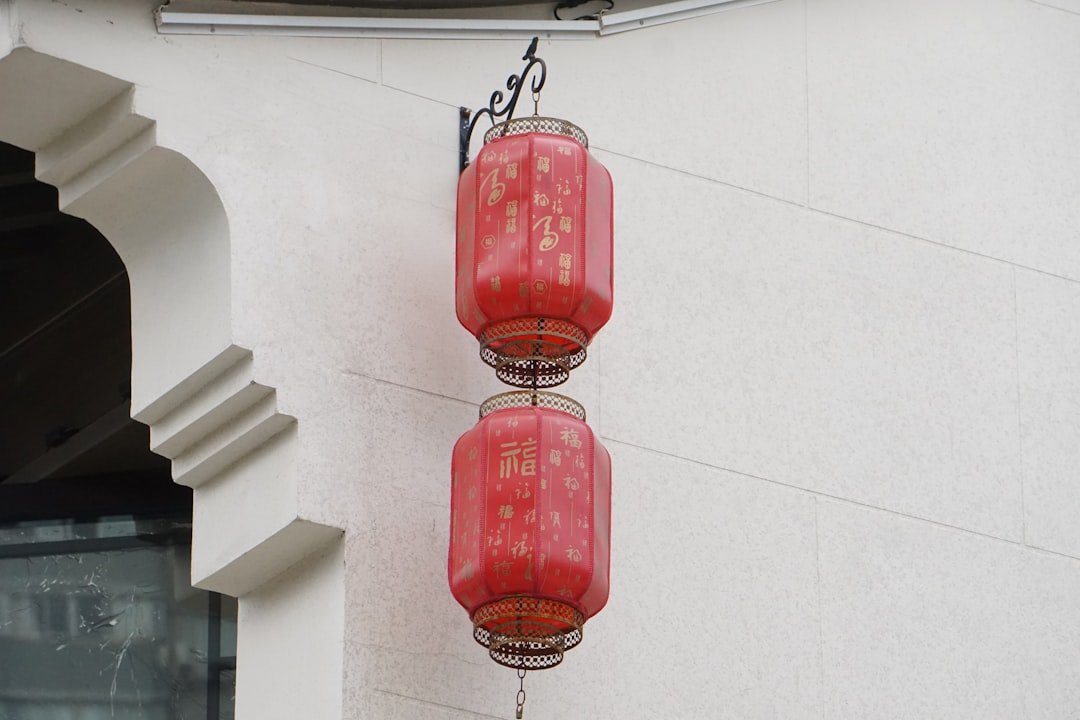
Imagine transforming your outdoor seating area into a cozy, magical space that invites friends and family to gather long after the sun goes down. Hanging lanterns is one of the easiest and most beautiful ways to achieve this.
But how do you hang them safely and stylishly, so they brighten your space without clutter or fuss? In this guide, you’ll discover simple tips and tricks to hang lanterns perfectly over your seating area, creating an inviting glow that makes every evening special.
Ready to light up your outdoor moments? Let’s get started!
Choosing The Right Lanterns
Choosing the right lanterns for hanging over your seating area can transform the entire space. The perfect lantern not only provides light but also adds to the atmosphere and comfort of your outdoor or indoor setup. To get it right, consider the type, material, and style that best fit your needs and taste.
Types Of Lanterns
Lanterns come in a variety of types, each offering different lighting effects and usability. You can choose from:
- Hanging Lanterns:Ideal for overhead placement, these lanterns often come with chains or hooks for easy suspension.
- Tabletop Lanterns:Perfect for placing on side tables but can also be hung with added hardware.
- Solar Lanterns:These use solar power, making them energy-efficient and great for outdoor use without wiring.
- Candle Lanterns:Offer a warm, flickering glow but require caution when used around flammable materials.
Think about how you want your space to feel—soft and cozy, bright and functional, or somewhere in between—and pick the type that supports that mood.
Materials And Durability
Your lantern’s material affects both its look and how well it withstands weather or wear. Common materials include metal, glass, wood, and even plastic.
- Metal:Durable and often weather-resistant, metals like aluminum and steel work well outdoors but may need rust-proof coatings.
- Glass:Adds elegance but can be fragile, so look for tempered or thick glass if you expect rough use.
- Wood:Brings warmth and natural texture, but ensure it’s treated for moisture resistance if outdoors.
- Plastic:Lightweight and often weatherproof, plastic lanterns are easy to maintain but may look less sophisticated.
Ask yourself how much exposure the lanterns will get and whether you’re willing to do occasional upkeep. That will help you decide on the best material.
Style And Aesthetic
The style of your lanterns should complement your seating area’s overall design. Are you aiming for a modern, rustic, vintage, or eclectic look?
For instance, sleek metal lanterns with clean lines suit contemporary spaces, while lanterns with distressed finishes fit rustic or farmhouse themes. Colored glass lanterns can add a playful or artistic touch, especially in bohemian settings.
Don’t forget scale—large lanterns can dominate a small seating area, while tiny ones might get lost in a spacious setup. How do you want the lanterns to speak to your guests? Bold statement or subtle charm?

Credit: stockcake.com
Planning The Arrangement
Planning the arrangement of lanterns over your seating area sets the foundation for a cozy and inviting atmosphere. This phase demands attention to detail and a clear vision of how the space functions and feels. Taking time here will help you avoid overcrowding or uneven lighting, making your outdoor moments more enjoyable.
Assessing The Space
Start by measuring the seating area’s dimensions and noting any existing structures like pergolas, trees, or beams. Consider the height available for hanging lanterns—too low and they might interfere with movement; too high and the light may lose impact.
Think about how you use the area. Are you hosting dinners, relaxing with a book, or entertaining guests? The function influences where and how you place the lanterns.
Determining The Number Of Lanterns
Ask yourself how much light you need. A small seating nook may only require two or three lanterns, while a larger patio might need several to cover the space evenly.
Don’t just guess—test with a few lanterns first. Place them temporarily and observe how the light spreads in the evening. This hands-on approach helps you avoid buying too many or too few lanterns.
Creating A Balanced Look
Balance is key to making your lantern arrangement look intentional and pleasing. Avoid clustering all lanterns on one side unless you want a dramatic effect.
Try spacing lanterns evenly or grouping them in odd numbers for a natural feel. Mix sizes and shapes if you want visual interest, but keep the overall scale consistent with the seating area.
Have you noticed how an unbalanced setup can make a space feel chaotic? Take a step back after hanging your lanterns and adjust until the light feels just right.
Installation Essentials
Installing lanterns over a seating area creates a charming and cozy atmosphere. Proper preparation ensures the lanterns hang securely and look great. Focus on gathering the right tools and materials and following safety steps. This makes the installation process smooth and safe.
Tools And Materials Needed
- Drill with screwdriver bits
- Measuring tape
- Stud finder or hook anchors
- Heavy-duty hooks or ceiling hooks
- Extension cords or outdoor-rated wiring
- Ladder or step stool
- Lanterns with hanging chains or ropes
- Protective gloves and safety glasses
- Weatherproof electrical tape (for wired lanterns)
Gather all items before starting. Use outdoor-rated materials for safety and durability. Check lantern weight limits to select strong hooks.
Safety Precautions
Always wear protective gloves and glasses. This prevents injuries from tools or sharp lantern parts.
Use a sturdy ladder on flat ground. Avoid overreaching or standing on unstable surfaces.
Turn off electricity before handling wired lanterns. Confirm all wiring is rated for outdoor use.
Locate ceiling joists or studs using a stud finder. Secure hooks firmly to avoid falling lanterns.
Check weight limits of your hooks and ceiling materials. Never hang lanterns heavier than the support can hold.

Credit: stockcake.com
Hanging Techniques
Hanging lanterns over a seating area creates a warm and inviting space. Choosing the right technique ensures safety and style. Different methods suit different outdoor setups and lantern types.
Using Ceiling Hooks
Ceiling hooks provide a sturdy way to hang lanterns. Find a solid spot on your ceiling or beam. Use a drill to make a small pilot hole. Screw in the hook tightly for security. Hang lanterns using chains or ropes from these hooks. This method works well under covered patios or pergolas.
Suspending With Cables
Cables offer a flexible and modern look for lantern hanging. Attach strong cables between two anchor points. Use cable clamps or turnbuckles to tighten the line. Hang lanterns at different heights along the cable for a dynamic effect. This technique suits open spaces without overhead structures. It also allows easy adjustment of lantern positions.
Utilizing Existing Structures
Existing structures like trees, poles, or fences can support lanterns. Wrap sturdy rope or chains around these supports. Secure the ends tightly to prevent slipping. Choose spots that provide good light coverage. This method works well in gardens or yards. It saves time and avoids drilling into new surfaces.
Lighting Considerations
Lighting plays a key role in setting the mood and functionality of your seating area. Proper lighting ensures comfort and enhances the outdoor experience. It requires thoughtful choices about bulbs, brightness, and energy use. Consider how each element affects the overall ambiance and practicality.
Choosing The Right Bulbs
Select bulbs that suit your outdoor space and style. Warm white bulbs create a cozy and inviting feel. Soft yellow hues add charm and comfort. LED bulbs are durable and perfect for outdoor use. Avoid harsh, bright lights that can cause glare and discomfort.
Adjusting Light Intensity
Control brightness to match different times and activities. Dimmers help lower light levels for relaxed evenings. Brighter light suits social gatherings or reading. Consider lanterns with adjustable settings for flexibility. Balance light to avoid dark spots or excessive brightness.
Energy Efficiency
Choose energy-saving bulbs to reduce power consumption. LED bulbs use less electricity and last longer than traditional bulbs. Solar-powered lanterns offer a green lighting option. Efficient lighting lowers bills and helps the environment. Check for energy ratings when buying bulbs and fixtures.
Enhancing Ambiance
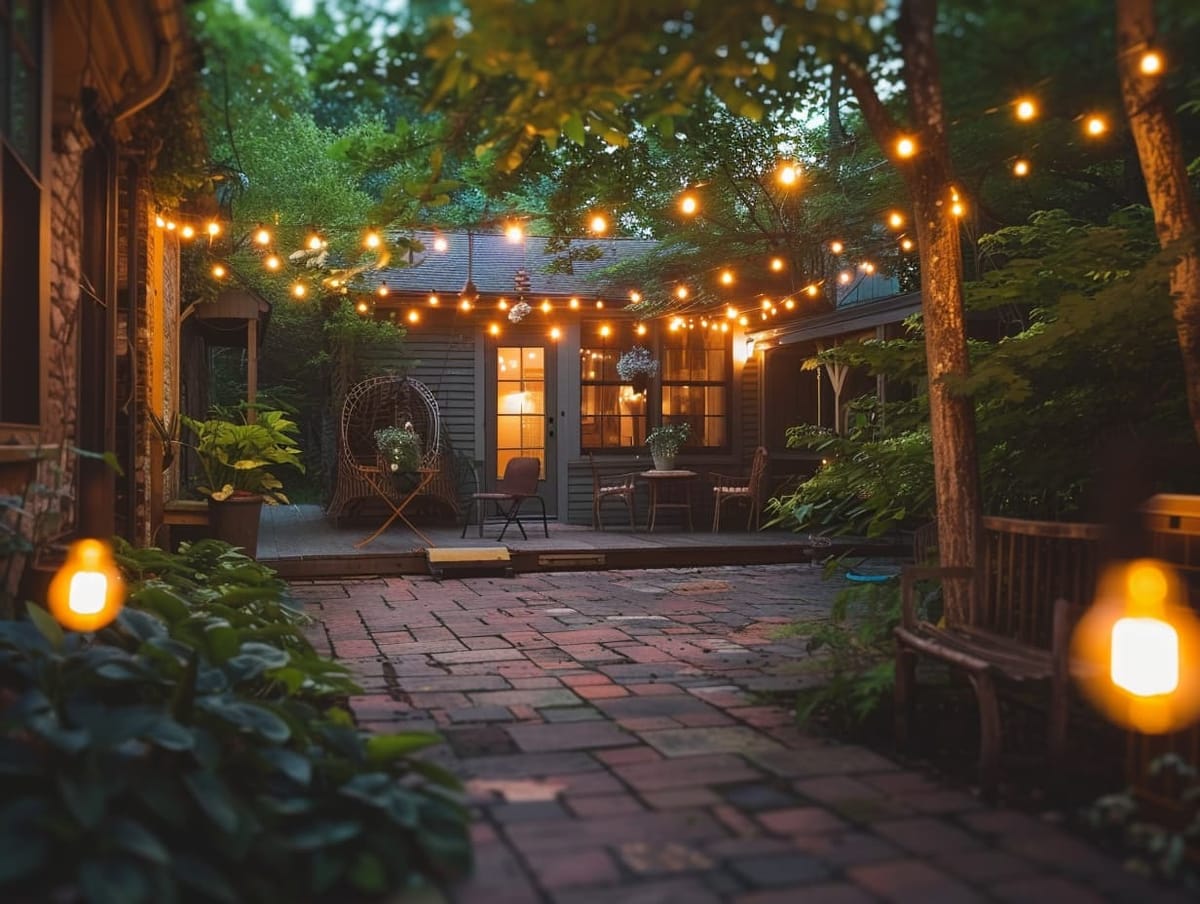
Enhancing the ambiance with lanterns over your seating area transforms a simple space into a cozy retreat. The right lighting sets the mood, inviting you and your guests to relax and enjoy the outdoors. But ambiance isn’t just about light—it’s about how everything around it works together to create a welcoming vibe.
Coordinating With Outdoor Decor
Pick lanterns that match your outdoor style. If your seating area has rustic wooden furniture, lanterns with a vintage metal finish will blend well. For a modern look, sleek glass or geometric lanterns add a clean touch.
Think about color too. Matching the lanterns’ tones with cushions, rugs, or even flower pots ties the space together. Have you noticed how a consistent color palette makes everything feel intentional and inviting?
Incorporating Plants And Greenery
Plants bring life and softness to any setting. Arrange lanterns near potted plants or hanging greenery to create depth and texture. The natural shadows from leaves can enhance the lantern light, making the area feel magical.
Try placing a lantern inside a large, open plant pot for an unexpected glow. You can also hang small lanterns from tree branches or pergolas surrounded by vines. How might you use plants to frame your lanterns and draw attention to your seating area?
Adding Textiles And Cushions
Soft textiles add comfort and warmth under the glowing light. Use cushions and throws in colors that complement your lanterns to create a cozy corner. Mixing patterns and textures can make the space visually interesting without overwhelming it.
Think about fabrics that feel good to touch and hold up outdoors, like cotton or outdoor-rated materials. When the lantern light flickers over soft cushions, it invites you to sit down and stay awhile. What textiles do you find most comforting in your outdoor space?
Maintenance And Care
Maintaining and caring for your lanterns over the seating area ensures they stay beautiful and functional for a long time. Regular attention prevents damage and keeps the ambiance just right for your outdoor moments. Let’s look at how to keep those lanterns shining and safe.
Cleaning Tips
Dust, dirt, and insects can quickly dull your lanterns’ glow. Use a soft cloth or a brush to gently clean the surfaces and glass panels. Avoid harsh chemicals; mild soap and water usually do the trick without damaging finishes.
Make sure to unplug or remove batteries before cleaning electrical lanterns. For stubborn spots, a vinegar-water solution works well and is safe for most materials. How often you clean depends on your environment, but a monthly wipe-down keeps things fresh.
Seasonal Adjustments
Season changes bring different weather challenges for your lanterns. In winter, consider removing or covering them to protect against snow and ice damage. If you live in a windy area, check that the hanging hooks and chains are secure before storms.
During summer, increased humidity can cause rust or corrosion. Using weather-resistant lanterns or applying a protective spray can extend their life. Have you checked your lanterns for loose parts or fading finishes after the last season?
Repair And Replacement
Small issues like loose wires or cracked glass shouldn’t be ignored. Repair them promptly to avoid bigger problems. Keep spare bulbs and batteries handy to quickly replace burned-out parts.
If a lantern is beyond repair, choose replacements that match your style and are rated for outdoor use. Sometimes, upgrading to LED lanterns saves energy and reduces maintenance. What’s your plan for handling unexpected lantern damage?
Credit: garden.lighting
Frequently Asked Questions
How High Should Lanterns Hang Over Seating Areas?
Lanterns should hang about 7 feet above the seating area. This height ensures safe clearance and optimal lighting without obstruction. Adjust height based on lantern size and seating arrangement for balanced aesthetics and functionality.
What Materials Are Best For Hanging Outdoor Lanterns?
Use weather-resistant materials like stainless steel, aluminum, or treated wood. These withstand outdoor elements well. Choose sturdy hooks or brackets rated for the lantern’s weight to ensure safety and durability.
Can I Hang Lanterns Without Ceiling Support?
Yes, you can use freestanding poles, pergolas, or tension wires. These alternatives provide secure anchor points. Ensure stability and proper weight distribution to prevent accidents or damage.
How Do I Safely Install Electrical Lanterns Outdoors?
Turn off power before installation. Use outdoor-rated wiring and waterproof connectors. Follow local electrical codes or hire a professional electrician to ensure safe and reliable installation.
Conclusion
Hanging lanterns over your seating area adds charm and warmth. Choose sturdy hooks or wires for safety and ease. Space lanterns evenly to create a balanced look. Use LED or solar lights for energy savings and safety. Regularly check for wear and replace when needed.
Soft lighting invites comfort and longer outdoor gatherings. Try different styles to match your outdoor décor. Enjoy your cozy, well-lit space every evening. Small changes make big differences in your outdoor area.

