
Are you ready to take your pellet grill game to the next level? Knowing how to fill the hopper correctly is the key to unlocking perfect, smoky flavors every time you cook.
If you’ve ever wondered whether you’re doing it right or worried about running out of pellets mid-cook, this guide is made just for you. Keep reading, and you’ll learn simple, step-by-step tips that make filling your hopper easy and mess-free.
Your next grill session will be smoother, tastier, and stress-free!
Choosing The Right Pellets
Choosing the right pellets is key to great results with your pellet grill. Pellets affect the flavor and cooking quality. Different pellets offer unique tastes and burn rates. Knowing the types and quality helps you pick the best option for your grill and recipe.
Types Of Wood Pellets
Wood pellets come from various hardwoods. Common types include:
- Hickory: Strong, smoky flavor, great for pork and ribs.
- Mesquite: Intense and bold, ideal for red meat.
- Apple: Mild, fruity taste, perfect for poultry and fish.
- Cherry: Sweet and subtle, adds rich color.
- Maple: Smooth and sweet, works well with vegetables.
Some pellets mix woods to balance flavor and burn time.
Flavor Profiles
Pellet flavors range from mild to strong. Mild flavors suit delicate foods like fish. Strong flavors match hearty meats like beef. Match pellet flavor with your cooking style and food type. Experiment to find your favorite taste.
Quality Indicators
High-quality pellets burn cleaner and longer. Look for:
- 100% hardwood content without fillers.
- Low ash production for easier cleaning.
- Uniform size and shape for steady feeding.
- Moisture content below 8% to prevent clogging.
- Pellets certified by trusted organizations.
Good pellets improve grill performance and flavor consistency.
Credit: www.homedepot.com
Preparing The Pellet Grill Hopper
Preparing the pellet grill hopper ensures smooth operation and even cooking. Before filling the hopper, take time to inspect and clean it. A clean hopper avoids jams and keeps the pellets fresh. Proper ventilation in the hopper prevents moisture buildup. Follow these simple steps for optimal performance.
Cleaning The Hopper
Empty the hopper completely before cleaning. Use a soft brush to remove dust and debris. Wipe the inside with a dry cloth. Avoid using water to prevent rust. Clean regularly to maintain pellet quality and grill efficiency.
Checking For Obstructions
Look inside the hopper for stuck pellets or foreign objects. Remove any blockages carefully to avoid damage. Check the auger area where pellets move into the fire pot. Clear obstructions to ensure pellets flow freely and prevent feeding issues.
Ensuring Proper Ventilation
Check that hopper vents are open and unobstructed. Proper airflow keeps pellets dry and prevents clumping. Avoid covering vents during storage or use. Good ventilation helps maintain pellet quality and consistent burning.
Filling The Hopper
Filling the hopper on your pellet grill is a simple but important task. It ensures steady smoke and heat during cooking. Proper filling helps avoid interruptions and keeps the pellets burning efficiently. Follow these key points to fill the hopper correctly and enjoy a smooth grilling experience.
Measuring Pellet Quantity
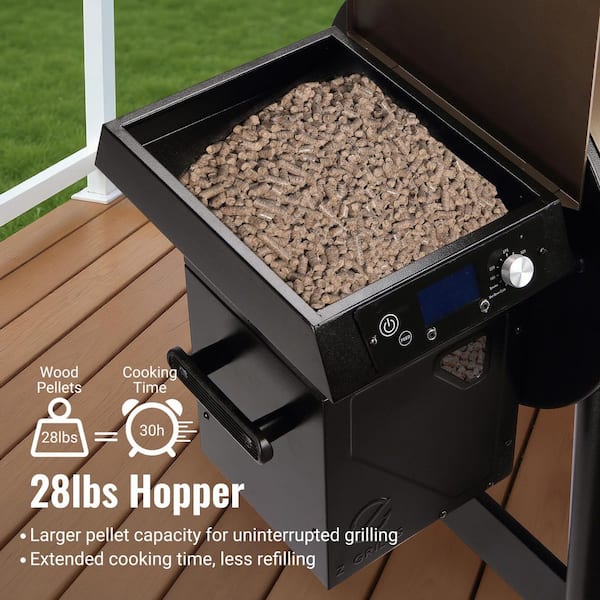
Check your grill’s hopper size before adding pellets. Use a measuring cup or scoop to estimate the amount. Avoid guessing the quantity to prevent running out mid-cook. A full hopper usually holds between 10 to 20 pounds of pellets. Measure pellets based on the cooking time and temperature you plan to use.
Pouring Pellets Correctly
Open the hopper lid fully for easy access. Pour pellets slowly to avoid spills. Use a funnel or scoop for better control. Keep pellets dry and clean during pouring. Avoid dropping pellets directly from the bag to reduce dust and debris inside the hopper. Close the lid tightly after filling to keep pellets fresh.
Avoiding Overfilling
Do not fill the hopper above the fill line. Overfilling can cause pellet jams and poor airflow. Leave some space for air circulation inside the hopper. Too many pellets can also block the auger, stopping pellet flow. Check the manufacturer’s guidelines for maximum hopper capacity. Maintain optimal pellet level for consistent grilling results.
Credit: www.simplymeatsmoking.com
Starting The Grill
Starting the grill is a crucial step in your pellet grilling journey. It sets the stage for the cooking process. A well-prepared grill ensures consistent heat and delicious flavors. Follow these steps to start your grill efficiently.
Powering On
First, locate the power button on your pellet grill. It is usually near the control panel. Press the button to turn on the grill. Listen for the fan sound, which indicates the grill is active. Ensure the grill is connected to a power source.
Setting Temperature
Adjust the temperature using the control dial or digital panel. Decide on the cooking temperature based on your recipe. Low temperatures are ideal for slow cooking. Higher temperatures work for quicker grilling. Confirm the temperature setting before proceeding.
Allowing Pellets To Ignite
Open the lid to let air circulate inside the grill. This helps the pellets ignite more effectively. Wait until you see smoke coming from the grill. This indicates the pellets are burning properly. Close the lid once the smoke is steady.
Maintaining Pellet Supply During Cooking
Keeping the pellet hopper filled is key during cooking. Running out of pellets stops the grill from working properly. This section helps you keep the pellet supply steady. It covers how to watch pellet levels, tips for refilling, and dealing with moisture problems.
Monitoring Pellet Levels
Check the pellet hopper often during cooking. A clear view or a small window on the hopper helps. Use a flashlight if the hopper is dark inside. Keep an eye on the pellets, especially for long cooks. Low pellets mean the grill will stop heating soon. Frequent checks prevent sudden interruptions in cooking.
Refilling Tips
Refill the hopper carefully to avoid spills. Turn off the grill before adding pellets. Use a scoop or small container to add pellets slowly. Avoid overfilling; leave some space for air flow. Close the hopper lid tightly after refilling. This keeps pellets dry and the grill working well.
Handling Moisture Issues
Moisture can clog the pellets and stop the grill. Store pellets in a dry, sealed container before use. Check pellets for dampness before adding them. Wet pellets can cause smoke and poor heat. If pellets feel wet, dry them or replace them. Keep the hopper dry by closing the lid quickly after refills.

Credit: smokedaddyinc.com
Troubleshooting Pellet Feed Problems
Troubleshooting pellet feed problems is key to keeping your pellet grill running smoothly. Pellet feed issues can stop the grill from working properly and ruin cooking plans. Understanding common problems and how to fix them saves time and frustration.
Many pellet feed problems come from simple causes. Dirt, moisture, or worn parts often block pellets from moving through the hopper. Spotting these issues early helps avoid bigger repairs. Easy fixes can get your grill back on track fast.
Common Issues
- Pellets jammed in the auger or feed tube
- Moisture causing pellets to swell or stick together
- Auger motor not turning or running weakly
- Empty hopper or low pellet supply
- Pellets too large or broken pieces clogging the system
Quick Fixes
- Clear jammed pellets with a small tool or brush
- Dry pellets thoroughly before adding them to the hopper
- Check and tighten auger motor connections
- Refill hopper with dry, high-quality pellets
- Inspect and replace worn auger parts if needed
Preventative Measures
- Store pellets in a dry, sealed container
- Clean hopper and auger regularly to remove dust and debris
- Check pellet size and quality before use
- Run the grill on high heat occasionally to clear residue
- Inspect electrical parts and wiring to ensure proper function
Frequently Asked Questions
How Do You Properly Fill The Hopper On A Pellet Grill?
To fill the hopper, first open the lid and remove any old pellets. Pour fresh pellets into the hopper until it is about three-quarters full. Avoid overfilling to ensure proper airflow and consistent grilling temperature.
What Type Of Pellets Should I Use For My Grill Hopper?
Use high-quality hardwood pellets designed for pellet grills. Avoid softwood or treated wood pellets, as they can produce harmful smoke and affect flavor. Choose pellets that match your desired flavor profile, such as hickory, mesquite, or applewood.
Can I Fill The Hopper While The Grill Is Running?
It’s best to fill the hopper when the grill is off or in standby mode. Opening the hopper while running may cause pellets to jam or disrupt the fire. This helps maintain consistent heat and smoke during cooking.
How Often Should I Refill The Hopper During Cooking?
Refill the hopper when the pellets run low, usually every 2-4 hours depending on cook time. Keeping the hopper adequately filled ensures steady fuel supply and consistent temperature throughout your grilling session.
Conclusion
Filling the hopper on your pellet grill is simple and quick. Keep the pellets dry and use the right amount. Avoid overfilling to prevent clogging. Regular cleaning helps maintain good airflow and taste. Follow these steps for a smooth grilling experience every time.
Enjoy your meals with consistent smoke and heat. Happy grilling!

