

Are you struggling to keep your lawn edges neat and tidy on a slope? You’re not alone.
Edging a lawn on uneven ground can be tricky, but getting it right makes your yard look sharp and well cared for. In this guide, you’ll discover simple, effective techniques to edge your sloped lawn without frustration. By the end, you’ll have the confidence to create clean, attractive edges that enhance your entire outdoor space.
Let’s dive in and transform your lawn edges into a stunning highlight of your garden.
Tools For Sloped Lawn Edging
Edging a lawn on a slope needs special tools. The right tools help you create clean, sharp edges safely and easily.
Using the proper tools makes the job faster and keeps your lawn looking neat. Choose tools based on the slope size and your comfort.
Essential Hand Tools
Hand tools work well for small slopes or detailed edging. They give you control and precision on uneven ground.
Common hand tools include edging shears, manual edgers, and hand trowels. These tools help cut and shape the lawn edge.
- Edging Shears:Scissor-like tools for cutting grass along edges.
- Manual Edgers:Half-moon blades that cut clean edges into soil.
- Hand Trowels:Small shovels for digging and shaping soil near edges.
Power Tools Options
Power tools save time on larger slopes. They handle thick grass and tough soil better than hand tools.
Popular power tools include string trimmers, electric edgers, and small tillers. They offer speed and less effort.
- String Trimmers:Use a spinning line to cut grass along edges.
- Electric Edgers:Create sharp lines with a rotating blade.
- Small Tillers:Loosen soil on the slope for easier shaping.
Safety Gear
Safety gear protects you from cuts, flying debris, and slips on slopes. Always wear proper gear while working.
Important safety items include gloves, sturdy shoes, and eye protection. These reduce risks during edging tasks.
- Gloves:Protect your hands from sharp tools and rough surfaces.
- Sturdy Shoes:Provide good grip to prevent slipping on slopes.
- Eye Protection:Shields eyes from dirt and grass clippings.
Preparing The Slope
Edging a lawn on a slope needs careful preparation. This helps create clean, sharp edges that last longer.
Start by getting the slope ready. This makes the edging work easier and better.
Clearing Debris
Remove all debris from the slope before edging. Clear stones, sticks, and leaves that can block tools.
Cleaning the area helps you see the shape of the slope. It also prevents damage to your edging tools.
Marking Edging Lines
Mark the lines where you want the lawn edges. Use a garden hose or string to draw smooth curves on the slope.
Clear lines guide your work and make the edges look neat. Check that the lines follow the slope’s shape well.
- Use a garden hose for flexible curves
- Use string and stakes for straight edges
- Walk along the lines to check visibility
Assessing Soil And Grass
Check the soil type and grass health before edging. Different soils need different tools and care.
Look for areas with thin grass or loose soil. These spots may need extra work to keep edges firm on the slope.
- Test soil firmness by pressing with your foot
- Look for bare spots or thin grass patches
- Note areas that may wash away during rain
Edging Techniques For Slopes
Edging a lawn on a slope requires care and the right techniques. Slopes can make it hard to keep clean lines and prevent soil erosion. You need tools and methods suited for uneven ground.
This guide covers three ways to edge your lawn on a slope. You will learn manual methods, using a string line, and tips for power edging. Each method helps you get neat edges safely.
Manual Edging Methods
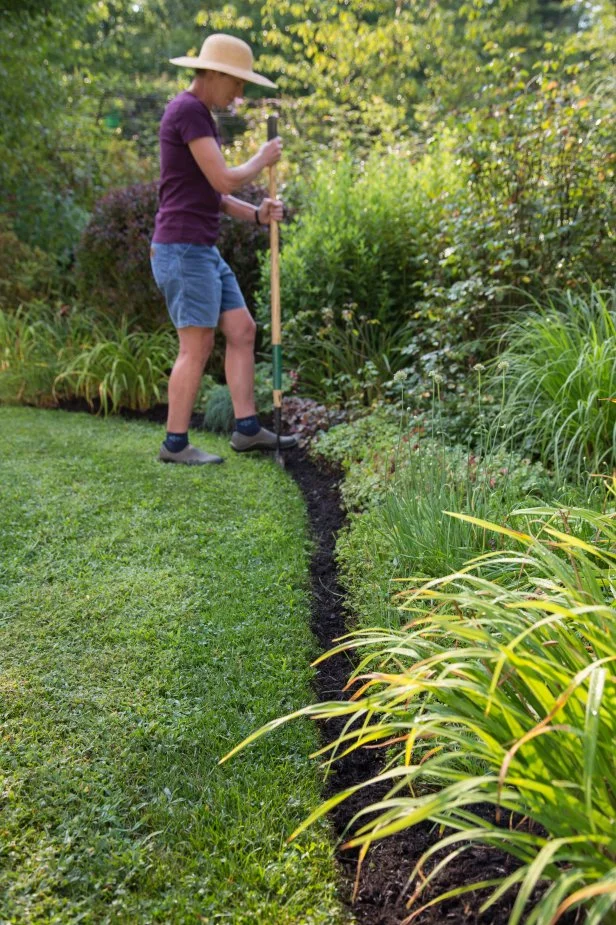
Manual edging works well on slopes because it gives you control. You can adjust your angle and pressure easily. Use a half-moon edger or a spade to cut clean edges.
- Start by marking the edge with a garden hose or spray paint.
- Hold the edger firmly and push it into the soil along the mark.
- Use short, steady strokes to keep the edge straight.
- Remove the cut grass and soil to prevent buildup.
- Check the slope angle often to keep the edge even.
Using A String Line
A string line helps create a straight edge on a sloped lawn. Stretch the string tight between two stakes at the edge of your lawn. This line guides your cutting tool.
| Tool | Benefit |
| Garden Spade | Precise edge along string |
| Half-Moon Edger | Curved cuts on slope |
| Handheld Trimmer | Easy to follow string line |
Keep the string low and tight. Follow the line carefully to avoid uneven edges. Remove soil and grass clumps often to see your progress clearly.
Power Edging Tips
Power edgers work faster but need careful handling on slopes. Use a lightweight edger and wear safety gear. Move slowly to keep control and avoid slipping.
- Check the slope for loose stones or debris.
- Hold the edger at a steady angle to the slope.
- Take short passes instead of forcing the tool.
- Keep both hands on the machine for balance.
- Stop often to clear the cutting path.
Credit: www.hgtv.com
Maintaining A Clean Edge
Keeping a clean edge on a sloped lawn helps your yard look neat and well cared for. It also protects the plants and soil from damage.
This guide covers ways to maintain a sharp lawn edge on slopes safely and effectively.
Regular Trimming
Trimming the lawn edge often stops grass from growing over the border. It keeps the edge clear and tidy.
- Trim edges every one to two weeks during growing season.
- Use a string trimmer or edging tool for straight lines.
- Wear safety gear when working on slopes.
- Work from the top of the slope downward to avoid slipping.
Preventing Soil Erosion
Soil erosion can ruin your lawn’s edge and cause damage on slopes. Use these methods to keep soil in place.
| Method | Description |
| Mulching | Apply a layer of mulch to protect soil from rain. |
| Plant Ground Covers | Use low plants to hold soil with roots. |
| Install Edging Materials | Use stones, bricks, or plastic edges to keep soil back. |
| Build Terraces | Create small flat areas to slow water flow and hold soil. |
Watering And Fertilizing
Proper watering and feeding help grass grow strong at the edge. This makes the edge cleaner and easier to maintain.
Follow these tips for watering and fertilizing on slopes:
- Water early in the morning to reduce evaporation.
- Use drip irrigation or soaker hoses to avoid runoff.
- Apply fertilizer evenly but avoid overfeeding near the edge.
- Choose slow-release fertilizers to feed grass gradually.
Troubleshooting Common Issues
Edging a lawn on a slope can be tricky. You might face problems like uneven edges or soil moving down the hill.
Fixing these issues keeps your lawn neat and healthy. Let’s look at common problems and how to solve them.
Dealing With Uneven Edges
Uneven edges happen when the slope is steep or the soil is soft. It makes the lawn look messy.
Use an edging tool that suits your slope. A half-moon or sharp spade works well. Cut slowly and follow the slope’s shape.
- Mark the edge with a string line before cutting
- Work in small sections for better control
- Firmly press the edge to keep soil in place
Handling Root Intrusion
Roots from trees or bushes can grow into the lawn edge. They push soil and make edging hard.
Trim roots carefully with a sharp tool. Avoid damaging big roots that keep trees healthy.
- Cut only small roots near the edge
- Use a root barrier to stop new root growth
- Check edges regularly for root return
Fixing Soil Washouts
Rain can wash soil down the slope. This leaves gaps and weak edges.
Add mulch or small rocks along the edge to hold soil. Plant ground cover to protect soil from washing away.
- Use mulch like wood chips or straw
- Place stones to slow water flow
- Plant grass or low plants for extra soil hold

Credit: www.reddit.com
Credit: www.thelawnforum.com
Frequently Asked Questions
How Do I Edge A Lawn On A Steep Slope?
Start by marking the edge with a string or spray paint. Use a sharp edging tool to cut along the line. Work from the top down to maintain balance. Be careful with your footing to avoid slips on the slope.
What Tools Are Best For Edging Sloped Lawns?
A manual half-moon edger or a powered string trimmer works well. Choose tools that offer good control and stability. Sharp blades make clean cuts, reducing stress on grass. Always wear safety gear to protect yourself.
How Often Should Lawn Edges On Slopes Be Maintained?
Edge your sloped lawn every 2-4 weeks during the growing season. Frequent edging keeps grass neat and prevents overgrowth onto pathways. Regular maintenance helps maintain slope integrity and lawn health. Adjust frequency based on grass growth rate.
Can Edging Prevent Soil Erosion On Slopes?
Yes, edging helps define lawn boundaries and limits soil displacement. Proper edging combined with ground cover plants can reduce erosion. It also controls water runoff by directing flow away from vulnerable areas. Consistent care is essential for slope stability.
Conclusion
Edging a lawn on a slope takes patience and care. Use the right tools to keep edges neat and safe. Work slowly to avoid slipping or damaging grass. Regular trimming helps maintain a clean, sharp look. A well-edged lawn improves the garden’s overall appearance.
Keep practicing to improve your technique over time. Small efforts create big differences in lawn health. Enjoy the fresh, tidy space you create outside.

