
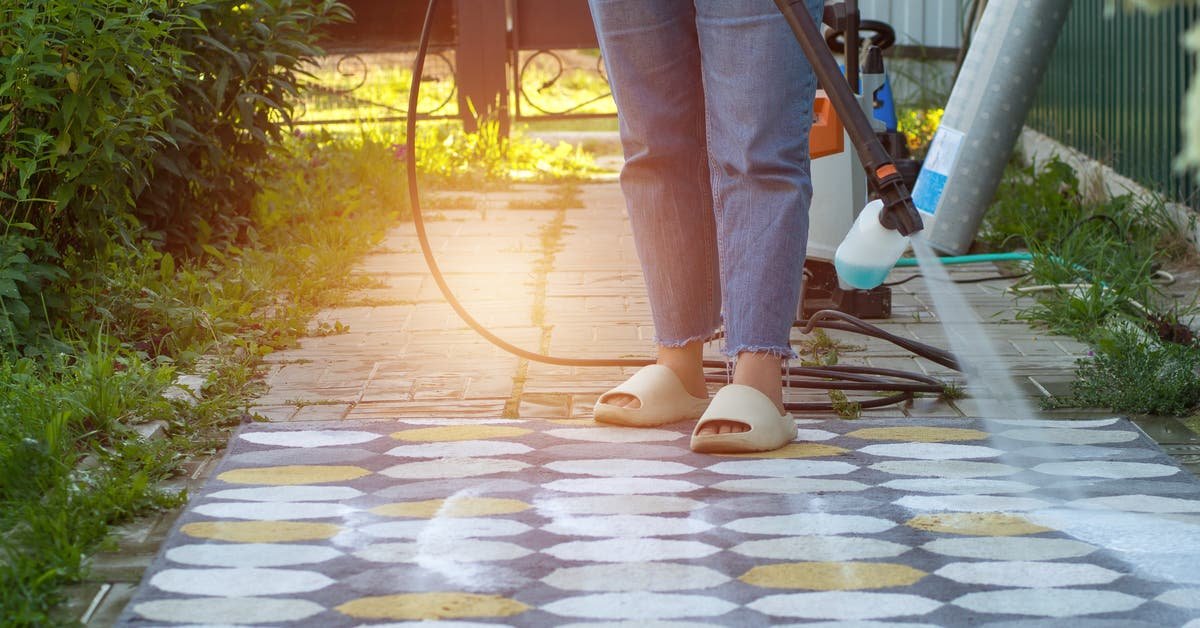
You just finished washing your outdoor rug, and now you face the tricky part: drying it properly. If you rush or dry it the wrong way, you risk mold, bad smells, or damage that ruins your rug.
But don’t worry—drying your outdoor rug doesn’t have to be a headache. You’ll learn simple, effective steps to dry your rug quickly and safely, so it looks fresh and lasts longer. Keep reading to discover how easy it can be to bring your outdoor space back to life with a perfectly dried rug.

Credit: www.nytimes.com
Choosing The Right Spot
Choosing the right spot to dry your outdoor rug after washing is essential for quick drying and maintaining its quality. The location affects how fast the rug dries and how clean it stays during the process. Picking the best place can save you time and keep your rug looking fresh longer.
Sunlight Exposure
Sunlight helps to dry your rug faster by evaporating moisture quickly. However, too much direct sun can sometimes cause colors to fade, especially on brightly colored rugs. If your rug is vibrant, try drying it in an area with filtered sunlight or partial shade to protect its colors while still benefiting from natural warmth.
Airflow Importance
Good airflow speeds up drying by moving moisture away from the rug’s fibers. Hang your rug over a railing or lay it flat on a clean surface where wind can pass through easily. Even a gentle breeze can make a big difference in reducing drying time and preventing mold growth.
Avoiding Dirt And Debris
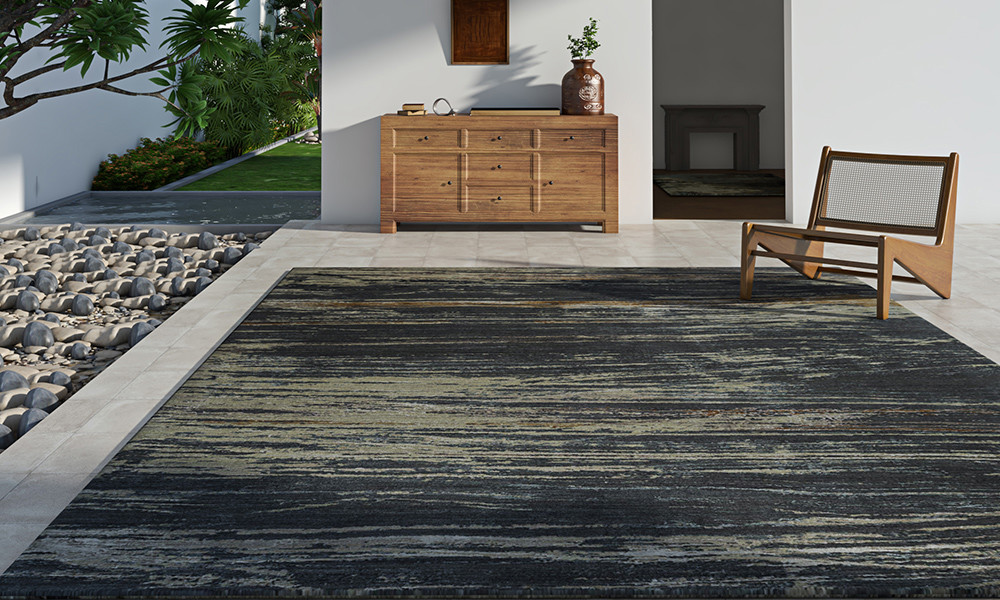
Drying your rug in a clean area keeps it free from dust, leaves, and other debris that can stick to wet fibers. Avoid spots near flower beds, trees, or gravel paths where dirt might get trapped in the rug. A raised surface or a clean patio often works best to keep your rug spotless while it dries.
Credit: www.jaipurrugs.com
Preparing The Rug For Drying
Preparing your outdoor rug for drying is an important step. It helps the rug dry faster and stay in good shape. Proper preparation prevents damage and makes drying easier.
Start by removing as much water as possible. This reduces drying time and avoids mold growth. Then, decide how to dry the rug—rolling or hanging. Each method suits different rug types. Finally, use a tarp or a clean surface to protect the rug during drying. This keeps dirt away and helps maintain the rug’s condition.
Shaking Off Excess Water
Shake the rug gently to remove loose water. You can also beat the rug with a broom handle. This helps push out water trapped inside the fibers. Avoid wringing the rug as it can damage the material. A good shake reduces drying time and stops mildew from forming.
Rolling Vs Hanging
Rolling the rug helps squeeze out water. Roll it tightly but do not crush the fibers. This method works well for thick or heavy rugs. Hanging the rug lets air flow on all sides. Hang it over a sturdy line or railing. Make sure the rug is secure to avoid falling. Choose the method that fits your rug type and space.
Using A Tarp Or Protective Surface
Place a tarp or clean cloth under the rug while drying. This stops dirt and grass stains. It also protects the rug from rough ground. Use a flat surface to keep the rug even. Check the tarp often and clean it if needed. A clean base helps keep the rug fresh and clean during drying.
Drying Methods
Drying an outdoor rug properly is key to keeping it fresh and lasting longer. Different drying methods suit different types of rugs and spaces. Choosing the right one helps avoid mold, mildew, and damage.
Below are simple, effective ways to dry your outdoor rug after washing.
Air Drying Outdoors
Air drying is the most natural way to dry an outdoor rug. Spread the rug flat on a clean surface under direct sunlight. Sunlight helps kill bacteria and dries the rug faster.
Turn the rug over after some time to dry both sides evenly. Make sure the area is free from dust and dirt. Avoid drying the rug on wet grass or soil to prevent stains.
Using A Clothesline Or Rope
Hanging your rug on a clothesline or rope allows air to flow through the fibers. Use strong clips or hooks to hold the rug securely. This method works well for medium-sized rugs.
Ensure the rug is evenly spread and not folded. Folding traps moisture and slows drying. Check the rug regularly to adjust its position for even drying.
Elevated Drying Racks
Drying racks lift the rug off the ground, allowing air circulation on all sides. Use a rack with wide bars to avoid leaving marks on the rug. This method works indoors and outdoors.
Place the rack in a sunny, breezy spot for faster drying. Flip the rug occasionally for balanced drying. Elevated racks reduce the risk of dirt or insects reaching the rug.
Speeding Up The Drying Process
Place the outdoor rug in a sunny, breezy spot to speed drying. Hanging it over a railing or fence helps air flow on both sides. Avoid heavy folds to prevent damp spots and mildew.
Drying an outdoor rug quickly is essential to maintain its quality. A damp rug can become a breeding ground for mold and mildew. Speeding up the drying process prevents these issues and keeps the rug fresh. Here are some effective methods to dry your rug faster.Using Fans Or Blowers
Place fans or blowers near the rug. This boosts airflow around the rug. It helps evaporate moisture faster. Direct the airflow to ensure even drying. Ensure the fans cover all rug areas. This method is especially useful on humid days.Towel Absorption Techniques
Use dry towels to absorb excess water. Press the towels firmly on the rug. Replace damp towels with dry ones. This reduces water content significantly. Towel absorption speeds up the drying process.Avoiding Mold And Mildew
Ensure the rug is completely dry. Moisture encourages mold and mildew growth. Check hidden areas of the rug. These spots can hold moisture longer. Proper drying prevents unpleasant smells. It also extends the rug’s lifespan.Care Tips After Drying
After drying your outdoor rug, proper care helps keep it fresh and durable. Follow simple steps to maintain its look and feel. These care tips protect the fibers and extend the rug’s life.
Brushing The Rug
Use a soft-bristle brush to remove dirt and dust. Brush gently in the direction of the fibers. This keeps the rug smooth and avoids damage. Brushing also helps restore the rug’s texture after drying.
Storage Recommendations
Store the rug in a dry, cool place away from sunlight. Roll it loosely instead of folding to prevent creases. Avoid damp areas to stop mold and mildew growth. Use breathable bags for long-term storage to keep the rug fresh.
Regular Maintenance
- Shake the rug to remove loose dirt regularly.
- Spot clean stains quickly with mild soap and water.
- Check for signs of wear and repair minor damage early.
- Keep the rug dry to prevent mold and odors.

Credit: www.kingsroadcarpets.co.uk
Frequently Asked Questions
How Long Does It Take To Dry An Outdoor Rug?
Drying time varies by weather, size, and material. Typically, it takes 4-8 hours in direct sunlight. Air circulation speeds up drying. Avoid damp spots to prevent mold and mildew.
Can I Dry An Outdoor Rug Indoors?
Yes, you can dry it indoors using fans or a dehumidifier. Ensure good air circulation and lay the rug flat. Avoid placing it near heat sources to prevent damage.
Should I Hang Or Lay Flat To Dry Outdoor Rugs?
Lay the rug flat or hang it over a sturdy railing. Flat drying prevents stretching, while hanging promotes airflow. Both methods work if done in a well-ventilated, sunny area.
Is Sunlight Safe For Drying Outdoor Rugs?
Sunlight is effective and safe for most outdoor rugs. It helps kill bacteria and dries quickly. However, prolonged exposure may fade colors, so limit direct sun time if the rug is delicate.
Conclusion
Drying your outdoor rug properly keeps it fresh and lasts longer. Place it in a sunny, open area for best results. Avoid folding or bunching to prevent wrinkles and mildew. Turn the rug occasionally to dry both sides evenly. A dry rug feels clean and looks great in your outdoor space.
Follow these simple steps to keep your rug in top shape after washing. Your outdoor area will stay inviting and comfortable all year round.

