

Imagine stepping into your backyard and instantly feeling calm, refreshed, and connected to nature. A well-designed water feature can transform your outdoor space into a peaceful retreat where you can relax and unwind after a busy day.
But how do you create a water feature that fits your style, space, and budget? You’ll discover simple, practical steps to design the perfect water feature for your backyard. Whether you want a gentle fountain, a bubbling pond, or a sleek modern waterfall, you’ll learn exactly what to consider to bring your vision to life.
Keep reading, and soon your backyard will become your favorite place to escape and enjoy.
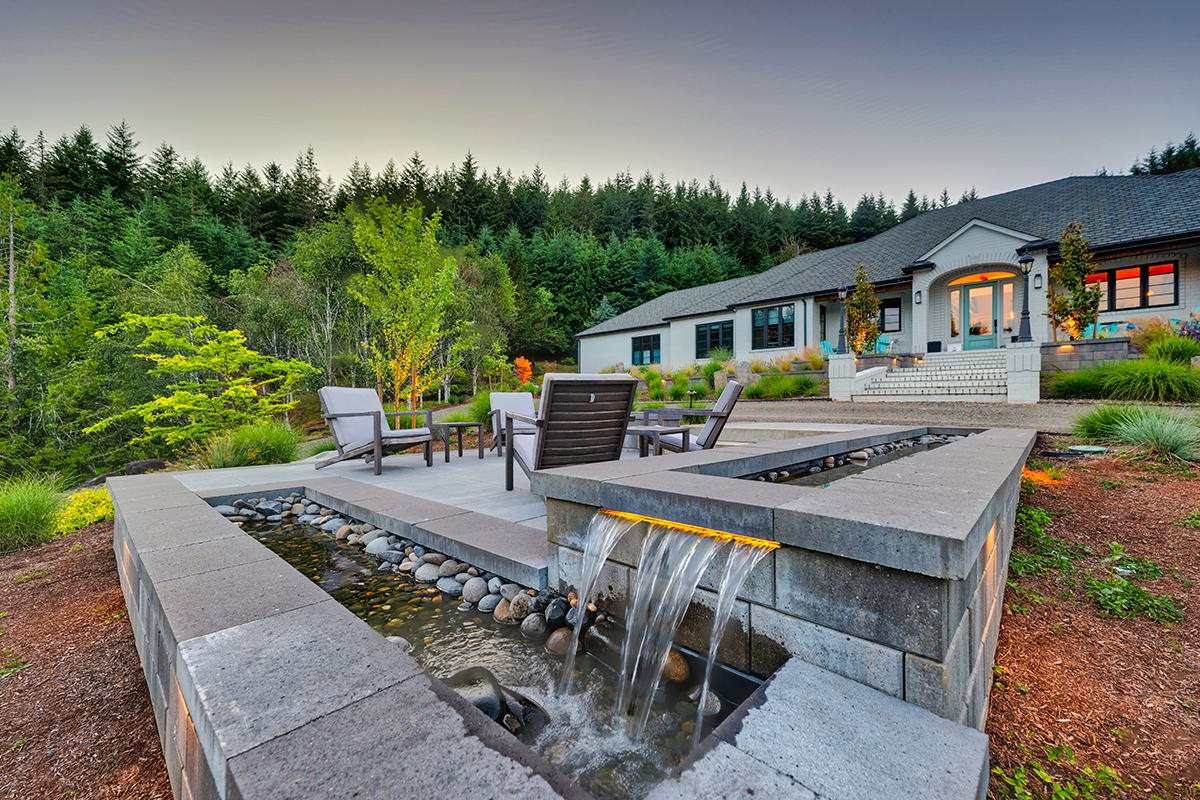
Credit: dennis7dees.com
Choosing The Right Water Feature
Choosing the right water feature for your backyard can transform your outdoor space into a peaceful retreat. It’s not just about adding beauty; it’s about creating a focal point that fits your lifestyle and space. Think about what you want to achieve—is it relaxation, visual appeal, or attracting wildlife? Your answers will guide your choice.
Types Of Water Features
Water features come in many forms, each with its own charm and impact. You might consider a simple bubbling fountain if you want gentle sound and minimal maintenance. A pond can host fish and plants, offering a natural vibe and attracting birds.
Wall-mounted waterfalls save space and add a modern touch. Stream or creek features provide movement and a soothing sound, perfect for larger yards. Ask yourself which type feels right for your outdoor activities and design preferences.
Matching Features To Backyard Size
The size of your backyard will heavily influence your choice. A large yard can handle expansive ponds or winding streams, creating a dramatic effect. Smaller spaces work better with compact fountains or wall features that don’t overwhelm the area.
Imagine a tiny yard with a massive pond—it could feel cramped instead of calming. Conversely, a small fountain might get lost in a big garden. Measure your space carefully and think about how much room you want your water feature to occupy.
Selecting Materials
The materials you choose affect both the look and durability of your water feature. Natural stones give an earthy feel and blend well with gardens. Concrete and metal offer a sleek, modern appearance and often require less upkeep.
Consider your climate too; some materials weather better in certain environments. For example, wood might look beautiful but needs protection from moisture. Think about how each material fits with your existing backyard style and how much maintenance you’re willing to do.
Planning The Layout
Planning the layout of your backyard water feature sets the foundation for a successful and enjoyable addition to your outdoor space. Thoughtful placement enhances both the beauty and functionality of the feature. It’s important to consider practical factors alongside your aesthetic vision to create a balanced and inviting environment.
Spotting Ideal Locations
Look around your backyard for spots that naturally draw attention. Near a patio, close to a seating area, or along a walkway can be perfect choices. Avoid areas with heavy foot traffic that might disturb the water feature or cause safety issues.
Think about the view from inside your home. Placing the water feature where you can see it from a window or door will increase your enjoyment. Also, check for existing landscaping elements that can complement the water feature, like rocks, trees, or flower beds.
Considering Sunlight And Shade
Water features need the right balance of sunlight and shade to thrive. Too much sun can cause algae to grow quickly, while too much shade may stunt aquatic plants. Aim for a location that receives morning sun and afternoon shade for the best results.
Observe your backyard at different times of the day to understand the sunlight patterns. This can help you decide where plants and fish will thrive and where the water will stay cooler. Remember, a shaded spot might require less maintenance and keep the water clearer.
Ensuring Accessibility And Safety
Make sure the water feature is easy to reach for maintenance tasks like cleaning and refilling. Avoid placing it in awkward or cramped spots that make upkeep difficult. Accessibility can save you time and frustration down the road.
Safety is crucial, especially if you have children or pets. Consider installing barriers or placing the feature away from play areas. Non-slip surfaces around the feature will help prevent accidents, and shallow edges can minimize risks.
Incorporating Plants And Landscaping
Incorporating plants and landscaping enhances the beauty of your backyard water feature. Plants soften hard edges and add color and texture. They create a peaceful, natural environment around the water. Thoughtful landscaping helps the water feature blend seamlessly into your garden.
Selecting Water-friendly Plants
Choose plants that thrive in wet or moist conditions. Look for species that tolerate standing water or damp soil. Examples include:
- Water lilies
- Cattails
- Hostas
- Ferns
- Pickerelweed
These plants improve water quality by filtering and oxygenating. They attract wildlife like frogs and butterflies. Select plants with varying heights and colors for interest.
Blending With Existing Garden Elements
Match plant styles to your current garden theme. Use similar colors, shapes, and textures. Arrange plants to create smooth transitions. Avoid sharp contrasts that draw too much attention. Integrate stones, mulch, or garden ornaments nearby. This creates a unified look and feel.
Creating Natural Borders
Natural borders frame the water feature beautifully. Use plants, rocks, or a mix of both for edges. Plant grasses or shrubs to soften borders. Group taller plants behind shorter ones for depth. Borders help contain water and prevent soil erosion. They guide visitors’ eyes toward the water feature.
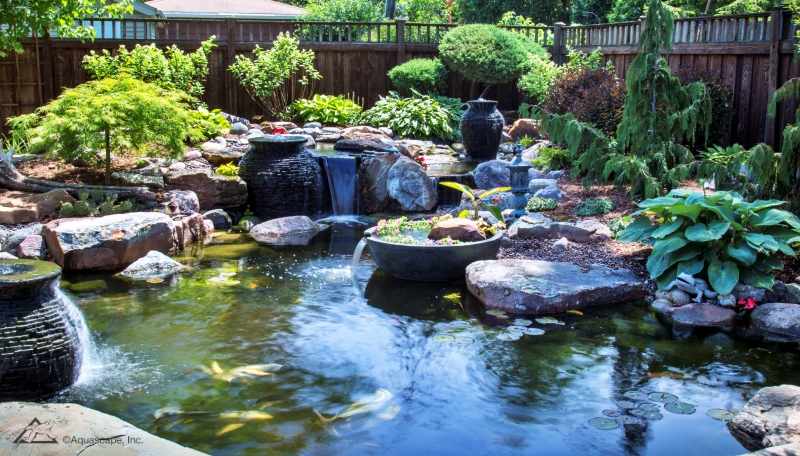
Credit: www.aquascapeinc.com
Water Circulation And Filtration
Water circulation and filtration are the heart of any backyard water feature. Without proper movement and cleaning, your water can quickly become stagnant, murky, and a breeding ground for algae and insects. Keeping your water fresh not only enhances the beauty of your feature but also creates a healthier environment for any plants or fish you might have.
Choosing Pumps And Filters
Pick a pump that matches the size of your water feature. Too small, and it won’t circulate water effectively; too large, and it may waste energy and cause splashing. Look for pumps with adjustable flow rates to control the water movement easily.
Filters remove debris and keep water clear. Mechanical filters trap particles like leaves and dirt, while biological filters support beneficial bacteria that break down harmful substances. Combining both types usually gives the best results.
Maintaining Water Quality
Regular cleaning is crucial. Skim leaves and debris from the surface to prevent buildup. Check the filter and clean or replace it as needed to keep water flowing smoothly.
Test your water’s pH and nutrient levels often. Balanced water discourages algae growth and keeps fish healthy. Adding aquatic plants can naturally filter water and reduce maintenance.
Energy Efficiency Tips
Choose energy-efficient pumps to save on electricity bills. Look for models with a good energy rating or those designed for continuous operation at low power.
Use timers or smart controllers to run pumps during peak sunlight hours if you have solar power. This approach reduces energy use while keeping water moving consistently.
Have you considered how much energy your current setup consumes? Small changes in pump size or operation times can make a big difference for your wallet and the environment.
Lighting And Decorative Elements
Lighting and decorative elements transform your backyard water feature from a simple structure into a captivating focal point. Thoughtfully chosen lights and accents can highlight textures, create mood, and invite you to spend more time outside. How you light and decorate your water feature defines its character and changes the way you experience your outdoor space.
Types Of Outdoor Lighting
Choosing the right lighting is essential. You can pick from:
- Spotlights:Aim these to highlight water movement or plants around the feature.
- Underwater lights:These add a magical glow beneath the water surface, making fountains or ponds shimmer at night.
- Path lights:Perfect for guiding visitors safely to your water feature while adding subtle illumination.
- String lights:These add a casual, festive vibe and can be draped over nearby trees or pergolas.
Each type serves a unique purpose. What effect do you want to create after sunset?
Enhancing Ambiance
Soft, warm lighting often works best to create a relaxing atmosphere. Use dimmable LEDs to control brightness easily and match the mood you want. Think about layering lights—combine underwater glow with spotlights on surrounding plants for depth.
Color temperature also matters. Warmer tones feel cozy, while cooler tones can make the space feel modern and crisp. Have you experimented with colored lights to add drama or highlight specific water features?
Adding Sculptures And Accents
Decorative elements like sculptures or natural stones add personality and interest to your water feature. Choose pieces that complement your garden’s style—whether modern geometric shapes or rustic, weathered statues.
Small accents such as pebbles, driftwood, or ceramic pots can fill gaps and create texture. Think about how these elements interact with light; a shiny metal sculpture reflects light differently than a matte stone. Which accents resonate with your outdoor style and tell your story?
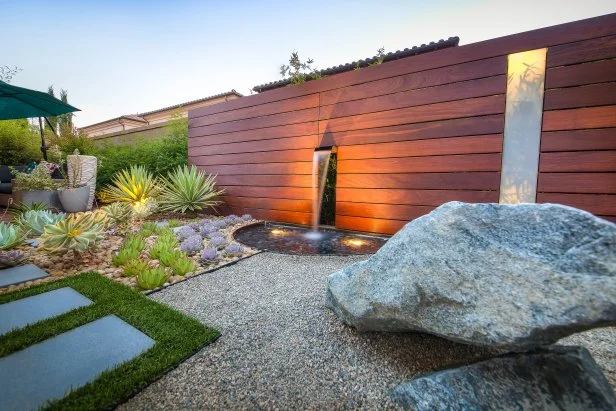
Credit: www.hgtv.com
Budgeting And Maintenance
Designing a water feature for your backyard requires careful budgeting and regular maintenance. These two factors help keep the feature beautiful and functional for years. Planning your budget early can prevent unexpected costs. Understanding maintenance needs ensures the water feature stays clean and safe.
Estimating Costs
Start by listing all parts needed for the water feature. Include pumps, liners, rocks, plants, and lighting. Consider the size and type of water feature. Small fountains cost less than large ponds.
Labor costs vary if you hire professionals. DIY projects save money but need more time. Add a buffer of 10-20% for unexpected expenses.
| Item | Estimated Cost |
|---|---|
| Water Pump | $50 – $300 |
| Liner | $30 – $150 |
| Rocks and Gravel | $40 – $200 |
| Plants | $20 – $100 |
| Lighting | $25 – $150 |
Routine Care And Upkeep
Check water levels regularly and top off with fresh water. Clean debris from the surface to avoid clogs. Inspect pumps and filters every week.
Trim plants around the water feature to prevent overgrowth. Remove algae using natural treatments or brushes. Winterize the feature to protect it from freezing temperatures.
Troubleshooting Common Issues
Watch for cloudy or green water. This often means algae growth or poor filtration. Clean or replace filters to improve water quality.
Listen for strange pump noises. They may indicate blockages or air leaks. Clear any debris around the pump and check connections.
Leaks can appear around liners or joints. Inspect the edges and seal any cracks with waterproof tape or sealant. Regular checks help catch problems early.
Frequently Asked Questions
What Materials Work Best For Backyard Water Features?
Natural stone, concrete, and ceramic are popular choices. They blend well with outdoor environments and are durable. Each material offers unique textures and colors to complement your backyard design. Selecting the right material depends on your style preference and budget.
How Much Does A Backyard Water Feature Cost?
Costs vary widely, from $500 for small fountains to $10,000+ for large ponds. Factors include size, materials, and installation complexity. Maintenance costs should also be considered. Planning your budget helps ensure the project fits your financial plan.
What Size Water Feature Suits A Small Backyard?
Small water features, around 2 to 4 feet wide, fit well in limited spaces. Compact designs like wall fountains or small ponds work best. These features add charm without overwhelming the area. Choose a size that balances aesthetics and space.
How To Maintain A Backyard Water Feature Effectively?
Regular cleaning, water treatment, and pump checks keep features functional. Remove debris weekly and check for algae growth. Winterize in cold climates to prevent damage. Consistent maintenance ensures long-lasting beauty and operation.
Conclusion
Designing a water feature adds beauty to any backyard space. Start with simple plans and choose easy materials. Think about size, style, and safety for your family. Water features bring calm sounds and attract birds. Keep maintenance low to enjoy it more.
Small or large, a water feature feels peaceful. Your backyard can become a relaxing retreat. Take time to plan well and enjoy the result. A well-made water feature changes your outdoor space gently.

