
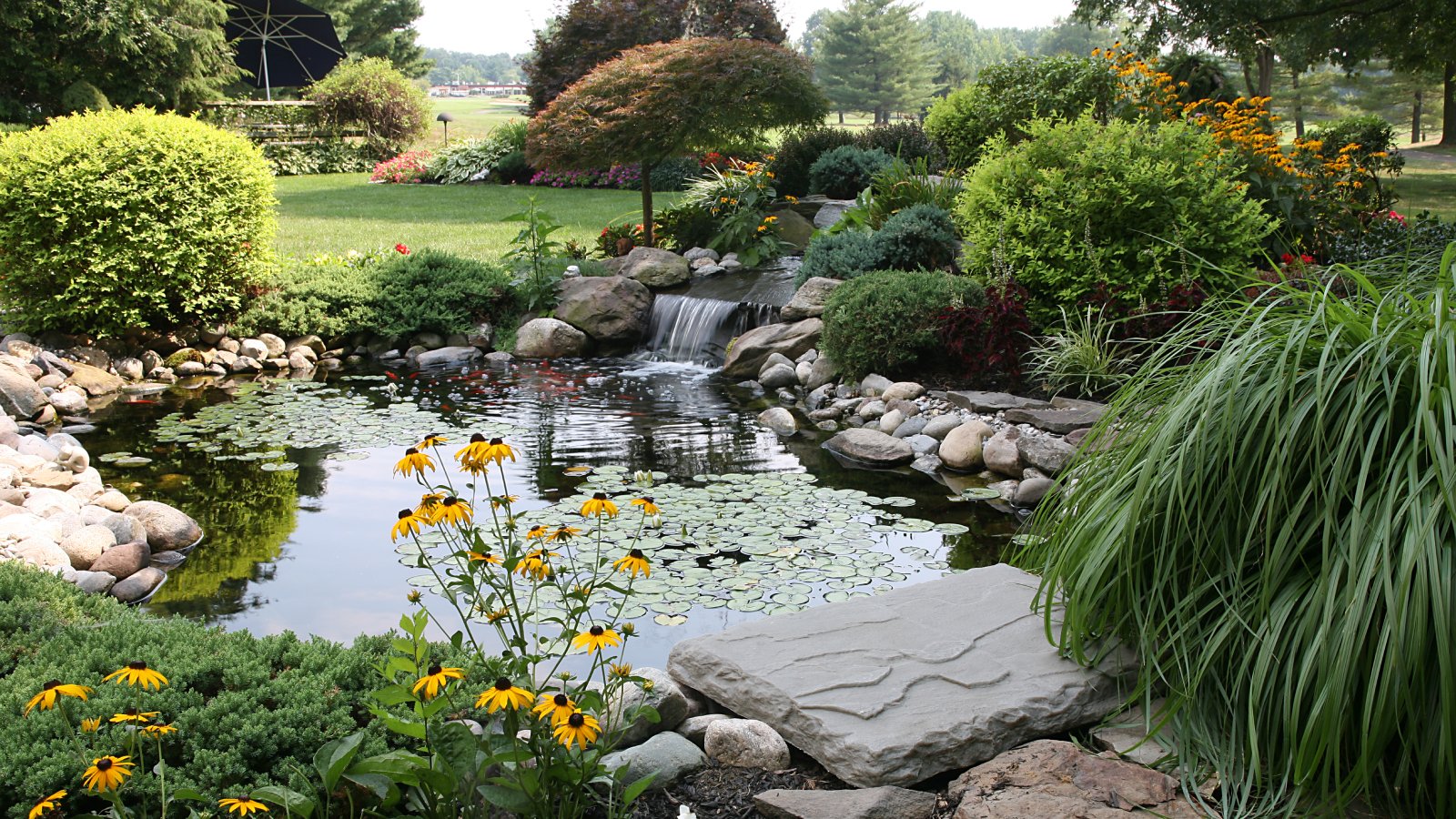
Creating a wildlife pond in your backyard is one of the best ways to bring nature closer to you. Imagine watching colorful frogs, dragonflies, and birds visit your garden every day.
You don’t need special skills or a big space to start. With the right steps, you can build a safe, thriving home for local wildlife right outside your door. Ready to turn your outdoor space into a lively, natural oasis?
Let’s dive into how you can create your very own wildlife pond.
Choosing The Right Location
Choosing the right location for your wildlife pond is crucial to its success and sustainability. The spot you pick will influence the variety of animals and plants that visit or settle there. It also affects how easy the pond is to maintain and how well it blends into your garden or natural space.
Assess Sunlight And Shade
Wildlife ponds need a balance of sunlight and shade. Too much sun can overheat the water, harming aquatic life. Too much shade slows down plant growth and can cause algae problems.
Look for a spot that gets about 4 to 6 hours of sunlight daily. I once chose a fully shaded area and struggled to grow healthy plants, so don’t make the same mistake.
Consider Water Sources And Drainage
Your pond needs a reliable water source or a way to collect rainwater. Avoid areas where water pools and stays stagnant after rain; poor drainage leads to mosquito breeding and unpleasant smells.
Check if the soil drains well or if you need to improve it. I found a low-lying spot that flooded too much, and it damaged the pond’s edges, which could have been avoided with better location choice.
Think About Wildlife Access And Safety
Wildlife needs easy access to your pond, so avoid placing it too close to busy paths or roads. Choose a location that provides some natural cover like shrubs or tall grass, which makes animals feel safer.
Have you noticed how birds and frogs avoid open, exposed areas? Your pond should invite them, not scare them away.
Avoid Nearby Pollution Sources
Steer clear of spots near fertilizers, pesticides, or heavy foot traffic. Chemicals can harm wildlife and plants in your pond.
When I placed my pond near a vegetable garden treated with pesticides, many amphibians never appeared. Location matters not just for convenience but for health, too.
Evaluate Space And Size Requirements
Make sure the area is large enough to build the pond you want without crowding other garden features. A bigger pond supports more life but requires more effort to maintain.
Think about how much space you can dedicate and how it fits with your overall garden plan. You want a pond that feels natural, not forced.

Credit: www.reddit.com
Designing Your Pond
Designing your wildlife pond is a crucial step that sets the stage for a thriving ecosystem. The choices you make in size, shape, and depth will influence what animals and plants can live there. Thoughtful design helps you create a balanced habitat that supports diverse wildlife throughout the year.
Determining The Size And Shape
Think about the space you have and how much you want your pond to stand out. Larger ponds attract more types of wildlife but require more maintenance. Smaller ponds can be just as effective if placed wisely.
Shape matters too. Natural, irregular shapes blend better with the landscape and offer more edge areas where animals feel safe. Straight lines or perfect circles often look artificial and may limit habitat variety.
Ask yourself: Do you want a pond that’s visible from your favorite window or tucked away for quiet observation? Your answer will guide the size and location, making your pond a personal wildlife haven.
Incorporating Levels And Depths
Varying the depth of your pond is key for different species to thrive. Shallow edges provide a safe spot for frogs to lay eggs and insects to hatch. Deeper areas offer refuge for fish and amphibians during hot or cold weather.
Create gentle slopes rather than steep sides to allow easy access for animals. Adding shelves at different depths encourages diverse plant growth which in turn supports insects and birds.
I once dug a pond with three distinct depth zones and noticed more frog and dragonfly activity than in my old, flat-bottomed pond. Small changes like this make a big difference in attracting life.
Selecting Suitable Materials
Selecting the right materials is vital for creating a wildlife pond. The right supplies keep the pond safe for animals and easy to maintain. Choosing durable and eco-friendly materials helps support local wildlife. Consider materials that suit your garden size and soil type. Proper selection ensures the pond lasts for years without problems.
Liners And Edging Options
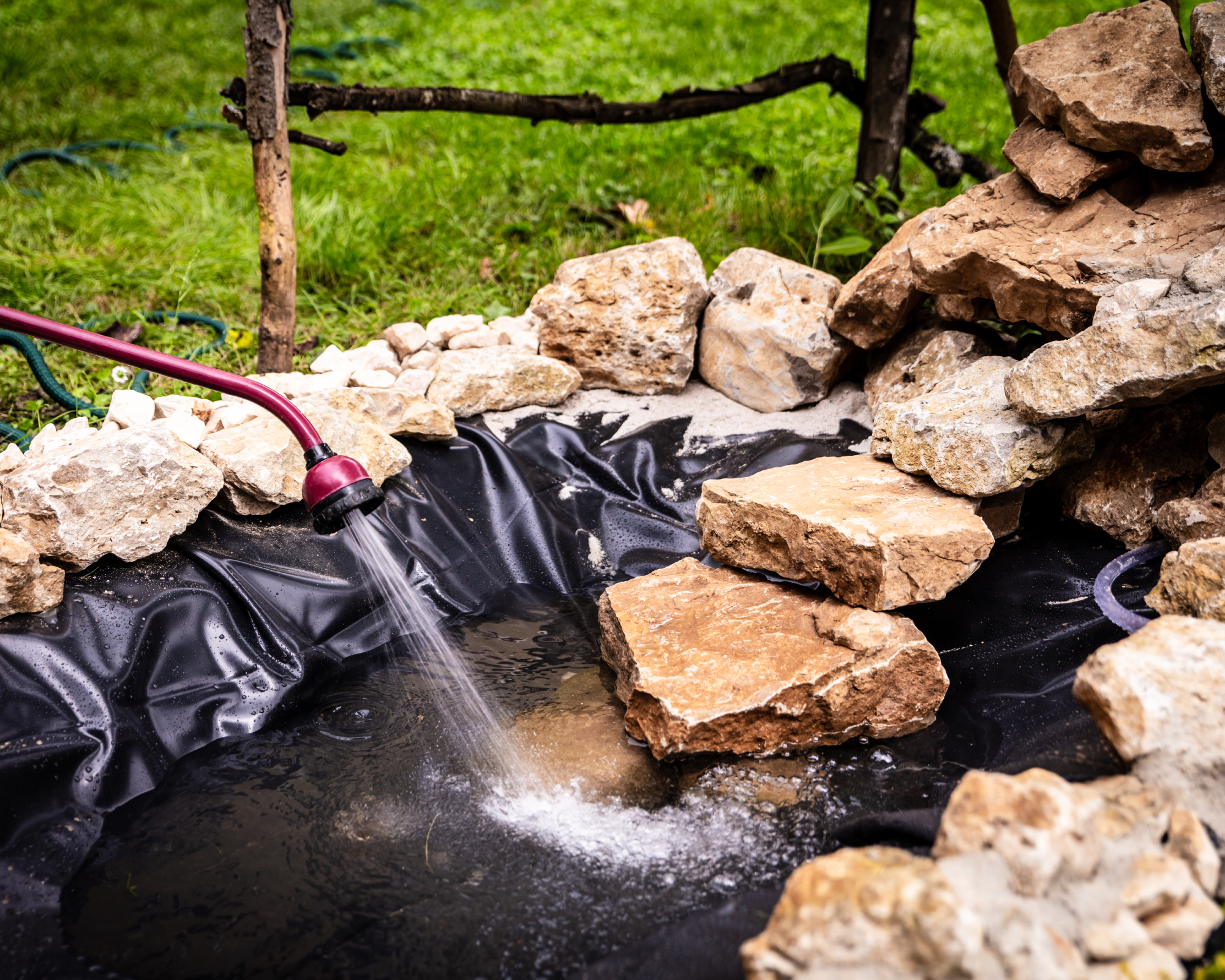
A pond liner holds water and prevents leaks. There are several liner types:
- Butyl Rubber:Flexible and long-lasting, ideal for irregular shapes.
- PVC:Affordable and easy to install, but less durable.
- Preformed Plastic:Shaped liners, quick to set up, but limited sizes.
Edging keeps the liner in place and adds a natural look. Popular edging choices include:
- Flat stones or flagstones
- Wooden logs or sleepers
- Gravel or pebbles for a natural touch
Pick materials that blend with your garden and provide safe access for animals.
Essential Tools And Equipment
Gathering the right tools makes pond building easier and safer. Basic tools include:
- Shovel and spade for digging
- Wheelbarrow to move soil and materials
- Measuring tape for accurate dimensions
- Utility knife to cut liners
- Level to ensure even pond edges
Using quality tools reduces effort and improves results. Prepare safety gear like gloves and boots too.

Credit: www.youtube.com
Planting For Biodiversity
Planting for biodiversity is essential to create a healthy wildlife pond. Plants provide food, shelter, and breeding grounds for many creatures. A diverse range of plants helps balance the ecosystem. It supports insects, birds, amphibians, and other wildlife. Choosing the right plants encourages natural growth and keeps the pond thriving.
Native Aquatic Plants
Native aquatic plants suit the local climate and soil. They adapt well and need less care. These plants offer food and homes for native animals. Examples include:
- Water lilies
- Duckweed
- Water milfoil
- Hornwort
Native plants prevent invasive species from taking over. They help maintain clean water by absorbing nutrients. Their roots stabilize the pond bed and reduce erosion.
Marginal And Submerged Vegetation
Marginal plants grow at the pond’s edge. They form a natural border between water and land. These plants attract insects and frogs. Popular choices are:
- Rushes
- Water mint
- Marsh marigold
- Cattails
Submerged vegetation lives underwater. They oxygenate the water and provide shelter for fish. Examples include:
- Elodea
- Hornwort
- Waterweed
Both marginal and submerged plants help create layers in the pond. This layering supports different species and improves biodiversity.
Attracting Wildlife
Attracting wildlife to your pond makes it a lively and thriving ecosystem. Creating the right environment encourages animals to visit, stay, and even raise their young. Small changes in your pond design can make a big difference in the variety of creatures you see.
Creating Shelter And Nesting Areas
Wildlife needs safe spots to hide from predators and harsh weather. Adding rocks, logs, and dense plants around the pond gives animals places to rest and hide. Floating platforms or small piles of sticks can also provide nesting sites for birds and amphibians.
Think about the types of animals you want to attract. Frogs love shallow edges with thick plants, while dragonflies prefer sunny spots with tall grasses nearby. You can even build simple birdhouses or bat boxes close to the pond to encourage these visitors.
Providing Food Sources
Food is a major reason wildlife comes to your pond. Plant native flowers and aquatic plants that produce nectar, seeds, and berries to feed insects, birds, and small mammals. Adding submerged plants also supports insects and tadpoles, which are food for larger animals.
Consider leaving some areas natural and undisturbed to let insects and worms thrive. You might be surprised how quickly your pond becomes a buzzing food hub. Have you noticed how a single patch of wildflowers can attract dozens of butterflies and bees?
Maintaining Your Pond
Maintaining your wildlife pond is key to keeping it healthy and vibrant. Regular care helps support plants and animals living in and around the water. A well-kept pond prevents problems like algae overgrowth and water pollution. Simple, consistent maintenance keeps the ecosystem balanced and thriving.
Seasonal Care Tips
Each season brings different needs for your pond. Spring is a good time to clear debris and check plants. Summer requires monitoring water levels due to evaporation. In autumn, remove fallen leaves to avoid decay in the water. Winter needs protection for wildlife and plants from freezing.
- Spring: Clean pond bottom and trim dead plants
- Summer: Add water if levels drop, watch for algae
- Autumn: Rake out leaves and dead material regularly
- Winter: Use pond heaters or aerators to prevent ice
Monitoring Water Quality
Good water quality is vital for pond life. Test water regularly for pH, ammonia, and nitrate levels. Clear water with balanced chemicals supports healthy animals and plants. Avoid using chemicals that harm wildlife. Remove excess algae to keep the water clean and oxygen-rich.
- Test water weekly or monthly depending on conditions
- Keep pH between 6.5 and 8.0 for most pond species
- Remove debris that can cause nutrient build-up
- Use natural methods to control algae growth
Troubleshooting Common Issues
Creating a wildlife pond brings nature closer to home. Yet, common problems can arise during its care. Troubleshooting helps keep the pond healthy and inviting for wildlife.
Small issues often become big if ignored. Recognizing problems early saves time and effort. Clear water, balanced plants, and safe habitats are signs of a well-maintained pond.
Managing Algae Growth
Algae can quickly take over a pond, making water green and cloudy. It thrives on sunlight and excess nutrients.
- Limit direct sunlight by adding floating plants or shade trees.
- Remove dead leaves and organic debris regularly.
- Use natural algae eaters like pond snails or certain fish species.
- Avoid overfeeding fish to reduce nutrient buildup.
- Install a small fountain or waterfall to increase water movement.
These steps help keep algae under control and maintain clear water.
Dealing With Predators
Predators may threaten fish, frogs, and other pond life. Birds, raccoons, and cats are common visitors.
- Use netting or wire mesh to protect vulnerable animals.
- Create hiding spots with rocks, plants, or logs for shelter.
- Keep pond edges rough and uneven to discourage easy access.
- Avoid feeding fish near the pond surface to reduce attention.
Protecting wildlife ensures a balanced pond ecosystem and safe habitats.
Enhancing Aesthetic Appeal
Enhancing the aesthetic appeal of your wildlife pond can transform it from a simple water feature into a captivating centerpiece. A beautiful pond invites both wildlife and people to linger longer, creating a peaceful and inspiring outdoor space. Small design choices can make a big difference in how your pond blends with the surrounding garden and natural environment.
Adding Decorative Features
Decorative features bring personality and charm to your pond. Consider adding natural stone edging or driftwood to create a rustic look that feels part of the landscape. Smooth river rocks can line the edges, offering a clean contrast to the water’s surface.
You might also add a small wooden bench nearby, giving visitors a spot to sit and enjoy the view. Floating plants like water lilies not only beautify the pond but also provide shade and shelter for aquatic life. Don’t forget about subtle touches like a birdbath or small sculptures that reflect your style while remaining wildlife-friendly.
Incorporating Lighting
Lighting can extend the enjoyment of your pond well into the evening. Soft, low-voltage LED lights placed around the perimeter highlight textures and colors without disturbing nocturnal animals. Solar-powered lights are an eco-friendly option that requires little maintenance.
Underwater lights can accentuate the movement of fish and the shimmer of water plants. Think about using warm white tones to create a cozy atmosphere rather than harsh, bright lights. How could subtle lighting change the way you experience your pond at night?
Credit: www.gardeningknowhow.com
Frequently Asked Questions
What Materials Are Needed To Create A Wildlife Pond?
You need a pond liner, shovel, water source, native plants, and rocks. These materials help build a safe habitat for wildlife and maintain water quality.
How Deep Should A Wildlife Pond Be?
A wildlife pond should be at least 18-24 inches deep. This depth supports diverse aquatic life and prevents the pond from drying out in summer.
Which Plants Are Best For A Wildlife Pond?
Native aquatic plants like water lilies, reeds, and rushes are ideal. They provide shelter, food, and oxygen for pond wildlife.
How Do I Attract Animals To My Pond?
Create varied habitats with shallow edges, plants, and rocks. Avoid chemicals and provide clean water to encourage frogs, insects, and birds.
Conclusion
Creating a wildlife pond brings nature closer to your home. It supports animals and plants in your area. Choose a good spot with sunlight and shelter. Use natural materials to keep the pond safe and healthy. Add native plants to provide food and shelter.
Regular care helps the pond stay clean and vibrant. Enjoy watching birds, frogs, and insects thrive nearby. Small steps create a big impact on local wildlife. Start today and help nature grow in your garden.

