
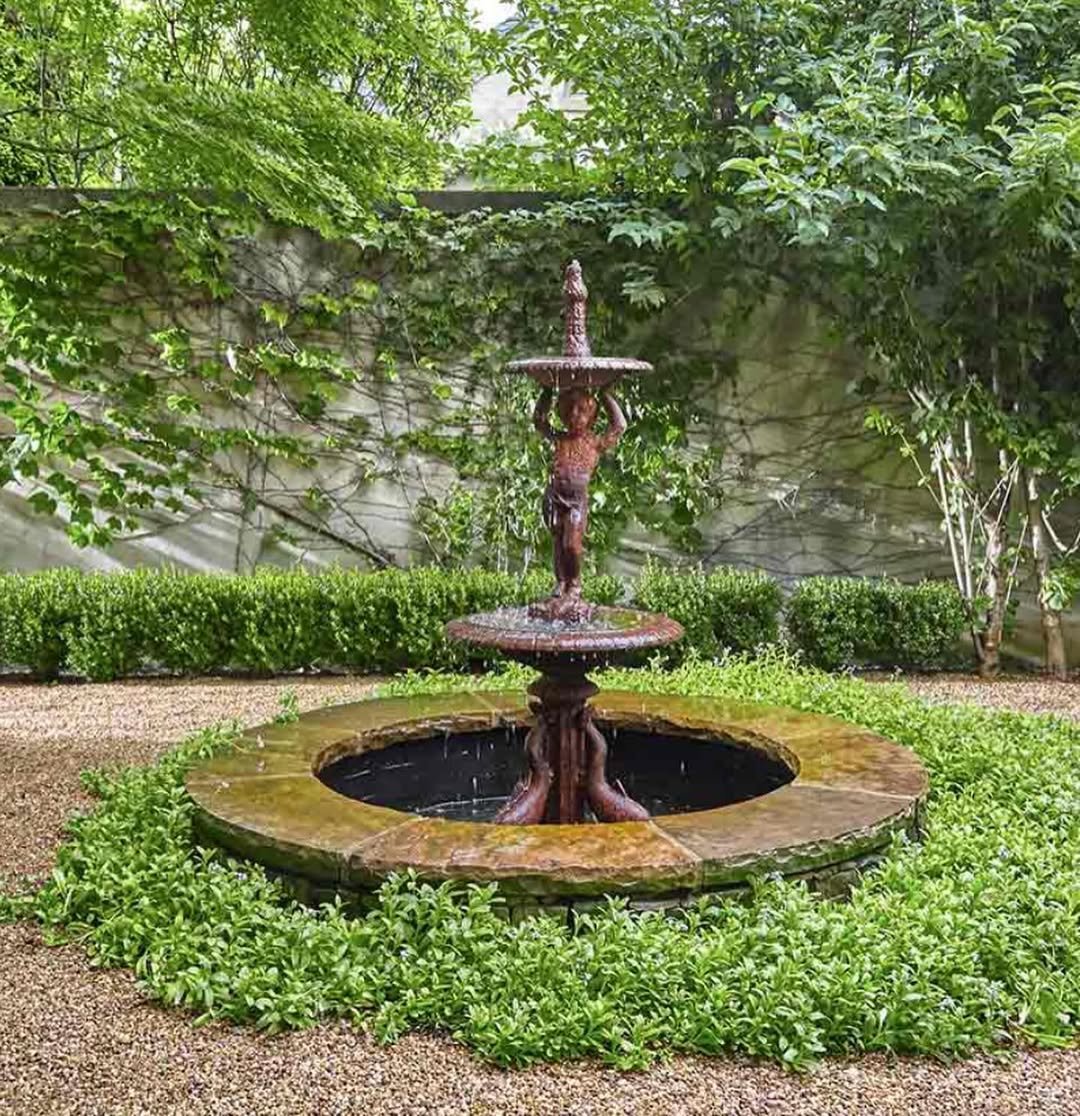
Imagine stepping into your garden and being greeted by the soothing sound of water trickling from a beautiful Victorian fountain. Creating a Victorian garden fountain might seem like a big project, but with the right steps, you can bring this timeless charm to your outdoor space.
In this guide, you’ll discover simple, clear instructions that make the process easy and enjoyable. Whether you want to add elegance, relax with the gentle water flow, or impress your guests, this article will help you turn your garden into a peaceful retreat.
Ready to transform your garden into a classic haven? Let’s dive in.
Credit: www.pavingdirect.com
Choosing The Perfect Location
Choosing the perfect location for your Victorian garden fountain is crucial to ensure it becomes a captivating focal point. The right spot enhances the beauty of your garden and makes maintenance easier. Think about where the fountain will have the most impact and how it fits into your outdoor space.
Consider Sunlight And Shade
Sunlight affects both the water quality and the fountain’s appearance. Too much sun can cause algae growth, which means more cleaning for you. On the other hand, placing your fountain in too much shade might make the water look dull and affect plant growth around it.
Look for a spot that gets morning sun and afternoon shade. This balance helps keep the water clear and plants healthy.
Think About Visibility And Access
Your fountain should be easy to see and enjoy. Place it where you and your guests can admire it from different angles—near a patio, walkway, or seating area works well.
Also, make sure you can easily reach it for cleaning and refilling. A location with nearby power access for the pump saves hassle later.
Check The Surrounding Landscape
Look at the plants and structures around your chosen spot. Avoid placing the fountain under large trees to reduce falling leaves and debris in the water. Consider how the fountain complements the garden’s style and existing features.
Does the location allow you to add benches or flower beds nearby? These small touches enhance the overall atmosphere.

Credit: www.youtube.com
Designing The Fountain
Designing a Victorian garden fountain involves blending style and nature. The goal is to create a piece that fits the old-world charm of Victorian gardens. Thoughtful design makes the fountain a striking focal point. It also enhances the garden’s peaceful atmosphere. Focus on classic shapes, patterns, and materials. These elements bring authenticity and beauty to your fountain.
Victorian Style Elements
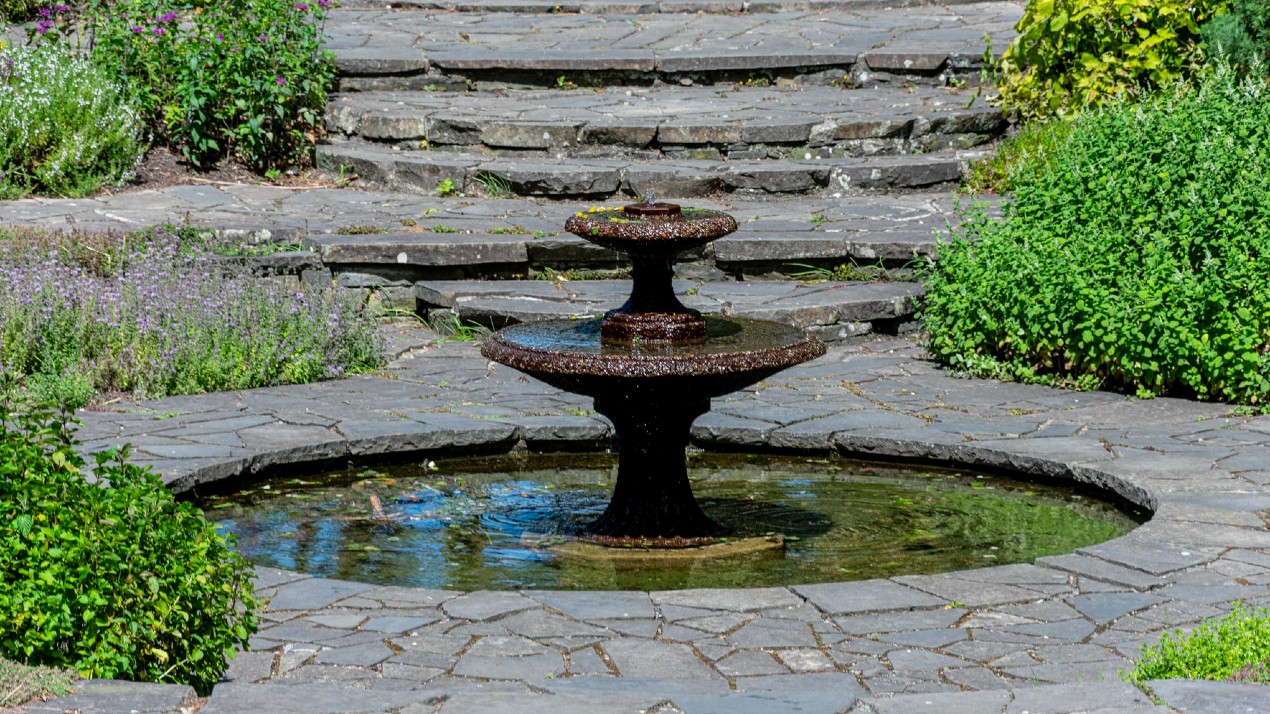
Victorian fountains often feature intricate details and elegant shapes. Look for ornate patterns like scrolls, leaves, and floral motifs. Tiered basins are common, adding height and grace. Statues of cherubs, animals, or mythical creatures suit the style well. Choose designs that feel delicate yet grand. Soft curves and symmetry create a balanced look. Rich textures, like carved stone or cast iron, add depth. These details help capture the Victorian spirit in your fountain.
Incorporating Natural Materials
Natural materials add warmth and authenticity to the fountain. Stone, brick, or terracotta work beautifully for the basin and base. These materials age well and blend with garden plants. Wood accents can add rustic charm but need weather protection. Use natural colors like earth tones or muted greens. These blend seamlessly with surrounding foliage. Moss and small plants around the fountain create a soft, natural feel. Natural materials connect the fountain to the garden’s environment.
Gathering Materials And Tools
Gathering the right materials and tools is the first key to building a beautiful Victorian garden fountain. Having everything ready makes the process smooth and enjoyable. It helps avoid pauses and keeps your project moving forward.
This section covers the essential tools and recommended materials needed for your fountain. Each item plays a role in shaping your fountain’s look and function.
Essential Tools List
- Shovel – for digging the fountain base
- Trowel – for detailed shaping and smoothing
- Measuring tape – ensures accurate dimensions
- Level – to keep the fountain balanced
- Drill with masonry bits – to make holes in stone or concrete
- Bucket – for mixing concrete or carrying water
- Rubber gloves – protect hands during work
- Wire brush – cleans surfaces before assembly
- Sandpaper – smooths rough edges
- Waterproof sealant applicator – to apply sealant evenly
Recommended Materials
| Material | Purpose |
|---|---|
| Concrete mix | Forms the fountain base and structure |
| Natural stone or cast stone | Gives a classic Victorian look |
| Water pump | Keeps water flowing smoothly |
| PVC piping | Connects the pump and water features |
| Waterproof sealant | Prevents leaks and water damage |
| Decorative elements (statues, spouts) | Add Victorian style and charm |
| Gravel or pebbles | Helps with drainage around the base |
Constructing The Base
Constructing a solid base is the cornerstone of building your Victorian garden fountain. The base supports the entire structure, so it must be stable and durable. Paying attention to these details now will save you from future repairs and water damage.
Laying The Foundation
Start by choosing a flat, level spot in your garden that complements the fountain’s design. Clear away any grass, roots, or debris to create a clean workspace.
Dig a shallow pit about 4 to 6 inches deep, wide enough to hold the fountain’s base securely. Fill this pit with compacted gravel or crushed stone to improve drainage and prevent the base from shifting.
Next, pour a concrete slab over the gravel, aiming for at least a 4-inch thickness. Smooth it out carefully and let it cure for at least 48 hours before placing the fountain on top.
Waterproofing Techniques
Waterproofing the base is essential to protect both the foundation and surrounding soil. Applying a waterproof sealant will stop water from seeping into the concrete and causing cracks over time.
Use a brush-on liquid membrane or a waterproofing paint specifically designed for concrete surfaces. Apply at least two coats, allowing each to dry thoroughly between applications.
Consider adding a layer of waterproof membrane beneath the concrete slab during installation for extra protection. This step is especially helpful if your garden soil tends to retain moisture.
Have you thought about how moisture could affect your fountain’s lifespan? Taking these waterproofing steps ensures your Victorian garden fountain remains a beautiful focal point for years.
Building The Fountain Structure
Building the structure of a Victorian garden fountain requires careful planning and precise assembly. The base and main body must be sturdy to support water flow and decorative elements. Choosing durable materials helps the fountain last through seasons. This part focuses on assembling the core pieces and adding Victorian-style details.
Assembling The Main Components
Start by placing the fountain’s base on a level surface. This ensures stability and proper water flow. Attach the basin securely to the base using waterproof adhesive or screws made for outdoor use. Connect the central column or pedestal next. It should fit tightly to avoid wobbling.
Install the pump in the basin, positioning it where it can circulate water easily. Use tubing to link the pump to the top tiers or spouts. Seal all joints with waterproof sealant to prevent leaks. Check that all parts align straight and hold firmly before moving on.
Decorative Accents And Finishes
Victorian fountains often feature ornate designs and elegant finishes. Add decorative elements like scrollwork, floral motifs, or carved patterns to the column and basin edges. Paint or stain the fountain with weather-resistant colors that suit the garden’s style.
Apply a clear sealant over paint for extra protection. Place small statues or urns around the fountain base for added charm. Finally, polish metal parts to enhance their vintage appeal. These accents bring the Victorian fountain to life with authentic beauty.
Installing The Water Pump
Installing the water pump is a key part of creating a Victorian garden fountain. The pump moves water through the fountain, creating that classic flowing effect. Choosing the right pump and installing it correctly ensures the fountain works well and lasts long.
Selecting The Right Pump
Choose a pump that matches your fountain size. Too small, and water flow will be weak. Too large, and it might splash water everywhere.
- Check the pump’s flow rate. This is how much water it moves per hour.
- Look for a pump designed for outdoor use. It should be waterproof and durable.
- Consider energy efficiency to save on electricity costs.
- Quiet operation is best for a peaceful garden atmosphere.
Proper Installation Steps
Place the pump at the bottom of the fountain basin. It should sit on a flat, stable surface to avoid vibration.
Use a pump pad or small stones under the pump to reduce noise and protect it.
Attach the fountain hose to the pump outlet securely. This directs the water flow correctly.
- Make sure the hose is the right size for the pump outlet.
- Check for any leaks or loose connections before filling the basin.
- Fill the basin with clean water, covering the pump completely.
- Plug the pump into a GFCI outlet for safety.
Test the pump to see the water flow. Adjust the hose or pump position to get the desired effect.
Adding Water Features
Adding water features to your Victorian garden fountain transforms it from a simple decoration into a dynamic centerpiece. Water brings life, movement, and soothing sounds that draw people in. Think about how a gentle splash or a cascading flow can make your garden a calm retreat or a lively gathering spot.
Cascades And Waterfalls
Cascades and waterfalls add vertical interest and motion to your fountain. You can create small tiered drops where water gently spills from one level to the next. This layering not only looks elegant but also creates a relaxing sound that fills your garden.
Try using natural stones or cast concrete to build your cascades, matching the Victorian style with intricate patterns or floral shapes. Adjust the flow rate to avoid overpowering noise; you want a peaceful murmur, not a roaring rush. Have you noticed how even a subtle waterfall can change the atmosphere in your outdoor space?
Incorporating Plant Life
Plant life around and within your fountain enhances its charm and blends it with the garden. Choose plants that thrive in moist environments, such as ferns, hostas, or water lilies if you have a basin. These add texture, color, and a natural feel that complements Victorian aesthetics.
Position plants to frame the fountain without blocking the water features. Adding trailing vines or flowering shrubs nearby can soften hard edges and add seasonal interest. How might you arrange your plants to balance beauty with easy maintenance?
Maintenance Tips
Proper maintenance keeps your Victorian garden fountain beautiful and functional. Regular care prevents damage and extends its life. Follow these simple tips to maintain a charming water feature in your garden.
Regular Cleaning Routine
Clean your fountain often to stop dirt and algae buildup. Remove leaves and debris daily. Scrub the basin and statues gently using a soft brush. Use mild soap and water for tough spots. Rinse thoroughly to avoid soap residue. Check the pump and filters monthly. Clear any blockages to keep water flowing smoothly.
Seasonal Care Guidelines
Adjust care with changing seasons to protect your fountain. In warm months, check water levels regularly. Add fresh water to prevent drying out. During colder months, drain the fountain completely. Remove the pump and store it indoors. Cover the fountain with a breathable tarp to avoid frost damage. Inspect for cracks or wear in spring before use.

Credit: www.youtube.com
Frequently Asked Questions
What Materials Are Best For A Victorian Garden Fountain?
Classic materials include cast iron, stone, and ceramic. These provide durability and an authentic Victorian look. Choose weather-resistant options for outdoor use.
How Do I Maintain A Victorian Garden Fountain?
Clean the fountain regularly to prevent algae buildup. Check the pump and water levels weekly. Use mild cleaning agents to protect delicate finishes.
Can I Build A Victorian Fountain On A Budget?
Yes, use DIY kits or repurpose vintage items. Simple designs can be elegant and affordable. Focus on key Victorian elements like ornate details and tiered bowls.
Where Should I Place My Victorian Garden Fountain?
Place it in a central, visible garden spot. Ensure easy access to power for the pump. Surround it with Victorian-style plants for a cohesive look.
Conclusion
Creating a Victorian garden fountain adds charm to any outdoor space. It brings calm sounds and a classic look to your garden. Using simple materials and clear steps makes the process easy. You can enjoy the beauty and peace it offers every day.
Start small, and watch your garden transform slowly. A Victorian fountain is a lovely touch that anyone can build. It invites nature and history right into your yard. Try it and see how your garden feels alive and fresh.

