
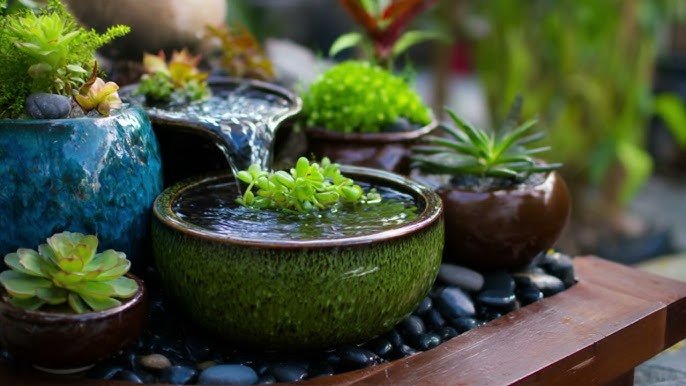
Imagine stepping into your own backyard and instantly feeling like you’ve been transported to a lush tropical paradise. You can make this dream a reality by creating a tropical style water feature that brings soothing sounds and vibrant beauty right to your doorstep.
Whether you want a peaceful retreat or a stunning focal point, this guide will show you exactly how to design and build a water feature that fits your space and style. Ready to transform your outdoor area into a refreshing oasis?
Let’s dive into the easy steps that will help you create your perfect tropical escape.
Choosing The Right Location
Choosing the right location for your tropical style water feature is crucial to its success. The spot you pick affects the overall look, health of plants, and ease of maintenance. Think about how sunlight, space, and visibility will impact your water feature every day.
Assessing Space And Sunlight
Start by measuring the available space carefully. Your water feature needs enough room to breathe and blend naturally with surrounding plants and furniture.
Sunlight is a key factor. Tropical plants and water elements thrive with a good balance of sun and shade. Too much direct sun can heat the water, stressing fish and plants, while too little sun may stunt growth.
Observe your garden at different times—morning, afternoon, and evening. Where does the sunlight fall? This will help you place the feature in a spot that supports healthy plant growth and keeps water temperatures comfortable.
Considering Accessibility And Visibility
Ask yourself: Can you easily reach the water feature for cleaning and maintenance? You don’t want to struggle with awkward angles or obstructed paths.
Visibility matters too. Position your water feature where you and your guests can enjoy its beauty without obstacles. Near a patio or seating area often works well.
Think about the views. Does the location offer a peaceful retreat or a lively focal point? Your choice will influence how often you interact with and appreciate your tropical water feature.

Credit: www.youtube.com
Selecting Tropical Plants
Choosing the right tropical plants for your water feature sets the mood and brings vibrant life to your space. The plants you pick should thrive in water or moist conditions and match the look you want to create. Think about colors, textures, and sizes that will complement your water feature’s design.
Ask yourself: do you want bold, large leaves that make a statement, or delicate flowers that add subtle charm? Your choice will affect not only the style but also how easy your water feature is to maintain. Selecting plants that suit your environment and care abilities makes a big difference in the long run.
Popular Tropical Water Plants
- Water Lilies (Nymphaea):These classic plants add a splash of color with their floating flowers and broad leaves.
- Lotus (Nelumbo):Known for their striking blooms and large leaves, lotus plants bring elegance to any water garden.
- Pennywort (Hydrocotyle):This fast-growing ground cover has round leaves that float on the water surface, perfect for filling gaps.
- Canna Lily (Canna indica):Adds height and bold foliage, thriving in shallow water or wet soil.
- Water Hyacinth (Eichhornia crassipes):Floating plant with beautiful purple flowers, good for natural filtration.
Plant Care Tips
Make sure your tropical plants get enough sunlight—most need at least 4 to 6 hours daily. Too little light can stunt growth and dull colors.
Watch water quality closely. Stagnant water invites pests and algae, so keep your water moving or change it regularly. Feeding your plants with aquatic plant fertilizer helps them stay healthy and vibrant.
Trim dead leaves and flowers often to prevent decay in the water. Don’t crowd plants; give them room to grow so they don’t compete for nutrients. Are you ready to give your tropical water feature the lush, thriving look it deserves?
Designing The Water Feature
Designing a tropical style water feature is an exciting chance to bring a slice of paradise into your own outdoor space. The key is balancing aesthetics with functionality while making sure it fits your garden’s vibe. Think about what kind of experience you want—do you want a peaceful retreat or a lively focal point? Your design choices will shape how you interact with the space every day.
Types Of Water Features
There are plenty of water feature options that suit a tropical style. You might choose a small pond filled with colorful fish and lush plants, or a cascading waterfall that adds soothing sound. A fountain with natural stone elements can also create a striking centerpiece without taking up too much space.
- Ponds:Great for attracting wildlife and adding depth to your garden.
- Waterfalls:Perfect for introducing movement and the calming noise of flowing water.
- Fountains:Easy to install and maintain while providing visual interest.
Which of these fits your lifestyle and garden size best? Your choice will guide how you set up the rest of the space.
Incorporating Natural Elements
Natural materials give your water feature that authentic tropical feel. Think about using rocks, bamboo, and driftwood to create a relaxed, organic look. These elements also help the water feature blend smoothly with the surrounding greenery.
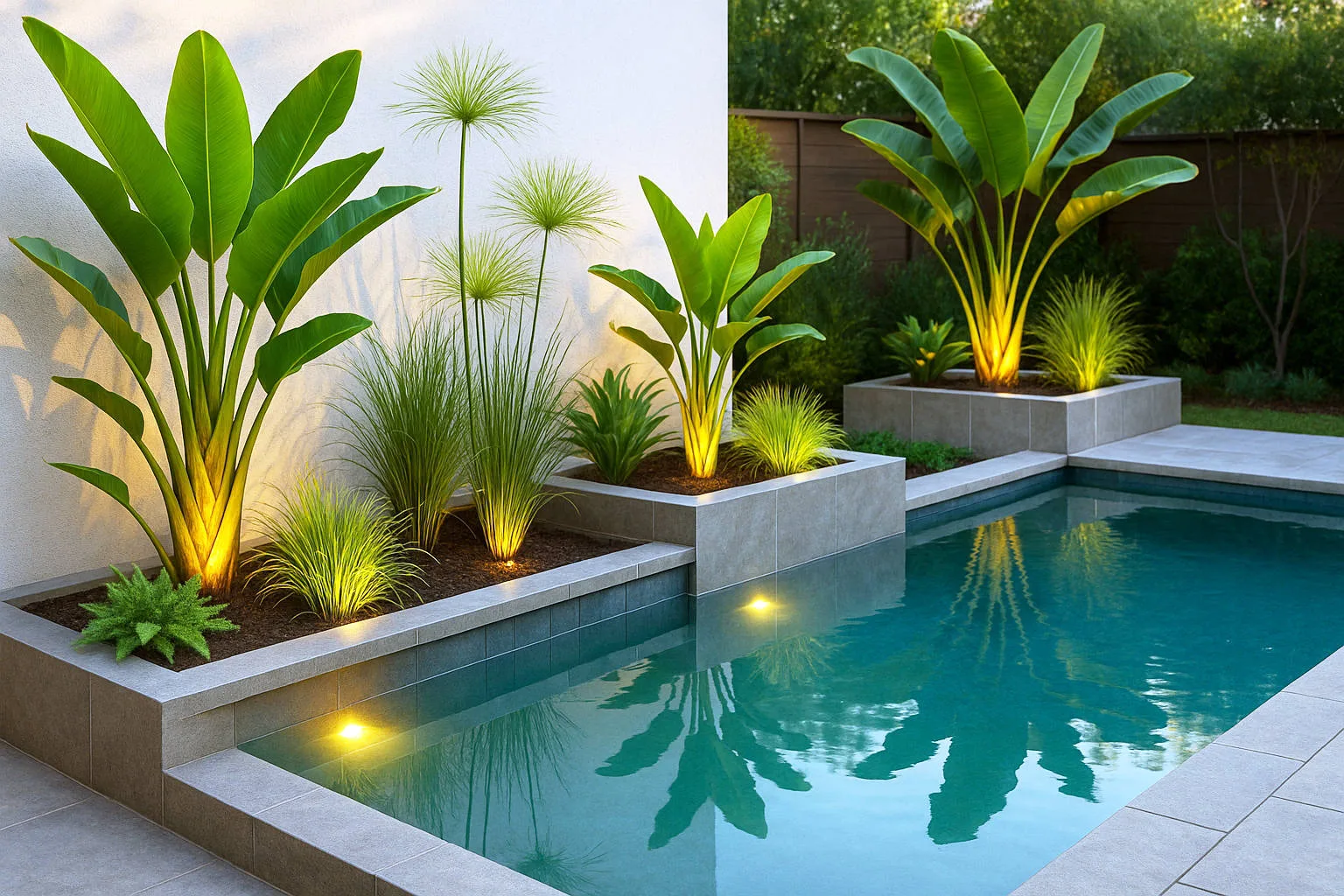
Adding plants like ferns, palms, or even orchids around your water feature softens hard edges and adds layers of texture. Don’t forget aquatic plants like water lilies or lotus—they not only look beautiful but help keep your water clean. How can you use these natural touches to make your water feature feel like a true oasis?
Credit: myhouseplant.garden
Building The Structure
Building the structure of your tropical style water feature is where your vision begins to take solid form. It’s about creating a strong, reliable base that supports the water flow and aesthetic elements. Getting this right ensures your feature not only looks stunning but lasts through seasons of use.
Materials And Tools Needed
Gathering the right materials and tools is key before you start building. You’ll need:
- Waterproof pond liner– to hold water without leaks
- Submersible pump– for water circulation
- Rocks and stones– natural elements for structure and decoration
- Wood or concrete blocks– to create the frame or base
- PVC piping– to connect the pump and direct water flow
- Shovel and trowel– for digging and shaping
- Level tool– to keep surfaces even
- Silicone sealant– for waterproof sealing
Having these ready helps the building process go smoothly. Are you prepared to handle each material safely and efficiently?
Step-by-step Construction
Start by selecting a location with enough space and some natural shade. Mark the shape of your water feature on the ground using spray paint or string.
Next, dig out the area following your marked shape. The depth depends on how large and deep you want your water feature to be—around 18 to 24 inches is common for tropical styles.
Lay the pond liner carefully, making sure it fits snugly without wrinkles. Use rocks or weights at the edges to hold it in place temporarily.
Place the submersible pump at the deepest point. Connect the PVC piping and route it discreetly to where the water will flow out, such as a small waterfall or spout.
Build up the edges with wood or concrete blocks to create a natural border. Arrange stones and rocks around the perimeter and over the liner edges to hide it and add tropical charm.
Seal any gaps with silicone sealant to prevent leaks. Finally, fill the feature with water and test the pump. Watch how the water moves—does it flow smoothly, or do you need to adjust the piping?
How will you customize this base structure to make your tropical water feature truly unique?
Installing Pumps And Filtration
Installing pumps and filtration is vital for a tropical style water feature. These components keep the water clean and flowing smoothly. Proper installation ensures a healthy environment for plants and fish. It also enhances the look and sound of your water feature.
Choosing The Right Pump
Select a pump based on the water feature’s size and flow needs. Pumps have different power levels measured in gallons per hour (GPH). Match the pump’s flow rate to your water volume. Too weak a pump leads to stagnant water; too strong can cause splashing.
Submersible pumps are common for tropical water features. They sit underwater, are quiet, and easy to install. External pumps work well for large features but need extra space and protection from weather.
- Check the pump’s energy use for cost efficiency.
- Look for pumps with adjustable flow settings.
- Choose a pump with a good warranty for reliability.
Setting Up Filtration Systems
Filtration removes dirt, debris, and harmful substances. It keeps the water clear and safe for plants and fish. Mechanical filters catch solid particles, while biological filters break down waste.
Place filters where water flow is steady. Avoid areas with heavy debris build-up. Maintain filters regularly by cleaning or replacing media. This prevents clogging and keeps the system effective.
| Filter Type | Function | Maintenance |
|---|---|---|
| Mechanical | Traps solid waste and debris | Clean or replace filter pads weekly |
| Biological | Breaks down harmful chemicals | Rinse media gently every month |
| Chemical | Removes toxins and odors | Replace activated carbon regularly |

Credit: www.youtube.com
Adding Decorative Elements
Adding decorative elements brings life and personality to a tropical style water feature. These details create a natural and inviting look. They enhance the soothing sounds and sights of water. Choose elements that blend well with tropical themes and your outdoor space.
Rocks And Stones
Rocks and stones shape the foundation of a tropical water feature. Use smooth river rocks or large flat stones for a natural look. Arrange them around the water’s edge or within the feature itself. Mix sizes and colors for visual interest.
Stack stones to create small waterfalls or gentle cascades. Moss or small plants can grow between rocks for added charm. Avoid sharp edges to keep the area safe and friendly.
Lighting Options
Lighting highlights your water feature at night and adds a magical glow. Use soft LED lights under or around the water for subtle effects. Solar-powered lights offer an easy, eco-friendly choice.
- Place spotlights to emphasize waterfalls or plants.
- Use floating lights for a playful, dynamic look.
- Colored lights can create mood and enhance the tropical vibe.
Adjust lighting to avoid harsh glare. Light should invite relaxation and draw attention to key features.
Maintaining Your Water Feature
Maintaining your tropical style water feature keeps it beautiful and healthy. Regular care prevents problems like algae buildup and pump damage. It also ensures the water stays clear and fresh for plants and fish.
Cleaning And Water Quality
Clean your water feature often to stop debris from piling up. Remove leaves, dirt, and dead plants by hand or with a net. Check the water for cloudiness or bad smell. Clear water means a healthy environment.
Test the water quality with simple kits. Look for balanced pH, low ammonia, and proper oxygen levels. Change some water regularly to avoid toxins. Use water treatments safe for fish and plants if needed.
Seasonal Care Tips
Adjust your care routine as seasons change. In hot weather, add water more often to keep levels steady. Shade the feature if the sun is too strong to reduce algae growth.
In colder months, clean the feature before winter. Remove pumps and store them indoors if possible. Cover the water with a net to catch falling leaves. Stop feeding fish if they become less active in cold weather.
Frequently Asked Questions
What Materials Are Best For Tropical Water Features?
Use natural stones, bamboo, and driftwood for authenticity. These materials blend well with tropical plants and create a relaxing vibe.
How Do I Maintain A Tropical Water Feature?
Clean debris regularly and check water levels. Use a pump for circulation and avoid algae buildup with natural treatments.
Which Plants Suit Tropical Water Features?
Choose lush, moisture-loving plants like ferns, palms, and water lilies. They thrive in humid, wet environments typical of tropical settings.
How Much Space Is Needed For A Water Feature?
A small to medium space works well. Ensure enough room for plants, water circulation, and safe access for maintenance.
Conclusion
Creating a tropical style water feature brings calm and beauty to any space. Use plants, stones, and water to build a natural look. Keep the design simple and let the water flow gently. This adds life and peace to your garden or patio.
Enjoy the sound of water and the feeling of nature close by. A tropical water feature can make your outdoor area a relaxing retreat. Start small, and watch your space transform with ease.

