
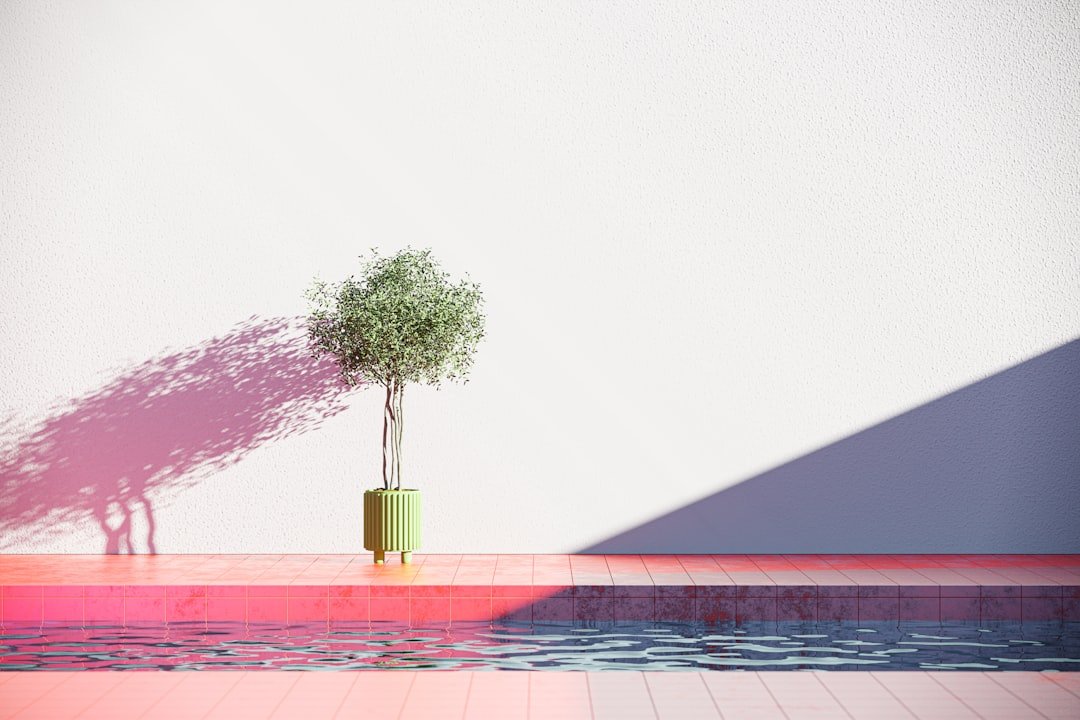
Are you looking to transform your outdoor space into a stunning retreat? Creating a focal point with a water feature can do just that.
Imagine the soothing sound of flowing water drawing your eyes and calming your mind every time you step outside. But how do you make sure your water feature stands out and becomes the centerpiece of your garden or patio? You’ll discover simple, effective ways to design and place your water feature so it captures attention and enhances your space.
Keep reading to find out how to turn your yard into a captivating oasis that you—and your guests—will love.
Choosing The Right Location
Choosing the right location for your water feature is key to making it the focal point of your garden. The perfect spot enhances the beauty and creates a calm atmosphere. It is important to think about the garden’s layout, how visible and accessible the feature will be, and the light it will receive. These factors affect how well the water feature stands out and how much you enjoy it.
Assessing Garden Layout
Start by looking at your garden’s shape and size. Notice pathways, plants, and other features. Find open spaces that do not block views or movement. A water feature should fit naturally without crowding the area.
Consider placing it where visitors pause or gather. Corners can work, but central spots often draw more attention. Keep balance by avoiding spots too close to large trees or buildings.
Considering Visibility And Access
Think about where people spend most time in your garden. Near seating areas or patios is ideal. The water feature should be easy to see and reach.
Check sight lines from windows inside your home. This extends enjoyment to indoors. Paths leading to the feature invite exploration and create a welcoming feel.
Maximizing Natural Light
Sunlight brings sparkle to water and highlights movement. Choose a spot that gets good light during the day.
Avoid deep shade from tall trees or walls. Morning or late afternoon sun gives soft, warm light. Bright light can also support nearby plants and help keep water clean.

Credit: www.angi.com
Selecting Water Feature Types
Selecting the right water feature type is key to creating a strong focal point. Each type brings a unique mood and style to your space. Consider the size, sound, and visual impact before choosing. The goal is to enhance your garden or yard with a water feature that feels natural and inviting.
Fountains And Cascades
Fountains add movement and sound to any area. They work well in small or large spaces. Cascades offer a gentle flow of water over rocks or steps. Both create soothing sounds that attract attention. Choose styles from classic to modern to match your design. Fountains and cascades highlight entryways or patios beautifully.
Ponds And Waterfalls
Ponds bring a natural look and support wildlife. Waterfalls add drama with rushing water and splashes. Together, they create a peaceful retreat in your yard. Ponds can hold fish or plants for extra interest. Waterfalls catch light and create a relaxing atmosphere. These features suit larger gardens with space for planting.
Reflecting Pools
Reflecting pools offer calm and still water surfaces. They mirror the sky, trees, and surroundings. These pools create a sense of depth and space. They work well in minimalist or formal gardens. Reflecting pools require less maintenance without moving water. They invite quiet reflection and enhance symmetry in your design.
Design Elements For Impact
Creating a water feature that truly stands out requires more than just placing it in your garden or yard. Design elements play a crucial role in making your water feature a captivating focal point. By carefully selecting lighting, color, texture, plants, and rocks, you can shape an inviting and dynamic space that draws the eye and sparks conversation.
Incorporating Lighting
Lighting can transform your water feature from a simple decoration to a stunning nighttime attraction. Use underwater LED lights to highlight the movement of water and create shimmering reflections.
Consider soft spotlights or lanterns around the edges to add depth and warmth. Have you thought about how different light colors might change the mood? Warm white lights offer a cozy feel, while cool blues can evoke calmness.
Using Color And Texture
Color and texture add layers of interest that make your water feature pop. Choose materials with contrasting textures, such as smooth tiles paired with rough stone, to create a tactile experience.
Brightly colored tiles or pebbles at the base of your feature can catch the eye and enhance the water’s natural sparkle. Think about how the colors around your water feature blend or contrast with the rest of your landscape. What feelings do you want the colors to evoke?
Adding Plants And Rocks
Plants and rocks bring life and natural beauty to your water feature, making it feel integrated with the environment. Use a mix of tall grasses and low-growing plants to frame the water and soften hard edges.
Rocks of varying sizes can add structure and mimic natural water settings like streams or ponds. Try grouping rocks in odd numbers for a more organic look. Have you experimented with native plants that thrive in your climate to reduce maintenance?
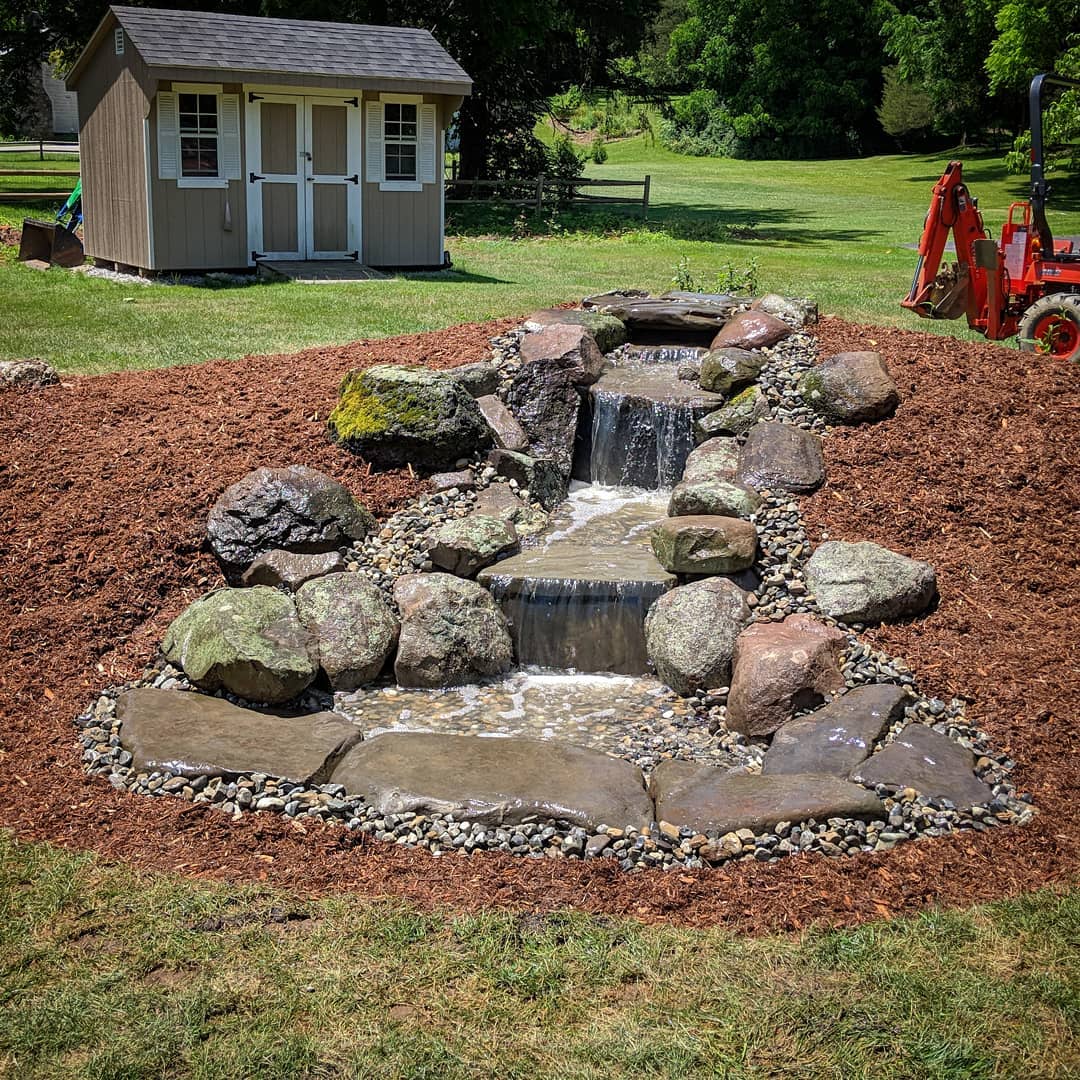
Credit: www.extraspace.com
Integrating With Surroundings
Creating a water feature that feels like a natural part of your space takes careful thought about how it fits with what’s already around it. The goal is to make your water feature stand out without clashing or feeling out of place. This balance helps draw attention to the feature while enhancing the overall look of your garden, patio, or yard.
Complementing Architecture
Your water feature should echo the style and materials of your home or outdoor structures. If your house has a modern design with clean lines, consider a sleek, geometric water feature made of concrete or metal. For a rustic or traditional home, stone basins or natural rock waterfalls work well.
Think about color too. Matching or harmonizing colors between your water feature and your building’s exterior creates a seamless look. This connection makes your space feel thoughtfully planned rather than random.
Balancing Scale And Proportion
The size of your water feature matters as much as its style. A tiny fountain in front of a large house can seem lost, while a giant pond next to a small balcony might overwhelm the space. Measure your area and choose a feature that feels balanced.
Try to visualize how the water feature will relate to nearby plants, furniture, and pathways. Does it invite you to sit nearby? Can you see it clearly from key viewpoints? These details help create a focal point that feels intentional and inviting.
Creating Movement And Sound
Water adds life through its movement and sound, but not all features need to be loud or dramatic. A gentle trickle over stones can provide a soothing background sound that masks street noise without overpowering conversation.
Consider what kind of atmosphere you want. Do you want your water feature to energize the space with splashing and bubbling? Or do you prefer a calm, meditative effect? Your choice will guide the design and placement.
What sounds make you feel relaxed or refreshed? Think about how your water feature can create a sensory experience that fits your daily routine and mood.
Maintenance Tips For Longevity
Maintaining a water feature ensures it stays beautiful and lasts for years. Regular care prevents damage and costly repairs. Focus on cleaning, equipment upkeep, and seasonal changes. These steps keep your water feature functioning well and looking fresh.
Cleaning And Water Quality
Remove debris like leaves and dirt daily. Use a net or skimmer for easy cleaning. Check the water clarity regularly. Clear water prevents algae growth and keeps the feature attractive. Change the water partly every few weeks. Use water treatments safe for plants and animals. Avoid harsh chemicals that can harm the ecosystem.
Pump And Equipment Care
Inspect the pump often to ensure it runs smoothly. Clean the pump filter and impeller to stop clogs. Turn off the pump before cleaning to avoid accidents. Check hoses and connections for leaks or damage. Replace worn parts quickly to keep the system efficient. Proper pump care saves energy and extends its life.
Seasonal Adjustments
Prepare the water feature for changing weather. In cold climates, drain or cover it to avoid freezing damage. Remove pumps and store them indoors during winter. In warmer months, check water levels more often. Adjust treatments to control algae in hot weather. Seasonal care protects your water feature year-round.
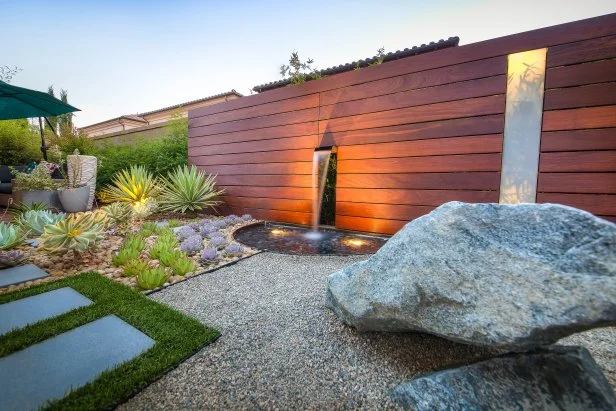
Credit: www.hgtv.com
Frequently Asked Questions
What Is A Focal Point In Garden Design?
A focal point draws attention and anchors your garden’s visual appeal. It creates interest and guides the eye naturally. Water features are ideal focal points due to their movement, sound, and reflective qualities. They enhance ambiance and add serenity to outdoor spaces.
How Do Water Features Create A Focal Point?
Water features attract attention with flowing water and soothing sounds. Their design contrasts with surrounding plants and structures, making them stand out. Positioning them strategically in your garden highlights key areas and encourages relaxation and enjoyment.
Which Water Feature Suits Small Gardens Best?
Compact fountains, small ponds, or wall-mounted waterfalls suit small gardens perfectly. They add charm without overwhelming limited space. Choose designs that complement your garden’s style and scale for a balanced and inviting look.
How To Position A Water Feature For Maximum Impact?
Place water features where they are easily visible from seating areas or entry points. Avoid clutter around them to maintain focus. Consider natural sightlines and sunlight to enhance reflections and overall appeal.
Conclusion
Creating a water feature draws eyes and adds calm to any space. Choose a spot where it stands out clearly. Use plants or stones to frame it well. Keep the design simple to avoid clutter. Water sounds bring peace and attract attention naturally.
Regular care keeps your feature looking its best. A well-made water feature becomes a beautiful center point. It changes the feel of your garden or yard. Everyone enjoys the soothing look and sound it gives. Your outdoor space will feel fresh and inviting.

