
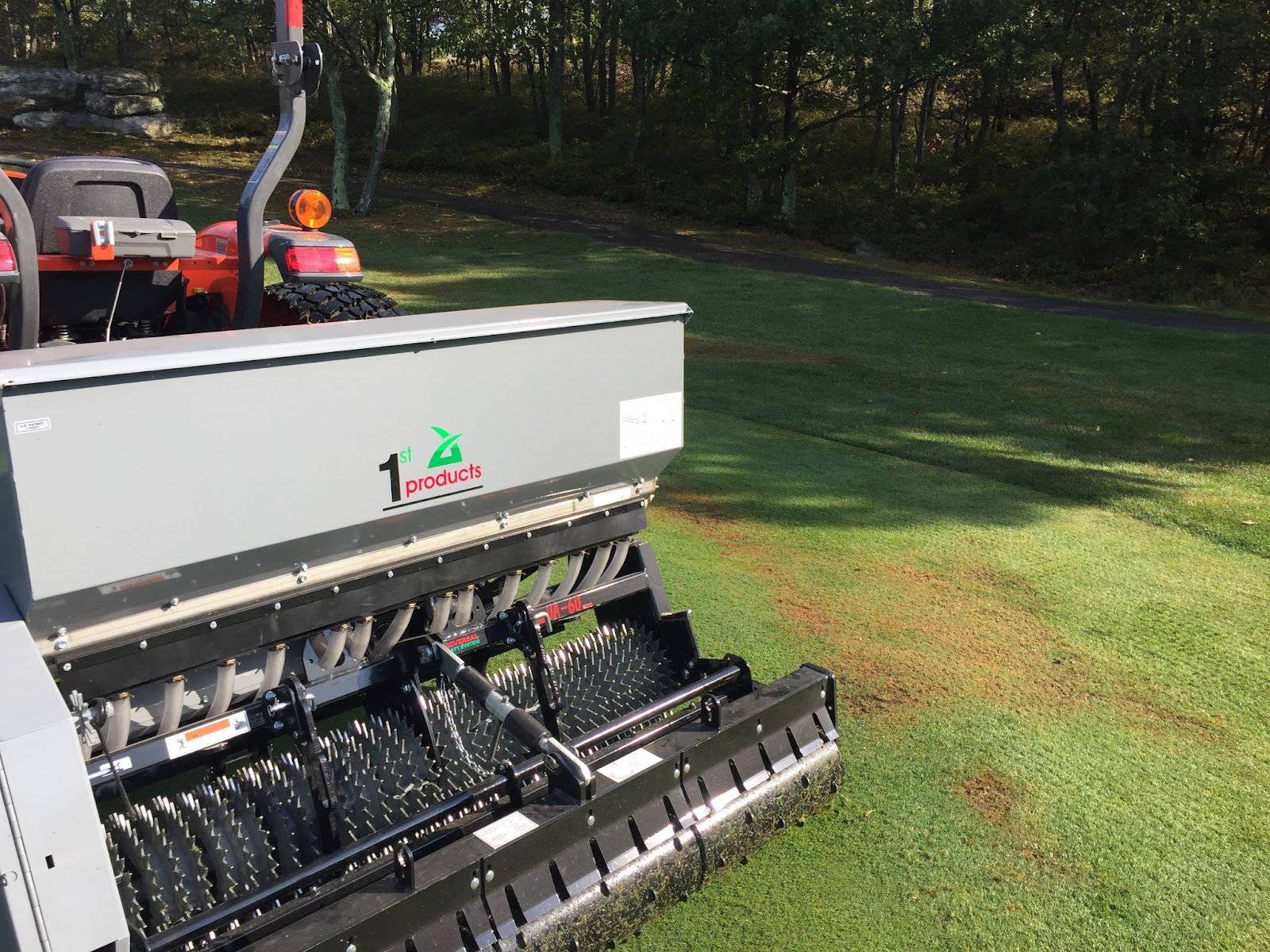
If you want a lush, healthy lawn, combining aeration and fertilization is the secret weapon you need. But how do you do it right?
When you understand how these two processes work together, your grass can soak up nutrients better, grow stronger, and stay green longer. You’ll discover simple steps to combine aeration and fertilization effectively. Keep reading, and you’ll learn how to give your lawn the care it deserves—without wasting time or money.

Credit: 1stproducts.com
Benefits Of Aeration
Aeration helps improve soil health by creating space for air and water.
It allows roots to grow stronger and plants to absorb nutrients better.
Improved Soil Oxygen Levels
Aeration increases the amount of oxygen in the soil. This oxygen is vital for root growth and soil microorganisms.
Better oxygen levels help plants stay healthy and resist diseases.
Enhanced Water Absorption
Aeration helps water soak into the soil more easily. This reduces water runoff and pooling on the surface.
- Water reaches plant roots faster
- Less water waste
- Prevents waterlogging
- Supports deeper root growth
Reduced Soil Compaction
Soil compaction limits root growth and blocks air and water flow. Aeration loosens the soil and reduces compaction.
| Effect | Benefit |
| Loosened soil | Roots can grow deeper |
| Better air flow | Healthier soil life |
| Improved water movement | Stronger plants |
Advantages Of Fertilization
Fertilization helps lawns grow healthy and strong. It provides plants with the nutrients they need. Using fertilization with aeration can improve your lawn’s health greatly.
Fertilizers give essential nutrients that support grass growth. They also help soil stay rich and fertile. This makes the lawn greener and thicker over time.
Nutrient Supply For Growth
Fertilizers supply key nutrients like nitrogen, phosphorus, and potassium. These help grass grow faster and stronger. Each nutrient supports different parts of the plant.
- Nitrogenhelps grass develop green leaves.
- Phosphorussupports root growth and energy transfer.
- Potassiumimproves disease resistance and hardiness.
Strengthening Grass Roots
Fertilization makes grass roots deeper and stronger. Strong roots absorb water and nutrients better. This helps the lawn survive drought and stress.
- Improves water absorption
- Enhances nutrient uptake
- Increases resistance to pests and disease
- Supports recovery from damage
Improving Lawn Color And Density
Fertilizers help grass become thick and lush. A dense lawn blocks weeds from growing. The green color also looks healthy and fresh.
| Effect | Result |
| Increased leaf growth | Bright green color |
| More tillers (grass shoots) | Thicker lawn |
| Better nutrient balance | Uniform growth |
| Reduced weed invasion | Cleaner lawn surface |
Timing For Combined Application
Combining aeration and fertilization helps your lawn grow strong. It allows nutrients to reach the roots better.
Timing is key to get the best results when you apply both together. Knowing the right season and weather is important.
Best Seasons For Aeration And Fertilizing
Spring and fall are the best times to aerate and fertilize your lawn. Grass grows actively during these seasons.
Summer is too hot, which can stress the lawn. Winter is too cold for good nutrient absorption.
- Spring: Helps grass recover from winter.
- Fall: Prepares lawn for winter and boosts root growth.
Ideal Weather Conditions
Choose a day with mild weather for aeration and fertilizing. Avoid very hot or very wet days.
Light rain after fertilizing helps nutrients soak into the soil. Too much rain can wash nutrients away.
- Temperature between 50°F and 70°F is best.
- Soil should be moist but not soggy.
- Aerate before fertilizing for best results.
Frequency Of Treatment
Most lawns benefit from aeration and fertilization once or twice a year. This depends on grass type and soil.
Overdoing treatments can harm the lawn. Follow a schedule that fits your lawn’s needs.
- Cool-season grasses: Aerate and fertilize in fall and spring.
- Warm-season grasses: Treat in late spring and summer.
- Check soil health every year to adjust frequency.
Step-by-step Process
Combining aeration and fertilization helps your lawn grow healthy and strong. This guide shows you the steps to do both correctly.
Following these steps will improve soil health and give nutrients to your grass effectively.
Preparing The Lawn
Start by mowing your lawn to a medium height. Remove any leaves, sticks, or debris from the grass surface.
Water your lawn lightly one day before aeration. This softens the soil for better aeration results.
Aeration Techniques
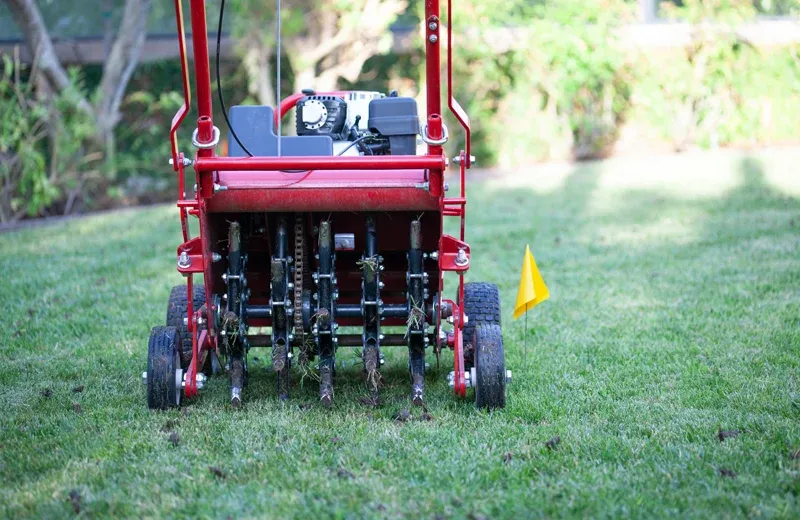
Use a core aerator to remove small plugs of soil from the lawn. This opens up space for air, water, and nutrients.
Focus on compacted areas and high-traffic spots. Aerate in one direction, then cross-aerate if needed for better coverage.
- Core aerator pulls plugs of soil
- Spike aerator pokes holes without removing soil
- Core aeration is best for thick, compacted lawns
Fertilizer Selection And Application
Choose a fertilizer that matches your grass type and season. Look for balanced nutrients with nitrogen, phosphorus, and potassium.
Apply fertilizer right after aeration. The holes help nutrients reach the roots quickly and efficiently.
- Use slow-release fertilizer for steady feeding
- Follow package instructions for the right amount
- Spread fertilizer evenly across the lawn
Post-application Care
Water your lawn lightly after fertilizing to help nutrients soak into the soil. Avoid heavy watering that may wash away fertilizer.
Keep foot traffic low for a few days. This lets the lawn recover and absorb nutrients well.
- Water within 24 hours of fertilizing
- Do not mow for 2-3 days after aeration
- Check for weeds and remove them promptly
Common Mistakes To Avoid
Combining aeration and fertilization helps your lawn grow healthy. You need to avoid certain mistakes to get the best results. These errors can harm your grass and waste time and money.
Here are common mistakes to watch for when aerating and fertilizing your lawn. Learning about these will help your lawn stay green and strong.
Over-fertilizing
Adding too much fertilizer can burn your grass and damage soil life. It may also cause excess growth that needs more mowing. Avoid putting on fertilizer too often or in large amounts.
- Apply fertilizer according to package instructions.
- Do not fertilize after heavy rain.
- Use slow-release fertilizer to feed grass evenly.
- Watch for signs of fertilizer burn, like brown patches.
Aerating At The Wrong Time
Aerating when grass is not growing well can harm your lawn. Aerate during active growth seasons for best results. Aerating too early or late reduces its benefits.
| Season | Best Aeration Time |
| Cool-season grass | Early spring or early fall |
| Warm-season grass | Late spring to early summer |
| Grass dormancy | Avoid aeration |
Ignoring Soil Testing
Not testing soil leaves you guessing the right fertilizer type and amount. Soil tests show nutrient levels and pH balance. Use test results to choose the best fertilizer and lime amounts.
- Prevents over-application of fertilizers
- Improves soil health
- Boosts lawn growth
- Saves money by using only needed nutrients
Tools And Equipment Needed
Combining aeration and fertilization helps your lawn thrive. Using the right tools ensures effective results.
Let’s explore the essential tools and equipment needed for this lawn care task.
Types Of Aerators
Aerators are crucial for improving soil health. They allow air, water, and nutrients to reach the roots.
- Manual Aerators: Ideal for small lawns.
- Spike Aerators: Create holes using solid spikes.
- Plug Aerators: Remove soil plugs for better aeration.
Fertilizer Distributors
Fertilizer distributors help spread nutrients evenly across your lawn. This ensures balanced growth and reduces wastage.
| Type | Description |
| Broadcast Spreader | Ideal for large areas, spreads in a wide path. |
| Drop Spreader | Offers precision, suitable for small lawns. |
| Handheld Spreader | Best for tight spaces and spot treatments. |
Additional Lawn Care Tools
Beyond aerators and distributors, other tools help maintain a healthy lawn. These tools support aeration and fertilization efforts.
- Garden Rake: Levels soil and removes debris.
- Watering Can or Hose: Ensures adequate moisture after treatment.
- Soil pH Tester: Checks soil conditions for optimal growth.
Monitoring Lawn Health
Combining aeration and fertilization is key to a healthy lawn. Monitoring helps you see changes and adjust care.
Understanding signs of improvement and addressing issues promptly ensures your lawn stays green and lush.
Signs Of Improvement
After aerating and fertilizing, look for positive changes in your lawn. These signs mean the process is working.
- Grass color turns a rich, deep green
- New growth appears evenly across the lawn
- Soil feels softer underfoot
Troubleshooting Issues
If your lawn shows problems, identify them early. Quick action can prevent further damage.
| Issue | Possible Cause | Solution |
| Yellow patches | Over-fertilization | Water deeply to dilute excess nutrients |
| Thinning grass | Compacted soil | Re-aerate affected areas |
| Weed growth | Poor lawn density | Increase seeding rate |
Adjusting Care Routine
As seasons change, adjust your lawn care routine. This ensures continued health and vitality.
Regularly check soil pH and nutrient levels to guide fertilization efforts.

Credit: hippoturfcare.com
Credit: www.proturfus.com
Frequently Asked Questions
What Is The Best Time To Aerate And Fertilize Together?
The best time to combine aeration and fertilization is during early spring or fall. These seasons promote optimal nutrient absorption and root growth. Aerating first allows fertilizer to penetrate deeper, improving soil health and lawn vigor.
Can I Apply Fertilizer Immediately After Aeration?
Yes, applying fertilizer immediately after aeration is ideal. Aeration creates holes in the soil, enabling fertilizer to reach roots quickly. This enhances nutrient uptake and supports healthier, thicker grass growth.
How Does Aeration Improve Fertilization Effectiveness?
Aeration reduces soil compaction and improves air, water, and nutrient flow. This allows fertilizer to reach grassroots efficiently. As a result, aeration boosts the overall effectiveness of fertilization and lawn health.
What Types Of Fertilizers Work Best After Aeration?
Slow-release or granular fertilizers work best after aeration. These fertilizers provide steady nutrients over time, preventing nutrient runoff. They promote sustained lawn growth and reduce the need for frequent applications.
Conclusion
Combining aeration and fertilization helps your lawn grow strong and healthy. Aeration opens the soil, letting air and nutrients reach roots easily. Fertilization adds the food grass needs to thrive. Doing both together saves time and improves results. Remember to follow the right steps and use good products.
Your lawn will thank you with greener, thicker grass. Keep this routine regular for the best lawn care. Simple actions bring great rewards. A healthy lawn feels good and looks great.

