

You know that satisfying feeling when your wheelbarrow has helped you power through a muddy job. But what happens next?
That thick layer of mud sticking stubbornly to your wheelbarrow can turn your next task into a hassle. If you leave it dirty, it could cause rust, damage, or make your work harder next time. You don’t want that. Cleaning your wheelbarrow the right way is easier than you think—and it can save you time and money in the long run.
Keep reading to discover simple, effective steps that will get your wheelbarrow spotless and ready for your next project.
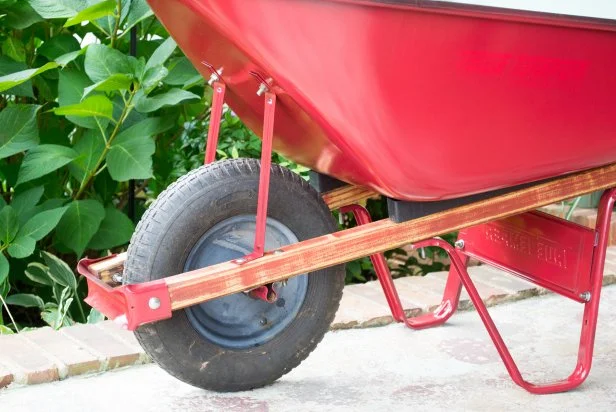
Credit: www.hgtv.com
Tools Needed For Cleaning
Cleaning your wheelbarrow after a muddy day isn’t just about rinsing it off. Having the right tools on hand makes the job faster and less frustrating. You don’t need fancy equipment; sometimes, simple supplies do the trick perfectly.
Basic Cleaning Supplies
- Garden hose:A steady stream of water helps wash away loose mud and dirt quickly.
- Stiff-bristled brush:Scrubs off caked-on mud without scratching the metal or plastic surface.
- Bucket of soapy water:Use mild dish soap to break down stubborn grime and grease.
- Rags or old towels:For wiping down the wheelbarrow and drying it to prevent rust.
- Rubber gloves:Protect your hands from dirt and cleaning chemicals.
Having these basics nearby means you won’t waste time searching for items mid-clean. I once tried cleaning without a stiff brush, and it took twice as long to remove dried mud.
Optional Power Tools
- Pressure washer:If you have one, it blasts away mud and debris with less effort.
- Electric scrubber:Saves energy on heavy scrubbing and reaches into corners easily.
- Air compressor:Can blow out dirt from hard-to-reach spots like wheel axles.
These tools aren’t essential but can save time if you clean your wheelbarrow frequently. Do you have access to any power tools, or do you prefer sticking to simple supplies? Sometimes, the basics offer better control for delicate parts.

Credit: www.youtube.com
Preparing The Wheelbarrow
Preparing your wheelbarrow before cleaning is key to making the process easier and more effective. Taking a few moments to set it up properly can save you frustration later on. It also helps prevent damage to the wheelbarrow and keeps your cleaning space tidy.
Removing Loose Debris
Start by shaking out any loose dirt, leaves, or mud clumps from the wheelbarrow. Use a sturdy brush or even a hand broom to sweep away stuck-on debris. This step stops dirt from mixing with water and turning into a stubborn sludge during cleaning.
I once skipped this part and ended up scrubbing for twice as long because the dried mud hardened with water. Avoid that hassle by taking a minute to clear out loose material first.
Positioning For Cleaning
Place your wheelbarrow in a spot where water runoff won’t cause a mess. Ideally, choose a driveway or grassy area with good drainage. Tilt it slightly forward so water and loosened dirt can flow out easily.
Think about how you’ll move around the wheelbarrow while cleaning. Position it so you have access to all sides without awkward bending or stretching. This small adjustment makes your cleaning more comfortable and thorough.
Step-by-step Cleaning Process
Begin by removing large clumps of mud using a stick or brush. Rinse the wheelbarrow with water to wash away dirt. Scrub stubborn spots with soap and a scrub brush, then rinse thoroughly and let it dry.
Cleaning a wheelbarrow after a muddy day in the garden or construction site might seem daunting. But with a structured approach, it becomes a straightforward task. By following a step-by-step cleaning process, you can ensure your wheelbarrow stays in top condition, ready for the next job.Soaking And Softening Mud
Start by filling the wheelbarrow with enough water to cover the muddy areas. Let it soak for about 15-20 minutes. This will help soften the dried mud, making it easier to remove. Consider using a hose to help with the soaking process. A hose allows you to direct water to stubborn spots, which speeds up the mud-softening.Scrubbing Techniques
After soaking, grab a stiff-bristled brush or a scrub pad. Scrub the surface in circular motions, focusing on areas where mud is thickest. For hard-to-reach corners, an old toothbrush can be a handy tool. If mud is particularly stubborn, a little dish soap can add extra cleaning power.Rinsing Thoroughly
Once scrubbing is complete, it’s time to rinse. Use a garden hose to wash away all the loosened mud and soap. Ensure you rinse both the inside and outside thoroughly. Leaving soap residues can lead to rust over time. By giving your wheelbarrow a proper rinse, you prolong its life and maintain its effectiveness. Have you considered the benefits of regular maintenance on your tools? It’s a simple step that prevents future headaches.Drying And Maintenance
After cleaning your wheelbarrow from mud, drying and maintenance are crucial. Proper care helps the wheelbarrow last longer and work better. Moisture left on the wheelbarrow can cause rust and damage. Taking time to dry it correctly prevents these issues. Regular maintenance keeps the wheelbarrow in top shape and ready for use.
Proper Drying Methods
Start by removing excess water with a cloth or towel. Wipe down all surfaces, including the handles and wheel. Place the wheelbarrow in a sunny, well-ventilated spot. Avoid leaving it on wet ground. If possible, tilt it forward so water drains away. Let it air dry completely before storing.
Preventing Rust And Damage
Check metal parts for any signs of rust or wear. Apply a thin layer of oil or rust-preventive spray on metal areas. Tighten loose bolts and nuts regularly. Store the wheelbarrow in a dry place, protected from rain. Use a cover if storing outside. Regularly inspect the wheelbarrow for damage and repair as needed.
Tips For Faster Cleaning
Cleaning a wheelbarrow after muddy work can take less time with smart tips. These tips help remove mud quickly and keep the wheelbarrow ready for the next job. Using simple tricks can reduce effort and prevent buildup.
Using Protective Coatings
Apply a protective coating on the wheelbarrow’s surface. This layer stops mud from sticking tightly. Use spray-on sealants or wax designed for metal or plastic. The coating creates a smooth surface that mud slides off easily.
Reapply the coating every few months. It keeps the wheelbarrow cleaner for longer. This saves time during each cleaning session.
Regular Cleaning Habits
Clean the wheelbarrow soon after use. Fresh mud is easier to remove than dried mud. Rinse with water to clear loose dirt quickly. Use a stiff brush to scrub stubborn spots.
Store the wheelbarrow in a dry place. This stops mud from hardening and rust from forming. Make cleaning a quick routine to avoid tough buildup later.
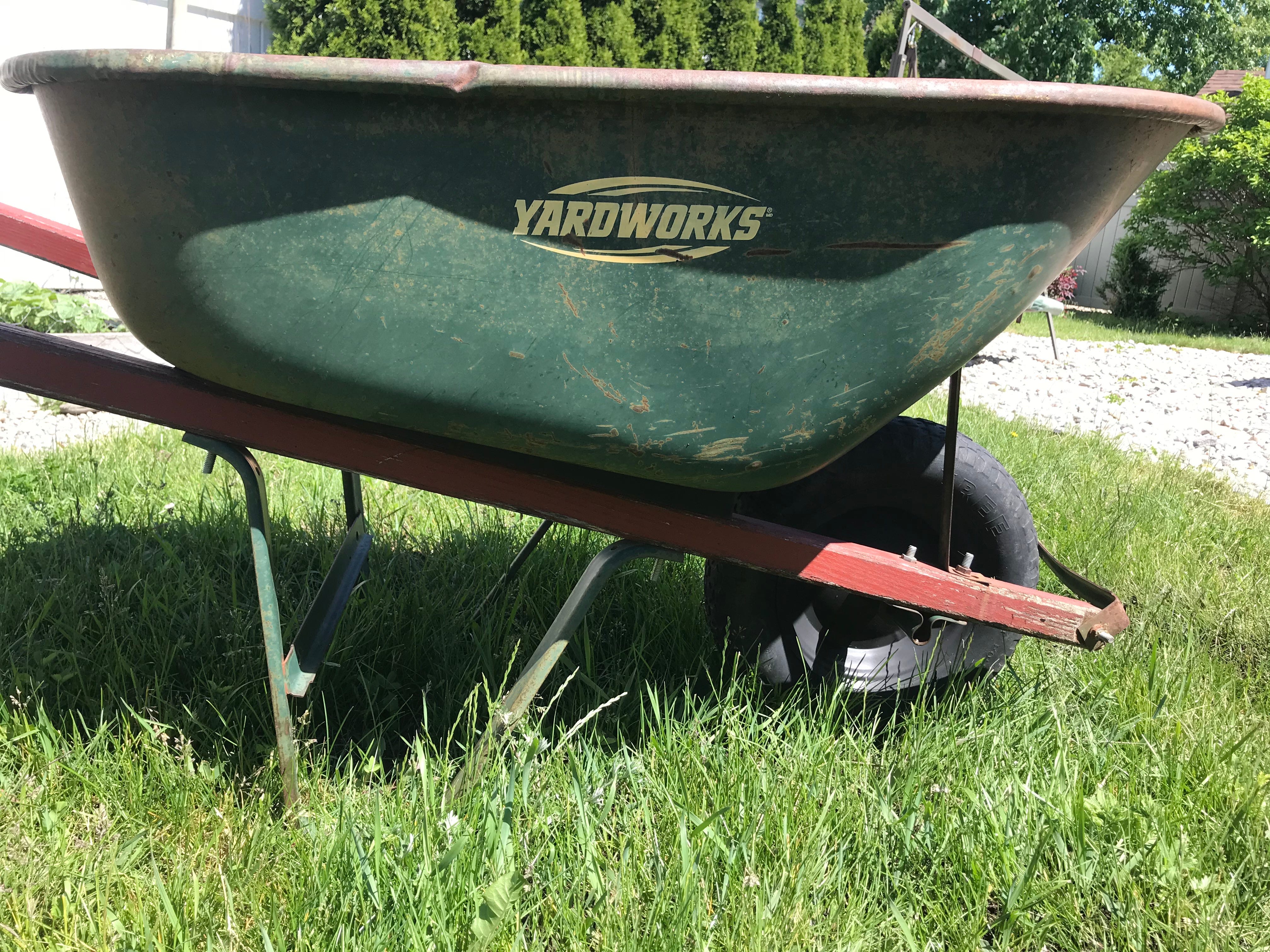
Credit: noah-dorego.medium.com
Frequently Asked Questions
How Do I Remove Thick Mud From A Wheelbarrow?
Start by scraping off thick mud with a sturdy tool. Then, use a garden hose to rinse the remaining dirt. For stubborn spots, scrub with a stiff brush and soapy water. This method ensures a thorough clean without damaging the wheelbarrow.
What Cleaning Tools Work Best For Wheelbarrow Mud?
A stiff brush and a garden hose are essential. Use a scraper for hardened mud. Mild soap helps break down dirt effectively. Avoid harsh chemicals to protect the wheelbarrow’s surface and maintain its durability.
How Often Should I Clean My Wheelbarrow After Use?
Clean your wheelbarrow after every muddy job. Regular cleaning prevents rust and prolongs its lifespan. Removing mud promptly also keeps the tool ready for the next task. Consistency is key for maintaining its performance.
Can I Use A Pressure Washer To Clean My Wheelbarrow?
Yes, a pressure washer works well for deep cleaning. Use a low to medium setting to avoid damage. It quickly removes mud and debris from hard-to-reach areas. Follow up with soap and water for best results.
Conclusion
Cleaning your wheelbarrow after muddy work keeps it in good shape. Regular cleaning stops rust and damage. Use water and a brush to remove mud easily. Dry it well to avoid moisture problems. Store the wheelbarrow in a dry place.
Small efforts save money and time later. Keep your tools ready for the next job. A clean wheelbarrow lasts longer and works better. Simple steps make a big difference. Try these tips after your next muddy task.

