
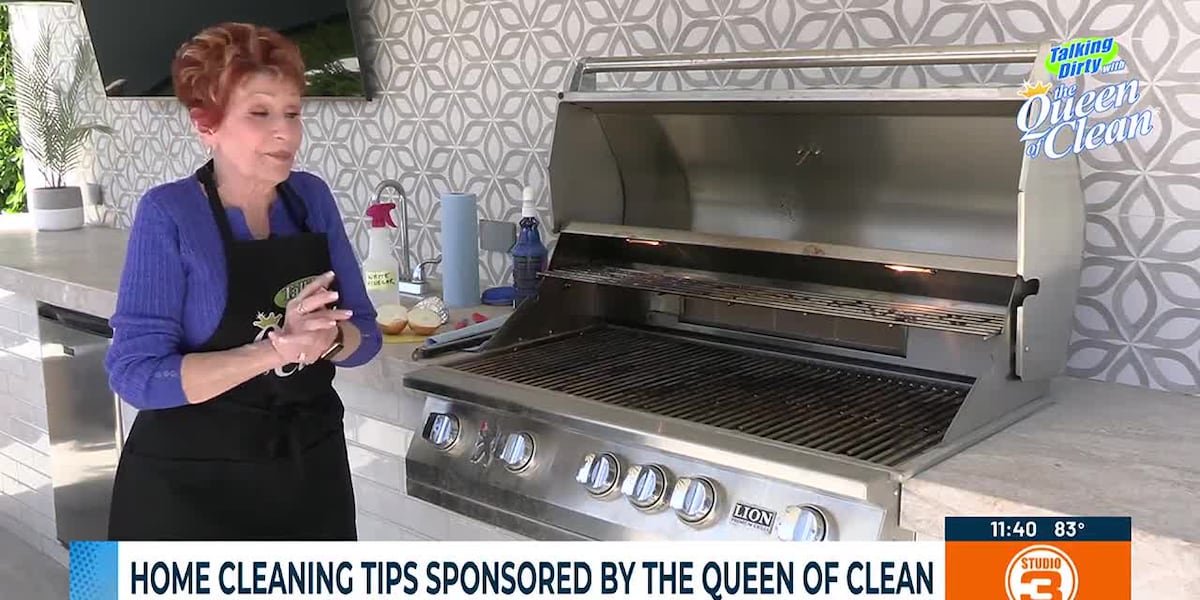
You love firing up your stainless steel gas grill for delicious meals, but cleaning it? That can feel like a chore.
What if you could make the process quick, simple, and even satisfying? Keeping your grill spotless not only extends its life but also ensures every bite tastes fresh and pure. In this guide, you’ll discover easy steps to clean your stainless steel gas grill like a pro—without wasting time or effort.
Ready to make your next cookout smoother and tastier? Let’s dive in.
Preparing Your Grill
Preparing your stainless steel gas grill is the first key step to effective cleaning. A well-prepared grill allows for easier removal of grease and dirt. Proper preparation also helps protect the grill’s surface and parts from damage. Taking time to organize and secure your workspace ensures a smooth cleaning process.
Gathering Cleaning Supplies
Start by collecting all necessary cleaning tools and materials. Having everything ready saves time and effort. Basic supplies include:
- Soft-bristle brush or grill brush
- Mild dish soap or specialized grill cleaner
- Warm water
- Microfiber cloths or sponges
- Bucket or spray bottle
- Protective gloves
- Paper towels or dry cloths
Choose non-abrasive cleaners to avoid scratching the stainless steel.
Ensuring Safety Measures
Safety is essential before cleaning your grill. Turn off the gas supply and disconnect the propane tank. Allow the grill to cool completely to prevent burns. Work in a well-ventilated area to avoid inhaling fumes. Wear gloves to protect your hands from grease and cleaning agents. Keep children and pets away from the grill area during cleaning.
Cleaning Grill Grates
Cleaning grill grates is essential to keep your stainless steel gas grill functioning well and tasting great. Grease, food particles, and burnt residue can build up quickly, affecting both the flavor of your meals and the lifespan of your grill. Tackling the grates with the right approach makes a big difference in maintaining a safe and enjoyable cooking experience.
Removing And Soaking Grates
Start by carefully removing the grates from your grill. This gives you better access to every nook and cranny.
Fill a large container or your kitchen sink with warm water and add a few drops of dish soap. Soaking the grates for at least 30 minutes helps loosen stubborn grease and grime.
If you notice particularly tough spots, sprinkle some baking soda on the grates before soaking. The gentle abrasive action can make scrubbing easier later.
Scrubbing And Rinsing Techniques
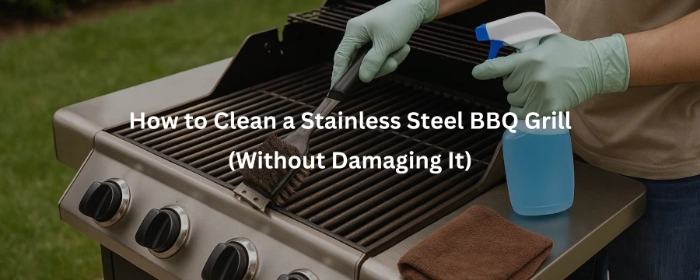
After soaking, use a grill brush with stiff bristles or a non-abrasive scrubbing pad to scrub the grates. Focus on burnt-on food and grease spots, applying firm but controlled pressure.
Try scrubbing in a back-and-forth motion rather than circular strokes to lift debris more effectively. Don’t forget to clean the edges where grease tends to accumulate.
Rinse the grates thoroughly with clean water to remove soap and loosened residue. Leaving soap behind can affect the taste of your food and damage the grill surface over time.
Have you ever noticed how a clean grate can transform the flavor of your grilled dishes? Keeping this part of your grill spotless is worth the effort every time.
Cleaning Burner Tubes
Cleaning burner tubes is essential for a stainless steel gas grill’s performance. These tubes carry the gas that fuels the flames. Dirt, grease, and food particles can clog them. Blocked tubes cause uneven heating or no flame at all. Regular cleaning keeps your grill working safely and efficiently. Follow simple steps to clear debris and check for blockages.
Removing Debris
Start by turning off the gas supply. Remove the grill grates and the burner tubes carefully. Use a soft brush or a cloth to wipe away loose dirt and grease from the tubes. For stuck-on grime, use warm soapy water and a sponge. Rinse and dry the tubes completely before reinstalling them. Avoid using sharp tools that can damage the tubes.
Checking For Blockages
Inspect the burner holes closely. They should be clear and open for gas flow. Use a toothpick or a small wire to gently clear any blocked holes. Do not enlarge the holes or use metal brushes, as this can cause damage. After cleaning, check for rust or cracks. Replace tubes if you find serious damage to avoid safety risks.
Cleaning The Exterior
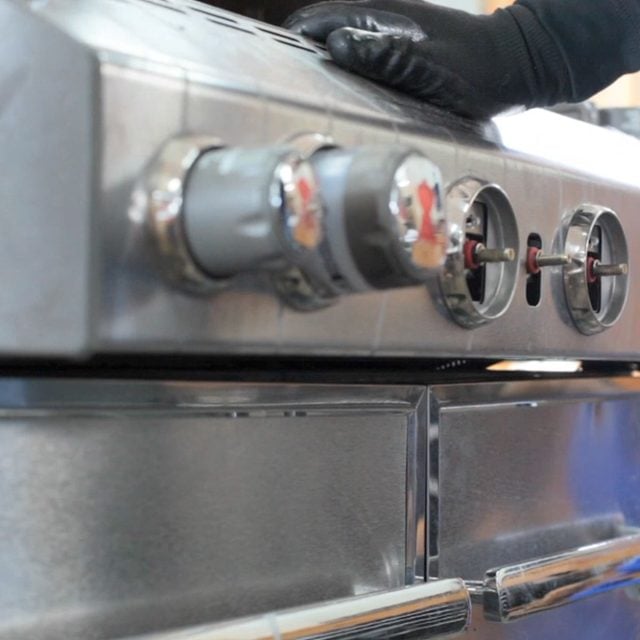
Wipe the grill’s exterior with warm, soapy water to remove dirt and grease. Use a soft cloth to avoid scratches and rinse with clean water. Dry the surface thoroughly to prevent water spots and maintain the stainless steel shine.
Cleaning the exterior of your stainless steel gas grill keeps it looking new. Regular maintenance prevents rust and preserves its shine. Focus on gentle techniques to avoid scratches or stains. Here’s how to clean the exterior effectively.Choosing The Right Cleaner
Select a cleaner designed for stainless steel. Avoid bleach and harsh chemicals. Vinegar and baking soda are excellent natural options. They clean without damaging the surface. Check the cleaner label for compatibility. Test it on a small area first.Polishing Stainless Steel Surfaces
Polish your grill to enhance its shine. Use a microfiber cloth for polishing. Apply polish in the direction of the grain. This prevents streaks and keeps the finish smooth. Regular polishing protects against weather and wear. Enjoy a grill that always looks its best.Cleaning The Interior
Cleaning the interior of your stainless steel gas grill is key to keeping it functioning smoothly and tasting great every time you cook. Grease and food residue can build up quickly, affecting heat distribution and even causing flare-ups. Tackling the inside regularly ensures your grill stays safe and your grilling sessions remain enjoyable.
Removing Grease Trays
The grease tray collects all the drippings during cooking, so it’s often the dirtiest part inside your grill. Pull it out carefully to avoid spills. If it’s full or sticky, soak it in warm, soapy water for 15–20 minutes to loosen the grime.
Use a non-abrasive scrubber or a sponge to clean off stubborn grease. Rinse well and dry it before placing it back. Neglecting this step can cause grease fires, so keeping the tray clean is not just about hygiene but safety too.
Wiping Down Interior Walls
After removing the trays, focus on the grill’s interior walls. Grease and food particles often stick to these surfaces, affecting cooking performance. Use a soft cloth or sponge with warm water and mild dish soap to wipe down all interior surfaces.
For tougher spots, a paste made of baking soda and water works wonders. Apply it, let it sit for a few minutes, then scrub gently. Avoid harsh chemicals that can damage the stainless steel or leave residues that may affect food taste.
Have you noticed uneven heating or flare-ups during grilling? Cleaning the interior walls might be the fix your grill needs. Keeping this area clean improves heat distribution and extends the life of your grill.

Credit: americanmadegrills.com
Preventing Rust And Damage
Preventing rust and damage keeps your stainless steel gas grill looking new. Regular care stops corrosion and extends the grill’s life. Small efforts protect the metal from weather and use wear. Clean and shield the surface after each use. Avoid harsh chemicals that harm the finish. Proper maintenance preserves shine and function for years.
Applying Protective Coatings
Use a stainless steel polish to add a protective layer. It repels moisture and dirt. Apply with a soft cloth in the direction of the grain. Avoid wax-based products that trap grime. Consider a thin coat of mineral oil for extra protection. Reapply coatings after cleaning or heavy use. This simple step reduces the risk of rust spots.
Proper Storage Tips
Store the grill in a dry place away from rain and snow. Cover it with a breathable grill cover to prevent moisture buildup. Avoid plastic covers that trap condensation. If storing indoors, clean the grill thoroughly first. Keep the lid slightly open to allow air circulation. Remove propane tanks and store separately in a safe area. Proper storage prevents rust and keeps parts working well.
Regular Maintenance Tips
Keeping your stainless steel gas grill in top shape doesn’t have to be a chore. Regular maintenance not only extends the life of your grill but also ensures every meal tastes its best. Simple habits after each cookout can prevent tough buildup and costly repairs down the road.
Post-cooking Cleaning Routine
Right after you finish grilling, let the grill cool slightly but stay warm enough to loosen food residue. Use a stainless steel brush or scraper to clean the grates thoroughly. This quick action helps avoid stubborn charred bits that are harder to remove later.
Wipe down the exterior with a damp cloth and mild dish soap to remove grease splatters. Dry the surface with a clean towel to prevent water spots. Don’t forget to check the grease tray and empty it regularly to avoid flare-ups and unpleasant odors.
- Brush grill grates while still warm
- Clean exterior surfaces with mild soap
- Empty and clean grease tray after each use
Seasonal Deep Cleaning
At least once every few months, take your grill apart for a deep clean. Remove the grates, burners, and flame tamers, then soak them in warm, soapy water. Use a soft brush to scrub away grease and buildup, making sure every crevice is spotless.
Inspect burner tubes for blockages or rust and clear any clogged holes with a small wire. Wipe down the interior of the grill with a non-abrasive cleaner to maintain its shine and prevent corrosion. This thorough cleaning helps your grill perform better and last longer.
- Soak and scrub grates, burners, and flame tamers
- Clear burner tubes to ensure even flame distribution
- Clean the interior with a gentle, non-abrasive cleaner
How often do you really check your grill’s burners or grease trays? Making a habit of these small tasks can save you from unexpected grill problems and improve every grilling session.
Credit: www.familyhandyman.com
Credit: behindthegrill.com
Frequently Asked Questions
How Often Should I Clean My Stainless Steel Gas Grill?
Clean your stainless steel gas grill after every use. Regular cleaning prevents grease buildup and rust. Deep clean it monthly for optimal performance and longevity.
What Materials Are Best For Cleaning Stainless Steel Grills?
Use a soft cloth or sponge with mild dish soap and warm water. Avoid abrasive tools that scratch the surface. Stainless steel cleaners work well for tough stains.
Can I Use Vinegar To Clean Stainless Steel Gas Grills?
Yes, vinegar is effective for removing grease and stains. Mix equal parts vinegar and water, spray, then wipe with a soft cloth. It’s natural and safe for stainless steel.
How Do I Prevent Rust On My Stainless Steel Gas Grill?
Wipe your grill dry after cleaning and cover it when not in use. Apply a thin layer of cooking oil to protect the surface from moisture and oxidation.
Conclusion
Cleaning your stainless steel gas grill keeps it working well. Regular care stops rust and grease build-up. Use gentle tools and mild cleaners for best results. A clean grill cooks food better and lasts longer. Take a few minutes after each use to wipe it down.
This simple habit saves time and effort later. Enjoy tasty meals with a grill that looks great too. Keep your grill ready for the next barbecue day. Simple steps make a big difference in grill care.

