
If you love cooking with your rotisserie attachment, keeping it clean is key to making every meal taste amazing. But cleaning it can feel like a hassle, right?
What if you had a simple, step-by-step way to get your rotisserie sparkling without wasting time or effort? In this guide, you’ll discover easy tips and tricks that make cleaning your rotisserie attachment quick and stress-free. Ready to bring back that fresh, like-new shine?
Keep reading—your next delicious meal depends on it!
Tools Needed
Cleaning a rotisserie attachment requires specific tools to make the process easy and effective. Having the right supplies helps remove grease, food particles, and burnt bits. It also protects the attachment from damage.
Gathering these tools before cleaning saves time and effort. Each item plays a role in reaching tight spots and ensuring a thorough clean. The tools are simple and usually found at home or in the kitchen.
Soft-bristle Brush
A soft-bristle brush loosens stuck-on food without scratching the metal. It works well for small crevices and hard-to-reach areas.
Mild Dish Soap
Mild dish soap cuts grease gently. It cleans without harming the finish of the rotisserie parts.
Microfiber Cloth
Use a microfiber cloth to wipe down surfaces after scrubbing. It absorbs moisture and leaves no lint behind.
Warm Water
Warm water helps dissolve grease and food debris. It makes soap more effective for cleaning.
Non-abrasive Sponge
A non-abrasive sponge removes dirt while protecting the metal. Avoid rough sponges that can scratch the surface.
Toothpick Or Cotton Swab
Toothpicks and cotton swabs reach tiny holes and corners. They clear out stubborn bits stuck deep inside.

Credit: www.vevor.ca
Preparing The Attachment
Preparing your rotisserie attachment before cleaning is essential to make the process smooth and effective. Taking a few careful steps can save you time and prevent damage to your equipment. It also helps you tackle grease and food residue more efficiently.
Detaching Safely
Start by unplugging your rotisserie or turning off your grill to avoid any accidents. Then, carefully remove the rotisserie attachment from the grill, following the manufacturer’s instructions. This prevents bending or breaking any parts and keeps you safe from hot surfaces.
Handle the spit rod and forks gently to avoid injury from sharp prongs. If the attachment feels stuck, don’t force it; check for locking mechanisms or screws you might have missed. Have you ever broken a piece because you rushed this step? Taking your time here pays off.
Removing Excess Grease
Before washing, wipe off large chunks of grease and food with paper towels or a soft cloth. This reduces mess and makes scrubbing easier later on. Using a disposable towel for this step keeps your cleaning tools cleaner.
If the grease is hardened, soak a cloth in warm water and lay it over greasy spots for a few minutes to soften it. Scraping gently with a plastic spatula can help lift stuck-on residue without scratching the metal. How much easier would cleaning be if you always removed grease first?
Cleaning Methods
Cleaning a rotisserie attachment keeps it working well and safe to use. Proper cleaning removes grease and food bits that build up. Use simple methods to make the job easier and faster. Each part needs special care to avoid damage and ensure long life.
Soaking In Warm Soapy Water
Fill a basin with warm water and mild dish soap. Submerge the rotisserie parts fully for 20 to 30 minutes. This softens stuck-on grease and food debris. Use a soft cloth to wipe off loosened dirt after soaking. Rinse parts well with clean water to remove soap. Dry all pieces completely before reassembling.
Using A Brush For Tough Spots
Use a nylon brush or an old toothbrush for stubborn grime. Scrub gently to avoid scratching the metal surface. Focus on joints and crevices where grease hides. Avoid wire brushes that can damage the finish. Wipe away loosened dirt with a damp cloth. Repeat brushing if needed until clean.
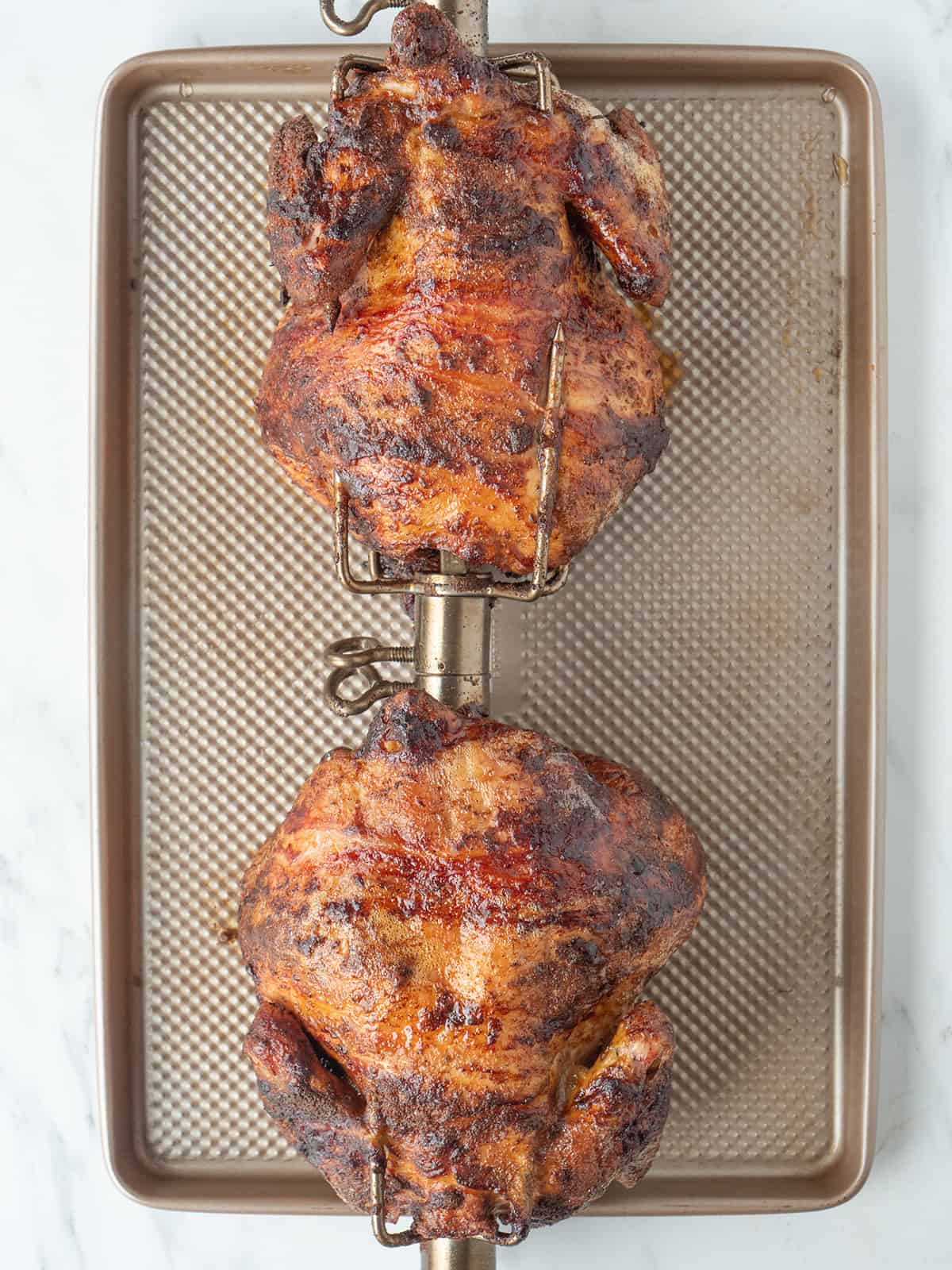
Cleaning The Motor And Spit Rod
Unplug the motor before cleaning to stay safe. Wipe the motor housing with a dry or slightly damp cloth. Do not immerse the motor in water or use harsh cleaners. For the spit rod, remove food bits with a soft cloth. Use a small brush to clean hard-to-reach areas. Dry the rod and motor thoroughly before use.
Credit: whatsgabycooking.com
Drying And Maintenance
Allow the rotisserie attachment to dry completely after washing to avoid rust. Wipe it with a clean cloth and store it in a dry place for best results. Regular maintenance keeps it working smoothly and extends its life.
Drying and maintaining your rotisserie attachment is crucial for its longevity and performance. Proper drying ensures that moisture doesn’t linger, which could lead to rust and degradation. A simple routine can keep your equipment in top shape and ready for the next delicious meal.Air Drying Tips
After a thorough cleaning, let your rotisserie attachment air dry completely. Place it on a clean, dry towel in a well-ventilated area. Ensure that all parts are separated to allow air to circulate freely around each component. Consider using a fan to speed up the drying process. This can be particularly helpful in humid environments where natural drying might take longer. Remember, rushing this step with towels might leave behind fibers.Preventing Rust
Rust can be a persistent enemy to your rotisserie attachment. To prevent it, ensure all parts are completely dry before storing. Even a small amount of moisture can initiate rusting. After drying, you can apply a light coat of vegetable oil to metal parts. This creates a protective barrier against moisture. Store the parts in a dry, cool place to minimize exposure to humidity.Regular Maintenance Schedule
Establishing a routine maintenance schedule can save you from unexpected issues. Make it a habit to inspect your rotisserie attachment every few uses for signs of wear or damage. Tighten any loose screws or bolts regularly. This ensures stability and safety during operation. Keep a checklist handy to track your maintenance tasks and note any replacements needed. Does your rotisserie attachment show any signs of wear? Regular attention can ensure it’s always ready to cook your next meal flawlessly.Troubleshooting Common Issues
Troubleshooting common issues with your rotisserie attachment can save you time and frustration. Cleaning challenges often arise from leftover grease and lingering odors. Addressing these problems effectively keeps your equipment in top shape and ready for your next delicious meal.
Stubborn Grease Removal
Grease can harden on your rotisserie parts, making it tough to clean. Instead of scrubbing endlessly, soak the pieces in hot, soapy water for at least 30 minutes. This softens the grease and makes it easier to wipe away.
If grease still clings, try a paste made from baking soda and water. Apply it to greasy spots and let it sit for 15 minutes before scrubbing with a non-abrasive sponge. This gentle approach protects the metal while tackling tough residue.
Dealing With Odors
Odors often linger after cooking fatty foods on your rotisserie. To neutralize smells, rinse your parts with a mixture of vinegar and water. Vinegar’s natural acidity breaks down odor-causing particles without harsh chemicals.
Another trick is to leave your cleaned rotisserie parts to air dry outside in the sun. Fresh air and sunlight help eliminate smells you might not remove through washing alone. Have you noticed how a quick outdoor airing changes the freshness of your gear?
Credit: whatsgabycooking.com
Frequently Asked Questions
How Often Should I Clean My Rotisserie Attachment?
Clean your rotisserie attachment after every use. This prevents grease buildup and food residue. Regular cleaning maintains hygiene and extends its lifespan.
What Is The Best Cleaning Method For Rotisserie Parts?
Soak removable parts in warm, soapy water. Use a soft brush to scrub away grease. Rinse thoroughly and dry before reassembling.
Can I Use A Dishwasher For Rotisserie Components?
Check the manufacturer’s instructions first. Many parts are dishwasher-safe, but some require hand washing. Avoid high heat to prevent damage.
How Do I Remove Stubborn Grease From The Rotisserie?
Apply a baking soda paste or vinegar solution. Let it sit for 10 minutes. Scrub gently with a non-abrasive brush and rinse well.
Conclusion
Cleaning your rotisserie attachment is simple and quick. Regular care keeps it working well and safe. Use warm water, mild soap, and a soft brush. Avoid harsh tools that can damage the surface. Dry it fully to stop rust or stains.
Clean parts often to enjoy better cooking results. A clean rotisserie lasts longer and cooks food evenly. Keep these tips in mind for easy maintenance. Your meals will taste better with a well-kept tool.

