
You love the smoky flavor that a pellet grill brings to your meals. But if you want that perfect taste every time, keeping your pellet grill clean is a must.
Imagine firing up your grill only to find it clogged with ash or covered in grease. Not fun, right? Cleaning your pellet grill doesn’t have to be a chore. In fact, with the right steps, it can be quick and easy.
You’ll discover simple tips that will help you maintain your grill, boost its performance, and extend its life. Ready to become a pellet grill cleaning pro? Let’s get started!

Credit: www.smokedbbqsource.com
Preparing Your Pellet Grill
Preparing your pellet grill properly sets the stage for effective cleaning and longer grill life. Taking the time to get everything ready not only makes the process smoother but also safer. Let’s look at how you can get your grill ready before you dive into the actual cleaning.
Gathering Cleaning Supplies
Start by collecting all the tools and materials you’ll need. This often includes a grill brush, scraper, vacuum (preferably a shop vac), microfiber cloths, mild detergent, and some warm water.
Having everything within arm’s reach means you won’t have to stop midway to find something. Think about adding a small bucket or container to hold screws or small parts you might remove during cleaning.
Safety Precautions
Safety should never take a backseat when handling your pellet grill. Make sure to disconnect the power source to avoid any electrical issues or accidental starts.
Wear gloves to protect your hands from sharp edges or hot surfaces. Also, consider eye protection if you plan to use a wire brush or compressed air to remove stubborn debris.
Cooling Down The Grill
Never start cleaning while your grill is still hot. A hot grill can cause burns and damage your cleaning tools.
Allow your grill to cool completely, which might take 30 minutes to an hour depending on how recently you used it. Use this waiting time to organize your cleaning supplies or check the grill’s manual for any specific instructions related to your model.
Removing Ash And Debris
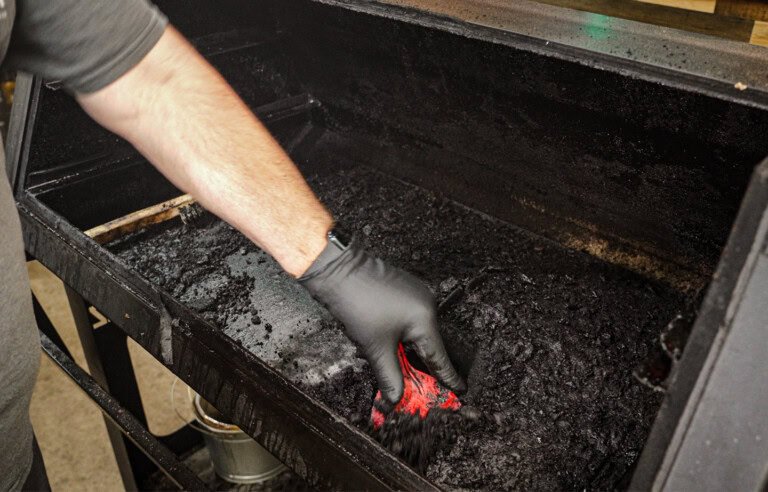
Removing ash and debris from your pellet grill is essential to keep it running smoothly and to ensure great tasting food every time. Ash buildup can block airflow and affect the temperature control, which might ruin your grilling experience. Regular cleaning also extends the life of your grill, saving you money and hassle down the road.
Emptying The Ash Catcher
Your pellet grill’s ash catcher collects the burned pellets, making cleanup easier. Check it after every few uses to avoid overflow. Simply slide out the catcher, dump the ash into a metal container, and wipe the catcher with a damp cloth to remove any leftover residue.
Make sure the ash is completely cool before handling it. Have you ever tried cleaning a grill while the ash was still hot? It’s a risk that’s better to avoid!
Cleaning The Firepot
The firepot is where pellets ignite, so ash and debris can quickly build up inside it. Use a small brush or shop vacuum to remove the ash from the firepot. If ash stays here too long, it can smother the fire and cause poor heat output.
Try to clean the firepot after every few cooks. You’ll notice your grill heats more evenly and the pellet burn becomes more efficient.
Clearing The Grill Grates
Grill grates collect grease, food bits, and ash, which can affect flavor and cause flare-ups. Scrub the grates with a grill brush or scraper after each use. For a deeper clean, remove the grates and wash them with warm soapy water.
Don’t let debris build up over time. Have you checked the grates recently? A clean grate means better searing and easier food release, making your grilling experience more enjoyable.
Cleaning Grill Components
Cleaning the grill components is vital to keep your pellet grill working well. Dirt and grease build-up affect cooking and taste. Regular cleaning extends the grill’s life and ensures safe cooking.
Scrubbing The Grill Grates
Start by removing the grill grates carefully. Use a stiff wire brush to scrub off stuck food and grease. For tough spots, soak the grates in warm soapy water for 15 minutes. Rinse well and dry completely before placing them back.
Wiping The Interior Walls
Open the grill and wipe the interior walls with a damp cloth. Use a mild detergent to remove grease stains gently. Avoid harsh chemicals that can damage the grill’s coating. Dry the walls with a clean cloth to prevent rust.
Cleaning The Drip Tray
Remove the drip tray and discard any grease or debris. Wash it with warm, soapy water and a soft sponge. Rinse thoroughly to avoid soap residue. Dry the tray fully to keep it in good shape and prevent fires.

Credit: www.smokedbbqsource.com
Maintaining The Pellet Hopper
The pellet hopper is the heart of your pellet grill. Keeping it clean ensures smooth operation and consistent heat. Dirt and leftover pellets can cause jams and affect the flavor of your food. Regular maintenance prevents costly repairs and extends the grill’s life.
Checking For Pellet Residue
Open the hopper and inspect for leftover pellets and dust. Pellet dust can clog the system and stop pellets from feeding correctly. Use a small brush or vacuum to remove loose debris. Look inside corners and edges where dust collects. Clean this area every few uses for best results.
Cleaning The Auger
The auger moves pellets from the hopper to the firepot. It can get stuck if dirty or blocked. Remove pellets and unplug the grill before cleaning. Use a soft brush or cloth to wipe down the auger. Avoid water to prevent rust. Check for any damage or wear and replace parts if needed.
Preventing Moisture Build-up
Moisture ruins pellets and causes clumps in the hopper. Store pellets in a dry place and keep the hopper closed tightly. Consider using a moisture absorber inside the hopper. Clean the hopper regularly to remove any damp residue. This keeps pellets dry and your grill working well.
Deep Cleaning Techniques
Deep cleaning your pellet grill is essential to keep it working efficiently and to extend its lifespan. It goes beyond just wiping down surfaces—you need to tackle the hidden grease, stuck-on food, and buildup that can affect flavor and performance. The following techniques will help you get your grill as clean as new, ready for your next cookout.
Using Grill Brushes And Scrapers
Grill brushes and scrapers are your first line of defense against stubborn residue. Choose a brush with sturdy bristles designed for pellet grills to avoid damaging the grates. Scrapers help remove burnt bits stuck in hard-to-reach places where brushes can’t reach.
After each cook, use the brush to sweep off loose debris. For a deep clean, scrape the grates while they’re still warm to break down grease faster. Have you noticed how much easier it is to clean when you don’t let buildup harden?
Applying Grill Cleaners
Grill cleaners are designed to dissolve grease and food particles that brushing alone can’t remove. Opt for non-toxic, food-safe cleaners to protect your health and the grill’s surface. Spray the cleaner generously on the grates and let it sit for a few minutes to soften grime.
Use a sponge or cloth to wipe down after the cleaner has done its job. Rinse thoroughly to avoid any residue affecting your food’s taste. How often do you think about the chemicals left behind after grilling?
Removing Rust And Stains
Rust can form if moisture is left on your grill for too long. To tackle rust spots, use a steel wool pad or a wire brush to scrub the affected areas gently. Afterward, wipe the surface clean and apply a light coat of cooking oil to protect the metal.
For stubborn stains, baking soda mixed with water can act as a natural abrasive. Make a paste, apply it to the stains, and let it sit before scrubbing. Have you checked your grill lately for hidden rust that could worsen over time?
Routine Maintenance Tips
Keeping your pellet grill clean is key to its performance and lifespan. Routine maintenance helps avoid buildup that can affect flavor and heat. Regular care also prevents costly repairs. These simple habits keep your grill ready for every cookout.
Scheduling Regular Cleanings
Set a cleaning schedule based on how often you use the grill. After every few uses, remove ashes and leftover pellets. Clean the grease tray to stop flare-ups and odors. Deep clean the grill every few months by scrubbing the grates and interior parts. This removes stuck-on food and grease.
Inspecting For Wear And Tear
Check your grill parts regularly for damage or wear. Look at the auger, fan, and igniter for signs of problems. Replace any broken or worn parts quickly to keep the grill working well. Keep an eye on seals and gaskets to avoid heat loss. Catching issues early saves money and hassle later.
Storing The Grill Properly
Store your pellet grill in a dry, covered area to prevent rust. Use a grill cover to protect it from dust and weather. Remove pellets if you won’t use the grill for a long time. Clean the grill thoroughly before storing to avoid pests and mold. Proper storage keeps your grill ready and safe.
Troubleshooting Common Issues
Pellet grills are popular for their convenience and flavor. But like any appliance, they can sometimes face issues. Regular maintenance can prevent most problems, but understanding common troubleshooting steps is crucial. Addressing these issues helps maintain your grill’s performance and longevity.
Handling Pellet Jams
Pellet jams can disrupt your cooking flow. They often occur due to moisture in pellets. Always store pellets in a dry place. If a jam happens, turn off the grill and let it cool. Clear out the jammed pellets from the auger. Use a wooden stick to gently push out any stuck pellets. Check for any damage before restarting the grill.
Fixing Uneven Heating
Uneven heating affects cooking results. Start by checking the grill’s temperature sensor. Clean or replace it if dirty or worn. Ensure the heat deflector and drip tray are correctly positioned. Misalignment can cause uneven heat distribution. Also, inspect the auger for blockages. Consistent pellet flow is vital for even heating.
Addressing Smoke Problems
Excessive smoke often signals a problem. First, check the pellet type and quality. Poor quality pellets produce more smoke. Clean the chimney and exhaust regularly to avoid blockages. Inspect the burn pot for buildup. Regular cleaning prevents excessive smoke production. Ensure the grill’s airflow is not obstructed. Proper airflow reduces smoke and enhances performance.

Credit: www.smokedbbqsource.com
Frequently Asked Questions
How Often Should I Clean My Pellet Grill?
Clean your pellet grill after every 20-25 uses or at least once a month. Regular cleaning prevents buildup and ensures optimal performance.
What Tools Are Needed To Clean A Pellet Grill?
You need a grill brush, scraper, vacuum, warm soapy water, and microfiber cloth. These tools help remove ash, grease, and residue effectively.
Can I Use Water To Clean Pellet Grill Parts?
Yes, use warm soapy water for grates and drip trays. Avoid soaking electronic components to prevent damage.
How Do I Remove Ash From A Pellet Grill?
Use a vacuum designed for ash or a brush and dustpan. Always clean ash when the grill is cool to avoid hazards.
Conclusion
Cleaning your pellet grill keeps it working well and tasting great. Regular care stops buildup and avoids damage. Take time to clean after each use. Use simple tools like brushes and cloths. Keep the grill dry to prevent rust. A clean grill gives better smoke and heat.
Enjoy cooking with a safe and tidy grill. Small efforts now save big problems later. Stay consistent and your grill will last long. Happy grilling!

