

Cleaning your heavy-duty gas grill might seem like a tough job, but it doesn’t have to be. If you want your grill to last longer and cook better, keeping it clean is key.
You’re about to discover simple, effective steps to get rid of grease, burnt food, and grime without wasting time or effort. Ready to make your grill shine and enjoy tastier meals? Keep reading, and you’ll learn exactly how to do it right.
Preparing Your Grill
Preparing your heavy-duty gas grill is the first step to effective cleaning. A well-prepared grill makes the cleaning process easier and safer. Taking time to get ready ensures you remove grease, dirt, and food residue properly. It also helps protect your grill and yourself from damage or injury.
Gathering Necessary Tools
Collect all tools before starting. This saves time and prevents interruptions. You will need:
- A stiff wire brush for scrubbing grates
- Soap or grill cleaner for degreasing
- A bucket of warm water
- Clean cloths or sponges
- A putty knife or scraper for stuck-on food
- Protective gloves
- A vacuum or brush for ash removal
Having these ready helps clean every part of your grill efficiently.
Ensuring Safety Measures
Safety is crucial before cleaning. Turn off the gas supply completely. Disconnect the propane tank or natural gas line. Allow the grill to cool down fully to avoid burns.
Wear protective gloves to guard against sharp edges and chemicals. Work in a well-ventilated area to avoid inhaling fumes. Keep a fire extinguisher nearby in case of flare-ups. Follow these steps to protect yourself and your grill during cleaning.
Disassembling Grill Components
Disassembling your heavy-duty gas grill helps you clean every part deeply. Taking apart key components makes dirt and grease easier to remove. It also protects your grill and keeps it working well for many seasons.
Removing Grates And Flavorizer Bars
Start by lifting the cooking grates from the grill. These grates hold your food and get very dirty. Set them aside for scrubbing later.
Next, remove the flavorizer bars located under the grates. These bars catch drippings and add smoky flavor. Carefully lift each bar out, keeping track of their order.
Clean these parts separately for the best results. Use a grill brush or warm soapy water to clear away grease and residue.
Taking Out Burners And Heat Shields
Locate the burners beneath the flavorizer bars. They create the flame and heat your grill. Unscrew or unclip them gently to avoid damage.
Remove the heat shields covering the burners. These protect the burners and spread heat evenly. They often slide or lift out easily.
Check for rust or blockages on burners and shields. Clean them with a soft brush and mild detergent. Dry thoroughly before reassembling.
Cleaning Grill Grates
Cleaning heavy-duty gas grill grates keeps your grill working well and food tasting great. Use a stiff brush to remove stuck-on grease and debris after each use. Warm water and mild soap help clear stubborn grime without harming the metal.
Cleaning Grill Grates Cleaning the grill grates of your heavy-duty gas grill can feel like a daunting task, but it doesn’t have to be. With the right techniques, you can keep your grill grates spotless and ready for the next barbecue. Let’s dive into some effective methods to make your grill shine.Soaking And Scrubbing Techniques
Soaking the grates is a great way to loosen burnt-on food and grease. Fill a large tub or your kitchen sink with warm, soapy water. Submerge the grates and let them soak for at least 30 minutes. This will soften the grime and make scrubbing much easier. Once soaked, use a sponge or a grill scrubber to scrub away any remaining debris. Pay special attention to the corners and edges where residue tends to hide. Rinse thoroughly with clean water before placing them back on the grill.Using Grill Brushes Effectively
Grill brushes are indispensable tools for maintaining your grill grates. Opt for a brush with stainless steel bristles for durability and effectiveness. Before using the brush, ensure the grill is slightly warm, as heat helps break down food particles. Brush the grates in a back-and-forth motion to remove stuck-on food. Be sure to check for loose bristles, as these can pose a hazard if left on the grill. Regular brushing after each grilling session can prevent buildup and extend the life of your grill grates. Have you ever wondered how often you should clean your grill? Consistent maintenance is key. Keeping your grill grates clean not only enhances your cooking experience but also ensures the safety and flavor of your food.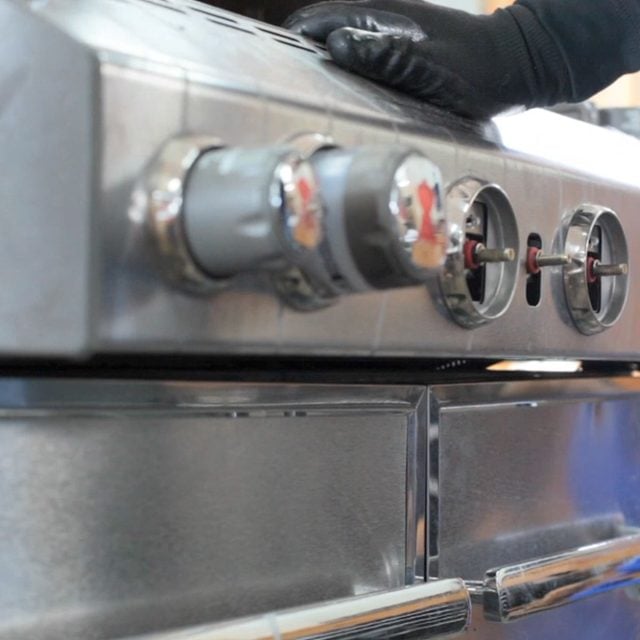
Credit: www.familyhandyman.com
Cleaning Burners And Heat Shields
Cleaning the burners and heat shields of your heavy-duty gas grill is key to keeping it running efficiently and safely. These components handle intense heat and grease buildup, which can cause uneven cooking or even dangerous flare-ups. Taking the time to clean and inspect them regularly ensures your grill performs at its best and lasts longer.
Clearing Blockages
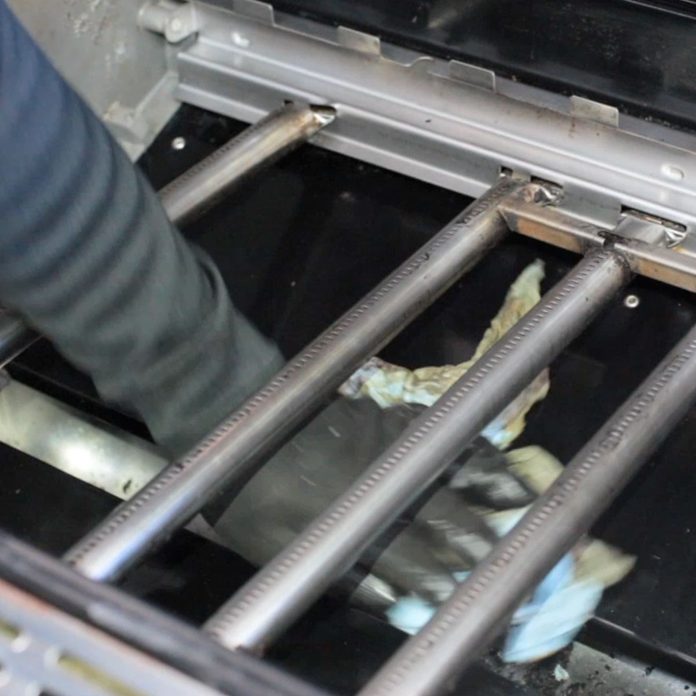
Burners often get clogged with grease, food particles, and debris. This blocks gas flow and results in weak or uneven flames. To clear blockages, remove the burners carefully and use a soft brush or a pipe cleaner to clean out the tiny holes where gas escapes.
Be gentle to avoid damaging the burner ports. You can also use compressed air to blow out stubborn debris. Have you checked how much buildup your burners have? Cleaning them can instantly improve your grill’s heat distribution.
Checking For Damage
Heat shields protect burners from dripping grease and flames, but they can corrode or warp over time. Inspect them closely for rust spots, cracks, or warping that could reduce their effectiveness. Replacing damaged heat shields is crucial; ignoring this can lead to burner damage and uneven cooking.
Look for holes or signs of metal thinning on the burners too. Even small cracks can cause gas leaks or flare-ups. Have you noticed your grill flames flickering or acting irregularly? That might be a sign your burners or shields need attention.
Cleaning The Grill Interior
Cleaning the grill interior keeps your heavy-duty gas grill working well. Dirt and grease build up inside. This can cause flare-ups and affect the taste of your food. Regular cleaning helps your grill last longer and cook better.
Removing Grease And Debris
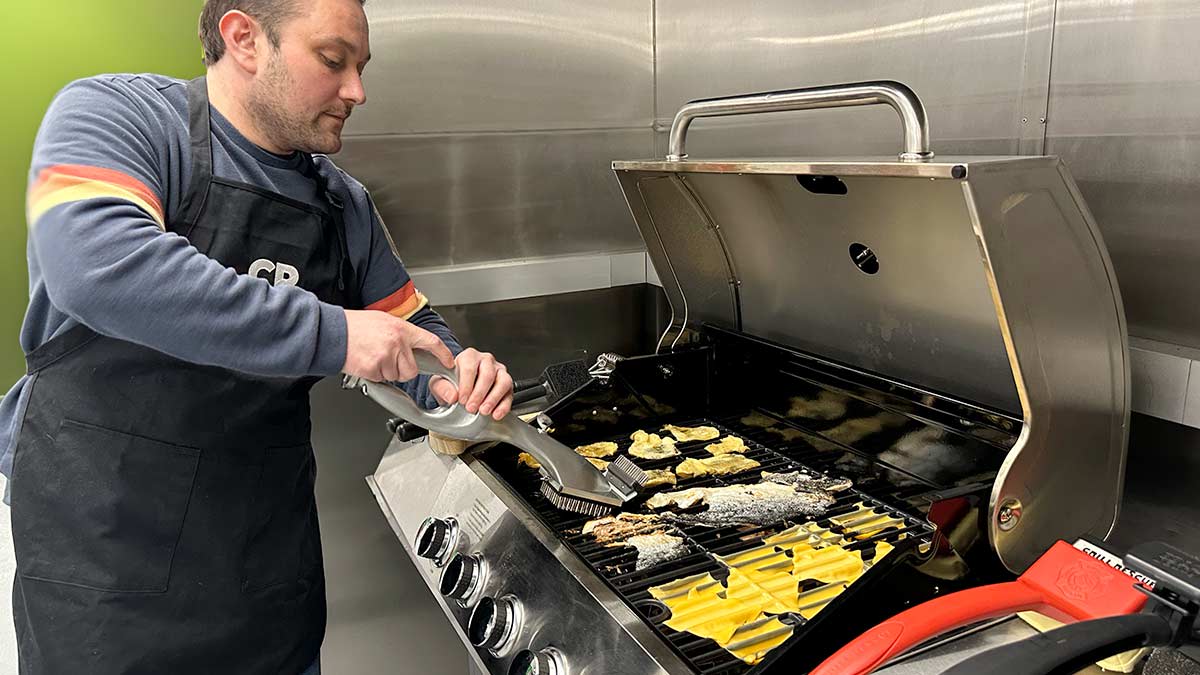
Start by turning off the grill and letting it cool. Remove the grates and burner covers carefully. Use a scraper or grill brush to remove stuck-on grease and food bits. Collect loose debris in a metal tray or pan.
For tough grease, use warm soapy water with a sponge. Avoid harsh chemicals that can damage grill parts. Rinse with clean water after scrubbing. Let all parts dry completely before putting them back.
Wiping Down Surfaces
Wipe the inside walls and lid with a damp cloth. Use a mild detergent for greasy spots. Clean the drip pan to prevent grease fires. Check vents and burners for blockages and clean gently.
Use paper towels or a dry cloth to remove moisture. Keeping the interior dry stops rust and mold. Regular wiping after each use keeps the grill fresh and ready.
Credit: www.consumerreports.org
Cleaning The Exterior
Cleaning the exterior of your heavy-duty gas grill keeps it looking sharp and protects it from damage. Dirt, grease, and weather can dull the surface. Regular care helps maintain the grill’s value and extends its life. Use gentle tools and the right cleaners to avoid scratches and fading. Focus on each part carefully to achieve a clean, polished look.
Polishing Stainless Steel
Stainless steel is common on many grills. It resists rust but can get fingerprints and smudges. Use a soft cloth and mild soap to wipe the surface first. Dry the area completely to avoid water spots. Apply a stainless steel polish or a small amount of olive oil to a clean cloth. Rub the polish in the direction of the grain for best results.
- Avoid abrasive cleaners that scratch the steel.
- Use microfiber cloths to prevent streaks.
- Polish regularly to maintain shine and protection.
Maintaining Paint And Finishes
Painted parts need special care to keep their color and finish. Use warm water and mild detergent to clean these areas. Avoid harsh chemicals that can peel or fade the paint. Rinse thoroughly with clean water to remove soap residue. Dry the surface well to prevent rust. For tough stains, use a soft brush to scrub gently without damaging the finish.
- Touch up paint chips promptly to stop rust.
- Cover the grill when not in use to protect paint.
- Check for cracks or peeling and repair as needed.
Reassembling The Grill
Reassembling your heavy-duty gas grill after cleaning is crucial for safe and efficient use. Careful placement of each part ensures the grill works correctly and lasts longer. Take your time to fit all pieces back in their right spots. This step helps avoid leaks and fire hazards.
Ensuring Proper Placement
Start by placing the burner tubes back in their slots. Make sure they are aligned with the gas valves. Next, install the heat shields or flame tamers above the burners. These protect the burners and distribute heat evenly.
Put the cooking grates on the grill frame carefully. Check that they sit flat and stable. Reattach the drip pan below to catch grease and debris. Tighten any screws or bolts that hold the parts together. Loose parts can cause problems during grilling.
Testing Functionality
Before lighting the grill, check all connections for gas leaks. Use a soap-water solution on joints; bubbles mean leaks. Tighten fittings if you spot any leaks. Turn on the gas and ignite the burners one at a time.
Watch for steady flames without sputtering or yellow tips. Uneven flames show blockages or misaligned burners. Adjust parts as needed to fix these issues. Confirm the grill heats up evenly across the cooking surface.
Regular Maintenance Tips
Keeping your heavy-duty gas grill in top shape takes more than just occasional attention. Regular maintenance is key to ensuring it performs well and lasts for years. By adopting consistent cleaning habits and scheduling thorough deep cleanings, you protect your investment and enjoy better-tasting food every time.
Scheduling Deep Cleanings
Deep cleanings go beyond the quick wipe-downs. Plan to give your grill a thorough scrub at least once every season or after heavy use. This means removing grates, burners, and drip trays to clean them individually.
Use a grill brush with sturdy bristles to remove built-up grease and carbon deposits. Don’t forget to check and clean the burner tubes—clogs here can affect flame quality and safety. Ask yourself: Have you noticed uneven heating or strange smells? These could signal it’s time for a deep clean.
Daily Cleaning Habits
Daily care keeps your grill ready to fire up at any moment. After each use, while the grill is still warm (but not hot), scrape off food residue from the grates using a grill brush. This simple step prevents buildup that’s harder to remove later.
Wipe down surfaces with a damp cloth to catch grease splatters. Empty the drip pan regularly to avoid flare-ups and unpleasant odors. Small daily efforts save you from big headaches and costly repairs down the line—don’t underestimate their power.
Credit: www.familyhandyman.com
Frequently Asked Questions
How Often Should I Clean A Heavy-duty Gas Grill?
Clean your heavy-duty gas grill after every use to prevent grease buildup. Perform deep cleaning at least twice a year for optimal performance and longevity.
What Tools Are Best For Cleaning A Gas Grill?
Use a stiff wire brush, grill scraper, and soapy water. Avoid metal brushes with loose bristles to prevent contamination and damage.
Can I Use Household Cleaners On My Gas Grill?
Avoid harsh chemicals. Use mild detergent or specialized grill cleaners to protect surfaces and ensure safe food preparation.
How Do I Clean Grill Grates Effectively?
Preheat the grill, then scrub grates with a wire brush. Soak them in warm, soapy water for stubborn residue removal.
Conclusion
Cleaning a heavy-duty gas grill keeps it working well and safe. Regular cleaning stops grease build-up and bad smells. Use simple tools like a grill brush and soap. Take your time, and clean all parts carefully. This care helps your grill last longer and cook better.
Enjoy tasty meals with a clean grill every time. Keep up this routine, and grilling stays fun and easy.

