
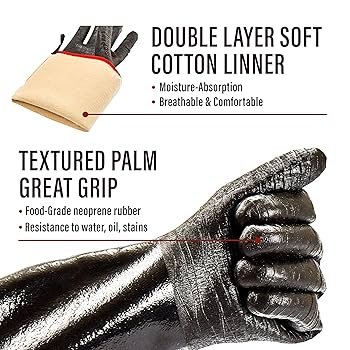
If you use heat-resistant gloves regularly, you know how important they are for protecting your hands. But what about keeping them clean?
Dirty gloves can lose their effectiveness and even cause discomfort or skin issues. You might wonder how to clean them without ruining the material or safety features. You’ll discover simple, proven steps to clean your heat-resistant gloves properly. By the end, you’ll feel confident that your gloves stay safe, fresh, and ready for every task.
Keep reading to learn how easy it is to care for your gloves the right way.
Choosing The Right Cleaning Method
Choosing the right cleaning method for your heat-resistant gloves is essential to keep them effective and long-lasting. Not all gloves are made the same, so using the wrong cleaning technique can weaken the materials or reduce their heat protection. Understanding the specifics of your gloves’ material helps you maintain their quality and safety.
Material-specific Care
Heat-resistant gloves come in various materials like leather, Kevlar, silicone, and cotton blends. Each material reacts differently to cleaning agents and water temperature.
- Leather gloves:Wipe with a damp cloth and use leather conditioner. Avoid soaking or machine washing.
- Kevlar gloves:Hand wash gently with mild detergent to avoid damaging the fibers.
- Silicone gloves:These can usually be cleaned with warm soapy water and dried thoroughly.
- Cotton blend gloves:Often machine washable, but use a gentle cycle and avoid harsh chemicals.
Have you checked the care label on your gloves? It often gives the best advice tailored to the material.
Avoiding Damage
Cleaning heat-resistant gloves improperly can cause serious damage, like shrinking, stiffness, or loss of heat protection.
- Never use bleach or strong detergents—they break down fibers and reduce glove strength.
- Avoid high heat drying methods like tumble dryers or direct sunlight, which can warp or shrink materials.
- Do not wring or twist gloves; this distorts their shape and can cause cracks or tears.
Think about how you treat your gloves after cleaning—air drying them flat or hanging them keeps their shape intact. How often do you inspect your gloves for signs of wear? Early detection helps you decide when it’s time for replacement, keeping your hands safe.

Credit: www.amazon.com
Preparing Gloves For Cleaning
Preparing your heat-resistant gloves for cleaning is a crucial step to ensure their durability and performance. Before you dive into washing, take a moment to carefully examine and prep your gloves. This process helps you avoid damage and ensures that the gloves stay effective for your next use.
Removing Debris
Start by brushing off any loose dirt, dust, or food particles from the gloves. Use a soft brush or even a dry cloth to gently wipe the surface. This prevents grime from embedding deeper during washing.
Check the seams and textured areas closely, as debris often hides in these spots. Removing this buildup early can save you from stubborn stains and unpleasant odors later.
Checking For Wear
Inspect your gloves carefully for any signs of damage like holes, thinning fabric, or loose stitching. Heat-resistant gloves lose their protective qualities if they’re compromised.
Have you noticed any spots where the material feels weaker or looks discolored? These are red flags that the gloves might need repair or replacement.
Taking the time to check for wear before cleaning helps you avoid worsening existing damage. It also ensures you only clean gloves that can still provide proper protection.
Hand Washing Techniques
Hand washing heat-resistant gloves is a gentle way to keep them clean. It helps protect the material and extends the gloves’ life. Using the right technique makes a big difference.
Selecting Mild Detergents
Choose a detergent without harsh chemicals. Mild soaps or gentle laundry liquids work best. Avoid bleach or strong stain removers. These can damage the glove’s heat-resistant layers. A small amount of detergent is enough to clean properly.
Proper Washing Steps
- Fill a basin with warm water, not hot.
- Add the mild detergent and mix to create suds.
- Submerge the gloves and gently rub them together.
- Focus on dirty areas but avoid scrubbing hard.
- Let the gloves soak for 5 to 10 minutes.
- Gently squeeze the gloves to release dirt, do not wring.
Rinsing Thoroughly
Rinse the gloves under clean, cool running water. Remove all soap residues by moving the gloves gently. Soap left inside can weaken the material. Repeat rinsing until the water runs clear. Squeeze out excess water carefully without twisting.

Credit: nocry.com
Machine Washing Guidelines
Heat-resistant gloves should be washed gently in cold water using mild detergent. Avoid bleach and high heat to keep gloves safe and durable. Air dry them away from direct sunlight for best results.
Cleaning heat-resistant gloves in a washing machine can be a convenient way to maintain their durability and hygiene. However, incorrect washing methods could compromise their heat resistance and lifespan. Knowing how to properly machine wash these gloves can save you time and ensure they remain in top condition.Suitable Washing Cycles
Not all washing machine cycles are created equal, especially when it comes to delicate items like heat-resistant gloves. Opt for a gentle or delicate cycle to minimize wear and tear. Warm water is typically safe, but always check the care label for specific temperature recommendations. Avoid using bleach or strong detergents, as these can degrade the material. Instead, choose a mild detergent to keep your gloves in pristine condition. Have you ever noticed how some clothing items come out of the wash looking worse than they did going in? Choosing the right cycle can prevent that from happening to your gloves.Using Protective Laundry Bags
Placing your gloves in a protective laundry bag is a game changer. It acts as a barrier against the rough-and-tumble of the washing machine drum. This simple step can significantly reduce friction and potential damage. If you haven’t tried this yet, now’s the time. Just toss your gloves into the bag, zip it up, and let the machine do the rest. Don’t have a laundry bag on hand? A pillowcase can work in a pinch, providing similar protection during the wash cycle. Keeping your heat-resistant gloves clean doesn’t have to be a daunting task. With these practical tips, machine washing becomes a breeze. So, next time you’re prepping for a wash, remember these guidelines to keep your gloves in top shape.Drying Heat-resistant Gloves
Drying heat-resistant gloves properly is just as important as cleaning them. Improper drying can weaken the material, reduce protection, and shorten the gloves’ lifespan. Let’s look at how to dry your gloves safely and effectively.
Air Drying Best Practices
Air drying is the safest way to dry heat-resistant gloves. After washing, gently squeeze out excess water without twisting or wringing, which can damage the glove’s fibers.
Hang your gloves in a well-ventilated area away from direct sunlight. This helps them dry evenly and prevents moisture buildup inside the glove, which can cause unpleasant odors.
- Use a drying rack or a clothesline to keep gloves stretched out.
- Ensure fingers are separated to promote airflow.
- Allow at least 24 hours to dry completely before reuse.
Have you noticed how damp gloves feel uncomfortable and less protective? Proper air drying avoids this problem and keeps your gloves ready for the next use.
Avoiding Heat Damage
Heat-resistant gloves are designed to withstand high temperatures, but that doesn’t mean you should expose them to intense heat during drying. Avoid using dryers, heaters, or placing gloves near radiators.
High heat can cause the materials to warp or lose their heat-resistant qualities. It can also cause the gloves to shrink or become brittle, leading to cracks and reduced protection.
If you’ve ever hurriedly tossed gloves in a dryer only to find them misshapen, you know how damaging heat can be. Stick to natural drying methods to keep your gloves in top condition.
Regular Maintenance Tips
Regular maintenance of heat-resistant gloves extends their life and keeps them safe to use. Simple care routines help avoid damage and keep gloves in good shape. Clean gloves work better and protect your hands effectively. Follow these tips to maintain your gloves regularly.
Inspecting For Damage
Check gloves carefully before and after each use. Look for tears, holes, or worn spots. Small damage can reduce protection and cause burns. Feel the gloves for stiffness or cracks in material. Replace gloves if damage is found. Regular checks prevent accidents and keep hands safe.
Storing Gloves Safely
Store gloves in a dry, cool place away from sunlight. Avoid folding or crushing gloves to keep their shape. Use a clean container or hang them on hooks. Keep gloves away from chemicals or sharp objects. Proper storage stops damage and keeps gloves ready for use.

Credit: www.amazon.com
Frequently Asked Questions
How Do You Clean Heat-resistant Gloves Safely?
To clean heat-resistant gloves, use mild soap and lukewarm water. Gently scrub and rinse thoroughly. Avoid harsh chemicals that damage glove material. Air dry completely before storage to maintain durability and heat protection.
Can Heat-resistant Gloves Be Machine Washed?
Most heat-resistant gloves should not be machine washed. Washing machines can damage the protective layers. Always check the manufacturer’s care instructions. Hand washing is usually safer and preserves glove quality longer.
How Often Should Heat-resistant Gloves Be Cleaned?
Clean heat-resistant gloves after every heavy use or exposure to dirt. Regular cleaning prevents buildup that can reduce heat resistance. Frequent washing also extends glove lifespan and maintains hygiene.
What Should I Avoid When Cleaning Heat-resistant Gloves?
Avoid bleach, fabric softeners, and hot water. These can degrade glove materials and reduce protection. Also, do not wring or twist gloves to remove water. Handle gloves gently to maintain their heat-resistant properties.
Conclusion
Cleaning heat-resistant gloves keeps them safe and ready to use. Regular washing stops dirt and sweat build-up. Use gentle soap and warm water for the best results. Dry gloves fully before storing them away. This care helps gloves last longer and work better.
Simple steps make a big difference in glove safety. Keep your gloves clean and protect your hands well. Easy to do, important to remember.

