

If you love cooking on your propane grill, keeping it clean is a must. One part many people overlook is the grease tray.
When grease builds up, it can cause flare-ups, bad smells, and even damage your grill. But don’t worry—cleaning your grease tray is easier than you think. You’ll discover simple, effective steps to get your grease tray spotless. By the end, your grill will be safer, work better, and be ready for your next cookout.
Keep reading to learn how to protect your grill and enjoy delicious meals every time.
Tools Needed
Cleaning the grease tray on a propane grill requires some basic tools. Having the right items makes the job easier and faster. Each tool serves a specific purpose to remove grease and debris effectively.
Prepare these tools before starting. It helps to organize and avoid interruptions during cleaning. The following tools are essential for a thorough and safe cleaning process.
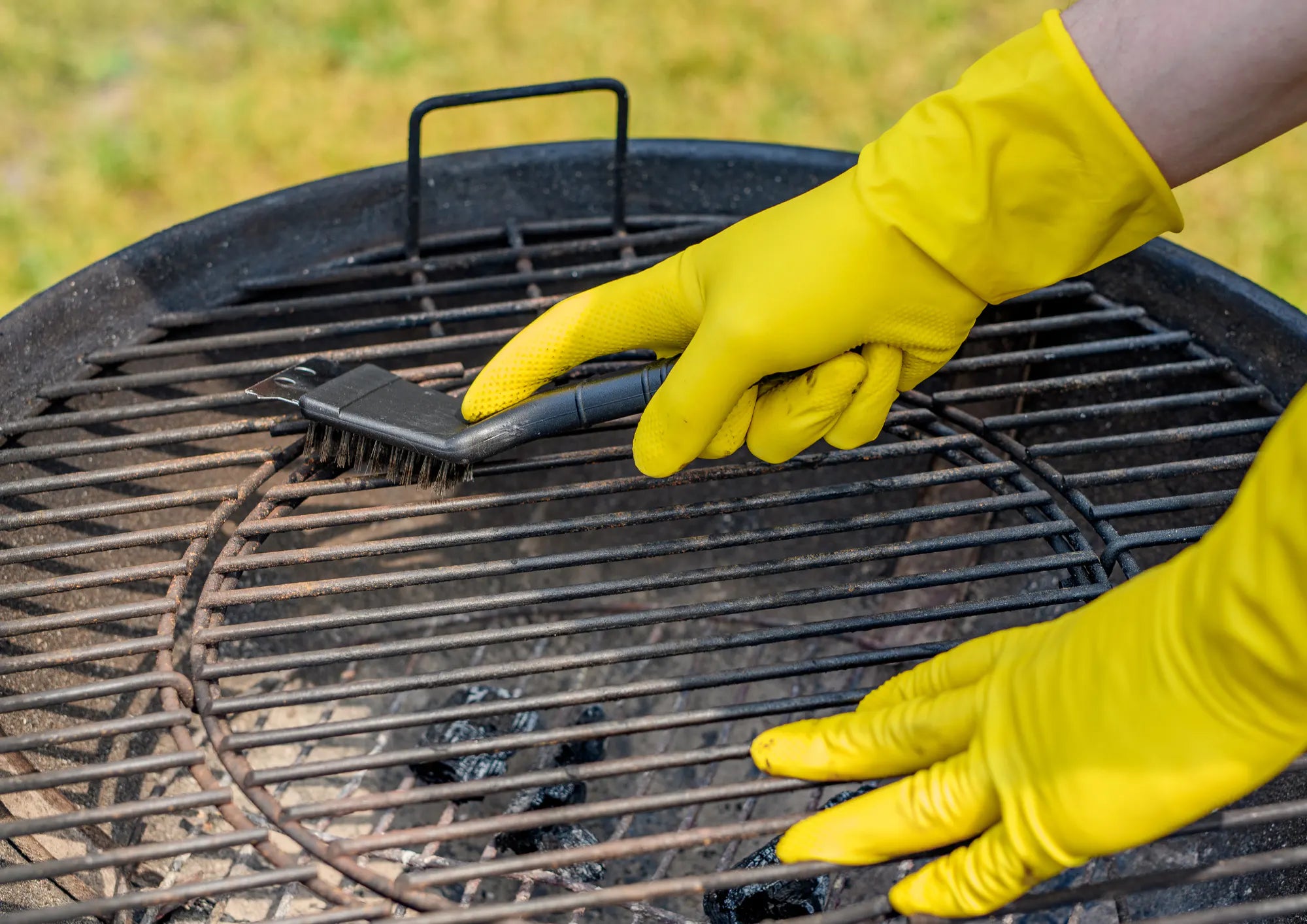
Gloves
Wear heat-resistant gloves to protect your hands. Grease and residue can be sticky and hot. Gloves keep your hands clean and safe from burns.
Scraper
A plastic or metal scraper helps remove stuck grease. It loosens hardened grime without damaging the tray. Choose one with a comfortable handle for better grip.
Brush
A grill brush or stiff-bristle brush is perfect for scrubbing. It cleans hard-to-reach corners and removes residue. Use a brush that resists heat and grease buildup.
Dish Soap
Use mild dish soap to break down grease. It helps dissolve oily residue quickly. Mix with warm water to boost cleaning power.
Bucket Or Container
A bucket holds soapy water and rinses the tray. It also collects dirty water and grease safely. Choose a size that fits your cleaning area.
Paper Towels Or Cloth
Use paper towels or a clean cloth to wipe the tray dry. It removes leftover moisture and grease. Keep extra cloths handy for thorough drying.
When To Clean
Knowing when to clean the grease tray on your propane grill can save you from messy flare-ups and keep your grill working efficiently. Waiting too long to clean it can cause grease to build up and create a fire hazard. On the other hand, cleaning too often might feel like a hassle. So, how do you find the right balance?
After Every Few Uses
Check the grease tray after every 3 to 5 grilling sessions. If you notice a lot of grease or food debris, it’s time to clean it. Regular checks prevent buildup and keep your grill running smoothly.
Before And After Big Cookouts
Planning a barbecue with friends or family? Clean the grease tray before you start to avoid old grease catching fire. After the event, clean it again to remove the large amount of grease collected during cooking.
When You See Visible Overflow
If grease starts spilling over the tray edges or pooling at the bottom, don’t wait. Clean it immediately to avoid potential flare-ups and damage to your grill’s components.
Seasonally For Infrequent Grillers
If you grill less often, set a seasonal schedule to clean the grease tray. Even if you haven’t used the grill much, grease can harden and attract pests. Cleaning every few months keeps it fresh and safe.
Safety Precautions
Cleaning the grease tray on a propane grill requires care to avoid accidents. Grease can catch fire and cause burns. Following safety precautions protects you and your grill during cleaning.
Turn Off The Grill And Disconnect Propane
Always switch off the grill before cleaning. Close the propane tank valve and disconnect the gas line. This prevents gas leaks and accidental ignition.
Allow The Grill To Cool Completely
Never clean the grease tray while the grill is hot. Hot grease can cause severe burns. Wait at least 30 minutes for the grill to cool down.
Wear Protective Gloves And Clothing
Grease is slippery and can irritate skin. Use heat-resistant gloves to protect your hands. Wear old clothes or an apron to avoid stains.
Dispose Of Grease Properly
Do not pour grease down the drain. It can clog pipes and harm the environment. Use a container to collect grease and throw it in the trash.
Keep A Fire Extinguisher Nearby
Grease fires can start quickly. Keep a fire extinguisher rated for grease fires close by. Do not use water to put out a grease fire.
Credit: themeatstick.com
Removing The Grease Tray
Grease trays catch fat and drips during grilling. Slide it out gently to avoid spills. Clean it with warm, soapy water for best results.
Removing the grease tray from your propane grill might seem like a daunting task, but it’s quite straightforward with a bit of guidance. A clean grease tray not only keeps your grill functioning efficiently but also helps in preventing unwanted flare-ups. Let’s dive into how you can easily remove the grease tray and keep your grill in top-notch condition.Locating The Grease Tray
First, you need to find where the grease tray is situated. Typically, it’s located at the bottom of the grill, directly below the burners. If you’re unsure, check your grill’s manual for specifics. Once located, give the area a quick inspection to ensure there’s no excess debris blocking the tray.Ensuring The Grill Is Cool
Safety first! Always make sure your grill is completely cool before attempting to remove the grease tray. This prevents burns and other injuries. You can test the temperature by cautiously hovering your hand above the grill surface without touching it.Gently Pulling Out The Tray
To remove the grease tray, gently pull it out from its compartment. Most trays slide out smoothly, but if yours feels stuck, wiggle it slightly to loosen it. Be mindful of any accumulated grease that might spill out during this process.Using Protective Gear
It’s a good idea to wear gloves while handling the grease tray. This keeps your hands clean and protects your skin from coming into contact with any sharp edges. If the grease tray is particularly greasy, use a paper towel to grip it firmly.Placing The Tray On A Flat Surface
Once removed, place the grease tray on a flat, stable surface. This prevents any accidental tipping that could lead to a messy spill. It’s also easier to clean the tray when it’s stable and flat. Remember, keeping your grill’s grease tray clean not only enhances your grilling experience but also extends the life of your grill. Have you checked your grease tray recently? Maybe it’s time for a quick inspection!Cleaning Methods
Cleaning your propane grill’s grease tray is key to safe and efficient grilling. Different cleaning methods suit different levels of buildup and personal preferences. Choosing the right approach can save you time and keep your grill in top shape.
Soaking And Scrubbing
Soaking the grease tray in warm, soapy water softens stubborn grease. After soaking for 20-30 minutes, use a stiff brush or sponge to scrub away residue. This method is simple and effective, especially if you clean regularly before grease hardens.
Have you noticed how much easier scrubbing becomes after soaking? It’s a small step that makes a big difference in effort and results.
Using Degreasers
For tough, baked-on grease, a commercial degreaser can be a powerful ally. Spray the degreaser generously, let it sit as instructed, then wipe or scrub the tray. Make sure to choose grill-safe products to avoid harmful residues.
Personal tip: test the degreaser on a small spot first to ensure it won’t damage your tray’s surface. This prevents surprises and keeps your grill intact.
High-pressure Washing
If you have access to a pressure washer, it can blast away grease with minimal scrubbing. Use a moderate pressure setting to avoid denting or damaging the tray. This method is great for deep cleaning but requires caution and space.
Consider how often you grill and how much buildup you get. Does the pressure washer fit your routine, or is it an occasional tool? Finding the balance keeps your grease tray spotless without hassle.
Credit: shop.thecarbonbar.ca
Drying And Reinstalling
Drying and reinstalling the grease tray is the final step in maintaining your propane grill. Proper drying prevents rust and ensures the tray fits back perfectly. It also helps keep your grill clean and ready for the next use.
After washing, moisture can linger in small crevices. Removing this moisture is essential to avoid buildup and bad smells. Use simple tools and take your time for the best results.
Drying The Grease Tray Thoroughly
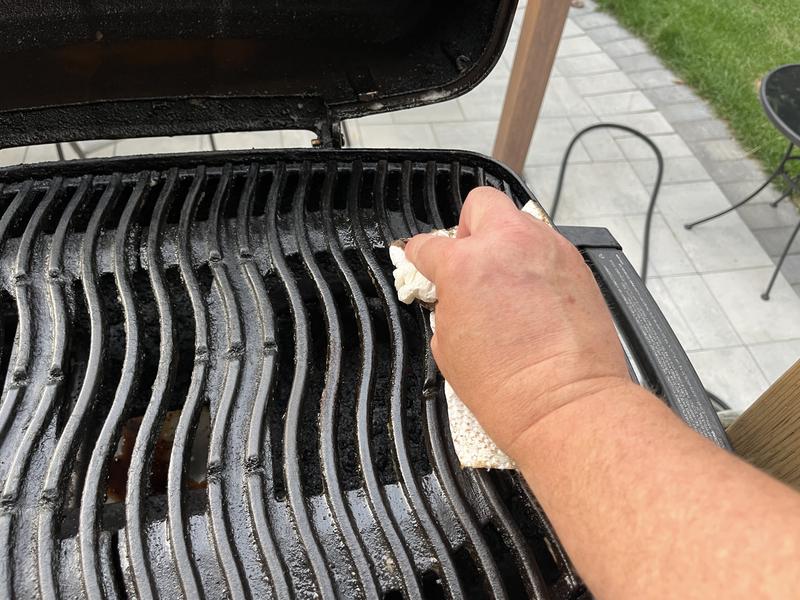
Start by shaking off excess water from the tray. Use a clean cloth or paper towel to wipe the surface. For tight spots, a cotton cloth or small brush works well. Leave the tray in a warm, dry place for at least an hour. Sunlight helps speed up drying and kills bacteria. Avoid putting the tray back while it is still damp.
Checking For Residual Dirt Or Moisture
Inspect the tray carefully for leftover grease or water. Look inside corners and edges. Use a flashlight if needed. Any wet spots can cause smoke or flare-ups later. Re-clean these areas with a cloth or sponge. Make sure the tray is completely dry before reinstalling.
Reinstalling The Grease Tray Properly
Align the grease tray with the grill’s slots or rails. Slide it in gently but firmly. Ensure it sits flat and stable without wobbling. Double-check that it is secure to avoid spills. A correctly placed tray collects grease efficiently and reduces fire risk.
Maintaining Your Grease Tray Regularly
- Clean the tray after every few uses.
- Dry it completely before reinstalling.
- Store the grill covered to protect from moisture.
- Inspect the tray for damage or rust regularly.
- Replace the tray if it becomes too worn or cracked.
Preventive Maintenance
Preventive maintenance keeps your propane grill working well longer. It stops grease trays from clogging and reduces fire risks. Taking simple steps saves time and effort during deep cleanings. A clean grease tray also improves grilling safety and flavor.
Regular Cleaning Schedule
Set a cleaning routine for your grease tray. Clean it after every few uses to stop grease build-up. A quick wipe after grilling prevents hard grease layers. Deep clean the tray monthly to remove stuck-on grease. Consistent care keeps your grill safe and efficient.
Using Grill Mats
Grill mats catch drips and crumbs before they reach the grease tray. They make cleaning easier and protect the tray from heavy grease. Choose mats that fit your grill size well. Wash mats after each use to avoid grease buildup. Mats help keep your grease tray cleaner longer.
Avoiding Excessive Grease Build-up
Trim fat from meats before grilling to reduce grease drips. Use lean cuts to lower grease collection in the tray. Avoid cooking overly fatty foods too often. Empty the grease tray before it gets too full. These steps keep the grease tray cleaner and safer.
Credit: www.napoleon.com
Frequently Asked Questions
How Often Should I Clean My Propane Grill’s Grease Tray?
Clean the grease tray after every 5 to 6 uses. Regular cleaning prevents grease buildup, reduces fire risks, and keeps your grill efficient.
What Tools Do I Need To Clean The Grease Tray?
You need a scraper, warm soapy water, a sponge, and paper towels. These tools help remove grease and grime effectively.
Can I Use Household Cleaners On The Grease Tray?
Avoid harsh chemicals. Use mild dish soap and warm water instead. This keeps the tray safe and prevents damage to the grill.
How Do I Prevent Grease Tray Buildup On My Propane Grill?
Empty the tray regularly and wipe it down after each grilling session. Using a drip pan liner also helps reduce buildup.
Conclusion
Cleaning the grease tray keeps your propane grill safe and working well. Regular cleaning stops flare-ups and bad smells. Use warm water and soap for easy grease removal. Let the tray dry before putting it back. A clean grill means better tasting food every time.
Keep this simple step in your grilling routine. Enjoy cooking outside without the mess or worry.

