
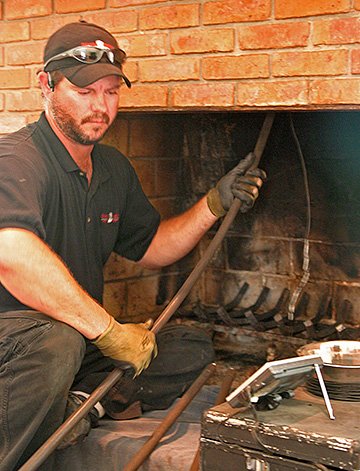
Your firebox is the heart of your fireplace, and keeping it clean is key to safe, efficient fires. But cleaning it can feel like a tough, messy job.
What if you knew simple steps to make the process quick and easy? In this guide, you’ll discover exactly how to clean your firebox the right way—saving you time and avoiding common mistakes. Ready to bring back that warm, cozy glow without the hassle?
Let’s dive in and get your firebox sparkling clean.

Credit: www.youtube.com
Prepare Your Fireplace
Preparing your fireplace before cleaning the firebox sets the foundation for a smooth, effective process. Taking the time to organize your tools, ensure safety, and assess the current state of your fireplace makes the job less daunting and more efficient. Have you ever started cleaning only to realize you’re missing a key supply or that the debris is much worse than expected? Preparing well helps you avoid those surprises.
Gather Cleaning Supplies
Start by collecting everything you need to clean your firebox thoroughly. Essential items include a sturdy fireplace brush, a metal dustpan, a vacuum designed for ash, heavy-duty gloves, and a mask to protect you from dust. Having these supplies ready will keep you focused and prevent interruptions.
Consider adding a small hand broom and a bucket to carry out debris. If your firebox has soot buildup, a specialized fireplace cleaner can make a big difference. Don’t forget old newspapers or a tarp to cover your floor and protect it from ash and dirt.
Ensure Safety Measures
Safety should never be an afterthought when working with fireplaces. Make sure the fire is completely out and the firebox is cool before you begin. Even if the fire appears to be dead, embers can hide beneath the ashes and cause burns or fires.
Wear gloves and a mask to shield your skin and lungs from harmful ash and dust. Open windows or doors for ventilation to avoid inhaling smoke particles. If you have pets or children, keep them away from the area during cleaning.
Check For Ash And Debris
Before you start scrubbing, take a good look inside the firebox. Notice how much ash and debris have accumulated since your last cleaning. This step helps you decide if you need to remove a light layer of ash or tackle a deep, caked-on mess.
Look for any leftover pieces of wood, creosote buildup, or foreign objects that might block airflow. Removing these early saves you time and prevents damage to your fireplace. What kind of debris do you usually find in your fireplace after winter?

Credit: quicknbrite.com
Remove Ash And Soot
Removing ash and soot from your firebox is a key part of keeping your fireplace safe and efficient. Ash buildup can block airflow, making it harder to start fires and reducing heat output. Soot, on the other hand, can stain your firebox and pose a fire hazard if left unattended.
Cleaning ash and soot regularly not only improves your fireplace’s performance but also protects your home from potential dangers. Have you ever noticed how much easier it is to light a fire after a thorough ash removal? That’s the power of proper cleaning.
Use A Fireplace Shovel
A sturdy fireplace shovel is your best tool for scooping out ash and larger chunks of soot. Gently scrape the bottom and sides of the firebox to collect the loose debris.
Try to avoid stirring up too much dust. Work slowly and carefully to keep the particles from flying into the air and settling around your room.
Vacuum Remaining Dust
Once the larger ash is removed, a vacuum designed for fireplaces can clean up the fine dust left behind. Regular household vacuums aren’t made for this job and can get damaged or clogged.
Using a vacuum with a HEPA filter helps trap tiny soot particles, improving air quality in your home. Do you have one tucked away in your cleaning closet? It’s worth investing in if you use your fireplace often.
Dispose Of Ash Properly
Never dump ash directly into your trash bin without letting it cool completely—ashes can stay hot for days and cause fires.
Store cooled ash in a metal container with a tight lid, and place it away from your home or any flammable materials. You can even use some ash in your garden as a soil amendment, but only if it’s fully cooled and free of chemicals.
Clean Firebox Walls
Cleaning the firebox walls keeps your fireplace safe and efficient. Removing soot and creosote helps prevent buildup that can cause smoke problems or fires. A clean firebox also looks better and lasts longer. Follow these steps to clean the walls properly.
Choose The Right Cleaner
Select a cleaner made for fireplaces or wood stoves. Avoid harsh chemicals that can damage the firebox material. A mixture of warm water and mild dish soap often works well. For tough stains, a special fireplace cleaner or vinegar solution helps break down soot.
Scrub With A Stiff Brush
Use a stiff-bristled brush to scrub the walls gently. Avoid wire brushes that can scratch the surface. Scrub in small sections to remove all soot and residue. Applying firm pressure loosens stubborn dirt without damaging the walls.
Rinse And Dry Walls
After scrubbing, rinse the walls with clean water. Use a sponge or cloth to wipe away soap and dirt. Make sure no cleaner remains on the surface. Let the firebox air dry completely before using the fireplace again. Dry walls prevent rust and help maintain heat efficiency.
Credit: www.chimneyfireplacegrandeprairie.ca
Tackle Stubborn Stains
Scrub firebox stains gently with a brush and mild detergent to lift grime. For tough spots, use a paste of baking soda and water, then rinse well.
Tackling stubborn stains in your firebox can feel like a daunting task. Yet, with the right techniques, you can restore it to its former glory. These methods utilize simple household items, making the process both cost-effective and efficient.Use Baking Soda Paste
Baking soda is your best friend when it comes to tackling tough stains. Create a paste by mixing baking soda with a small amount of water. Apply it generously to the stained areas and let it sit for about 15 minutes. Scrub gently with a brush, and watch the stains disappear.Apply Vinegar Solution
Vinegar is another powerful ally in your cleaning arsenal. Mix equal parts of vinegar and water in a spray bottle. Spray the solution onto the stained areas, allowing it to penetrate the grime for at least 10 minutes. Wipe the surface with a damp cloth and see how effectively it lifts away the residue.Repeat As Needed
Stubborn stains might require a repeat application to completely vanish. Don’t be discouraged if the first attempt doesn’t yield perfect results. Patience is key; reapply the baking soda paste or vinegar solution as necessary. Each application will further lighten the stains, bringing you closer to a sparkling clean firebox. Have you ever considered how satisfying it feels to see those stains lift away, revealing a cleaner surface?Maintain Your Fireplace
Maintaining your fireplace is essential to ensure it works safely and efficiently. A clean and well-kept firebox not only improves the air quality in your home but also extends the life of your fireplace. Regular attention can prevent costly repairs and keep your space warm and inviting throughout the seasons.
Regular Cleaning Schedule
Set a clear schedule for cleaning your firebox. Removing ash and debris after every few uses prevents buildup that can block airflow. A simple sweep with a metal shovel and brush keeps your firebox ready for the next fire.
Don’t forget to clean the glass doors and screen regularly to keep your view clear. This small effort enhances safety and keeps the fireplace looking its best. How often do you check your fireplace after use?
Inspect For Damage
Look closely for cracks, rust, or loose bricks inside the firebox. These signs mean you should repair or replace parts before using your fireplace again. Ignoring damage risks fire hazards and inefficient burning.
Check the chimney connection and damper as well. Ensuring these parts work properly avoids smoke backflow and maintains good ventilation. Could a quick inspection today save you a bigger problem tomorrow?
Keep Firebox Dry
Moisture is the enemy of a healthy firebox. Water causes rust and weakens the structure, making your fireplace unsafe. Always keep the firebox dry by covering it when not in use and fixing any leaks.
If your area is humid, consider installing a chimney cap to prevent rainwater entry. A dry firebox means better fires and less maintenance hassle. When was the last time you checked for water damage in your fireplace?
Frequently Asked Questions
How Often Should I Clean My Firebox?
You should clean your firebox after every 20-30 uses. Regular cleaning prevents ash buildup and improves airflow. It also extends your firebox’s lifespan and ensures safer fires.
What Tools Do I Need To Clean A Firebox?
Basic tools include a metal ash shovel, brush, vacuum, and protective gloves. These tools help remove ash and soot safely and thoroughly from your firebox.
Can I Use Water To Clean The Firebox?
Avoid using water on a hot firebox to prevent damage. Wait until it cools completely, then use a damp cloth if needed for stubborn dirt.
How Do I Remove Stubborn Soot From Firebox Walls?
Use a stiff wire brush or fireplace cleaner for tough soot. Apply cleaner, scrub gently, and wipe with a damp cloth to restore cleanliness.
Conclusion
Cleaning your firebox keeps it safe and working well. Regular care stops ash and soot from building up. Use simple tools to remove dirt and debris. Always check for cracks or damage while cleaning. A clean firebox helps your fireplace burn better and last longer.
Make cleaning part of your routine to enjoy warmth safely. It’s a small task that brings big benefits. Keep your firebox neat and ready for cozy fires anytime.

