
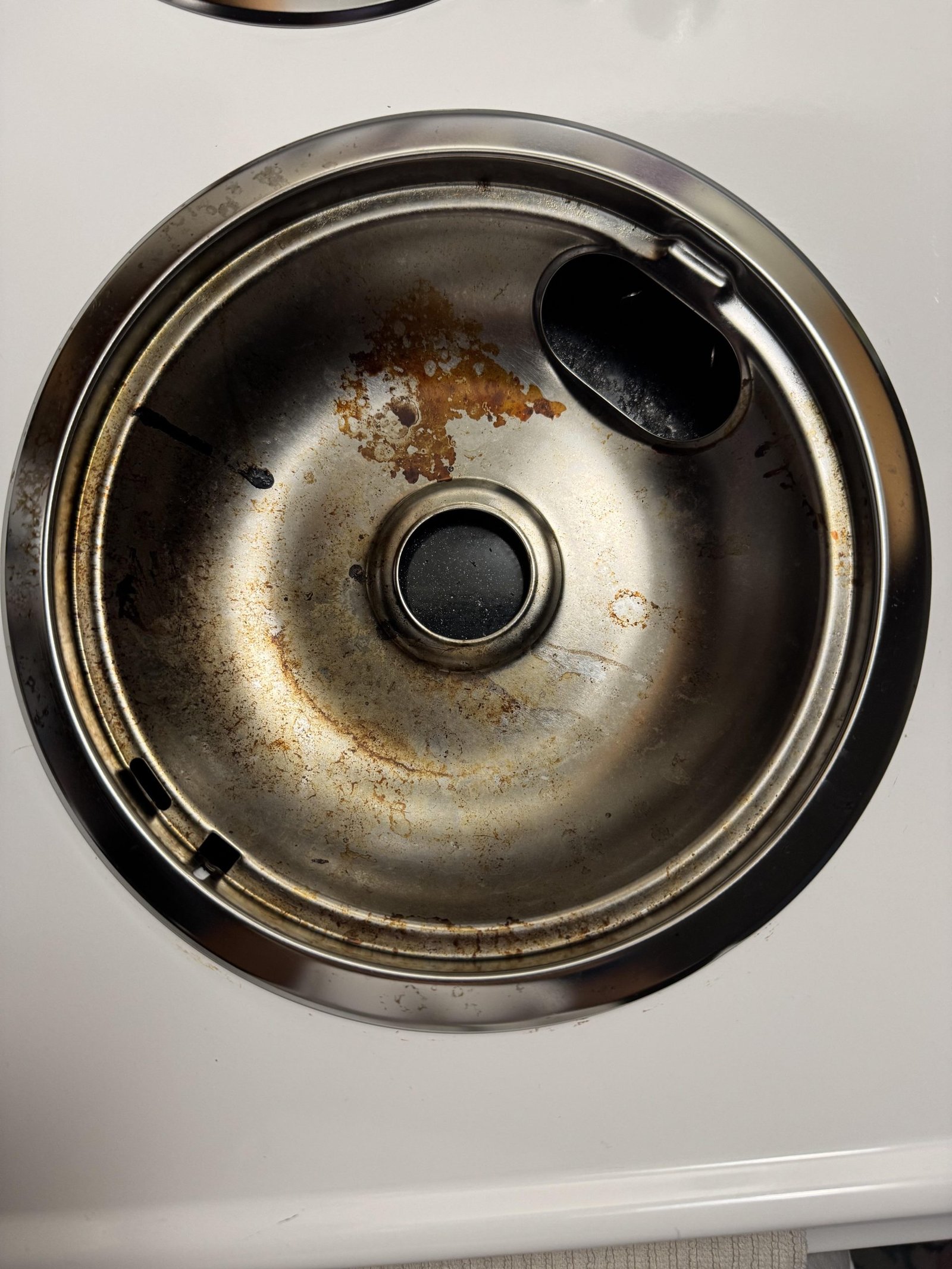
Your drip pan can quickly become a messy, greasy spot after cooking. If you’ve ever struggled to get it clean, you know how frustrating it can be.
But don’t worry—cleaning your drip pan doesn’t have to be a tough chore. You’ll discover simple, effective ways to make your drip pan look brand new again. By following these easy steps, you’ll save time, avoid harsh chemicals, and keep your kitchen fresh.
Ready to transform your cleaning routine? Let’s dive in!
Credit: www.kitchenaid.com
Types Of Drip Pans
Drip pans come in various types, shapes, and materials. Knowing the type helps in cleaning and maintenance. Some drip pans are easy to clean, while others need special care. Understanding the material and design ensures you use the right cleaning method. This section explores common materials and ways to identify your drip pan.
Common Materials
Drip pans are made from different materials. Each has unique features and cleaning needs.
- Aluminum:Lightweight and affordable. Prone to staining but cleans easily with mild soap.
- Stainless Steel:Durable and rust-resistant. Can withstand scrubbing and harsh cleaners.
- Porcelain-Coated:Has a smooth, glossy surface. Avoid abrasive scrubbers to prevent chipping.
- Glass:Less common but easy to clean. Use gentle cleaners to avoid scratches.
- Cast Iron:Heavy and durable. Needs seasoning and careful drying to prevent rust.
Identifying Your Drip Pan
Look under your stove burners to find the drip pan. It sits right below the burner to catch spills.
Check for marks or labels that say the material type. If unsure, inspect its weight and feel:
- Lightweight and soft? Likely aluminum.
- Heavier and cool to touch? Could be stainless steel.
- Shiny and smooth with a glossy finish? Probably porcelain-coated.
- Thick and rough? Cast iron is a good guess.
Knowing the material helps pick the best cleaning tools and methods. Always handle drip pans carefully to avoid damage.
Safety Tips Before Cleaning
Cleaning a drip pan after cooking requires care to avoid injuries and damage. Taking safety precautions protects your hands and surfaces. It ensures the cleaning process is smooth and safe. Follow simple safety tips to handle hot pans and use protective gear properly.
Handling Hot Pans
Never touch a drip pan right after cooking. Hot pans can cause severe burns. Allow the pan to cool down for at least 15-20 minutes. Use oven mitts or thick cloths to move the pan. Always place the pan on a heat-resistant surface. Avoid rushing the cooling process to prevent accidents.
Protective Gear
Wear gloves to protect your hands from harsh cleaners. Rubber gloves prevent skin irritation and dryness. Use an apron to keep your clothes clean. If using strong cleaning agents, ensure good ventilation. Consider wearing eye protection if splashing is possible. Protective gear keeps you safe and comfortable during cleaning.
Basic Cleaning Supplies
Cleaning a drip pan after cooking needs the right supplies. Using proper tools and cleaners saves time and effort. It also protects your pan from damage. Basic cleaning supplies help remove grease and burnt food easily.
Having the right supplies ready makes the cleaning process smooth. No need to guess what to use or waste time searching for products. A few simple items do the job well and keep your kitchen tidy.
Essential Tools
- Soft sponge or scrub brush – gentle on surfaces but effective
- Plastic scraper – removes stuck food without scratching
- Microfiber cloth – for drying and polishing
- Rubber gloves – protect your hands from harsh cleaners
- Bucket or basin – to soak the drip pan if needed
Recommended Cleaners
- Mild dish soap – breaks down grease and grime
- Baking soda – natural abrasive for tough stains
- White vinegar – cuts through grease and deodorizes
- Non-abrasive kitchen cleaner – safe for coated pans
- Warm water – helps loosen burnt food
Step-by-step Cleaning Process
Cleaning your drip pan after cooking is essential. It ensures your kitchen stays fresh and hygienic. This step-by-step guide helps make the task simple and effective.
Removing Loose Debris
First, remove any loose debris from the drip pan. Use a paper towel to wipe away crumbs and food bits. This makes the next steps easier and more efficient.
Soaking Techniques
Fill your sink with hot water. Add a few drops of dish soap. Submerge the drip pan and let it soak for 15 minutes. This softens any stubborn grime.
Scrubbing Effectively
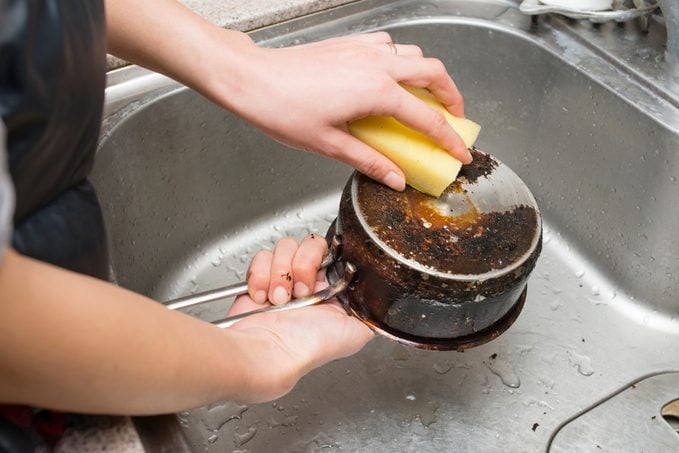
Use a non-abrasive scrubber or sponge. Gently scrub the drip pan in circular motions. Focus on areas with baked-on grease. Rinse with clean water and dry with a towel.
Dealing With Tough Stains
Tough stains on a drip pan can be stubborn and annoying. These marks often form from burnt food and oil residue. Cleaning them requires more than just soap and water. Using the right techniques can make the task easier and faster.
Using Baking Soda
Baking soda is a natural cleaner and mild abrasive. Sprinkle a generous amount over the stained areas. Add a little water to make a paste. Let it sit for 15 to 20 minutes. Scrub gently with a sponge or brush. Rinse well with warm water. Repeat if stains remain.
Vinegar Solutions
Vinegar is acidic and helps break down grease and grime. Mix equal parts vinegar and water in a spray bottle. Spray the solution over the drip pan. Let it soak for 10 minutes. Scrub the stains with a soft brush. Wash off with warm water. Vinegar also leaves a fresh smell.
Commercial Cleaners
Choose a commercial cleaner designed for kitchen use. Read the label to ensure it is safe for metal surfaces. Apply the cleaner to the drip pan as directed. Allow it to work for the recommended time. Use a scrub pad to remove the stains. Rinse thoroughly to remove any chemical residue. Wear gloves for skin protection.

Credit: www.reddit.com
Preventing Future Buildup
Preventing buildup on your drip pan saves time and effort. It keeps your cooking area clean and hygienic. Simple habits can stop grease and food bits from sticking. Regular care helps your drip pan last longer and look better.
Regular Maintenance
Wipe the drip pan after each cooking session. Use a damp cloth or sponge to remove fresh spills. Clean the pan weekly with warm soapy water. Avoid letting stains dry and harden. Check for grease or food stuck in corners. Dry the pan completely before placing it back.
Cooking Tips To Minimize Mess
Use lids on pots and pans to reduce splatters. Cook on medium heat to prevent burning. Place a foil or liner under the drip pan for easy cleanup. Avoid overfilling pots to stop spills. Stir food gently to reduce splashing. These habits keep your drip pan cleaner longer.
Alternative Cleaning Methods
Cleaning your drip pan doesn’t have to be a chore. Sometimes, traditional scrubbing just isn’t enough or takes too much time. Alternative cleaning methods can save your energy while still restoring your drip pan to a spotless state.
Dishwasher Use
Did you know your drip pan might be dishwasher-safe? Many metal drip pans can handle a cycle in the dishwasher, which uses high heat and strong jets to break down grease and food residue effectively.
Before placing it in the dishwasher, check for any plastic parts or coatings that could get damaged. If safe, place the drip pan on the bottom rack for the best cleaning results. This method is a real time-saver and reduces the elbow grease needed.
Natural Remedies
If you prefer avoiding chemicals or don’t have a dishwasher, natural remedies work wonders. Baking soda and vinegar are your kitchen allies here.
- Sprinkle baking soda over the drip pan’s surface.
- Spray or pour white vinegar on top, causing a fizzing reaction that lifts grime.
- Let it sit for 15-20 minutes, then scrub with a sponge or brush.
Another tip is using lemon juice. The acidity cuts through grease and leaves a fresh scent. Have you tried soaking your drip pan in hot water with lemon slices? It softens stubborn stains and makes cleaning easier.
Drying And Storage Tips
After thoroughly cleaning your drip pan, drying and storing it properly is essential to keep it in good shape for the next use. Moisture left behind can lead to rust or unpleasant smells, so taking the right steps to dry and store your drip pan will save you time and frustration later.
Proper Drying
Pat your drip pan dry with a clean towel immediately after washing. Avoid air drying if you can, as lingering water droplets can cause rust spots, especially on metal pans.
If you want to be extra sure, place the pan in a warm spot or near a gentle heat source for a few minutes. This helps evaporate any hidden moisture. Have you ever found your drip pan with stubborn rust? This simple drying step could prevent that from happening.
Storing Drip Pans Safely
Store your drip pan in a dry, well-ventilated area. Avoid stacking heavy items on top of it, which can cause dents or scratches that trap dirt and grease.
Use a clean paper towel or cloth between stacked pans to protect their surfaces. If you have limited kitchen space, consider hanging the pan by its handle to keep it safe and accessible.
Credit: www.familyhandyman.com
Frequently Asked Questions
How Do I Clean A Drip Pan After Cooking?
To clean a drip pan, soak it in hot soapy water for 15 minutes. Then scrub with a non-abrasive sponge. Rinse well and dry before reuse to remove grease and food residue effectively.
What Household Items Remove Tough Stains On Drip Pans?
Baking soda and vinegar are great for tough drip pan stains. Sprinkle baking soda, spray vinegar, let it fizz for 10 minutes, then scrub gently. This natural combo breaks down grease and burnt food easily.
Can I Use A Dishwasher To Clean Drip Pans?
Most drip pans are dishwasher safe, but check manufacturer instructions first. Place them on the top rack to avoid damage. Dishwasher cleaning helps remove grease but may not eliminate heavy burnt stains.
How Often Should I Clean Drip Pans After Cooking?
Clean drip pans after every use to prevent buildup. Regular cleaning avoids stubborn stains and maintains appliance hygiene. Quick cleaning keeps your kitchen fresh and extends the pan’s lifespan.
Conclusion
Cleaning your drip pan keeps your kitchen neat and safe. Regular care stops grease build-up and bad smells. Use simple tools like baking soda and warm water. Scrub gently to avoid damage. Doing this after cooking saves time later. A clean drip pan helps your stove work better.
Easy steps make cleaning less of a chore. Keep your kitchen fresh and ready for the next meal. Small habits bring big benefits. Try these tips and see the difference yourself.

