
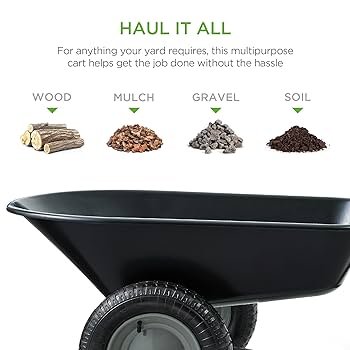
If you’re planning to move gravel for your garden or driveway, choosing the right wheelbarrow can make all the difference. You want something sturdy, easy to handle, and built to carry heavy loads without breaking your back.
But with so many options out there, how do you pick the perfect one for your needs? Keep reading, and you’ll discover simple tips to help you find a wheelbarrow that saves you time, effort, and frustration every time you work with gravel.
This guide is made just for you—so you can get the job done right, faster, and with less strain.
Key Wheelbarrow Types
Choosing the right wheelbarrow is important for moving gravel. Different types fit different tasks and terrains.
Understanding the main types helps you pick the best one for your needs. Focus on wheel design and materials.
Single Vs. Dual Wheel
Single-wheel wheelbarrows are easy to steer on rough ground. They can fit through narrow spaces. Dual-wheel wheelbarrows offer more stability and balance. They are better on flat surfaces and when carrying heavy loads.
- Single Wheel:Better maneuverability on uneven terrain
- Dual Wheel:More stable and easier to balance
- Single Wheel:Requires more effort to keep steady
- Dual Wheel:Heavier and may not fit tight spaces
Material Options
| Material | Pros | Cons |
|---|---|---|
| Steel | Very strong and durable | Heavy and can rust |
| Plastic | Lightweight and rustproof | Less durable under heavy loads |
| Wood | Natural look and affordable | Can rot and needs maintenance |
Steel wheelbarrows hold heavy gravel well but weigh more. Plastic ones are easy to lift but may crack. Wood wheelbarrows look nice but need care to last.
Assessing Load Capacity
Choosing the right wheelbarrow for gravel means knowing how much weight it can hold. Load capacity is key for safe and easy transport.
Gravel is heavy, so pick a wheelbarrow that fits your needs. This guide helps you understand load capacity factors.
Weight Considerations
Gravel is dense and heavy. Check the wheelbarrow’s maximum weight limit before buying.
Choose a wheelbarrow with a strong frame and durable materials. Steel frames usually hold more weight than plastic.
- Know the weight of the gravel per cubic foot (about 100 lbs)
- Calculate total weight by multiplying volume by gravel density
- Pick a wheelbarrow with a higher load capacity than your total weight
- Ensure the wheelbarrow has a solid wheel and axle to support heavy loads
Volume Needs
Volume means how much gravel the wheelbarrow can carry at once. Bigger volume means fewer trips but more weight.
Choose a size that fits your project. Small loads are easier to move, but large loads save time.
- Small wheelbarrows hold about 2 cubic feet
- Medium wheelbarrows hold around 4 cubic feet
- Large wheelbarrows hold 6 cubic feet or more
- Balance volume with your strength and comfort
Frame And Handle Strength
Choosing the right wheelbarrow for gravel means looking at frame and handle strength. Gravel is heavy and rough. You need a strong wheelbarrow that can carry the load without breaking.
A sturdy frame holds the wheelbarrow together. Strong handles help you lift and move the gravel easily. Both parts must be tough and durable.
Steel Vs. Aluminum Frames
Steel frames are very strong and last a long time. They can carry heavy gravel loads without bending. Steel is heavier but tough.
Aluminum frames are lighter than steel. They are easier to push and carry. Aluminum does not rust, but it can bend under very heavy loads.
- Steel frames:heavy, strong, rusts without paint
- Aluminum frames:light, rust-proof, less strong
Ergonomic Handles
Ergonomic handles help reduce hand and wrist strain. They make lifting and moving gravel easier. Look for handles shaped to fit your hands.
Comfortable grips improve control and reduce slipping. Some handles have padding or textured surfaces for better hold.
- Curved or angled handles fit your natural grip
- Rubber or foam grips reduce blisters
- Wide handles help balance heavy loads

Credit: www.amazon.com
Tire Selection
Choosing the right tire for your wheelbarrow is important for moving gravel. Different tires fit different needs and surfaces. Picking the best tire helps you work easier and safer.
Two main types of tires are popular for wheelbarrows: pneumatic and solid. Each type has unique benefits. Understanding these helps you decide which tire suits your tasks.
Pneumatic Tires Benefits
Pneumatic tires are filled with air, making them soft and flexible. They absorb shocks well, which helps on rough or uneven ground. These tires provide a smooth ride and better grip on loose gravel.
- Good shock absorption
- Better traction on rough surfaces
- Lighter to push over gravel
- Easier to handle uneven terrain
- Can be repaired if punctured
Solid Tires Advantages
Solid tires are made from hard rubber or plastic. They do not need air, so they never go flat. These tires last longer and need less maintenance. Solid tires work well on hard surfaces and heavy loads.
| Feature | Solid Tires | Pneumatic Tires |
|---|---|---|
| Maintenance | Low | Higher (need air and repairs) |
| Durability | High | Moderate |
| Comfort on rough ground | Low | High |
| Weight | Heavier | Lighter |
| Best for | Hard surfaces, heavy loads | Uneven, soft, or loose surfaces |
Maintenance For Longevity
Choosing the right wheelbarrow for gravel is just the start. Proper care keeps it working well for years. Regular maintenance prevents damage and costly repairs.
Focus on rust prevention and cleaning to make your wheelbarrow last. These simple steps help keep it strong and reliable.
Rust Prevention Tips
Rust can weaken a wheelbarrow frame and tray. Protect metal parts by following these tips:
- Store the wheelbarrow in a dry place after use.
- Apply a coat of rust-resistant paint or spray yearly.
- Use a tarp to cover the wheelbarrow if left outside.
- Check for scratches and touch up paint to avoid rust spots.
- Keep bolts and joints lubricated with oil to prevent corrosion.
Regular Cleaning
Cleaning removes dirt and gravel that can cause wear and rust. Clean your wheelbarrow regularly by rinsing and scrubbing.
| Cleaning Task | Frequency | Reason |
| Rinse off dirt and gravel | After each use | Prevents buildup and rust |
| Scrub metal parts with brush | Weekly | Removes stuck debris |
| Dry completely | After cleaning | Avoids moisture damage |
| Inspect for damage | Monthly | Fix small issues early |

Credit: topwheelbarrow.com
Budget And Brand Choices
Choosing the right wheelbarrow for gravel is important. You need to consider your budget and the brand you trust. This guide will help you make the best decision.
Wheelbarrows come in different price ranges and qualities. Picking the right one can save you money and time.
Cost Vs. Quality
Higher quality wheelbarrows often cost more. They last longer and handle heavy loads better. Cheaper models may not last as long.
It’s smart to balance cost with quality. Look for a wheelbarrow that fits your budget but is also durable.
- Durable materials resist wear and tear
- Reinforced frames offer extra strength
- Consider maintenance costs for longevity
Trusted Manufacturers
Some brands are known for their reliable wheelbarrows. These manufacturers have a strong reputation for quality and service.
Choosing a trusted brand can give you confidence in your purchase. Their products often come with good warranties.
- Brand A: Known for rugged designs
- Brand B: Offers great customer support
- Brand C: Popular choice for home use

Credit: posh.co.uk
Frequently Asked Questions
What Size Wheelbarrow Is Best For Gravel?
A medium to large wheelbarrow with a 6 to 8 cubic feet capacity works best. It balances load capacity and maneuverability, making gravel transport easier and efficient.
Should I Choose A Steel Or Plastic Wheelbarrow For Gravel?
Steel wheelbarrows are more durable and handle heavy gravel loads well. Plastic ones are lighter but less sturdy, best for lighter, smaller gravel tasks.
How Important Is The Wheel Type For Gravel Wheelbarrows?
A pneumatic tire offers better traction and shock absorption on uneven gravel surfaces. Solid tires are maintenance-free but less comfortable on rough terrain.
What Handle Design Suits Gravel Wheelbarrow Use?
Ergonomic, comfortable handles reduce strain during heavy gravel lifting. Look for padded grips or angled handles for better control and ease of use.
Conclusion
Choosing the right wheelbarrow makes moving gravel easier and safer. Think about the size, wheel type, and weight capacity. A sturdy frame lasts longer and handles heavy loads well. Comfort matters—look for good handles and balance. Test it if you can.
The right wheelbarrow saves time and effort on your project. Simple choices lead to better results. Your gravel work will go smoothly with the right tool. Take your time and pick wisely.

