

Choosing the right outdoor light color can completely change the way your home looks and feels after dark. You might wonder whether warm or cool light is better for your space.
The truth is, the choice affects everything—from the mood you create to how safe and inviting your outdoor area feels. You’ll discover simple tips to pick the perfect light color that matches your style and needs. Keep reading, and you’ll learn how to make your outdoor lighting work for you, not against you.
Credit: www.bdlights.ca
Importance Of Outdoor Lighting
Outdoor lighting does more than just brighten your surroundings. It shapes how your outdoor space feels and functions. Choosing the right color temperature—warm or cool—can change your entire experience outside.
Think about the last time you walked into a poorly lit backyard. Was it inviting or did it feel cold and unwelcoming? Proper lighting can create safety, highlight beauty, and set the mood for your outdoor activities.
Enhancing Safety And Security
Good outdoor lighting helps you see clearly at night, reducing risks of trips and falls. It also deters unwanted visitors by eliminating dark hiding spots. Warm lights near pathways make navigation easy, while cool lights can spotlight entrances and driveways.
Setting The Mood And Atmosphere
Do you want your patio to feel cozy or modern? Warm light tends to create a relaxing, inviting atmosphere perfect for gatherings. Cool light gives a fresh, energetic vibe, ideal for active spaces or showcasing architectural features.
Highlighting Landscape And Architecture
Using the right light color can make plants and textures pop. Warm light enhances natural colors of wood and foliage, making your garden feel lush. Cool light accentuates metal, stone, and sleek surfaces, giving a contemporary edge to your outdoor design.
Energy Efficiency And Practicality
Consider how often you use your outdoor lights. Cool LED lights often consume less energy and last longer, saving you money. Warm lights may use slightly more power but can be more comfortable for prolonged use. Balancing cost with comfort is key.
Which outdoor areas do you use most after dark? This question can help you decide whether warm or cool lighting fits your lifestyle better. Lighting isn’t just about visibility; it’s about creating spaces where you want to spend your time.

Credit: www.crompton.co.in
Warm Vs Cool Light: What’s The Difference?
Choosing between warm and cool outdoor light colors can dramatically change the feel of your space. Each type of light serves a different purpose and creates distinct moods. Understanding their differences helps you pick the right one for your outdoor areas.
What Defines Warm Light?
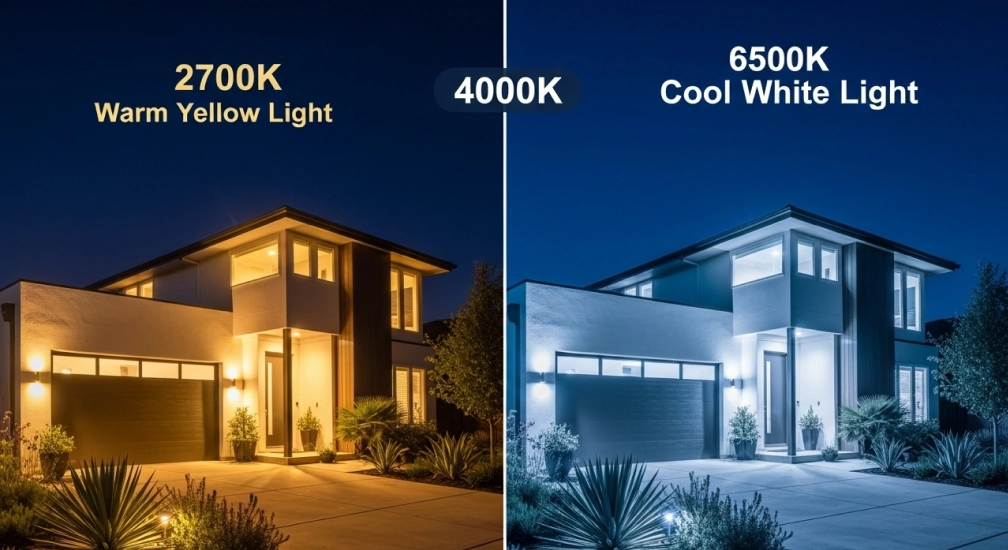
Warm light typically has a color temperature between 2700K and 3000K. It emits a soft, yellowish glow that feels cozy and inviting. Many people use warm light to create relaxing atmospheres on patios, porches, or garden seating areas.
Think about a warm sunset or the gentle flicker of a candle—this is the type of light that makes you want to unwind. If you want your outdoor space to feel welcoming and comfortable, warm light is a great choice.
Characteristics Of Cool Light
Cool light usually ranges from 3500K to 5000K and beyond. It casts a bright, bluish-white tone that enhances visibility and alertness. This makes cool light ideal for security lighting, driveways, or work areas outside your home.
Cool light mimics daylight, so it helps you see details clearly at night. If you need your outdoor space to be functional and safe, cool light is the better option.
How Warm And Cool Light Affect Mood And Perception
The color temperature of your outdoor lights influences how you feel in the space. Warm light tends to relax you and encourages social interaction. Cool light, on the other hand, keeps you alert and can sometimes feel sterile or harsh.
Think about how you want to use your outdoor area. Are you hosting evening gatherings or focusing on visibility and safety? Your choice will directly impact the atmosphere and functionality.
Practical Tips For Choosing Between Warm And Cool Light
- Use warm light for seating areas, pathways, and landscaping to create a cozy vibe.
- Reserve cool light for garages, driveways, and security fixtures where clarity is key.
- Consider mixing both types in different zones to balance comfort with practicality.
- Test different bulbs at night to see how the color temperature affects your space before committing.
What feeling do you want your outdoor lighting to evoke? The answer can guide your choice between warm and cool light colors effectively.
Benefits Of Warm Outdoor Lighting
Warm outdoor lighting creates a pleasant and inviting environment. It uses soft yellow and amber tones that feel natural and soothing. This type of light is gentle on the eyes and adds charm to any outdoor space. It works well for patios, gardens, and pathways. Warm lighting helps people feel relaxed and comfortable outside, especially in the evening. It also highlights natural colors and textures, making plants and outdoor features look their best.
Creating A Cozy Atmosphere
Warm light makes outdoor spaces feel cozy and welcoming. It softens shadows and reduces glare, creating a calm setting. This lighting style invites people to unwind and enjoy the fresh air. It works great for small gatherings or quiet evenings alone. Warm tones help reduce stress and create a peaceful mood. Outdoor areas with warm light feel like an extension of your home’s comfort.
Enhancing Outdoor Gatherings
Warm lighting improves social experiences outside. It creates a friendly and relaxed environment for friends and family. Warm light encourages conversation and laughter by setting a pleasant tone. It also makes food and drinks look more appealing. Use warm lights around dining or seating areas to make guests feel at ease. This type of lighting supports longer, more enjoyable outdoor gatherings.
Advantages Of Cool Outdoor Lighting
Cool outdoor lighting offers many benefits for homes and businesses. It provides a clean, bright light that enhances visibility and detail. This makes it ideal for various outdoor uses. Cool light colors range from bright white to bluish tones. These colors create a modern and crisp atmosphere.
Using cool lighting outside can improve the look and safety of your property. It suits spaces where clarity and sharpness are important. Cool lights also help to reduce shadows and highlight specific areas. This section covers key advantages of cool outdoor lighting.
Highlighting Architectural Features
Cool lighting brings out the details of building materials and shapes. It emphasizes lines, textures, and colors clearly. White and bluish tones create contrast that makes features stand out. This effect works well on stone, metal, and glass surfaces.
Shadows become sharper with cool light, adding depth. This lighting style gives a modern, clean look to walls and structures. It draws attention to unique designs and craftsmanship. Cool lights help showcase your property’s style at night.
Boosting Security
Cool outdoor lights improve visibility around your home or business. Bright, clear light reduces dark areas where intruders could hide. It helps cameras capture better images for surveillance. Cool lighting also alerts neighbors and passersby to activity.
This lighting type makes pathways, doors, and windows easier to see. It lowers the risk of accidents by lighting steps and obstacles. Cool lights create a safer environment for family, guests, and workers. They act as a strong deterrent against crime.
Factors To Consider When Choosing Light Color
Choosing between warm and cool outdoor light colors involves more than just picking what looks good. You need to think about how the light will affect the space and your experience in it. Considering a few key factors will help you select the right light color that fits your outdoor area perfectly.
Purpose Of The Space
Ask yourself what you will mainly use the outdoor area for. Warm light creates a cozy and inviting atmosphere, ideal for relaxing spaces like patios or garden seating. Cool light, on the other hand, offers brighter illumination, making it better for work areas or security lighting around walkways and driveways.
Think about the mood you want to set. Do you want to encourage social gatherings or focus on visibility and safety? Your choice should support the main function of the space.
Time Of Usage
Consider when you spend most of your time outside. If your evenings are long and you want a soft glow to wind down, warm lighting fits best. Cool light works well if you need bright, clear visibility at night, such as for late-night tasks or outdoor sports.
Lighting that matches your usage patterns can improve comfort and functionality. Would you feel more relaxed or more alert under a certain light color? That’s a good question to ask yourself.
Personal Preferences
Your taste matters a lot in choosing light color. Some people naturally prefer the calm feel of warm tones, while others like the crispness of cool lighting. Reflect on your past experiences with different lights—what felt right in your home or neighborhood?
Don’t hesitate to test samples of both warm and cool lights in your space. Sometimes, seeing them in action clears up any doubts. How does each color make you feel when you’re outside? Your personal comfort should guide your final decision.
Mixing Warm And Cool Light
Mixing warm and cool outdoor light colors can transform your space, giving it both personality and practicality. Using these tones together lets you highlight features while setting the right mood. But how do you decide the right balance without making your outdoor area feel awkward or inconsistent?
Balancing Aesthetics And Functionality
Think about the main purpose of your outdoor space first. Warm light creates a cozy, inviting vibe, perfect for seating areas or patios where you relax or entertain. Cool light, on the other hand, improves visibility and is great near pathways, driveways, or security spots.
Don’t hesitate to mix these two by placing warm lights in social zones and cool lights where safety matters most. This balance ensures your yard looks great and stays practical after dark. Ask yourself: which parts of your outdoor space need comfort, and which require clear visibility?
Creating Layered Lighting Effects
Layering light involves using multiple sources at different levels to add depth and interest. Combine warm and cool lights at varying heights or distances to highlight textures like plants, walls, or water features. This approach breaks up the monotony of a single color temperature and adds visual appeal.
Try using warm uplights on trees and cooler downlights for steps or walkways. This layering not only improves safety but also creates a dynamic environment. How can you arrange your lights to guide visitors naturally while making your outdoor space feel alive?
Expert Tips For Selecting The Right Light Color
Choosing the right outdoor light color can change the look and feel of your space. Warm light creates a cozy and inviting mood. Cool light offers a bright and modern vibe. Knowing how to pick the best color improves your outdoor experience. Follow expert tips to make a smart choice that fits your needs.
Consulting Lighting Professionals
Lighting experts understand how color affects outdoor spaces. They can recommend colors based on your area’s purpose. Professionals consider factors like surrounding colors and materials. They help balance aesthetics with functionality. Talking with a specialist reduces guesswork and ensures satisfaction.
Testing Light Samples
Trying out light samples helps you see colors in action. Place samples in different spots and observe them at night. Notice how warm and cool lights highlight plants, walls, and pathways. Testing reveals which color suits your style and space best. It avoids costly mistakes and guides your final decision.
Common Mistakes To Avoid
Choosing between warm and cool outdoor light colors can be tricky. Many people make mistakes that affect the overall look and feel of their outdoor space. Avoiding these common errors will help you create a lighting setup that enhances your environment and works efficiently.
Ignoring Surrounding Environment
One common mistake is not considering the colors and materials around your outdoor area. Warm lights can complement natural wood, brick, and earthy tones, making your space feel cozy. Cool lights, on the other hand, work better with modern designs and metal or stone surfaces.
Think about your garden, walls, and furniture before choosing your light color. Do you want to highlight greenery or architectural details? Your outdoor lighting should blend with the environment, not clash with it.
Overlooking Energy Efficiency
Many overlook how the color temperature affects energy use and bulb lifespan. Cooler lights often come in LED options that consume less power and last longer. Warm lights may use more energy if you choose older bulb types.
Ask yourself: Are you ready to replace bulbs frequently? Also, consider how long you keep your outdoor lights on each night. Choosing energy-efficient lighting saves money and reduces hassle over time.

Credit: www.moonlightdesign.co.uk
Frequently Asked Questions
What Is The Difference Between Warm And Cool Outdoor Light?
Warm light has a yellowish hue, creating a cozy atmosphere. Cool light is bluish-white, offering a bright, modern feel. Choosing depends on the desired mood and setting for your outdoor space.
Which Outdoor Light Color Is Best For Security?
Cool outdoor light is best for security. Its bright, clear illumination improves visibility and deters intruders. Warm light is softer and better suited for relaxation areas.
How Does Light Color Affect Outdoor Ambiance?
Warm light creates a welcoming, cozy ambiance. Cool light generates a fresh, vibrant atmosphere. Selecting the right color enhances your outdoor experience and suits your style.
Can I Mix Warm And Cool Outdoor Lights?
Yes, mixing warm and cool lights can balance ambiance and functionality. Use warm lights for seating areas and cool lights for pathways or security.
Conclusion
Choosing between warm and cool outdoor light colors depends on your space and mood. Warm lights create a cozy, inviting feel. Cool lights offer a bright, clear look. Think about the area’s purpose and your personal taste. Mixing both can also work well in some spots.
Good lighting makes your outdoor space safer and more enjoyable. Take your time to pick the best option. Bright or soft, your choice will set the right tone for your evenings. Light up your outdoors with care and style.

