

Your yard is more than just an outdoor space—it’s where memories are made, evenings are enjoyed, and your home’s charm truly shines. Choosing the right outdoor lighting can transform your yard from ordinary to extraordinary.
But with so many options out there, how do you pick the perfect lights that match your style, needs, and budget? You’ll discover simple, practical tips to help you select outdoor lighting that enhances your yard’s beauty, boosts safety, and creates the inviting atmosphere you’ve been dreaming of.
Keep reading, and soon you’ll know exactly how to light up your yard the right way.
Credit: expresselectricalservices.com
Types Of Outdoor Lighting
Choosing the right outdoor lighting for your yard can transform the space into a welcoming and safe environment. Different types of lighting serve different purposes, from guiding walkways to highlighting garden features. Understanding these options will help you decide what fits best with your yard’s layout and your lifestyle.
Pathway Lights
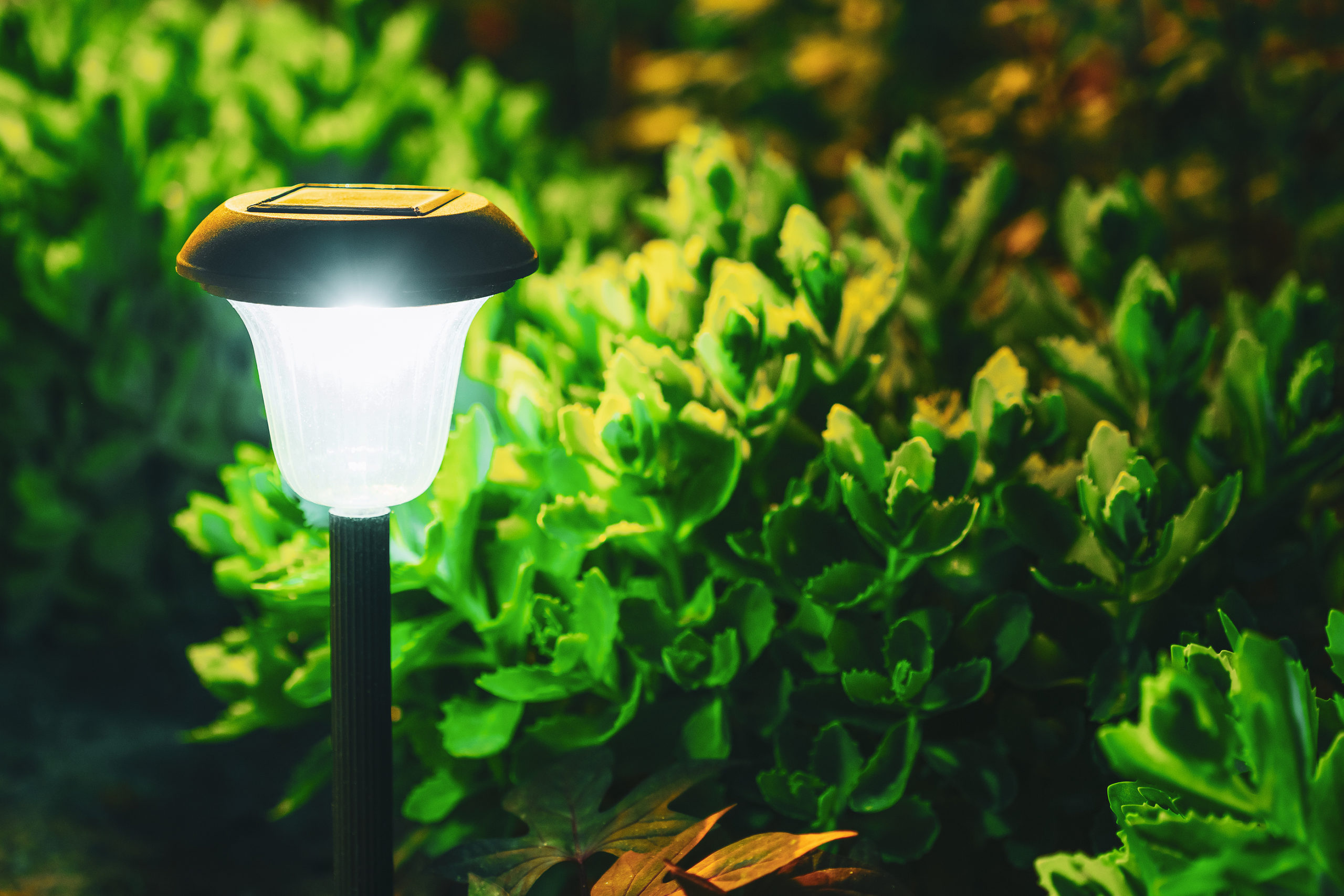
Pathway lights are essential for safety and curb appeal. They line walkways, driveways, and garden paths, providing clear visibility in the dark. These lights come in various styles, from classic lanterns to sleek modern designs, so you can match them with your yard’s look.
Consider how much illumination you need. Too bright can be harsh, while too dim won’t serve the purpose. You want enough light to see clearly without overwhelming the natural beauty of your plants or hardscape.
Spotlights And Floodlights
Spotlights focus on specific features like trees, statues, or architectural details. They create drama and depth by casting shadows and highlighting textures. Floodlights, on the other hand, cover broader areas and are excellent for security or lighting large spaces during gatherings.
Think about what you want to emphasize in your yard. Do you want to showcase a favorite tree or keep your entire backyard well-lit? Combining both can give you flexibility but requires planning to avoid glare or uneven lighting.
String And Decorative Lights
String lights bring a cozy and festive vibe to outdoor spaces. They are perfect for patios, pergolas, or wrapping around trees. Decorative lights come in many shapes, such as globe bulbs, lanterns, or fairy lights, allowing you to customize the mood.
Ask yourself how you want to use your yard after dark. Are you hosting parties, enjoying quiet evenings, or both? String lights can easily adapt to different occasions and add charm without needing complex installation.
Solar Vs. Electric Lights
Solar lights are easy to install and eco-friendly since they don’t require wiring. They charge during the day and turn on automatically at night, making them ideal for remote areas or renters. However, their brightness and runtime depend heavily on sunlight availability.
Electric lights offer consistent performance and brighter illumination. They work well for areas needing strong, reliable light, like security spots or main pathways. Keep in mind that they require wiring and professional installation might be necessary.
Which type fits your yard’s needs and your commitment to maintenance? Balancing convenience, cost, and lighting quality will guide your choice between solar and electric options.
Credit: logoslighting.com
Factors To Consider
Choosing the right outdoor lighting for your yard requires careful thought. Several factors influence how well the lighting will work and last. Consider these elements to ensure the lights fit your needs and style.
Purpose And Functionality
Think about why you need outdoor lighting. Is it for safety, decoration, or both? Path lights help guide guests safely. Spotlights highlight plants or architectural features. Motion sensors improve security. Match the lighting type to the main goal.
Energy Efficiency
Energy-saving lights reduce electricity bills and last longer. LED bulbs use less power than traditional bulbs. Solar-powered options use sunlight and need no wiring. Choose energy-efficient lights to save money and protect the environment.
Durability And Weather Resistance
Yard lights face rain, wind, and sun. Pick fixtures made of rust-proof materials like aluminum or stainless steel. Look for waterproof ratings such as IP65 or higher. Strong construction keeps lights working through harsh weather.
Light Intensity And Color
Brightness affects mood and visibility. Soft white light creates a cozy feel. Bright white or cool blue light improves visibility and focus. Adjustable brightness lets you change lighting for different occasions. Choose color and intensity that suit your yard’s atmosphere.
Design Tips For Yard Lighting
Designing your yard lighting is about more than just visibility—it’s about enhancing your outdoor space’s character and making it inviting at night. The right lighting can transform your yard into a cozy retreat or a stunning display. Let’s look at practical tips to help you create a well-lit yard that feels both functional and beautiful.
Highlighting Landscape Features
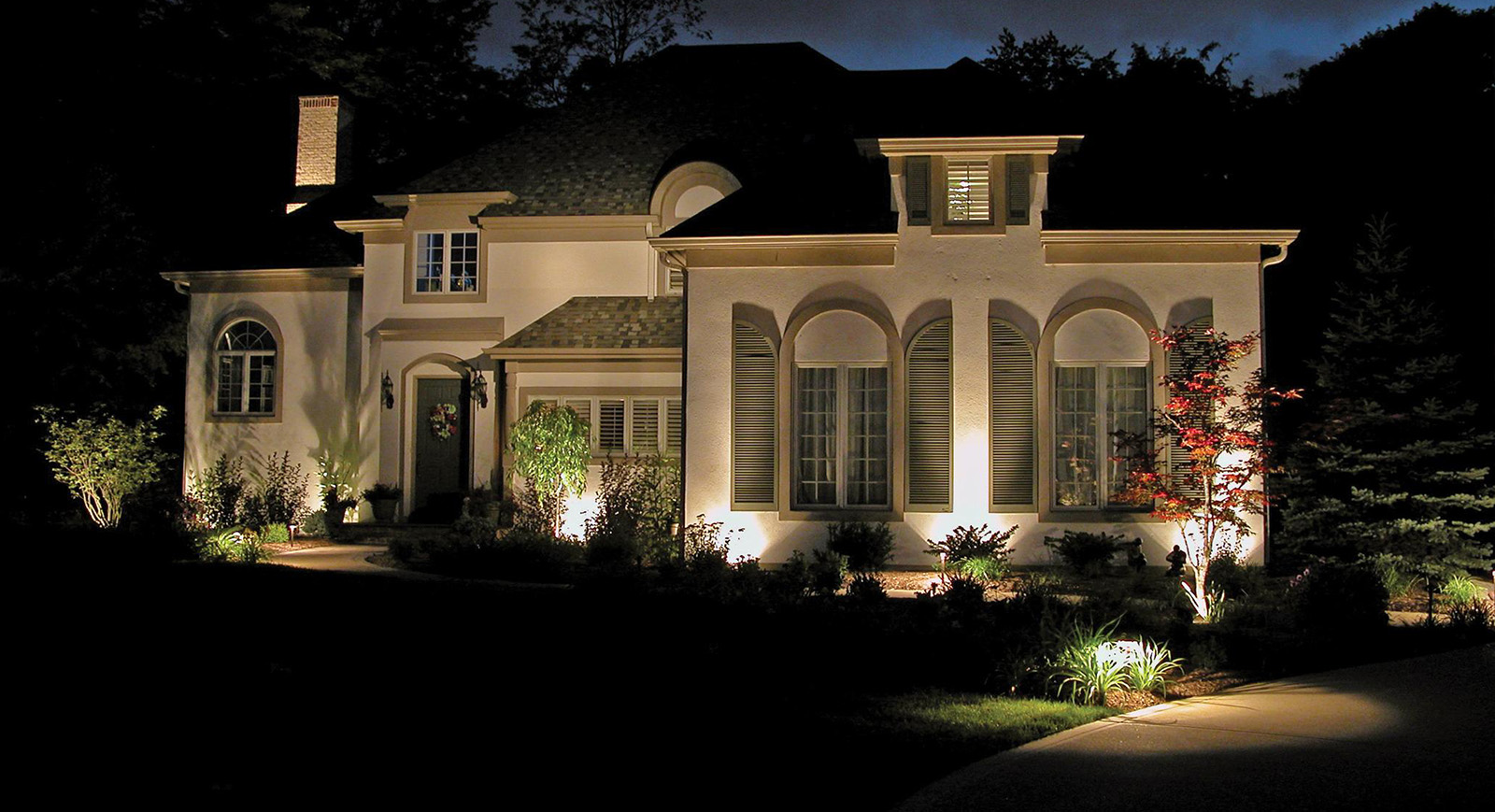
Think about the standout parts of your yard—trees, flower beds, garden sculptures, or water features. Use focused lighting like spotlights or well lights to draw attention to these elements. This approach adds depth and interest after dark, making your yard feel more dynamic.
Try placing lights at the base of a tree to create dramatic shadows or under a shrub to showcase its texture. Have you noticed how a simple light can turn an ordinary plant into a focal point? Experiment with angles to avoid harsh glare and ensure the light complements the natural shapes.
Creating Ambiance
Lighting sets the mood for your outdoor space. Soft, warm lights can make your yard feel cozy and relaxing, perfect for evening gatherings or quiet nights. String lights, lanterns, or low-voltage bulbs provide a gentle glow without overwhelming the area.
Consider how you want to use your yard at night. Do you want a lively spot for parties or a calm place to unwind? Adjust your lighting choices accordingly, mixing brightness levels to suit different activities and times. Your lighting should invite you to spend more time outside, no matter the occasion.
Layering Light Sources
Using multiple types of lighting creates a balanced and visually interesting yard. Combine ambient, task, and accent lights to cover different needs. Ambient lights provide overall illumination, task lights help with specific activities, and accent lights highlight features.
A good mix prevents harsh shadows and bright spots, making your yard comfortable and safe. For example, path lights guide your steps while spotlights enhance your favorite tree. Think about how these layers work together rather than placing lights randomly.
Avoiding Light Pollution
Bright lights spilling into neighbors’ yards or the night sky can cause problems. Aim your lights downward and use shields to control where the light goes. This not only respects your neighbors but also keeps your yard looking natural.
Choose LED bulbs with warm tones to reduce glare and avoid overly bright colors. Have you ever felt uncomfortable in a space because the lighting was too harsh or scattered? Properly directed lighting protects your nighttime environment and helps preserve the stars overhead.

Credit: lodhigarden.com
Installation Best Practices
Proper installation is key to getting the most out of your outdoor lighting. It not only ensures your yard looks stunning but also keeps everything safe and functional for years. Let’s look at some installation best practices that will make your outdoor lighting project smoother and more effective.
Planning The Layout
Start by mapping your yard. Walk around and note where you want the lights to go—highlight pathways, garden beds, and focal points.
Think about the purpose of each light. Do you want to highlight a tree, illuminate a walkway, or add security lighting? This helps decide the type and placement.
Spacing matters. Lights too close can create glare; too far apart can leave dark spots. Aim for a balance to create even, inviting lighting.
Wiring And Safety
Use outdoor-rated wiring and fixtures designed to withstand weather conditions. This protects your setup from damage and hazards.
Keep wires buried or secured to prevent tripping and exposure. Use conduit or cable covers if needed.
Double-check local electrical codes and consider consulting a professional electrician. Safety should never be compromised when working with electricity outdoors.
Maintenance And Upkeep
Choose fixtures that are easy to clean and replace bulbs. Dirt and debris can dim your lights quickly.
Set a reminder to check your lighting every few months. Look for signs of wear, corrosion, or loose connections.
Replacing bulbs promptly keeps your yard looking its best and prevents strain on other components. Have spare bulbs and batteries on hand for quick fixes.
Budgeting Your Outdoor Lighting
Setting a budget for your outdoor lighting project is essential to avoid overspending and ensure you get the best value for your money. It’s easy to get carried away by fancy features, but knowing how much you want to spend upfront helps you make smarter choices.
Think about what you want to achieve with your lighting. Is it purely decorative, or do you need functional security lights? Your answers will guide where to prioritize spending.
Cost Vs. Quality
Choosing cheaper lights might save you money initially, but they often lack durability and can fail sooner. Investing in quality fixtures means fewer replacements and less maintenance over time.
Consider materials like weather-resistant metals or high-grade plastics that withstand outdoor elements. Sometimes spending a bit more upfront prevents frequent repairs, saving money long term.
Ask yourself: Would you prefer replacing a $20 light every year or a $60 light every five years? That small difference adds up.
Energy Savings Over Time
LED lights cost more initially but use far less electricity compared to traditional bulbs. This can significantly reduce your energy bills if you keep your lights on for long hours.
Solar-powered lights are another option that can cut electricity costs to zero, but they depend on sunlight and may not be as bright or reliable in shaded areas.
Check product energy ratings and calculate potential savings. Sometimes spending a bit more now means paying less every month.
Diy Vs. Professional Installation
Installing your outdoor lighting yourself can save installation fees, but it requires time and some technical know-how. Mistakes can lead to costly repairs or unsafe setups.
Hiring a professional might be pricier upfront, but they bring expertise and can ensure everything works safely and efficiently. They often offer guarantees that protect your investment.
Think about your comfort level with electrical projects and how much time you can dedicate. Which option feels more practical and cost-effective for your situation?
Frequently Asked Questions
What Types Of Outdoor Lighting Are Best For Yards?
The best types include solar, LED, and low-voltage lights. Solar lights save energy, LED lights are long-lasting, and low-voltage options are safe and flexible for yard use.
How To Choose The Right Brightness For Yard Lights?
Choose brightness based on purpose: soft for ambiance, bright for security. Measure in lumens; 100-300 lumens suits pathways, while 700+ lumens work for security lighting.
Are Solar Lights Effective For Outdoor Yard Lighting?
Yes, solar lights are effective and eco-friendly. They charge during the day and provide sufficient light at night, ideal for areas with good sun exposure.
How To Position Outdoor Lights For Best Yard Coverage?
Place lights along pathways, near entry points, and around focal features. Use layering with ambient, task, and accent lighting for balanced yard illumination.
Conclusion
Choosing the right outdoor lighting makes your yard safe and welcoming. Think about the style, brightness, and energy use. Use lights that match your home and garden. Place them where they highlight paths and plants. Solar lights save energy and are easy to install.
Bright lights keep the yard safe at night. Soft lights create a nice mood for relaxing. Test different options before deciding. Good lighting changes how your yard feels and looks. Take time to choose what fits your needs best.

