
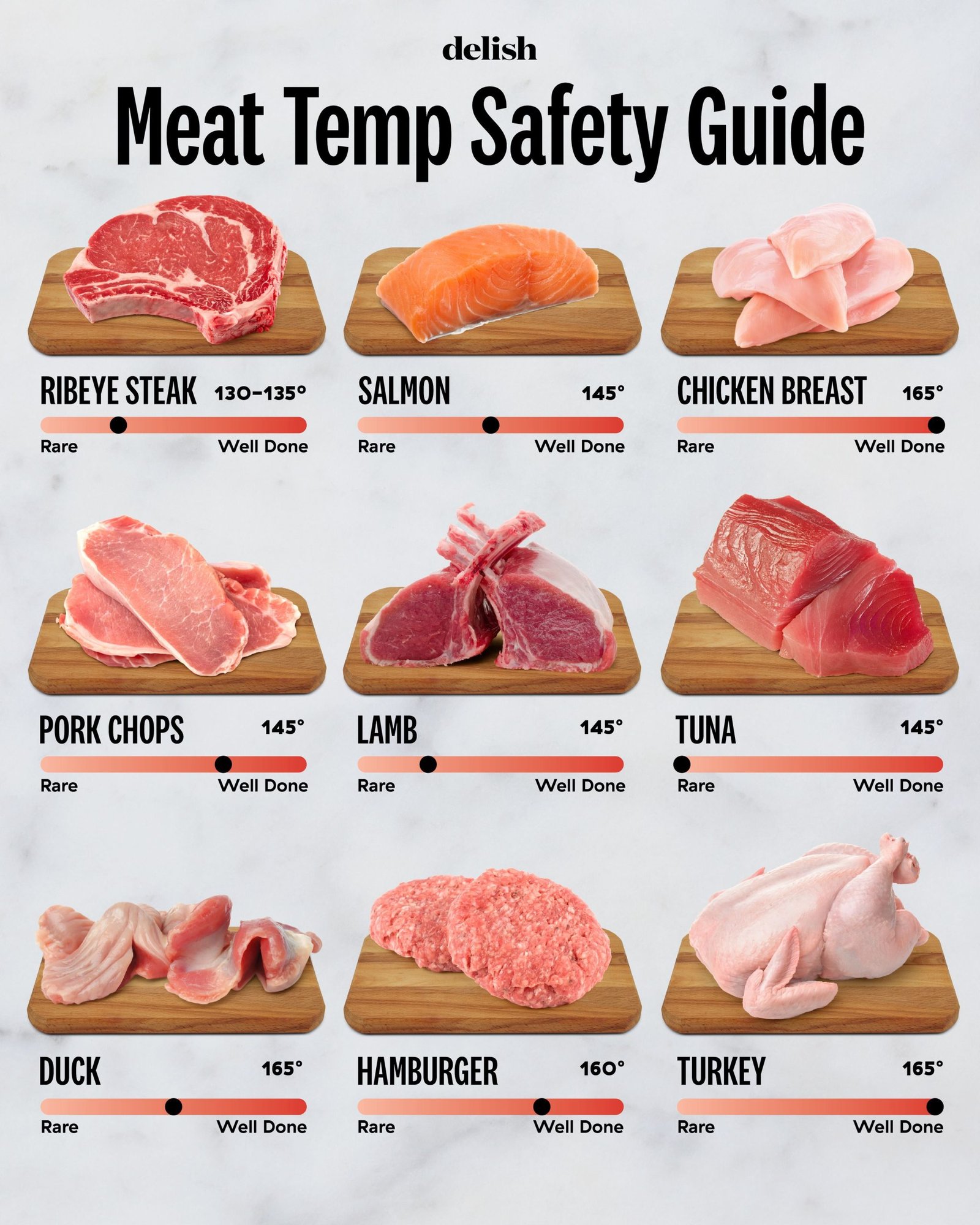
Choosing the right meat thermometer can make all the difference in your cooking. You want juicy, perfectly cooked meat every time, but guessing the temperature can lead to overcooked or undercooked meals.
How do you pick the best thermometer that fits your needs and ensures safe, delicious results? You’ll discover simple tips to help you choose a meat thermometer that works for you. Keep reading, and say goodbye to cooking guesswork forever.
Types Of Meat Thermometers
Choosing the right meat thermometer is key to cooking perfect meat every time. Different types serve different cooking styles and needs. Understanding these types helps pick the best tool for your kitchen.
Digital Vs Analog
Digital thermometers show temperatures on an easy-to-read screen. They provide quick and accurate readings. Analog thermometers use a dial with a needle to show heat levels. They do not need batteries and are simple to use. Digital models often offer faster readings and more features.
Instant-read Vs Leave-in
Instant-read thermometers give temperature results in seconds. They are great for checking meat near the end of cooking. Leave-in thermometers stay inside the meat during cooking. They monitor temperature over time without opening the oven or grill. Leave-in types help avoid heat loss and keep cooking steady.
Wireless And Smart Thermometers
Wireless thermometers connect to your phone or tablet. They send real-time temperature updates remotely. Smart thermometers often include apps with cooking guides and alerts. These help cook meat to the exact temperature without constant checking. They are perfect for multitasking and precise cooking control.
Key Features To Consider
Choosing the right meat thermometer ensures perfect cooking every time. Focus on features that impact performance and ease. These features help you pick a tool that fits your kitchen needs and cooking style.
Accuracy And Speed
Accuracy matters most for safe, delicious meals. A good thermometer provides precise readings within a few seconds. Fast response saves time and prevents overcooking. Look for models tested for reliable results.
Temperature Range
Check the temperature range to match your cooking needs. Some meats require higher heat, like beef or turkey. Others need lower settings, like fish or desserts. A wide range covers all types of cooking.
Durability And Build Quality
Durability ensures your thermometer lasts through many uses. Choose sturdy materials like stainless steel or high-quality plastic. Water resistance adds protection during cleaning. A solid build means fewer replacements.
Ease Of Use And Display
A clear display makes reading temperatures simple, even in dim light. Large numbers and backlight help. Simple controls reduce confusion. A compact design fits comfortably in your hand for easy handling.
Choosing Based On Cooking Style
Choosing the right meat thermometer depends a lot on how you cook. Different cooking styles have unique demands, and the thermometer you pick should match those needs. Think about your usual cooking methods and what features would make your life easier.
Grilling And Barbecuing
Grilling and barbecuing often involve high heat and quick temperature changes. You need a thermometer that reacts fast and can handle the heat without breaking down. A wireless or instant-read thermometer works best here because you can check your meat without opening the grill and losing heat.
Look for models with long probes so you don’t burn your hands. Waterproof and durable designs are also smart since you’ll be outdoors and possibly dealing with smoke or grease. Have you noticed how some thermometers take forever to read? Don’t settle for slow—your steak won’t wait.
Roasting And Baking
Roasting and baking usually require consistent, slower cooking. Here, a leave-in probe thermometer that stays in the meat during cooking is ideal. It lets you monitor the internal temperature without opening the oven door and disturbing the heat.
Choose thermometers with an alarm feature that alerts you when your roast hits the perfect temperature. This frees you up to focus on other tasks without constantly checking. Imagine pulling out a perfectly cooked roast without any guesswork—doesn’t that sound worth it?
Sous Vide Cooking
Sous vide cooking is all about precision and maintaining exact temperatures over time. Your thermometer should provide highly accurate readings and be compatible with water baths. A probe that can be clipped to the side of your container is helpful to keep it secure and out of the way.
Because sous vide cooks meat at lower temperatures for longer, accuracy down to a degree or two really matters. Consider digital thermometers with calibration options for the best results. Have you tried sous vide yet? The right thermometer can turn this technique from a guessing game into a science.
:max_bytes(150000):strip_icc()/faw-thermpro-tp-17-leave-in-meat-thermometer-greg-baker-13-1cca333a169a4a34a7d73be1ad4f6c5b.jpeg)
Credit: www.foodandwine.com
Budget And Brand Recommendations
Choosing a meat thermometer depends on your budget and trusted brands. Affordable models offer good accuracy, while premium brands provide extra features and durability. Focus on reliable options within your price range for the best cooking results.
Choosing a meat thermometer involves considering both budget and brand. These factors ensure you get the best value and reliability. Knowing where your money goes helps make an informed choice. Below are options for various budgets and trusted brands to consider.Affordable Options
Budget-friendly thermometers offer decent accuracy at a lower price. They might lack advanced features but are perfect for basic needs. Digital instant-read models often fall in this category. Look for those with a simple design and easy-to-read display.- Dial thermometers: Inexpensive, but slower to read.
- Basic digital thermometers: Faster and more accurate.
Premium Models
Premium models offer advanced features and superior accuracy. They are ideal for serious cooks wanting precision. Features may include wireless connectivity or programmable alerts. These thermometers often come with durable construction and longer warranties.- Wireless thermometers: Monitor temperature remotely.
- Thermocouple thermometers: Provide fast, precise readings.
Trusted Brands
Choosing a trusted brand ensures quality and reliability. Well-known brands often have strong customer support. They also tend to offer more consistent product performance. Popular brands invest in technology to deliver better results.- ThermoPro: Known for affordable, reliable models.
- Weber: Offers durable, high-quality thermometers.
- iGrill: Specializes in wireless grilling thermometers.
Maintenance And Calibration Tips
Keeping your meat thermometer in top shape ensures accurate readings every time you cook. Regular maintenance and calibration not only extend its lifespan but also protect your meals from being undercooked or overdone. Let’s dive into some practical tips that help you maintain and calibrate your thermometer effectively.
Cleaning Best Practices
Always clean your thermometer probe after each use to avoid cross-contamination and buildup. Use warm, soapy water and a soft cloth or sponge; avoid abrasive materials that can scratch the probe.
Never immerse the entire thermometer in water unless it’s waterproof. Instead, wipe the handle carefully with a damp cloth.
If you notice stubborn residue, a small amount of rubbing alcohol on a cotton ball can help sanitize the probe without damaging it.
Calibrating Your Thermometer
Calibration ensures your thermometer gives precise temperature readings. You can check calibration at home using the ice water test or boiling water test.
- Ice water test:Fill a glass with ice and cold water, stir, then insert the probe. It should read 32°F (0°C). If not, adjust according to your thermometer’s manual.
- Boiling water test:Boil water and insert the probe without touching the pot. It should read 212°F (100°C) at sea level. Remember, boiling point varies with altitude.
Regularly calibrate your thermometer, especially after dropping it or if readings seem off. This small step saves you from guessing if your meat is safe to eat.
Storage Advice
Store your meat thermometer in a dry, cool place away from direct sunlight. Avoid leaving it near heat sources or in damp drawers where moisture can cause damage.
Consider investing in a protective case or sheath for the probe to prevent bending or dulling. How often do you check your cooking tools for wear and tear? Proper storage can make your thermometer last much longer.
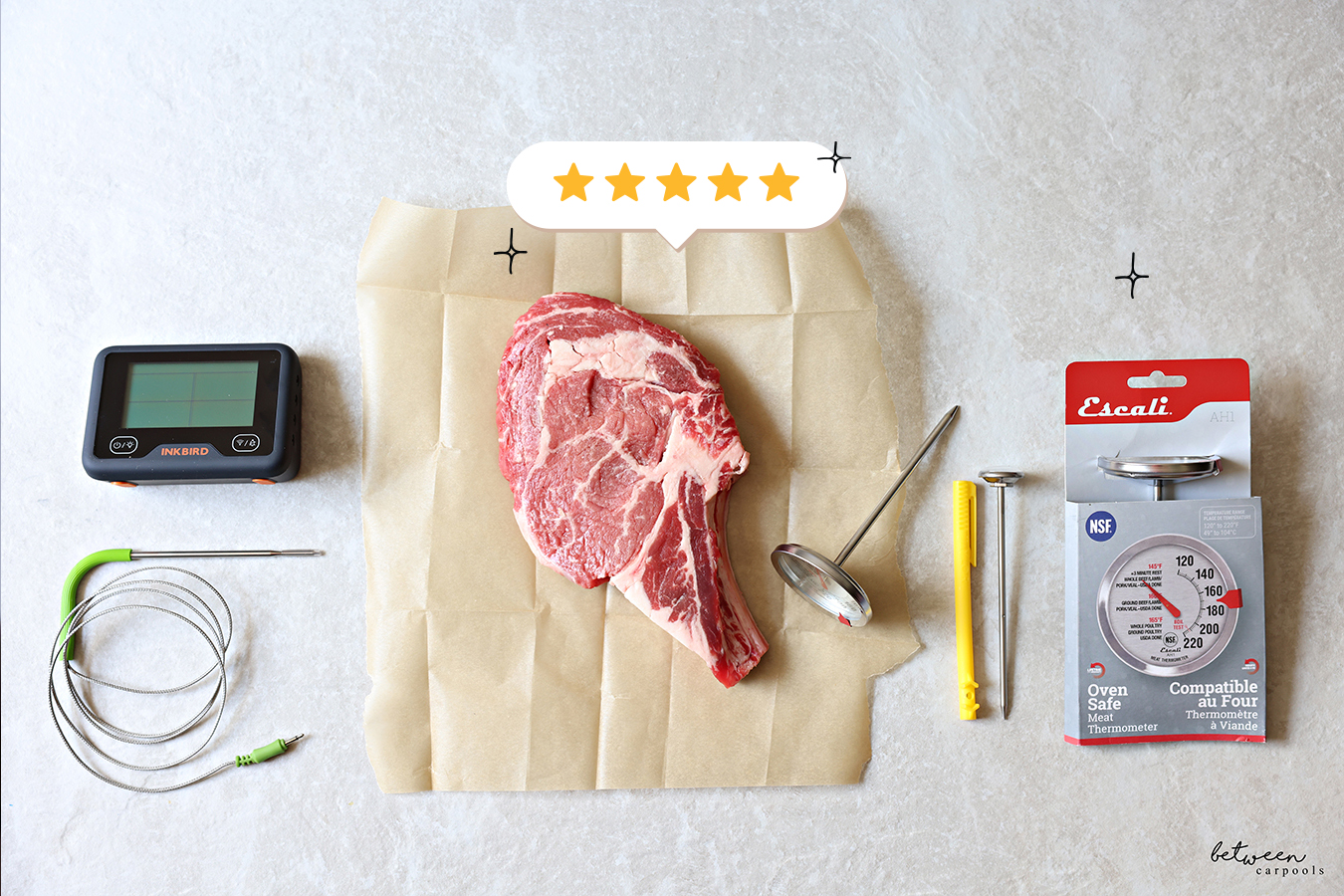
Credit: betweencarpools.com
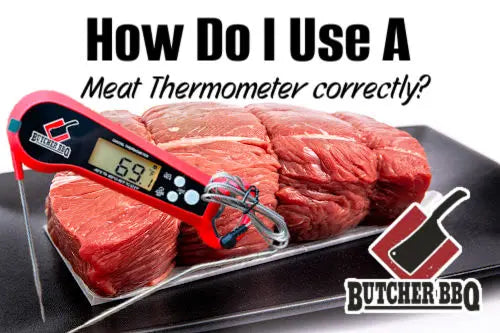
Credit: butcherbbq.com
Frequently Asked Questions
What Types Of Meat Thermometers Are Best For Cooking?
Digital instant-read and probe thermometers are best. They offer quick, accurate temperature readings. Choose based on your cooking style and needs.
How Do I Choose A Meat Thermometer’s Temperature Range?
Pick a thermometer with a range covering 32°F to 212°F. This suits most meats and cooking methods, from rare to well-done.
Are Wireless Meat Thermometers Reliable For Grilling?
Yes, wireless thermometers provide accurate readings and convenience. They allow monitoring meat temperature remotely, improving grilling precision and safety.
What Features Should I Look For In A Meat Thermometer?
Look for fast readings, easy-to-read display, durability, and waterproof design. Extra features like alarms and preset temperatures enhance cooking control.
Conclusion
Choosing the right meat thermometer makes cooking safer and easier. Pick one that fits your cooking style and budget. Check for accuracy, ease of use, and quick readings. A good thermometer helps avoid undercooked or overcooked meals. It saves time and reduces food waste.
Keep your meat juicy and delicious every time. Trust your thermometer to guide you to perfect results. Cooking becomes more fun and less stressful. Simple tools can make a big difference in the kitchen.

