
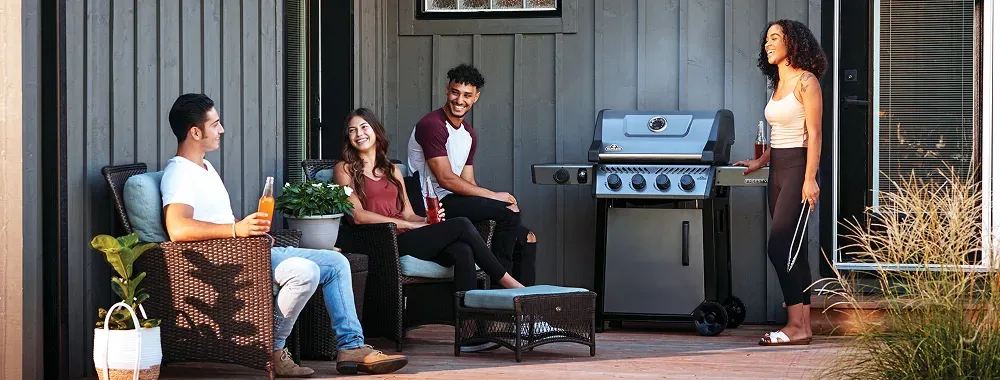
Choosing the right gas grill for your backyard can change the way you enjoy outdoor cooking forever. You want a grill that fits your space, cooks evenly, and lasts through countless summer barbecues.
But with so many options out there, it’s easy to feel overwhelmed. What features really matter? How do you get the best value for your money? This guide will help you cut through the noise and find the perfect gas grill that matches your needs and lifestyle.
Keep reading to discover simple tips that make your next backyard cookout unforgettable.
:max_bytes(150000):strip_icc()/faw-ninja-flexflame-propane-grill-and-outdoor-cooking-system-rkilgore-0307-a18a620214504b97869c6911c99dcb50.jpeg)
Credit: www.foodandwine.com
Benefits Of Gas Grills
Gas grills bring many benefits to backyard cooking. They offer ease and speed, making outdoor meals simple and enjoyable. These grills allow better control over cooking temperatures. They also provide a cleaner cooking experience, reducing smoke and residue. Choosing a gas grill means enjoying these advantages every time you grill.
Convenience And Speed
Gas grills heat up quickly, often in just minutes. No need for charcoal or lighter fluid. Turn the knob and flames ignite instantly. This saves time and effort. Cleanup is easier too, with less ash and debris to handle. Perfect for busy days or last-minute cookouts.
Temperature Control
Gas grills let you set exact heat levels. Adjust burners to cook different foods at once. Keep food from burning or undercooking. Many models feature built-in thermometers for accuracy. This control helps you grill steaks, veggies, and more with ease.
Cleaner Cooking Experience
Gas grills produce less smoke than charcoal grills. They burn cleaner fuel, reducing harmful chemicals. Food tastes fresher without smoky residue. Less mess to clean after grilling. This makes gas grills a healthier and more pleasant option.
:max_bytes(150000):strip_icc()/faw-weber-spirit-ep-425-gas-grill-rkilgore-0297-68f5f2a139fc4595a540b4614ace23f9.jpeg)
Credit: www.foodandwine.com
Types Of Gas Grills
Choosing the right gas grill means knowing the types available. Each type fits different spaces and cooking needs. Understanding these options helps pick the best grill for your backyard. Here are the main types of gas grills to consider.
Portable Grills
Portable grills are small and light. They suit patios, balconies, or tailgating. Easy to carry and store, they often run on small propane tanks. These grills heat up quickly but have limited cooking space. Perfect for simple meals and quick cookouts.
Built-in Grills
Built-in grills fit into outdoor kitchens or countertops. They offer a permanent grilling station. These grills usually have large cooking areas and extra features. Ideal for those who grill often and want a sleek, integrated look. They require professional installation and a fixed gas line.
Freestanding Grills
Freestanding grills come with their own cart or stand. They offer more cooking space than portable grills. Easy to move but larger and heavier. These grills balance power and flexibility. Good for backyard grilling and family gatherings. Many models include storage and side burners.
Key Features To Consider
Choose a gas grill with durable construction and ample cooking space. Ensure it has adjustable heat controls for versatility. Look for easy-to-clean features and reliable ignition systems for convenience.
Choosing the right gas grill for your backyard can transform your outdoor cooking experience. But, how do you ensure you pick the perfect one? By focusing on the key features that matter most. Let’s delve into what you should consider when selecting your ideal grill.Cooking Area Size
The cooking area is crucial. Think about how many people you usually grill for. Do you love hosting big family gatherings or is it just for your immediate family? A larger cooking area offers flexibility and prevents overcrowding, allowing you to cook multiple items at once. Look for grills with warming racks for added space.Burner Quality And Number
The number and quality of burners dictate the grill’s efficiency. More burners mean better heat distribution. Check for stainless steel or brass burners; they’re durable and resistant to rust. Consider how often you’ll use them. More burners aren’t just about quantity; they allow you to create different heat zones for varied cooking styles.Fuel Type Options
Gas grills generally come with two fuel options: natural gas and propane. Propane tanks offer portability, ideal for those who like to move their grill around. Natural gas, on the other hand, provides a constant supply without the need to refill tanks. Determine which fits your lifestyle better. Imagine the convenience of never running out of fuel in the middle of a barbecue!Ignition Systems
A reliable ignition system ensures your grill lights up every time without fuss. Look for electronic ignition systems; they are easy to use and offer a seamless start. Piezoelectric ignitions are also common and work well. Have you considered how frustrating it can be to struggle with matches on a windy day? A dependable ignition system eliminates that hassle. Choosing the right gas grill involves more than just picking the first shiny model you see. By focusing on these key features, you can ensure your backyard grilling sessions are always a success. What will you prioritize on your next grill hunt?Material And Build Quality
Material and build quality play a key role in choosing a gas grill for your backyard. They affect durability, heat retention, and maintenance. Picking the right material can extend your grill’s life and improve cooking results.
Strong materials resist rust and weather damage. Good construction keeps the grill stable and safe. Understanding the common materials helps make a smart choice.
Stainless Steel
Stainless steel is a popular choice for gas grills. It resists rust and corrosion well. This material handles high heat without warping or cracking.
It is easy to clean and looks good over time. Stainless steel grills often last longer and need less upkeep. Some parts, like burners and cooking grates, are usually made from stainless steel.
Cast Aluminum
Cast aluminum grills are lightweight and resist rust. They do not corrode like steel, making them good for humid areas. This material heats up quickly and spreads heat evenly.
Cast aluminum grills can be less expensive but may not be as strong as steel. They require careful handling to avoid dents. Still, they offer good durability and performance for many users.
Porcelain Coating
Porcelain coating covers metal parts like grates and grill lids. It protects against rust and makes cleaning easier. The smooth surface helps prevent food from sticking.
This coating adds a shiny finish to the grill. It can chip if hit hard, so handle the grill gently. Porcelain-coated parts combine durability with easy maintenance.
Additional Features To Look For
Choosing a gas grill involves more than just picking the right size or burner power. Paying attention to additional features can enhance your grilling experience and make cooking easier and more enjoyable. These extras can save you time, improve flavor, and add convenience to your backyard setup.
Side Burners
Side burners are a handy feature for preparing side dishes or sauces while grilling. They let you cook vegetables, boil water, or warm up baked beans without leaving the grill area. Think about how often you cook multiple items at once—having a side burner can reduce trips back and forth to the kitchen.
If you like hosting cookouts, a side burner can keep everything flowing smoothly. It’s like having a mini stove attached to your grill, so you’re never caught without a burner when you need one.
Rotisserie Kits
A rotisserie kit lets you cook whole chickens, roasts, or even large cuts of meat evenly by rotating them over the heat. This feature is perfect if you want to expand your grilling skills and impress guests with juicy, slow-cooked meals.
Not all grills come with rotisserie kits included, but many offer them as add-ons. If you enjoy experimenting with different recipes, having a rotisserie option could be a game-changer in your backyard cooking routine.
Temperature Gauges
Temperature gauges help you monitor the grill’s internal heat without lifting the lid and losing valuable heat. This keeps your cooking consistent and helps avoid undercooked or burnt food.
Look for grills with built-in, easy-to-read temperature gauges. Some models even offer digital or smart gauges that connect to your phone, giving you precise control from a distance.
Storage Space
Ample storage space keeps your grilling tools, spices, and utensils organized and within reach. Drawers, shelves, and cabinets built into your grill cart can save you from running back and forth to the kitchen.
Think about what you usually bring out when you grill—extra propane tanks, marinade bottles, or grilling brushes—and make sure your grill has enough room to store these items safely and conveniently.
Budgeting Your Gas Grill Purchase
Setting a budget helps narrow down gas grill choices. It keeps spending reasonable and matches your needs. Knowing your price range can save time and effort. It also guides you toward the best features available at each price point.
Entry-level Options
Entry-level gas grills suit small backyards and casual cooks. They cost less but still offer basic grilling functions. Expect fewer burners and simpler controls. Materials may be lighter, so they might not last as long. Ideal for beginners or occasional use.
Mid-range Choices
Mid-range grills balance price and performance well. They usually have more burners and better heat control. These models use stronger materials like stainless steel. Extra features like side burners or warming racks often appear here. Great for families or frequent grillers.
Premium Models
Premium gas grills come with advanced features and large cooking areas. They use top-quality materials designed to last many years. Options include infrared burners, built-in thermometers, and rotisserie kits. These grills suit serious cooks who grill often. Expect to pay a higher price for durability and performance.
Maintenance And Safety Tips
Keeping your gas grill in top shape not only extends its life but also protects you and your loved ones. Proper maintenance and safety habits prevent accidents and ensure your grill performs at its best every time you fire it up. Let’s look at some practical tips that make caring for your grill easier and safer.
Cleaning Techniques
Regular cleaning keeps your grill functioning smoothly and helps avoid flare-ups caused by grease buildup. After each use, scrape off food residue from the grates using a sturdy grill brush or a ball of aluminum foil.
Once a month, deep clean by removing the grates and soaking them in warm, soapy water. Wipe down the interior surfaces and empty the grease tray to prevent blockages and unpleasant smells.
Don’t forget to check burner tubes for clogs. Use a soft brush or a pipe cleaner to clear any debris that could disrupt the gas flow.
Safe Gas Handling
Handling gas requires caution to avoid leaks and accidents. Always check your propane tank and hose connections before lighting the grill.
- Use soapy water on connections; bubbles mean a leak.
- If you smell gas while grilling, turn off the tank immediately and ventilate the area.
- Never store propane tanks indoors or near heat sources.
Have you ever thought about how small leaks could go unnoticed? Make it a habit to inspect your gas setup regularly to keep your grilling safe.
Winter Storage
Storing your grill properly during colder months protects it from rust and damage. Clean it thoroughly before storage to remove leftover food and grease.
Cover your grill with a waterproof, breathable cover to shield it from moisture and debris. If possible, keep it in a garage or shed to avoid harsh weather exposure.
Disconnect the propane tank and store it upright in a well-ventilated outdoor area. This reduces risks and keeps your grill ready for spring.

Credit: www.tasteofhome.com
Top Brands And Models In 2025
Choosing the right gas grill can change your backyard cooking experience. The market in 2025 offers many brands and models. Each one has unique features. Understanding the best options helps you pick the perfect grill for your needs.
Top brands focus on quality, durability, and performance. They provide reliable heat and easy controls. Some models suit small families, while others serve large groups. Here are some top picks to consider.
Best Overall
The Weber Genesis II stands out for its balance of features and quality. It heats evenly and lasts for years. The grill has smart controls and a spacious cooking area. Its design fits most backyards and budgets.
- High-quality stainless steel burners
- Porcelain-enameled cast-iron cooking grates
- Built-in thermometer and side tables
- Easy ignition system
Best Value
Char-Broil Performance offers great features at a lower price. It suits beginners and casual grillers. The grill heats quickly and cleans easily. Its compact size works well for small spaces.
- Three burners for even heat
- Durable stainless steel construction
- Side burner for extra cooking space
- Affordable price without sacrificing quality
Best For Large Groups
Napoleon Prestige Pro 500 is perfect for big gatherings. It has a large cooking surface and powerful burners. This model also offers extras like a rotisserie and smoker box. It handles heavy use with ease.
- Five burners plus infrared side burner
- Stainless steel wave cooking grids
- Built-in smoker tray and rotisserie kit
- Spacious design for multiple dishes
Frequently Asked Questions
What Size Gas Grill Is Best For A Backyard?
Choose a grill size based on your typical cooking needs. For small families, a 2-4 burner grill works well. Larger groups may require 4-6 burners. Consider available space and storage when selecting grill dimensions for your backyard.
Which Fuel Type Is Ideal For Backyard Gas Grills?
Propane is popular for its portability and quick heating. Natural gas offers convenience with direct home connection but requires professional installation. Choose based on your backyard setup and how often you plan to grill.
How Important Is Btu Rating In Gas Grills?
BTU measures heat output but doesn’t always indicate cooking efficiency. Look for balanced BTU per square inch of cooking area. Higher BTU means faster cooking but also more fuel consumption.
What Materials Make The Best Durable Gas Grills?
Stainless steel resists rust and is easy to clean. Cast iron grates hold heat well for better searing. Choose quality materials for long-lasting backyard grill performance.
Conclusion
Choosing the right gas grill makes backyard cooking fun and easy. Think about size, fuel type, and features you need. A good grill fits your space and cooking style. Quality matters for safety and lasting use. Take your time to compare options before buying.
Enjoy tasty meals with family and friends outdoors. A well-chosen grill brings joy to every barbecue day. Simple steps lead to great grilling moments. Ready to fire up your backyard?

