
Are you tired of struggling to carry heavy loads around your lawn? Choosing the right garden cart can make your outdoor work easier and more enjoyable.
But with so many options available, how do you pick the one that fits your needs perfectly? This guide will help you find the best garden cart for your lawn, saving you time, effort, and frustration. Keep reading to discover simple tips that will transform the way you care for your garden.
Credit: www.lovethegarden.com
Types Of Garden Carts
Garden carts help carry tools, plants, and soil around your lawn. Choosing the right type makes yard work easier and faster.
There are several types of garden carts. Each has features that fit different jobs and garden sizes.
Wheeled Garden Carts
Wheeled garden carts have two or four wheels for easy movement. They are good for carrying heavy loads on flat ground.
These carts often have a deep bed to hold soil, plants, or tools securely. Some have handles for easy pushing or pulling.
Dump Carts
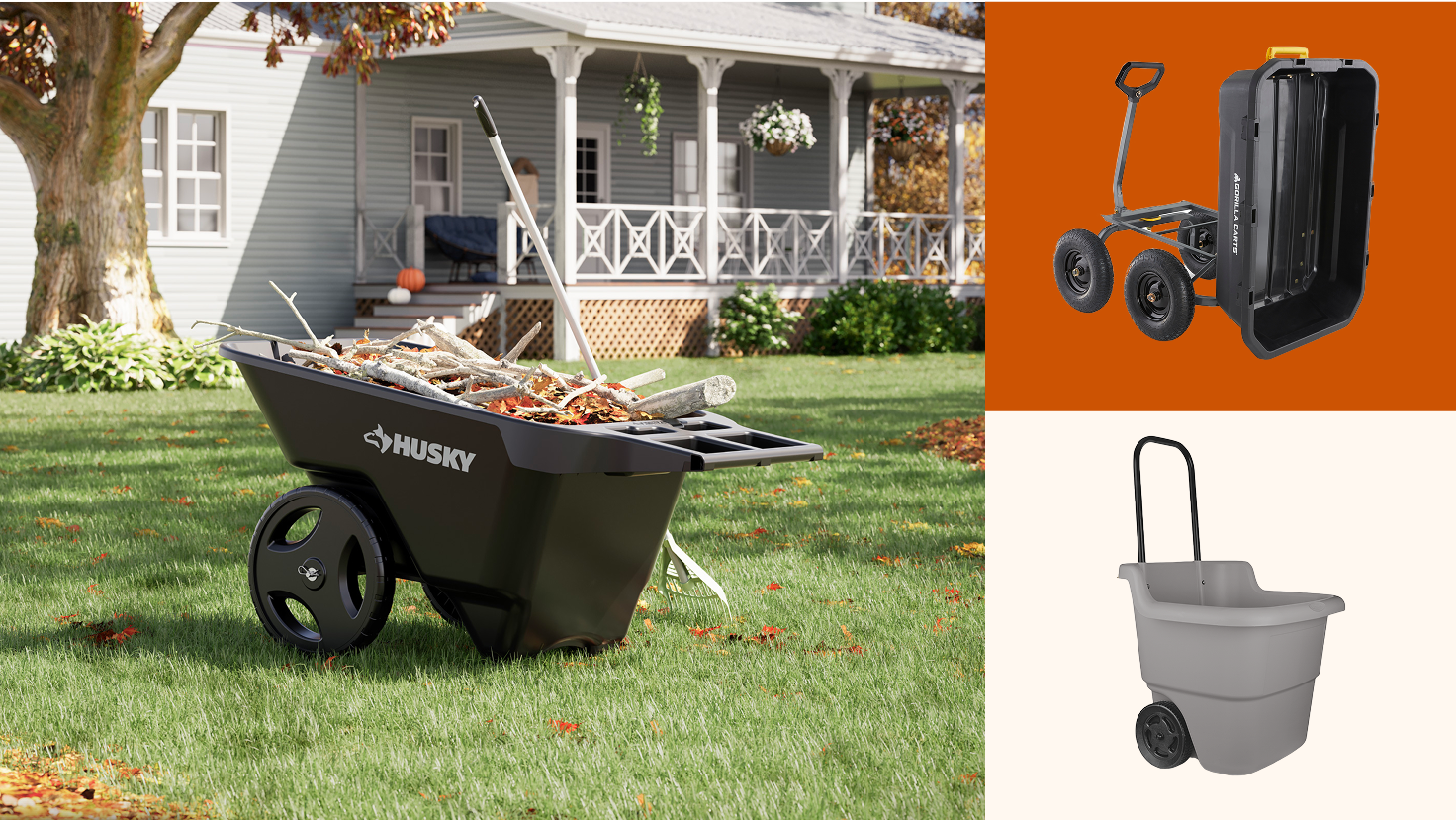
Dump carts have a special feature that lets you tip the cart to unload materials. This makes moving soil or mulch simple.
- Easy to dump heavy loads
- Strong frames for tough jobs
- Best for gardeners who move soil often
Foldable Garden Carts
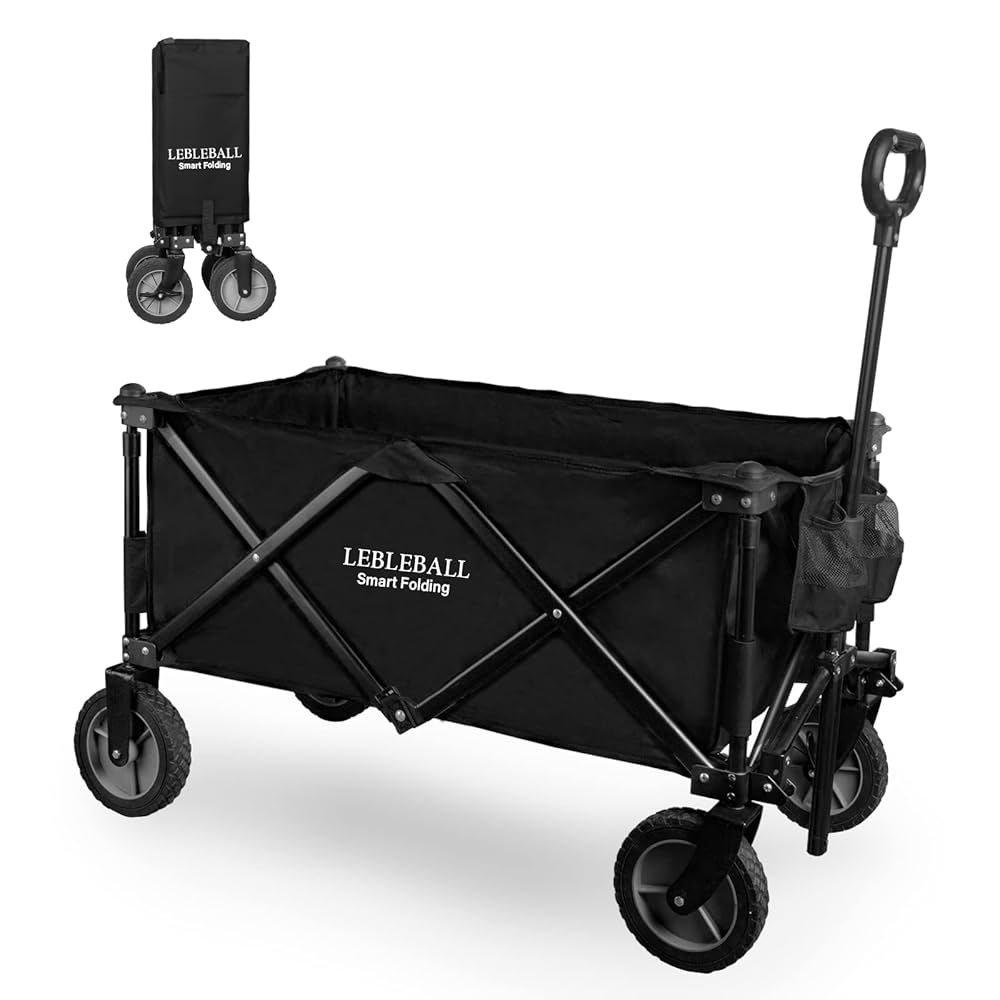
Foldable carts save space when not in use. They collapse flat for easy storage in sheds or garages.
These carts are lighter and good for small gardening tasks. They usually have fabric beds and smaller wheels.
Utility Wagons
Utility wagons are versatile and carry larger loads. They often have four wheels and sturdy sides to hold many items.
| Feature | Benefit |
| Four wheels | Stable on uneven ground |
| Large capacity | Carry many tools or plants |
| Strong frame | Handles heavy weight |
Key Features To Consider
Choosing the right garden cart helps make lawn work easier. Knowing what features matter can guide your choice. This guide covers five key parts to check before buying.
Think about how much weight the cart can carry and how easy it is to move. Materials and handle design also affect comfort and durability. Read on to learn more about each feature.
Load Capacity
Load capacity shows the maximum weight a garden cart can hold. Choose one that fits your needs. A cart with too little capacity will break or wear out fast. A larger capacity is better for heavy tasks.
Wheel Type And Size
Wheels affect how the cart moves on different surfaces. Larger wheels work well on soft grass or dirt. Smaller wheels suit smooth surfaces like pavement. Pneumatic tires provide a smooth ride but need air. Solid wheels need less care but may be rough on bumps.
- Large pneumatic wheels: Good for rough ground
- Solid rubber wheels: Low maintenance
- Plastic wheels: Lightweight but less durable
- Swivel front wheels: Better turning
Material And Durability
The cart’s material affects how long it lasts. Steel carts are strong and hold heavy loads. They may rust if not coated. Plastic carts resist rust and are light but can crack. Look for carts with a rust-resistant finish or UV protection for longer use.
| Material | Strength | Weight | Resistance |
| Steel | High | Heavy | Rust risk without coating |
| Plastic | Medium | Light | Good against rust and UV |
| Aluminum | Medium | Light | Rust resistant |
Handle Design
A good handle makes the cart easier to pull or push. Look for handles that fit your hand size and height. Some handles fold for easy storage. Padded grips reduce hand strain during long use.
Maneuverability
Maneuverability means how well you can move the cart in tight spots. Swivel wheels help turn easily. A balanced design stops tipping when the cart is full. Check if the cart is easy to steer and stable on slopes.
Tips for better maneuverability:
- Choose carts with front swivel wheels.
- Pick models with a low center of gravity.
- Test the cart empty and loaded before buying.
Matching Cart To Lawn Size
Choosing the right garden cart depends on your lawn size. A good match makes yard work easier.
Using a cart that fits your lawn size saves time and effort while carrying tools and plants.
Small Lawns
For small lawns, select a compact and lightweight garden cart. It should be easy to move in tight spaces.
Look for carts with a smaller bed size to carry light loads without being bulky.
- Small wheel size for smooth maneuvering
- Lightweight materials like plastic or aluminum
- Easy to store in small sheds or garages
Medium Lawns
Medium lawns need a garden cart with moderate capacity and durability. It should handle average loads well.
Choose a cart with sturdy wheels to roll easily over grass and small obstacles.
- Medium-sized bed for tools and debris
- Strong frame for heavier loads
- Wheels that work on grass and soil
Large Lawns
Large lawns require a big garden cart with high capacity. It should carry heavy loads and last long.
Look for carts with large, rugged wheels and a wide bed for bulky items like mulch or soil bags.
- Heavy-duty steel frame for strength
- Large bed for big loads
- Wide, durable wheels for rough terrain

Credit: www.youtube.com
Terrain And Surface Factors
Choosing the right garden cart depends on the type of ground it will move on. The terrain and surface affect how easily the cart can be pushed or pulled.
Understanding these factors helps you pick a cart that works well in your lawn area.
Flat Vs Uneven Terrain
Flat terrain means smooth and level ground. A garden cart with small wheels can work well here. It is easier to push on flat surfaces.
Uneven terrain has bumps, rocks, or slopes. You need a cart with large, strong wheels to handle this. The wheels should have good grip to avoid slipping.
- Small wheels suit flat, smooth lawns
- Large wheels help on rocky or bumpy ground
- Pneumatic tires absorb shocks on uneven terrain
Soft Vs Hard Surfaces
Soft surfaces like soil or grass need wheels that don’t sink in. Wide tires spread the weight and make moving easier.
Hard surfaces like concrete or stone need durable wheels. Hard plastic or rubber tires roll smoothly without wearing out fast.
- Wide tires for soft ground to avoid sinking
- Durable rubber tires for hard surfaces
- Check wheel material for surface type
Maintenance And Storage Tips
Choosing a garden cart for your lawn is just the first step. Taking care of it helps it last longer and work better.
Good maintenance and proper storage keep your cart safe from damage and rust.
Cleaning And Care
Clean your garden cart after each use to remove dirt and debris. This stops rust and keeps parts working well.
Check moving parts like wheels and handles. Lubricate them to avoid squeaks and wear.
- Use water and a mild soap to wash the cart
- Dry the cart completely before storing
- Remove leaves, mud, and grass clippings
- Apply oil to wheel axles and hinges
- Inspect for cracks or broken parts regularly
Proper Storage Solutions
Store your garden cart in a dry, covered place to protect it from rain and sun. This prevents rust and fading.
Keep the cart off the ground to avoid moisture buildup. Hanging or placing it on blocks works well.
- Use a shed, garage, or covered porch for storage
- Keep the cart away from direct sunlight
- Elevate the cart using wood blocks or racks
- Cover the cart with a waterproof tarp if needed
- Store small parts like handles separately if removable
Budget And Value
Choosing a garden cart for your lawn involves considering your budget and the value you get. A good cart saves time and effort, making gardening more enjoyable.
Finding the right balance between cost and quality is key. Here’s how to make an informed decision.
Affordable Options
Affordable garden carts offer basic features for simple tasks. They are great for light loads and small gardens.
These carts usually have plastic or lightweight metal frames. They are easy to handle and store.
- Look for deals in local stores
- Compare prices online
- Check user reviews for durability
Investing In Quality
Investing in a high-quality garden cart means paying more upfront. These carts are built to last and handle heavier loads.
They often feature sturdy materials like steel and have better wheels for rough terrain. This makes them ideal for larger gardens.
- Consider the size of your garden
- Think about the types of tasks you’ll use it for
- Check for additional features like foldability or adjustable handles
Warranty And Support
Warranties provide peace of mind when buying a garden cart. They cover defects and ensure support in case of issues.
Look for brands that offer good customer service. A longer warranty often indicates a manufacturer’s confidence in their product.
- Check the warranty period offered
- Research the company’s reputation for support
- Read terms and conditions carefully
Credit: www.homedepot.com
Frequently Asked Questions
What Size Garden Cart Is Best For A Lawn?
Choose a garden cart size based on your lawn’s area and tasks. Smaller carts suit light jobs; larger ones handle heavy loads. Consider storage space and maneuverability for ease of use. Proper size ensures efficient lawn care without strain.
Which Material Is Ideal For Garden Carts?
Steel and heavy-duty plastic are popular garden cart materials. Steel offers durability and strength for heavy loads. Plastic carts are lightweight and resistant to rust. Select based on your lawn’s needs and weather conditions for longevity.
How Important Is Wheel Type For Garden Carts?
Wheel type affects maneuverability and ease of use on lawns. Pneumatic tires handle rough terrain and absorb shocks well. Solid wheels require less maintenance but may struggle on uneven ground. Choose wheels suited to your lawn’s surface.
Can Garden Carts Carry Heavy Loads Safely?
Yes, many garden carts support heavy loads if designed for it. Check the cart’s weight capacity before purchase. Using a cart with proper capacity prevents damage and ensures safety during lawn tasks.
Conclusion
Choosing the right garden cart makes lawn work easier and faster. Think about size, weight, and wheel type first. A good cart saves your time and energy. It helps carry tools, soil, and plants with less effort. Don’t forget to check durability and comfort features.
The best cart fits your garden needs and budget. Take your time to pick one that feels right. Your lawn care will improve with the right choice. Simple and smart decisions bring great results.

