
Imagine stepping into your yard and feeling instantly calm. A water feature can turn that dream into your everyday reality.
But how do you choose the perfect one for your space? You want something that fits your style, budget, and needs without overwhelming your yard. This guide will help you make the best choice, so your outdoor space becomes your personal oasis.
Keep reading to discover simple tips that will make your yard stand out and bring you peace every time you step outside.
Credit: clden.com
Types Of Water Features
Water features bring life and calm to any yard. They create peaceful sounds and a beautiful look. Choosing the right type depends on your space, style, and how much care you want. There are many kinds to explore, each with its unique charm and benefits.
Fountains
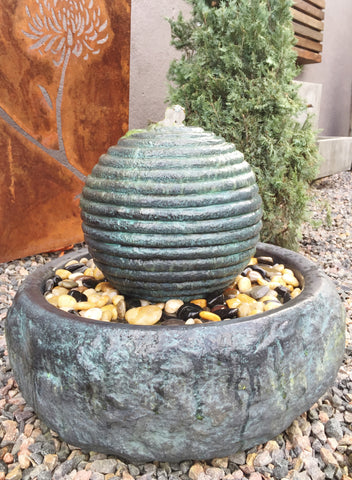
Fountains are classic and versatile. They come in many shapes and sizes, from small tabletop models to large, decorative ones. Fountains use moving water to create soothing sounds. They need a power source to pump water. Fountains fit well in small yards or patios.
Ponds
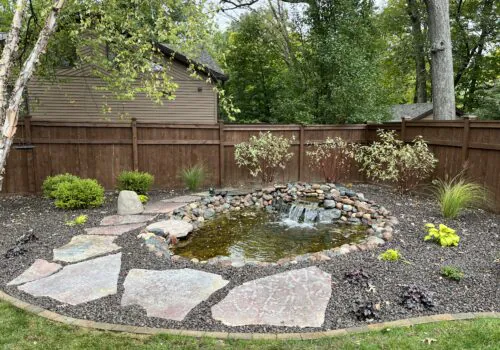
Ponds add a natural feel with plants and fish. They require more space and maintenance. Ponds attract wildlife like frogs and dragonflies. You can customize ponds with rocks, plants, and lights. They provide a peaceful habitat and a relaxing view.
Waterfalls
Waterfalls add motion and sound to your yard. They create a calming, natural atmosphere. Water flows over rocks or stones, making a gentle noise. Waterfalls can be built alone or combined with ponds. They need space and a water pump system.
Streams
Streams mimic natural flowing water in your yard. They add a soft, running water sound. Streams can connect to ponds or waterfalls. They require a longer space to make the water flow look real. Streams bring a peaceful, fresh feeling outdoors.
Birdbaths
Birdbaths attract birds and add charm to gardens. They are simple and usually small. Birdbaths need regular cleaning and fresh water. They create a lively spot for birds to visit. Birdbaths fit well in any size garden or yard.

Credit: sunnydazedecor.com
Assessing Yard Space
Choosing the right water feature begins with understanding your yard space. The size, shape, and current landscaping all influence the best option. Careful assessment helps create a balanced, beautiful outdoor area. This section guides you through key points to consider before selecting a water feature.
Size Considerations
Measure your yard carefully. Small yards need compact features to avoid crowding. Large yards allow bigger or multiple water features. Think about how much space you want the feature to occupy. Leave room for walking and other plants. A water feature that fits well looks natural and inviting.
Shape And Layout
Look at your yard’s shape. Rectangular yards suit linear or rectangular features. Circular or irregular spaces work well with round or freeform designs. Match the water feature’s shape to the yard’s layout. This creates harmony and flow. Avoid placing large features in awkward corners. Choose spots where the feature can be a focal point.
Existing Landscape Integration
Notice current plants, paths, and structures. Pick a water feature that blends with these elements. Use materials and colors that match your garden style. Think about how the feature will affect plant growth and sunlight. Place it near plants that enjoy moisture. A well-integrated feature enhances the whole yard’s appeal.
Design And Style
Choosing the right design and style for your yard’s water feature shapes the whole outdoor space. It sets the mood and matches your taste. The style you pick should feel natural with the rest of your yard. The design also influences how much you enjoy your water feature every day.
Modern Vs. Traditional
Modern water features have clean lines and simple shapes. They often use materials like glass and metal. These features fit well in sleek, minimal yards. Traditional water features are more detailed and ornate. They include stone fountains and classic ponds. These bring a timeless, cozy feel to your yard.
Material Choices
The material affects the look and durability. Common materials include:
- Stone – strong and natural
- Concrete – versatile and sturdy
- Metal – sleek and modern
- Wood – warm and rustic
- Glass – smooth and elegant
Choose materials that match your climate and maintenance ability. Some materials need more care than others.
Color And Texture Coordination
Colors and textures should blend with your yard’s plants and furniture. Soft, natural colors create calm spaces. Bright colors add energy and focus. Textures like rough stone or smooth metal add interest. Mix and match carefully to avoid clashing styles.

Credit: www.thecoolist.com
Budget Planning
Planning your budget is key before choosing a water feature for your yard. It keeps spending in control and avoids surprises. Understanding costs helps pick a feature that fits your finances. It also prepares you for future expenses. Careful budget planning makes your water feature a lasting joy.
Cost Of Installation
Installation costs vary by type and size of the water feature. Simple fountains cost less than large ponds or waterfalls. Labor fees depend on the complexity of the setup. Some features need electrical or plumbing work. Materials like stone, metal, or concrete influence the price. Always ask for a detailed estimate before starting.
Maintenance Expenses
Maintenance keeps your water feature clean and working well. Costs include cleaning, repairs, and replacing parts. Pumps and filters may need regular attention. Seasonal care like winterizing can add to expenses. Some plants or fish require special care and supplies. Plan for these ongoing costs to avoid budget strain.
Long-term Investment
A water feature adds value and beauty to your yard over time. It can increase your home’s appeal to buyers. Durable materials and good design lower future repair costs. Energy-efficient pumps save money on electricity bills. Choosing quality now can reduce long-term expenses. Think of your water feature as an investment, not just a purchase.
Installation Process
The installation process of a water feature shapes its beauty and function. Proper setup ensures it works smoothly and lasts long. It involves several key decisions and steps to fit your yard perfectly.
Diy Vs. Professional
Choosing between DIY and hiring a professional depends on skill and time.
- DIY saves money but needs careful planning and effort.
- Professionals bring experience and tools for faster, safer installation.
- Complex features often require expert knowledge to avoid damage.
- Simple fountains or small ponds can be good DIY projects.
Required Tools And Equipment
Prepare the right tools before starting installation. Common tools include:
- Shovel and spade for digging
- Level to ensure even placement
- Measuring tape to check dimensions
- Power drill for securing parts
- Water pump, tubing, and filters for water flow
- Protective gloves and safety glasses
Having all tools ready avoids delays and errors.
Permits And Regulations
Check local rules about water features. Some areas require permits.
- Permit needs vary by size and type of feature
- Setback requirements keep water features away from property lines
- Electrical codes apply if pumps or lights are used
- Environmental rules may protect water use and wildlife
Following regulations prevents fines and legal issues.
Maintenance Tips
Keeping your water feature looking beautiful and functioning well requires regular attention. Maintenance doesn’t have to be a chore if you know what to check and when to act. Let’s dive into practical tips that help you keep your yard’s water feature in top shape all year long.
Cleaning And Upkeep
Regular cleaning prevents buildup of algae, dirt, and debris that can clog pumps or spoil water clarity. Skim leaves and twigs from the surface weekly, and scrub the basin or fountain walls monthly with a soft brush.
Use a mild detergent or a mixture of water and vinegar to avoid harsh chemicals that could harm plants or wildlife. Check your pump filter often and rinse it out to maintain good water flow.
Have you noticed cloudy water or unpleasant smells? That’s a sign it’s time for a thorough cleaning. Keeping your water feature tidy not only looks great but extends its lifespan.
Seasonal Care
Weather changes affect your water feature’s health. In colder months, draining the water and storing the pump indoors can prevent freeze damage.
During hot summers, topping off the water regularly is crucial to compensate for evaporation. Consider adding shade or aquatic plants to reduce algae growth and keep water cool.
Spring is a good time to inspect for any damage from winter and restart your feature with fresh water. How do you adjust your maintenance routine as the seasons change?
Troubleshooting Common Issues
If the water flow slows or stops, first check for blockages in the pump or tubing. Sometimes, small stones or algae buildup can be the culprit.
Cloudy water often indicates poor filtration or excessive nutrients feeding algae. Adding beneficial bacteria treatments can help balance the ecosystem.
Leaks can be tricky. Look for cracks in the basin or loose fittings around pipes. Patch minor leaks with waterproof sealant, but significant damage might require professional help.
Have you ever faced a water feature problem you couldn’t fix? Knowing these basics puts you ahead, making repairs less stressful and more manageable.
Enhancing Aesthetic Appeal
Choosing a water feature for your yard boosts its visual charm. A well-selected water element can create a focal point that draws the eye and enhances the overall landscape design. It blends with nature, reflecting the sky and plants, adding depth and interest. Consider how the feature fits with your style and space to maximize its beauty.
Lighting Options
Lighting transforms water features after dark. Soft lights highlight the flowing water and create sparkling reflections. Underwater LEDs add color and drama. Solar lights are eco-friendly and easy to install. Position lights to avoid glare and enhance shapes. Proper lighting extends enjoyment into the evening hours.
Complementary Plantings
Plants around the water feature boost its natural look. Choose greenery that thrives in moist conditions. Tall grasses, ferns, and flowering plants add texture and color. Use plants to frame the water feature and soften edges. Seasonal blooms keep the area lively year-round. Ensure plants do not block views or crowd the feature.
Creating Ambiance
Water features set a calm and relaxing mood. The sound of flowing water soothes and masks noise from nearby streets. Combine with seating areas for peaceful retreats. Add stones or sculptures for visual interest. Use pathways and lighting to guide visitors. A water feature can turn any yard into a tranquil escape.
Frequently Asked Questions
What Types Of Water Features Suit Small Yards?
Small yards benefit from compact water features like fountains or small ponds. These save space and add charm without overwhelming the area.
How To Maintain A Backyard Water Feature?
Regular cleaning, checking water levels, and maintaining pumps are essential. This keeps the water clear and the feature functioning properly.
Which Materials Are Best For Outdoor Water Features?
Natural stone, concrete, and durable metals work well. They withstand weather and add an attractive, long-lasting element to your yard.
How To Choose A Water Feature For Yard Style?
Match the water feature with your yard’s theme. Modern yards suit sleek fountains, while rustic spaces fit natural ponds or rock waterfalls.
Conclusion
Choosing the right water feature can enhance your yard’s beauty. Think about size, style, and maintenance needs. Match the feature to your space and budget. A simple pond or a small fountain can add calm and charm. Water features attract birds and bring peaceful sounds.
Take time to plan and enjoy your outdoor space. Your yard will feel fresh and inviting with water. Start small and grow your water feature over time.

