
Grilling with a portable pellet grill is a game-changer for your outdoor cooking. But do you really know how hot your grill is getting?
Checking the temperature on your portable pellet grill is key to cooking your food just right—whether you’re searing steaks or slow-smoking ribs. You’ll learn simple, foolproof ways to monitor your grill’s heat so every meal turns out perfect. Keep reading to master the art of temperature control and take your grilling skills to the next level.
Why Temperature Matters
Temperature control is crucial when using a portable pellet grill. It affects how your food cooks and tastes. Keeping the right temperature ensures your meal turns out just right. Too hot or too cold can spoil the results.
Impact On Cooking Results
Temperature changes the texture and flavor of food. Low heat cooks meat slowly, making it tender and juicy. High heat creates a crispy outside but may dry the inside. Consistent temperature helps food cook evenly. It avoids raw spots or burnt edges.
Avoiding Overcooking And Undercooking
Checking temperature prevents food mistakes. Overcooked food becomes dry and tough. Undercooked food can be unsafe to eat. Using a thermometer helps find the perfect doneness. It saves food from going to waste. It also keeps everyone safe and happy at the table.

Credit: www.lowes.com
Types Of Temperature Gauges
Temperature gauges for portable pellet grills include digital, dial, and probe types. Each offers a different way to monitor cooking heat accurately. Knowing the gauge type helps maintain perfect grill temperatures.
When you’re grilling on a portable pellet grill, maintaining the perfect temperature is key to achieving that mouth-watering flavor. But how do you ensure you’re getting an accurate reading? This is where different types of temperature gauges come into play. Understanding these tools can make a significant difference in your grilling experience. Let’s dive into the various types of temperature gauges you can use to keep your cooking on point.Built-in Thermometers
Many portable pellet grills come with built-in thermometers located on the lid. These are convenient because they’re always attached, meaning you don’t have to worry about forgetting your thermometer. However, they often only measure the air temperature just below the lid, which might not accurately reflect the temperature at grill level. Have you ever noticed your food isn’t cooking as expected? The built-in thermometer might be the culprit.Digital Thermometers
Digital thermometers offer a more precise measurement of the grill’s internal temperature. They are user-friendly and provide quick readings, which is crucial when you’re managing heat-sensitive dishes. Simply insert the probe into the thickest part of the meat, and you’ll have an accurate reading in seconds. They’re a must-have tool if you like to experiment with different recipes and need consistency in your cooking.Wireless Temperature Probes
Wireless temperature probes take convenience to a whole new level. These devices allow you to monitor the grill’s temperature from a distance, using your smartphone or a handheld device. Imagine relaxing with your guests while keeping an eye on the grill without having to hover over it. This technology can save you from the hassle of frequent checks, offering peace of mind and letting you enjoy your time with family and friends. Choosing the right temperature gauge can enhance your grilling success and make the process more enjoyable. Whether you opt for the traditional built-in thermometer or the high-tech wireless probes, knowing how to utilize these tools will ensure your barbecue is always a hit. Which type of gauge do you think would best suit your grilling style?Preparing Your Pellet Grill
Preparing your pellet grill correctly lays the foundation for accurate temperature control and great cooking results. Before you start grilling, take the time to set up your grill properly and ensure it has enough pellets to maintain consistent heat. These simple steps can prevent common issues like temperature fluctuations or unexpected shutdowns.
Setting Up The Grill
Place your pellet grill on a flat, stable surface away from wind or direct sunlight. This helps the grill maintain a steady temperature and prevents external factors from interfering with the cooking process.
Next, plug in your grill and turn it on to allow the internal components to initialize. Watch the display panel carefully—some grills perform an automatic startup sequence that includes igniting the pellets and reaching the desired temperature.
Have you noticed how skipping this step often leads to uneven heat? Taking a moment to set up properly can save you from troubleshooting midway through cooking.
Ensuring Proper Pellet Supply
Check the hopper to confirm it’s filled with quality wood pellets designed for your grill. Low or poor-quality pellets can cause the grill to struggle in maintaining temperature.
Keep in mind that moisture in pellets can cause jams or inconsistent burning. Store pellets in a dry place and top off the hopper before you start cooking to avoid interruptions.
If your grill has a pellet sensor, monitor it during cooking to ensure the supply remains steady. Running out of pellets mid-cook can ruin your meal and leave you guessing about temperature changes.
Steps To Check Grill Temperature
Checking the temperature on your portable pellet grill is essential for cooking your food perfectly every time. Understanding how to read and verify the grill’s heat can help you avoid undercooked or burnt meals. Let’s explore practical ways to monitor your grill’s temperature accurately and keep your cooking on track.
Using The Built-in Thermometer
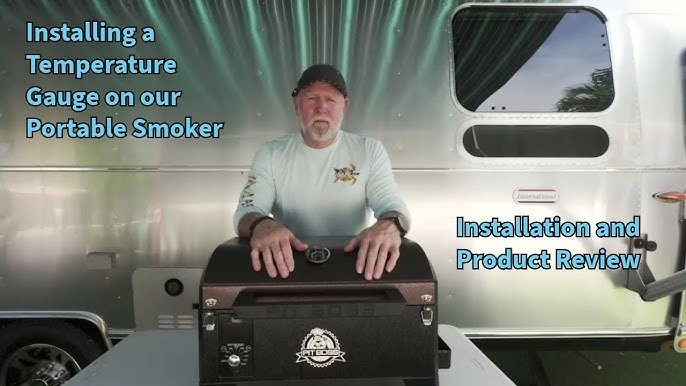
Most portable pellet grills come with a built-in thermometer on the lid. This gauge gives you a quick temperature readout without opening the grill. However, keep in mind that it measures the air temperature inside the grill, not the cooking surface directly.
If you notice uneven cooking, this might be why. Try checking the thermometer while the grill is fully heated and closed, so you get a more stable reading. Have you ever opened the lid too often and lost heat? Avoid that to get a better sense of the true temperature.
Calibrating The Temperature Gauge
Built-in thermometers can sometimes be inaccurate due to factory settings or wear over time. Calibration helps you adjust the gauge for more precise readings. To calibrate, use a known temperature source, like boiling water or an oven thermometer, and compare the readings.
If your grill’s thermometer shows 350°F but your external device reads 375°F, note the difference. You can then adjust your cooking times or temperature settings accordingly. Calibration ensures you’re not guessing and can trust your grill’s display.
Using An External Thermometer
An external thermometer is a reliable tool to double-check your grill’s temperature. You can use probe thermometers that clip onto the grill grate or digital thermometers with probes placed directly on the cooking surface. These devices give you a direct temperature reading where your food cooks.
Many grill enthusiasts keep a digital thermometer handy to monitor both the grill and the food temperature simultaneously. This approach minimizes guesswork and improves your cooking results. Have you ever tried this? It often changes the way you manage your grill temperature for the better.
Tips For Accurate Temperature Readings
Accurate temperature readings ensure your food cooks perfectly on a portable pellet grill. Small errors can cause undercooked or burnt meals. Follow these tips to get precise readings every time.
Placement Of Thermometer
Place the thermometer probe in the thickest part of the meat. Avoid touching bones or fat, as this gives false readings. Insert the probe deep enough to reach the center. Keep the grill lid closed during measurement to maintain heat. For ambient temperature, position the thermometer away from direct heat or flame.
Avoiding Common Mistakes
- Do not open the grill lid too often; heat escapes and affects accuracy.
- Calibrate your thermometer regularly to ensure it shows the correct temperature.
- Use a clean probe to avoid contamination and incorrect readings.
- Wait a few minutes after placing the thermometer for stable readings.
- Do not rely solely on built-in grill thermometers; cross-check with a digital probe.

Credit: www.amazon.ca
Maintaining Your Temperature Tools
Keeping your temperature tools in top shape is key to getting the best results from your portable pellet grill. If your thermometer is off, you could undercook or overcook your food without even realizing it. Regular maintenance helps you trust your readings and cook with confidence every time.
Cleaning Thermometers
Food residue and grease can build up on your thermometer, affecting its accuracy. After each use, wipe the probe with a damp cloth and mild soap to remove any stuck particles. Avoid soaking the entire device in water, especially if it’s digital, to prevent damage.
Have you noticed your thermometer giving inconsistent readings? Dirty sensors are often the culprit. Cleaning it regularly ensures you get precise temperature measurements, which is crucial for safely cooking meat.
Regular Calibration
Calibration keeps your thermometer accurate over time. You can check it by placing the probe in ice water—if it reads 32°F (0°C), it’s spot on. If not, consult your user manual for instructions on adjusting it.
Some grills and thermometers allow easy recalibration, while others might need professional help. Don’t wait until you suspect a problem; make calibration part of your routine. How often do you think your thermometer should be calibrated? Many experts recommend at least once a season or after any heavy use.

Credit: www.youtube.com
Frequently Asked Questions
How Do I Read Temperature On A Portable Pellet Grill?
To read temperature, check the built-in digital display or analog thermometer. These devices show the current cooking temperature inside the grill accurately.
Can I Use An External Thermometer With A Pellet Grill?
Yes, external thermometers or probe thermometers work well. Insert the probe into the meat or grill chamber for precise temperature readings.
Why Is My Portable Pellet Grill Temperature Inaccurate?
Inaccuracy often occurs due to dirty sensors, incorrect calibration, or poor placement. Clean sensors and recalibrate for reliable temperature readings.
How To Maintain Temperature Consistency On A Pellet Grill?
Ensure proper pellet feed, clean the grill regularly, and avoid frequent lid openings. This keeps the temperature steady throughout cooking.
Conclusion
Checking the temperature on a portable pellet grill is simple and important. Use the built-in thermometer or a separate grill thermometer for accuracy. Keep the grill lid closed to hold the heat steady. Watch the temperature often to cook food safely and well.
With these easy steps, you can enjoy tasty grilled meals every time. Practice makes the process easier and more natural. Stay patient and confident while grilling outdoors. Your food will thank you!

