

Is your smoker not lighting up like it used to? You might be facing an issue with the ignition system.
Knowing how to check your smoker’s ignition system can save you time, money, and frustration. In this guide, you’ll learn simple steps to identify and fix common problems quickly. Keep reading to make sure your smoker fires up every time, so you can get back to enjoying perfectly smoked meals without any hassle.
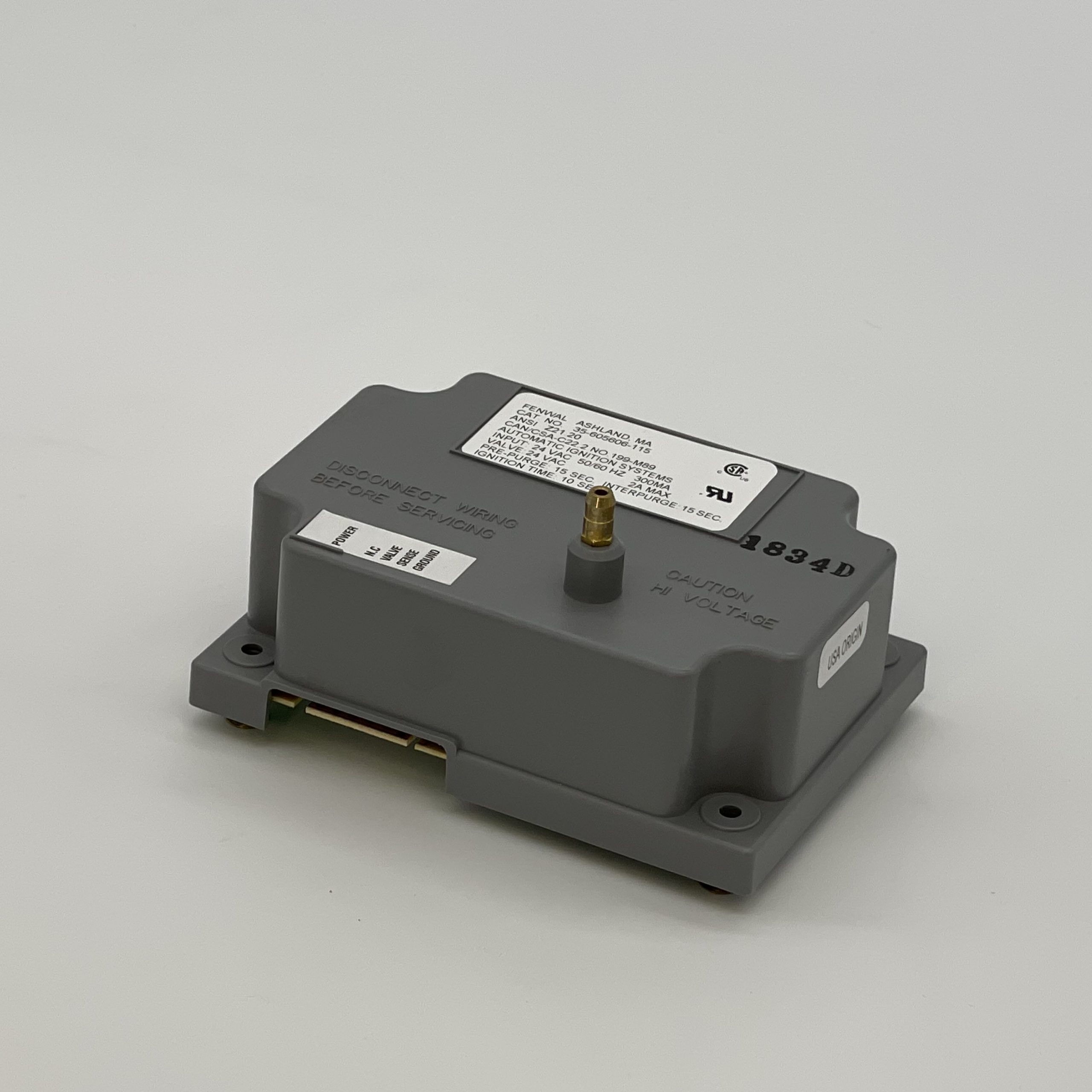
Credit: jrmanufacturing.com
Smoker Ignition Basics
The smoker ignition system is vital for starting your smoker safely and efficiently. It creates the spark or heat needed to light the fuel. Understanding the basics helps in checking and maintaining it properly.
Ignition systems vary by smoker model and fuel type. Knowing the common types and issues helps keep your smoker working well. Early detection of problems avoids frustration and delays during cooking.
Types Of Ignition Systems
- Piezo Ignition:Uses a small crystal to create a spark when pressed.
- Electronic Ignition:Powered by batteries or electricity to generate sparks automatically.
- Manual Ignition:Requires matches or a lighter to start the fuel.
- Hot Surface Ignition:Uses a heated element to ignite the fuel without sparks.
Common Ignition Issues
- Dead or weak batteries in electronic ignitions stop sparks.
- Dirty or clogged ignition ports block sparks or heat.
- Broken piezo buttons fail to generate sparks.
- Worn wires or loose connections disrupt power flow.
- Moisture or rust can damage ignition components.

Credit: device.report
Safety Precautions
Before you start checking your smoker’s ignition system, safety should be your top priority. Ignition systems involve both gas and electricity, which can be dangerous if mishandled. Taking the right precautions protects you from accidents and ensures your smoker stays in good condition.
Handling Gas And Electricity
Gas leaks can cause fires or explosions, so always make sure the gas supply is turned off before inspecting the ignition system. Open a window or work outside to avoid inhaling any gas fumes.
Electric parts can deliver shocks if touched carelessly. Disconnect the smoker from the power source before you begin any checks to avoid electrical hazards.
Do you know the smell of a gas leak? If you detect any unusual odors, stop immediately and ventilate the area. Never use a flame to test for leaks—use soapy water instead to spot bubbles around connections.
Protective Gear Recommendations
Wearing the right gear can save you from burns and electric shocks. Thick gloves protect your hands when handling hot parts or sharp edges inside the smoker.
Eye protection is just as important. Sparks or debris can easily injure your eyes during ignition system checks.
Consider wearing long sleeves and closed-toe shoes to protect your skin from accidental contact with hot surfaces or chemicals. Have a fire extinguisher nearby—just in case things don’t go as planned.
Tools Needed
Before you start checking your smoker’s ignition system, gathering the right tools is crucial. The right equipment makes the process smoother and helps you pinpoint issues accurately. Let’s look at what tools you absolutely need and what extras can make diagnostics easier.
Essential Testing Tools
To test your smoker’s ignition system effectively, a few basic tools are non-negotiable. A multimeteris key for measuring voltage, resistance, and continuity. It helps you determine if the ignition coil or wiring is functioning properly.
You’ll also want a screwdriver setto open panels and access the ignition components safely. And don’t forget a pair of insulated pliersfor handling wires without risking a shock.
- Multimeter (digital preferred for accuracy)
- Screwdrivers (flathead and Phillips)
- Insulated pliers or wire cutters
- Flashlight for visibility in tight spaces
Optional Diagnostic Devices
While the essentials cover most checks, some additional devices can help diagnose tricky problems or speed up troubleshooting. A spark testercan show if the ignition system is producing a spark without guesswork. It’s especially useful if you suspect the spark plug or ignition coil is faulty.
A circuit testeror test lightalso comes in handy to quickly verify power at different ignition points. These tools let you confirm if power is reaching the ignition module as it should.
- Spark tester
- Test light or circuit tester
- Battery voltage tester (if your smoker has a battery-powered ignition)
Have you ever been halfway through a repair only to realize you’re missing a vital tool? Taking a moment to gather these testing devices upfront will save you time and frustration. Which of these tools do you already have in your toolbox?
Step-by-step Ignition Check
Keeping your smoker’s ignition system in top shape is essential for every grilling enthusiast. A quick check can prevent frustrating start-up issues. Follow this step-by-step guide to ensure a hassle-free ignition process. This guide will help you inspect critical components efficiently.
Inspecting The Ignition Button
Begin by examining the ignition button on your smoker. Ensure it is clean and free from debris. Press the button to feel for resistance. It should click smoothly without sticking. If it feels loose, tighten it carefully. A well-functioning button is crucial for proper ignition.
Testing The Spark
Next, test the spark produced by the ignition system. Remove the cooking grates and heat deflectors if necessary. Press the ignition button and observe the spark at the burner. You should see a bright, consistent spark. If not, check the wires for damage. Replace any worn or frayed wires promptly.
Checking The Battery Or Power Source
If your smoker uses a battery, check its condition. Open the battery compartment and remove the battery. Inspect it for corrosion or leakage. Replace it if necessary. For electric smokers, ensure the power source is connected securely. Check for any visible damage to the power cord.
Troubleshooting Common Problems
Troubleshooting common problems in a smoker ignition system helps keep your grill ready to go. Identifying issues early saves time and avoids frustration. Understanding typical ignition faults can guide quick fixes.
No Spark Issues
No spark means the igniter does not create any spark to light the fuel. Check the battery if your smoker uses one. Replace old or dead batteries first. Inspect the igniter wire for breaks or loose connections. Clean any dirt or grease from the electrode tip. Moisture can also block spark formation; dry the area thoroughly.
Weak Spark Concerns
A weak spark may not ignite the gas properly. Start by testing the igniter’s battery voltage. Low voltage causes weak sparks. Check the electrode gap; it should be small and even. Clean corrosion or buildup from the igniter and electrode. Replace worn parts if the spark remains weak. Ensure no gas leaks reduce ignition efficiency.
Intermittent Ignition Failures
Intermittent failures cause the igniter to work sometimes and fail at other times. Loose or damaged wires often cause this problem. Secure all connections firmly. Inspect for cracked or frayed wires and replace if needed. Test the igniter switch for consistent operation. Moisture or dirt can disrupt ignition; keep the system clean and dry.
Maintenance Tips
Maintaining your smoker’s ignition system is key to ensuring reliable starts and consistent performance. Small issues can quickly turn into bigger problems if ignored. Paying attention to simple maintenance tips can save you time and frustration, especially during those crucial cooking sessions.
Cleaning Ignition Components
Keep your ignition components free from grease, ash, and debris. Dirt buildup can block the spark, making ignition difficult or impossible. Use a soft brush or compressed air to gently clean the electrode and surrounding area.
Check the electrode tip regularly; if it’s blackened or worn down, a light sanding with fine-grit sandpaper can restore its effectiveness. Avoid using harsh chemicals that might damage sensitive parts. Have you noticed how a clean ignition system lights up faster? That’s the difference proper cleaning makes.
Regular Inspection Schedule
Set a routine inspection schedule to catch problems early. Examine wires for cracks, frays, or loose connections every couple of weeks, especially before long cookouts. Faulty wiring is a common cause of ignition failures that’s easy to fix if spotted early.
Test the ignition system by triggering it manually to ensure a consistent spark. If the spark seems weak or inconsistent, it might be time to replace worn parts. How often do you check your smoker’s ignition? Making it a habit will help you avoid unexpected issues and keep your smoker ready for action.
When To Call A Professional
Knowing when to call a professional for your smoker’s ignition system is crucial. Some problems need expert attention to avoid damage or safety issues. Recognizing these moments saves time and prevents bigger troubles.
Signs Of Major Ignition Failures
- The smoker does not ignite after several attempts.
- Unusual sparks or electrical noises occur near the ignition.
- The ignition button or switch feels loose or broken.
- Repeated failure even after cleaning or replacing batteries.
- Visible damage to wires or ignition components.
Safety Risks To Consider
Faulty ignition can lead to gas leaks or fire hazards. Attempting complex repairs might cause electric shocks. Professionals have the right tools and knowledge to fix these safely. Ignoring risks can harm you, your family, or property.

Credit: device.report
Frequently Asked Questions
How Do I Test My Smoker Ignition System?
To test your smoker ignition system, first turn the knob to ignite. Listen for a clicking sound and look for a spark. If no spark appears, check the battery or wiring. Replace faulty parts to ensure proper ignition.
What Causes Smoker Ignition System Failure?
Ignition failures often result from dead batteries, worn electrodes, or loose wiring. Dirt and moisture can also prevent spark formation. Regular cleaning and maintenance help avoid these issues and keep your smoker ignition system working reliably.
Can I Fix Smoker Ignition Issues Myself?
Yes, minor ignition problems can be fixed at home. Check and replace batteries, clean electrodes, and tighten connections. For complex issues, consult a professional to avoid damage and ensure safety when repairing the smoker ignition system.
How Often Should I Inspect My Smoker Ignition System?
Inspect your smoker ignition system before each use and perform a thorough check every season. Regular inspection helps identify wear and tear early, ensuring consistent performance and preventing unexpected ignition failures during cooking.
Conclusion
Checking your smoker’s ignition system is simple and important. It helps keep your smoker working safely and well. Regular checks stop problems before they start. Watch for sparks, listen for clicks, and smell for gas leaks. Fix small issues early to avoid big repairs later.
This keeps your smoker ready for every cookout. Stay safe and enjoy great smoked food every time. A little care goes a long way.

