
Are you ready to fire up your propane grill but worried about safety? Checking your propane grill connections is one of the most important steps before you start cooking.
A small leak or loose connection can turn a fun cookout into a dangerous situation. You’ll learn simple and effective ways to inspect your grill’s connections, so you can grill with confidence and peace of mind. Keep reading to discover easy tips that will protect you and your loved ones every time you light up your grill.

Credit: barbecuesgalore.ca
Propane Grill Basics
Understanding the basics of your propane grill is essential before you start checking connections. This knowledge helps you identify potential issues quickly and ensures your grill operates safely and efficiently. Let’s break down the essential parts and where most connections happen.
Key Components
Your propane grill has several important parts working together to cook your food. The propane tank stores the fuel, which flows through a regulator to control pressure. Then, the hose carries the gas to the burner, where it ignites and produces heat.
- Propane Tank:Holds the propane fuel.
- Regulator:Controls the gas pressure coming out of the tank.
- Hose:Connects the regulator to the burner.
- Burner:Where the gas ignites to create flames.
- Control Valves:Allow you to adjust the flame size.
Knowing these parts helps you understand where leaks or blockages might happen. Have you ever felt a strange smell near your grill? That’s often a sign to check these components first.
Common Connection Points
Most propane grill issues stem from the connection points between components. These areas need to be tight and secure to prevent gas leaks.
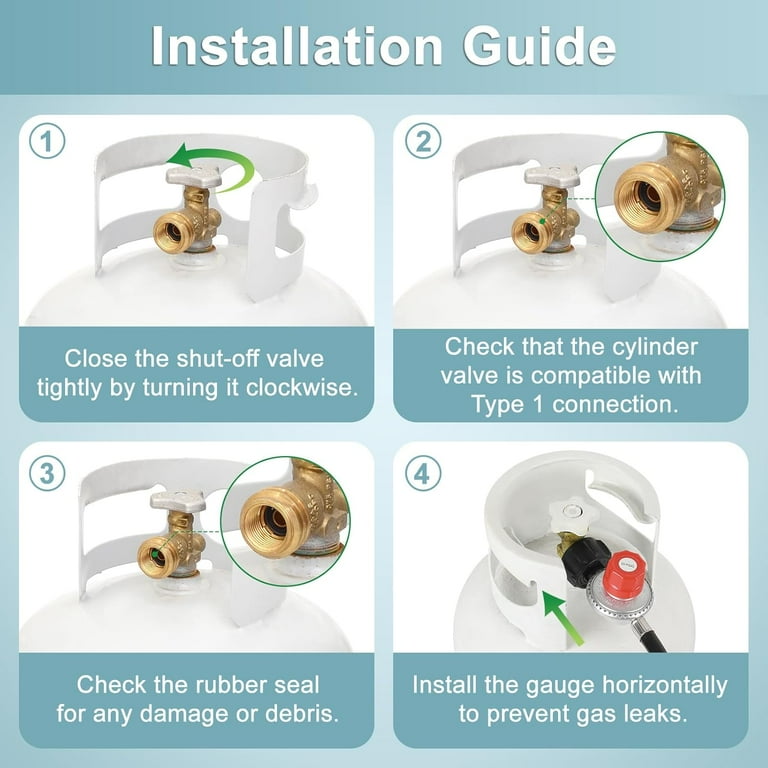
- Tank to Regulator Connection:This is where the propane tank screws into the regulator. Ensure the connection is firm and the seal is intact.
- Regulator to Hose:Check that the hose fits snugly onto the regulator without cracks or holes.
- Hose to Burner:Look for any signs of wear where the hose connects to the burner. Loose fittings here can cause gas to escape.
Have you ever noticed your grill not lighting properly? It might be a loose connection at one of these points. Taking a moment to inspect these areas can save you from a frustrating cookout and keep you safe.

Credit: www.bogleheads.org
Tools Needed For Inspection
Checking propane grill connections requires some simple tools. These tools help spot leaks and ensure safety. Preparing the right tools makes the inspection quick and easy.
Soapy Water Solution
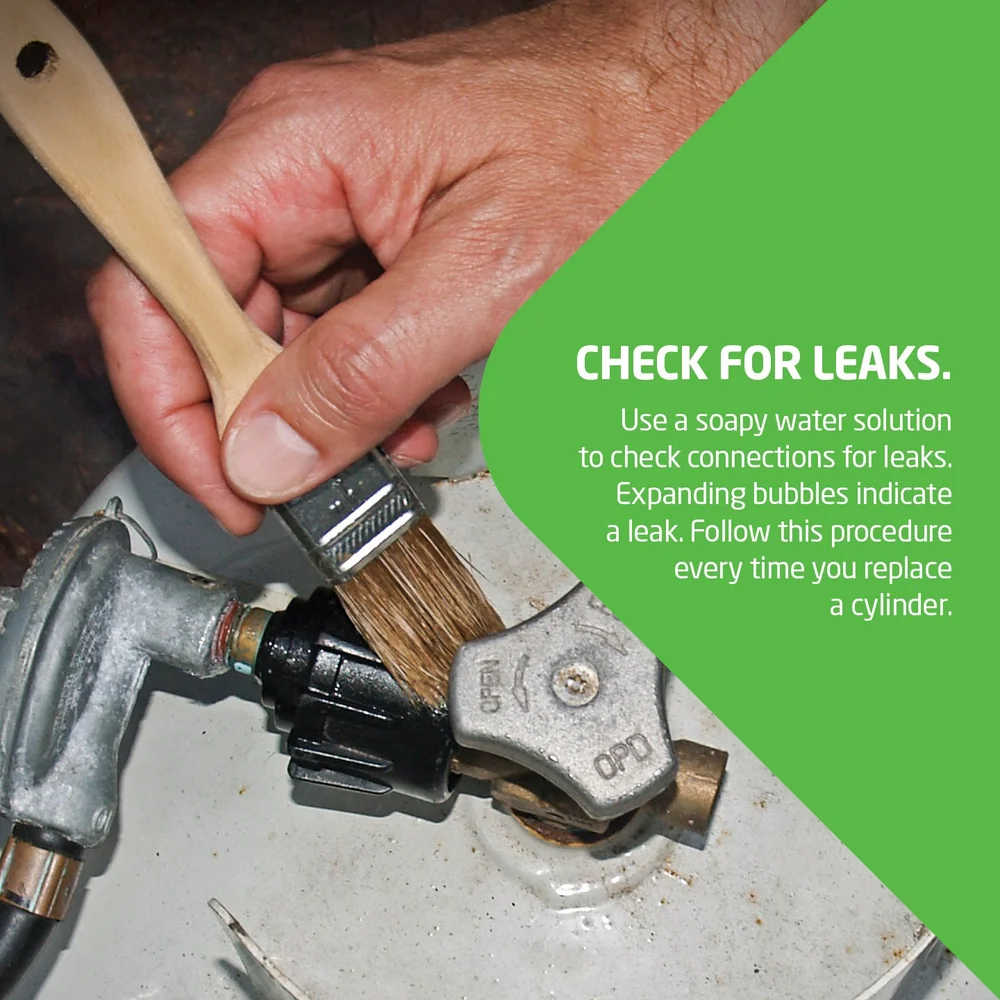
A soapy water solution helps find gas leaks fast. Mix water with a few drops of dish soap. Apply the solution to connections using a spray bottle or brush. Bubbles form at leak points, showing where gas escapes.
Wrenches And Screwdrivers
Wrenches and screwdrivers tighten or loosen grill connections. Use adjustable wrenches to fit different sizes of nuts. Screwdrivers help remove or adjust clamps and screws. Having both tools ready ensures a thorough check.
Flashlight
A flashlight helps see tight or dark areas. Shine light under the grill and around hoses. It reveals cracks, rust, or loose fittings. Good lighting improves inspection accuracy and safety.
Step-by-step Connection Check
Ensuring your propane grill connections are secure is essential for safe and efficient grilling. A simple step-by-step check can help you spot leaks or loose fittings before lighting up. Let’s walk through an easy process that you can do yourself in just a few minutes.
Turn Off The Gas
Start by turning off the propane tank valve completely. This stops the gas flow and reduces any risk while inspecting the connections.
Even if you think you’re careful, double-checking the valve is fully closed can save you from unexpected leaks.
Inspect Hoses And Fittings
Look closely at all hoses and fittings for cracks, wear, or damage. Pay attention to areas near connectors where bending or pressure might cause issues.
If you spot any signs of cracking or brittleness, it’s safer to replace the hose before proceeding.
Apply Soapy Water
Mix a bit of dish soap with water in a spray bottle or bowl. Generously apply this soapy solution to all hose connections and fittings.
This simple mixture helps reveal leaks when gas escapes, making them easier to find.
Look For Bubbles
Turn the propane tank valve back on slowly while watching the soapy areas. If bubbles form, you’ve found a leak.
Even tiny bubbles indicate escaping gas, which can be dangerous and needs fixing immediately.
Tighten Loose Connections
If you see bubbles, turn off the gas again and tighten the loose fittings with a wrench or by hand if appropriate. Then, reapply the soapy water and test once more.
Repeat this until no bubbles appear. If leaks persist, replace the faulty parts or call a professional for help.
Credit: www.walmart.com
Signs Of Damage To Watch For
Keeping a close eye on your propane grill connections can save you from unexpected mishaps during your next barbecue. Detecting signs of damage early on ensures your grilling experience is safe and enjoyable. So, what should you be looking for?
Cracks And Leaks
A simple soap and water solution can reveal hidden leaks. Apply it to connections and watch for bubbles, a telltale sign of escaping gas. Cracks, especially in hoses, can lead to dangerous leaks—inspect them regularly to avoid any surprises.
Corrosion
Corrosion is a slow destroyer, often creeping in unnoticed. Check metal parts for rust or discoloration. This can weaken connections and cause gas leaks. Regularly cleaning and covering your grill when not in use can help prevent this silent menace.
Wear And Tear
Over time, all equipment shows signs of wear. Look for frayed hoses, loose fittings, and degraded rubber seals. These are red flags indicating it’s time for some maintenance or replacements.
Regular checks can extend the life of your grill and ensure you’re not caught off guard during a cookout. Are you ready to give your propane grill a thorough inspection today?
Safety Tips During Inspection
Inspecting propane grill connections needs careful attention to safety. Propane is highly flammable, and leaks can cause serious accidents. Follow these safety tips to protect yourself and your home during inspection.
Work In A Ventilated Area
Always check your grill connections outdoors or in a well-ventilated space. Proper airflow helps disperse any gas that might leak. Avoid inspecting in closed rooms to reduce the risk of gas buildup.
Avoid Open Flames
Keep all flames and sparks far from the grill while inspecting connections. Do not smoke or use lighters near the propane tank or hoses. Even a small spark can ignite leaking gas.
Check Regularly
Inspect your propane connections before each use. Regular checks catch leaks early and prevent accidents. Look for cracks, loose fittings, or signs of wear to keep your grill safe.
When To Call A Professional
Knowing when to call a professional for your propane grill connections is crucial for safety and efficiency. Some issues might seem minor but can turn dangerous quickly. Understanding the signs that require expert help will save you time and prevent potential hazards.
Persistent Leaks
If you detect a propane smell or hear a hissing sound after trying to fix a leak yourself, it’s time to call a professional. Persistent leaks can indicate deeper problems that simple soap tests or tightening won’t solve. Don’t risk an explosion or fire by ignoring repeated issues.
Damaged Components
Cracked hoses, rusted connectors, or broken valves are red flags. Even if you have replacement parts, damaged components often require expert inspection to ensure the entire system remains safe. Professionals can identify hidden damage you might miss and recommend the right parts or repairs.
Uncertain Repairs
Are you unsure about your repair skills or the tools needed? Handling propane connections demands precision and knowledge. If you hesitate or feel uncomfortable at any step, calling a professional is the safest choice. Your grill’s safety depends on proper handling, so don’t take chances.
Frequently Asked Questions
How Do I Safely Check Propane Grill Connections?
To check propane grill connections safely, first turn off the gas supply. Apply a soapy water solution to connections. Look for bubbles, indicating leaks. Never use an open flame. Tighten or replace faulty parts if bubbles appear.
What Tools Are Needed To Inspect Propane Grill Connections?
You need soapy water, a spray bottle, and a wrench. Soapy water helps detect leaks by bubbling. A wrench tightens loose fittings. These simple tools ensure a thorough and safe inspection of propane grill connections.
How Often Should I Check My Propane Grill Connections?
Check propane grill connections before each use. Regular inspections prevent gas leaks and ensure safety. Frequent checks maintain grill performance and extend its lifespan.
Can I Use Soap And Water To Find Gas Leaks?
Yes, a soap and water solution is a safe leak detector. Apply it to connections and watch for bubbles. Bubbles indicate escaping gas. This method is simple, effective, and safe for propane grills.
Conclusion
Checking propane grill connections keeps you safe and your grill working well. Always look for leaks or loose parts before cooking. Tighten connections carefully and test with soapy water for bubbles. Regular checks prevent accidents and improve grill performance. Simple steps make grilling safer and more enjoyable.
Stay alert and handle propane with care. Your grill will thank you with better cooking every time.

