
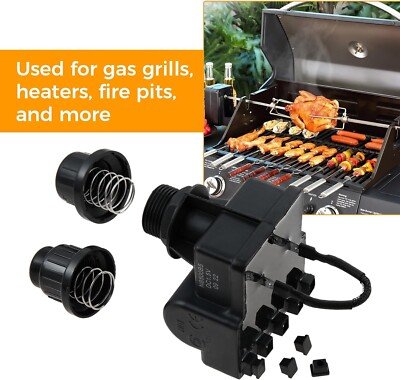
You’ve set up your portable grill, ready for a delicious cookout, but the ignition system just won’t spark. Frustrating, right?
Knowing how to check your portable grill’s ignition system can save you time, money, and a lot of hassle. In this guide, you’ll learn simple, step-by-step tips to quickly diagnose and fix common ignition problems. Keep reading, and you’ll be firing up your grill with confidence in no time.

Credit: www.amazon.ca
Types Of Portable Grill Ignition Systems
Knowing the types of portable grill ignition systems helps you understand how your grill starts and what to do if it doesn’t. Each ignition type has its own way of sparking the flame, and recognizing the differences can save you time and frustration. Let’s break down the common ignition systems you might find on your portable grill.
Piezo Ignition
Piezo ignition uses a small crystal to create a spark when you press a button or turn a knob. It doesn’t require batteries, making it a reliable choice for outdoor use.
One time, I had a camping trip where my piezo igniter worked perfectly even after a rainy night. It’s simple and tough but sometimes the spark can weaken if the mechanism gets dirty or worn out.
If your grill isn’t igniting, check if the piezo button is clicking and producing a spark near the burner.
Electronic Ignition
Electronic ignition uses a small electric current to create a spark, usually powered by a battery or the grill’s power source. It often provides a stronger and more consistent spark than piezo igniters.
This system is common on higher-end portable grills. If your grill has electronic ignition, you might hear a clicking sound when you try to light it.
Watch out for loose wires or dead batteries, as these are common reasons why electronic ignition might fail.
Battery-powered Ignition
Battery-powered ignition systems rely solely on batteries to generate sparks. This type is convenient because it provides a steady spark without manual effort.
One tricky part is that batteries can run out unexpectedly, especially if you don’t use the grill frequently. Always keep spare batteries handy to avoid surprises when grilling.
Check the battery compartment for corrosion or loose connections if your grill won’t ignite.
Tools Needed For Checking Ignition
Checking the ignition system of your portable grill requires a few essential tools. These tools help you inspect, test, and clean the ignition safely and effectively. Having the right items ready makes the process easier and faster. Below are the tools you need to prepare before starting.
Basic Safety Gear
Safety is the first priority. Wear heat-resistant gloves to protect your hands. Use safety glasses to shield your eyes from sparks or debris. A fire extinguisher nearby is a smart precaution. Always work in a well-ventilated area to avoid inhaling fumes.
Multimeter
A multimeter is key for testing electrical parts of the ignition system. It measures voltage, current, and resistance. This tool helps identify if the ignition switch or spark module is working. Choose a digital multimeter for clear, accurate readings. Make sure it has fresh batteries before use.
Screwdrivers And Cleaning Tools
Screwdrivers are needed to open the ignition housing and access internal parts. Carry both flathead and Phillips screwdrivers. Cleaning tools like a wire brush or small brush help remove dirt and corrosion. Use compressed air to blow out dust from tight spaces. Keeping the ignition clean improves performance and reliability.
Step-by-step Ignition Inspection
Checking the ignition system of a portable grill is crucial for safe and easy grilling. This process helps find problems early and keeps the grill working well. Follow each step carefully to inspect the ignition system properly. Simple tools and a bit of attention can save you time and effort.
Safety Precautions Before Inspection
Always start by turning off the grill and disconnecting the fuel source. Make sure the grill is cool to avoid burns. Work in a well-ventilated area to prevent gas build-up. Wear gloves and eye protection for extra safety. Never inspect the ignition system near open flames or sparks.
Visual Inspection Of Ignition Components
Look closely at the ignition button, wires, and spark electrode. Check for cracks, corrosion, or loose parts. Clean dirt and grease from all ignition parts using a soft cloth. Make sure no wires are frayed or broken. Any damaged parts should be replaced before testing.
Testing Spark Generation
Press the ignition button and watch for a spark near the electrode tip. No spark means there might be an issue with the ignition module or wiring. Use a small screwdriver to gently tap the electrode to ensure it is not stuck. Clean the electrode with a fine sandpaper if sparks are weak or inconsistent.
Checking Battery And Wiring Connections
Locate the battery powering the ignition system. Remove and test it with a multimeter or replace it with a new one. Inspect all wiring connections for tightness and signs of wear. Secure loose wires with electrical tape or connectors. Proper battery power and wiring ensure strong spark generation.

Credit: device.report
Common Ignition Problems
Common ignition problems include weak sparks, clogged burners, or faulty igniters. Check the ignition system by inspecting connections and cleaning any dirt or debris. Testing the spark can help identify if the igniter needs replacement.
Checking your portable grill’s ignition system regularly can ensure you enjoy a seamless grilling experience every time. However, sometimes things don’t go as planned, and common ignition problems can disrupt your outdoor cooking. Understanding these issues will help you troubleshoot them effectively, making your grilling adventures more enjoyable.No Spark Issues
One of the most frustrating problems is when your grill doesn’t produce any spark. This could be due to a faulty ignition button or a dead battery. Before you panic, check if the battery is correctly installed and has enough charge. If you hear a clicking sound but see no spark, inspect the wire connections. Loose or damaged wires can prevent the spark from reaching the burner. Tighten or replace them as needed.Weak Or Intermittent Spark
A weak or intermittent spark can be equally annoying, making it difficult to light the grill. Ensure the battery is fresh and properly connected. A weak spark could also mean the igniter is dirty or misaligned. Align the igniter correctly with the burner. Sometimes, cleaning the igniter tip with a dry cloth can solve the problem.Corroded Or Dirty Parts
Corrosion or dirt on ignition components is a common culprit for ignition issues. Moisture can lead to rust, while grease buildup can insulate parts, preventing a good spark. Regularly clean the ignition system components to keep them free from dirt and moisture. Using a wire brush or sandpaper can help remove corrosion effectively. Have you ever been caught off guard by a non-functioning grill just when the party was getting started? It’s always wise to keep a backup lighter handy, but addressing these common problems ensures that your grill is ready to fire up at a moment’s notice.Fixes And Maintenance Tips
Fixing and maintaining your portable grill’s ignition system keeps it ready for every cookout. Simple care can prevent ignition failures and extend the grill’s life. Small efforts now avoid big problems later.
Follow these tips to clean, replace parts, and set a maintenance routine for your grill’s ignition system.
Cleaning The Ignition System
Remove dirt and grease from the ignition area to ensure a spark. Use a soft brush or cloth to clean around the igniter button and electrode. Avoid water directly on electrical parts to prevent damage.
Clear any debris inside the ignition module. This prevents blockages that stop the spark from firing.
Replacing Batteries And Components
Check the battery powering the ignition system regularly. Replace it if the spark weakens or stops. Use the exact battery type recommended by the grill’s manufacturer.
Inspect wires and connections for wear or corrosion. Replace broken wires or worn parts to restore proper function. Keep spare batteries and ignition parts handy for quick fixes.
Regular Maintenance Schedule
- Clean the ignition system after every few uses.
- Test the ignition before each grilling session.
- Replace batteries at least once a grilling season.
- Inspect wires and electrodes every few months.
- Store the grill in a dry place to avoid moisture damage.
Consistent care keeps your portable grill’s ignition reliable and safe.
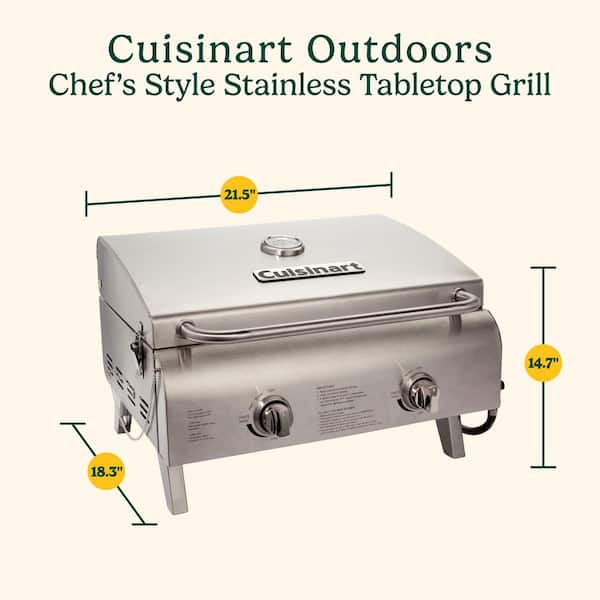
Credit: www.homedepot.com
When To Seek Professional Help
Knowing when to call a professional for your portable grill’s ignition system can save you time, money, and frustration. While some issues are easy to fix on your own, others require expert attention to avoid further damage or safety risks. Understanding the signs that indicate it’s time to seek help will keep your grill working safely and efficiently.
Complex Electrical Issues
If your grill’s ignition system involves intricate wiring or electronic components, and you notice sparks, burning smells, or visible wire damage, it’s best to stop and call a professional. Electrical problems can be tricky and dangerous if handled incorrectly.
Trying to fix complex circuits without the right tools and knowledge can lead to bigger problems or even injury. A qualified technician has the skills to diagnose hidden faults and replace faulty parts safely.
Persistent Ignition Failures
Have you tried cleaning the igniter and checking the battery, but your grill still won’t light? Persistent ignition failure might mean internal parts are worn out or damaged.
When basic troubleshooting doesn’t work, professional inspection can pinpoint the root cause quickly. They can also recommend whether repair or replacement is the smarter choice, saving you from repeated frustration.
Frequently Asked Questions
How Do I Test A Portable Grill Ignition System?
To test, press the ignition button and listen for a clicking sound. If no click occurs, check the battery or spark module. Ensure the electrode is clean and properly positioned. A spark should appear near the burner when ignited.
What Causes Portable Grill Ignition Failure?
Common causes include dead batteries, dirty electrodes, loose wiring, or faulty ignition modules. Moisture and rust can also disrupt the spark. Regular maintenance and cleaning help prevent ignition failure.
How Often Should I Inspect My Grill Ignition System?
Inspect your grill ignition system before every grilling season or after long storage. Regular checks ensure all components work correctly and prevent unexpected failures during use.
Can I Fix A Portable Grill Ignition Myself?
Yes, minor issues like replacing batteries or cleaning electrodes are DIY tasks. For complex problems, consult the manufacturer or a professional technician to avoid damage or safety risks.
Conclusion
Checking your portable grill’s ignition system is simple and important. Regularly test the igniter to ensure it sparks well. Clean any dirt or grease that may block it. Replace batteries if your grill uses them. Keep all parts dry and free from rust.
Doing these steps helps you grill safely and easily. Enjoy your meals without ignition troubles. Small checks save big problems later. Stay safe and happy grilling!

