
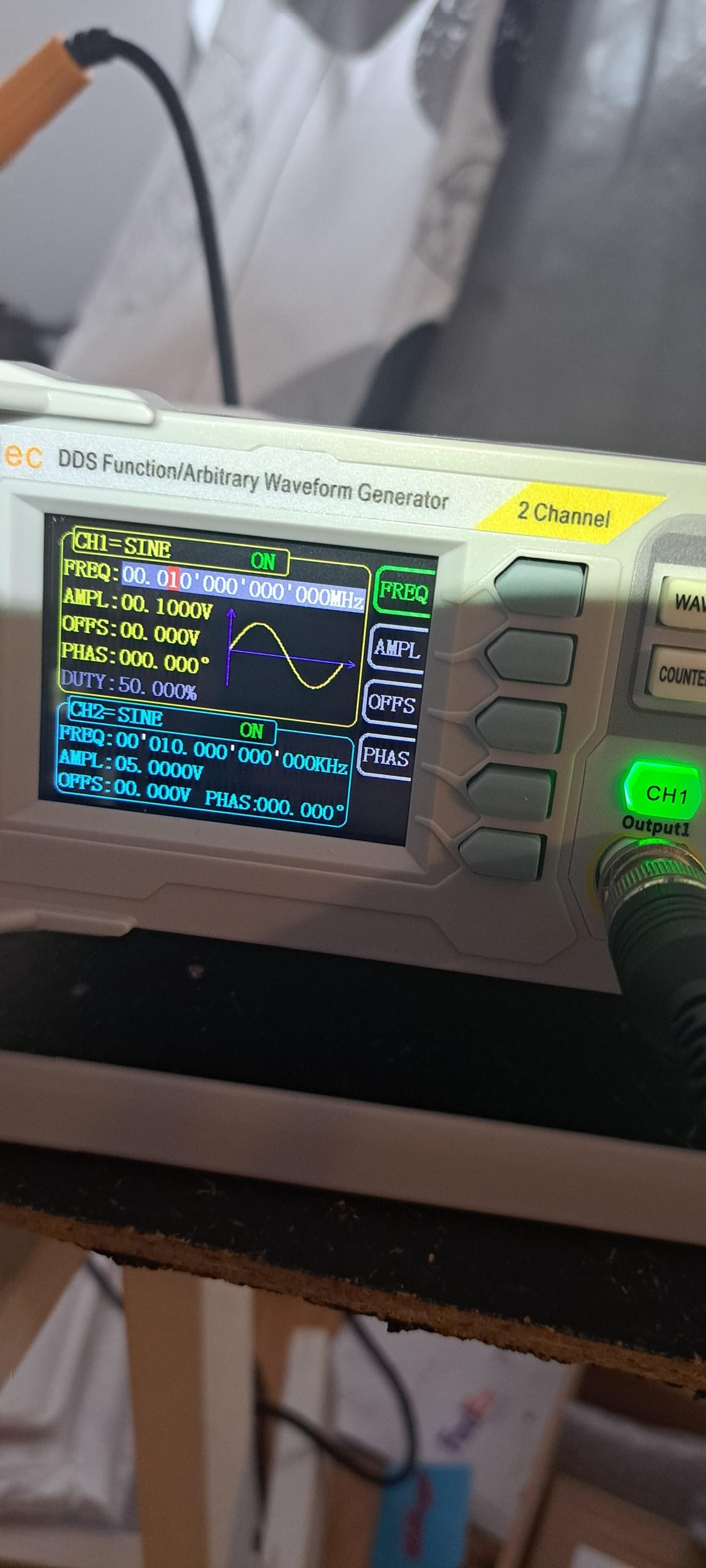
Are you sure your generator is running at the right frequency? If the frequency is off, it can cause serious problems for your equipment and disrupt your power supply.
Knowing how to check generator frequency is a simple skill that can save you from costly repairs and unexpected downtime. You’ll learn clear and easy steps to measure your generator’s frequency accurately. Keep reading to make sure your generator runs smoothly and safely every time you need it.

Credit: www.youtube.com
Basics Of Generator Frequency
Generator frequencyis the number of times the electric current changes direction per second. It is measured in hertz (Hz). Most generators run at either 50 Hz or 60 Hz, depending on the country.
The frequency shows how fast the generator’s rotor spins. A stable frequency means the generator is working well. If the frequency is too high or low, it can cause damage to electrical devices.
Why frequency matters:
- Devices need a stable frequency to work properly.
- Too low or high frequency can cause devices to break.
- Frequency affects the power quality and efficiency.
- Maintaining correct frequency helps avoid power outages.
Tools Needed For Frequency Measurement
Frequency metersare the most accurate tools for checking generator frequency. They directly measure the frequency in Hertz (Hz). These meters connect to the generator output and give a clear digital reading. Easy to use and reliable, frequency meters work well for both professionals and beginners.
A multimeter with frequency functioncan also measure frequency. It is a versatile tool that measures voltage, current, and frequency. Just set the multimeter to the frequency mode and connect it to the generator. This tool is useful for quick checks but may not be as precise as a dedicated frequency meter.
- Smartphone appscan measure frequency using the phone’s microphone or input jack.
- These apps are handy and portable but less accurate than physical meters.
- Other devices like oscilloscopes can also measure frequency but need more skill to use.
Preparing The Generator For Testing
Ensure the generator is off and properly cooled before starting any tests. Connect the frequency meter securely to the output terminals. Double-check all connections to avoid errors during the frequency check.
Safety Precautions
Always wear protective gear like gloves and goggles. Keep the area clear of clutter. Do not operate the generator in a closed space. Ensure all connections are secure and in good condition. Check for any leaks or damages. Keep a fire extinguisher nearby. Make sure to follow the manufacturer’s instructions.Setting Up The Generator
Place the generator on a stable surface. Ensure it’s away from water and flammable items. Connect the frequency meter to the generator. Plug in the essential devices for testing. Turn on the generator following the manual. Let it run for a few minutes. Observe the frequency readings closely. Adjust as needed. `Step-by-step Frequency Checking
Start by connecting a frequency meter or multimeter to the generator’s output terminals. Ensure the device is set to measure frequency (Hz). Use insulated probes for safety. Double-check all connections are secure to avoid false readings or damage.
Turn on the generator and observe the device’s display. The frequency value should appear within a few seconds. Keep the generator running steadily to get a stable reading. Note the frequency shown, usually in hertz (Hz).
The normal frequency for many generators is around 50 Hzor 60 Hz. Values much higher or lower may indicate a problem. Small fluctuations are normal but large changes need attention. Use the reading to confirm the generator works correctly or to troubleshoot issues.
Troubleshooting Frequency Issues
Frequency problemsoften cause generator issues. These include fluctuating frequency, frequency too high or low, and unstable output. Such issues can harm connected devices or reduce generator life.
Check for loose connectionsor damaged parts. Faulty governoror control boardmay also cause frequency issues.
Adjusting settings can fix many frequency problems. Use the control panelto set the correct frequency. The most common frequencies are 50 Hzor 60 Hz. Follow the generator’s manual for proper adjustment steps.
- Ensure the generator runs at a stable speed.
- Adjust the governorto control engine speed.
- Use a frequency meterto verify output.
- Make small changes and monitor the results.
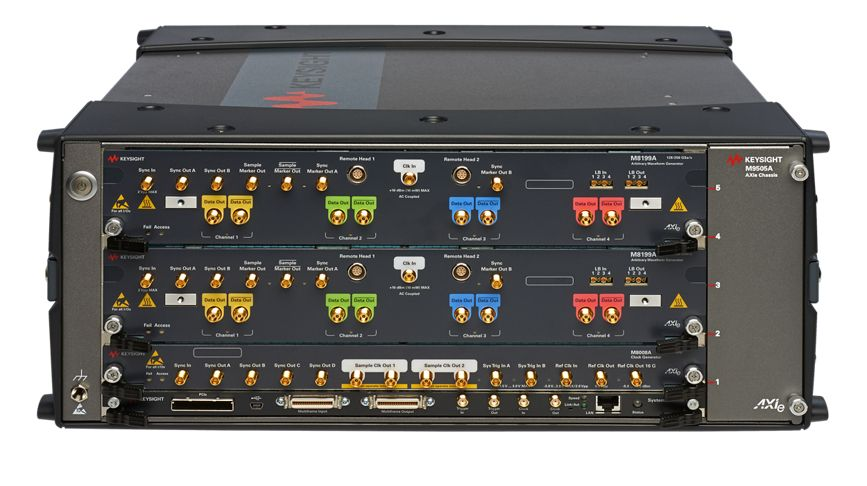
Credit: www.keysight.com
Maintaining Optimal Frequency
Maintaining the correct frequencyis important for a generator’s good work. Regularly checking the frequency helps find issues early. Use a frequency meterto measure how many cycles per second the generator makes. The normal frequency is usually 50 Hzor 60 Hz, depending on your country.
Keep the frequency steady by doing simple checks often. Look for signs like fluctuationsor unusual noises. These may mean the generator needs fixing. Record your readings to track changes over time. This helps spot problems fast.
| Preventive Maintenance Tips |
|---|
| Check and clean the generator regularly to avoid dust build-up. |
| Inspect fuel and oil levels to keep the engine running smoothly. |
| Test the frequency meter before use to ensure accurate readings. |
| Tighten loose wires and connections to prevent power loss. |
| Schedule routine service checks with a professional technician. |
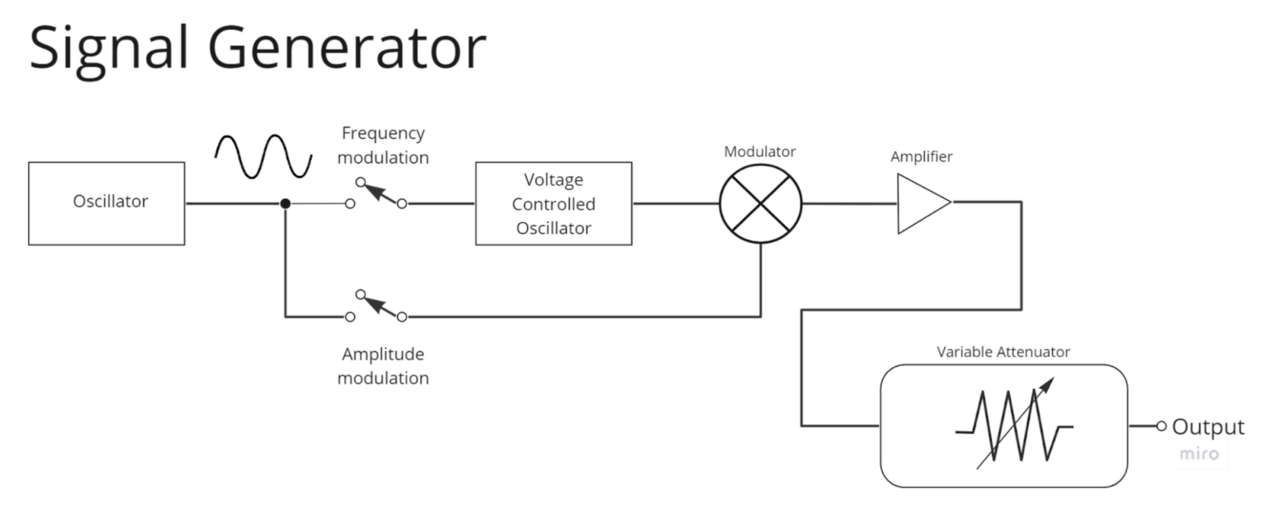
Credit: www.keysight.com
Frequently Asked Questions
How Do I Measure Generator Frequency Accurately?
Use a digital frequency meter or a multimeter with frequency function. Connect the device to the generator output terminals. Read the displayed frequency value to check if it matches your generator’s rated frequency.
What Tools Are Needed To Check Generator Frequency?
You need a digital frequency meter, multimeter with frequency mode, or an oscilloscope. These tools provide precise frequency readings from the generator’s electrical output.
Why Is Checking Generator Frequency Important?
Generator frequency affects electrical device performance and safety. Incorrect frequency can damage equipment or cause malfunction. Regular checks ensure stable and reliable power supply.
How Often Should Generator Frequency Be Checked?
Check the frequency during initial setup, after maintenance, and regularly during operation. Frequent monitoring helps detect issues early and maintain generator efficiency.
Conclusion
Checking your generator’s frequency helps keep it running smoothly. Use a reliable meter for accurate readings. Regular checks prevent damage and save repair costs. Knowing the frequency ensures your devices work well. Keep your generator safe by testing it often.
Simple steps make a big difference in performance. Stay alert to any changes or issues. This practice protects your equipment and power supply. Easy to do, important to remember.

