
Are you ready to fire up your gas grill but unsure if your connections are safe? Checking your gas grill connections might seem simple, but it’s one of the most important steps to protect yourself and your home.
A small leak or loose connection can lead to dangerous accidents. You’ll learn exactly how to inspect every part of your grill’s gas setup quickly and easily. By the time you’re done, you’ll feel confident that your grill is safe and ready for the perfect cookout.
Keep reading to discover the simple tricks that could save you from costly repairs or worse.

Credit: grillpartsreplacement.com
Gas Grill Connection Basics
Understanding gas grill connection basics is key for safe grilling. These connections link your grill to the gas supply. Proper setup prevents leaks and ensures smooth operation. Knowing the parts and types helps in quick checks and easy fixes.
Types Of Gas Connections
Gas grills usually have two main connection types. The first is a direct gas line connection. This setup uses a fixed pipeline from your home’s gas system. It offers steady fuel flow and is common in built-in grills.
The second type is a propane tank connection. This is the most popular and portable option. It uses a hose and regulator to connect the tank to the grill. This setup is easy to attach and detach for transport.
Common Connection Components
Several parts make up gas grill connections. The regulator controls gas pressure from the tank or line. It keeps the pressure steady to avoid damage.
The hose links the regulator to the grill’s burner system. It must be flexible and durable to handle gas flow safely.
Fittings and connectors join hoses and pipes. They come in various shapes and sizes to fit different grills and gas sources. Tight, secure fittings prevent gas leaks.
Valves allow you to turn the gas on or off easily. They are crucial for safety and control during grilling.

Credit: www.bogleheads.org
Tools Needed For Inspection
Checking gas grill connections requires the right tools. These tools help ensure safety and accuracy during inspection. Having proper equipment makes the process easier and safer. This section covers the essential safety gear and recommended tools needed for a thorough inspection.
Essential Safety Gear
- Protective gloves to prevent burns and cuts
- Safety glasses to shield eyes from debris or gas
- Long-sleeve clothing to protect skin from sparks or heat
- Fire extinguisher nearby for emergencies
Recommended Inspection Tools
- Soap solution or leak detection spray to find gas leaks
- Adjustable wrench for tightening connections
- Flashlight to check hard-to-see areas
- Gas pressure gauge to test fuel flow
- Brush or cloth for cleaning connections
Preparing For The Check
Ensure your gas grill connections are secure and safe. Inspect hoses for cracks or leaks. Apply soapy water to connections and watch for bubbles indicating a leak. Regular checks prevent hazards and ensure efficient grilling.
Preparing your gas grill for a connection check is crucial. It ensures safety and efficiency. Before diving into the inspection, take a few preparatory steps. These will make the process seamless and secure.Turn Off Gas Supply
First, ensure the gas supply is off. This is vital for safety. Locate the gas valve connected to your grill. Turn it clockwise until fully closed. This prevents any gas leaks during the check. Confirm by listening for any hissing sounds, which indicate leaks. No sound means the valve is securely shut. Safety first!Clear Grill Area
Next, clear the grill area. Remove any obstacles around the grill. This provides easy access to all connections. Check for any loose items nearby. They can interfere with your inspection. Ensure the workspace is clean and free of clutter. A tidy area reduces the risk of accidents.Inspecting The Hose And Fittings
Inspecting the hose and fittings of your gas grill is a crucial safety step before firing it up. These components handle the flow of gas, so even minor damage or loose connections can lead to dangerous leaks. Taking a few moments to carefully check them can save you from unexpected hazards and keep your grilling experience smooth.
Look For Cracks And Wear
Examine the entire length of the hose with a close eye. Look for any cracks, splits, or signs of wear, especially near the ends where it connects to the grill and the gas tank.
Flex the hose gently to reveal hidden damage. If you notice any brittleness or small holes, it’s time to replace the hose immediately.
Remember, even a tiny crack can let gas escape, which poses a serious risk. Have you ever thought about how many grilling accidents might start from a worn-out hose?
Check For Loose Connections
Next, focus on the fittings where the hose connects to the grill and the propane tank. These should be tight and secure without any wobbling.
Use your hand to gently wiggle each connection. If you find any looseness, tighten the fittings by hand or with an appropriate tool—never over-tighten as it can cause damage.
Loose connections often cause gas leaks that you might not notice right away. Do you know how to spot a gas leak using soapy water? It’s a simple test that could prevent a dangerous situation.
Performing A Leak Test
Performing a leak test is a key safety step before using your gas grill. It helps find gas leaks that can cause fires or explosions. This test is simple and only needs a few items. You can easily do it yourself at home. This process will ensure your grill connections are safe and secure.
Mixing Soap Solution
Start by mixing a soap solution using water and liquid dish soap. Use about one cup of water with one tablespoon of soap. Stir the mixture until it creates bubbles. This soapy water will help detect gas leaks by showing bubbles at leak points.
Applying Solution To Joints
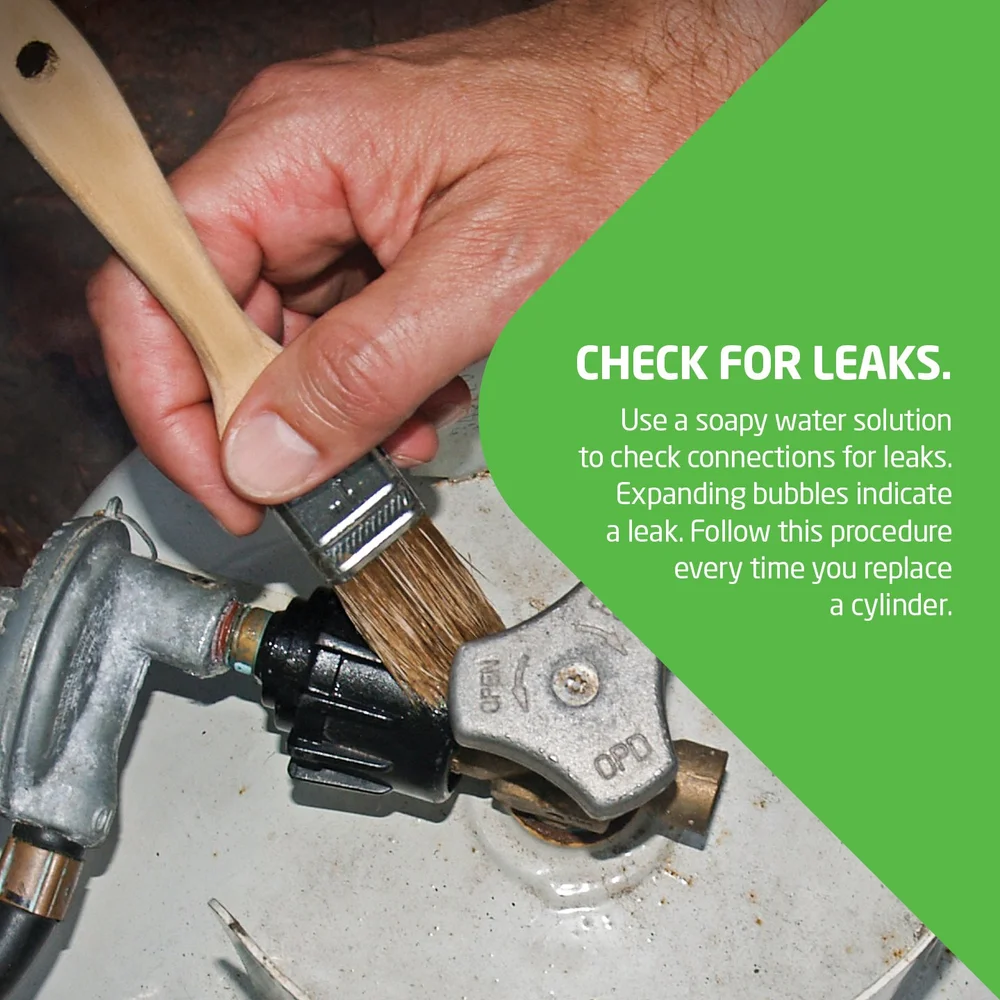
Use a brush or spray bottle to apply the soap solution to all gas connections. Cover areas like hose joints, regulator connections, and valves. Make sure to coat every joint evenly. Do not turn on the grill burners yet. Let the solution sit for a minute to see any reaction.
Identifying Bubbles And Leaks
Watch closely for bubbles forming at the joints. Bubbles mean gas is escaping through a leak. Even small bubbles show a problem. If bubbles appear, turn off the gas immediately. Tighten the connections or replace faulty parts before using the grill. Repeat the test until no bubbles form.

Credit: barbecuesgalore.ca
Fixing Common Issues
Fixing common issues with your gas grill connections can save you time and keep your grill safe to use. Many problems are simple to spot and even easier to fix if you know what to look for. Regular checks and quick fixes can prevent bigger problems down the line.
Tightening Loose Fittings
Loose fittings can cause gas leaks, which are dangerous and reduce grill performance. Start by turning off the gas supply before you check any connections. Use a wrench to gently tighten any fittings that feel loose, but avoid overtightening, as this can damage the threads.
After tightening, apply a soap and water solution to the connections. If you see bubbles forming, it means gas is still leaking. Tighten a little more and test again until no bubbles appear. Have you ever skipped this step and noticed a strange smell near your grill? That’s a warning sign you shouldn’t ignore.
Replacing Damaged Hoses
Cracks, holes, or brittleness in the hose can cause leaks and pose safety risks. Inspect the hose carefully every time you prepare to grill. If you find any damage, replace the hose immediately instead of trying to patch it.
When buying a new hose, make sure it matches your grill’s model and gas type. Installation is usually straightforward—disconnect the old hose, attach the new one, and secure it tightly. Remember, a damaged hose is not worth risking your safety over.
When To Call A Professional
Some issues require more than just tightening or hose replacement. If you smell gas but cannot find any leaks after your checks, or if connections seem damaged beyond repair, it’s time to get expert help. Professionals have tools and knowledge to safely diagnose and fix complex problems.
Don’t wait until a small issue becomes a hazard. Asking for help might save your grill and your peace of mind. Have you ever tried fixing a gas leak yourself only to realize you needed a professional? It’s a common experience that teaches the value of expert advice.
Maintaining Safe Grill Connections
Maintaining safe grill connections is essential for a secure and efficient grilling experience. Gas leaks or loose fittings can cause dangerous accidents. Regular care of your grill’s gas connections keeps your outdoor cooking safe and smooth. It also helps your grill last longer and perform better.
Regular Inspection Schedule
Check all gas connections before each use. Look for cracks, rust, or signs of wear on hoses and fittings. Use a soap and water solution to detect leaks—bubbles form if gas escapes. Tighten any loose connections with a wrench, but avoid over-tightening.
Set a weekly or monthly reminder to inspect your grill thoroughly. Replace any damaged parts immediately. Regular checks prevent unexpected problems during cooking.
Proper Storage Tips
Store your grill and gas tank in a dry, shaded area. Avoid direct sunlight and rain, which can damage hoses and connectors. Disconnect the gas tank when the grill is not in use for long periods.
Keep hoses away from sharp objects and heat sources. Cover the grill with a weather-resistant cover to protect it from dust and moisture. Proper storage preserves the integrity of gas connections and reduces the risk of leaks.
Enhancing Grill Efficiency
Enhancing grill efficiency ensures better cooking results and fuel savings. A well-maintained gas grill uses fuel evenly and heats quickly. Checking connections plays a key role in this process. Safe and proper gas flow prevents flame issues and uneven heat. Regular care keeps the grill working at its best for every barbecue.
Ensuring Proper Gas Flow
Proper gas flow starts with inspecting all connections. Look for loose fittings or cracks in hoses. Tighten connections by hand, then use a wrench for a snug fit. Avoid over-tightening, which can cause damage. Use a soap and water mix to check for leaks. Bubbles forming around joints mean gas is escaping.
Replace damaged hoses immediately. Clear any blockages in the gas line. Make sure the regulator is working correctly. A steady gas supply helps maintain a constant flame. This boosts cooking performance and reduces fuel waste.
Cleaning Tips For Better Performance
Clean burners and gas ports regularly to improve efficiency. Remove dirt and grease build-up that blocks gas flow. Use a soft brush or pipe cleaner to clear burner holes. Check the drip pan and remove excess grease to prevent flare-ups.
Wipe down the grill surface after each use. This stops residue from building up over time. Clean the gas grill’s exterior to avoid rust and corrosion. A clean grill not only looks better but also works smoother.
Frequently Asked Questions
How Do I Check Gas Grill Connections Safely?
Turn off the gas supply first. Use a soap and water solution to check for bubbles around connections. Bubbles indicate leaks. Tighten fittings if needed. Always test outdoors in a well-ventilated area to avoid hazards.
What Tools Do I Need To Check Gas Grill Connections?
You need a soap and water spray bottle, a wrench, and a flashlight. These tools help detect leaks and tighten fittings. Having a gas leak detector can also improve safety during inspection.
How Often Should I Inspect Gas Grill Connections?
Inspect your gas grill connections before each use. Regular checks prevent leaks and ensure safe operation. Perform a thorough inspection at least once a month during grilling season.
What Are Signs Of Faulty Gas Grill Connections?
Look for a strong gas smell, hissing sounds, or difficulty lighting the grill. Visible damage or corrosion on hoses and fittings also indicates issues. These signs mean you should check connections immediately.
Conclusion
Checking your gas grill connections keeps you safe and ready to cook. Always inspect hoses and fittings before each use. Look for cracks, leaks, or loose parts. Use soapy water to spot bubbles and leaks. Tighten connections carefully but don’t force them.
Regular checks prevent accidents and improve grill performance. Remember, safety first means more enjoyable grilling. Simple steps save time and avoid hazards. Keep your grill working well all season long. Stay safe, grill smart, and enjoy every meal outdoors.

