
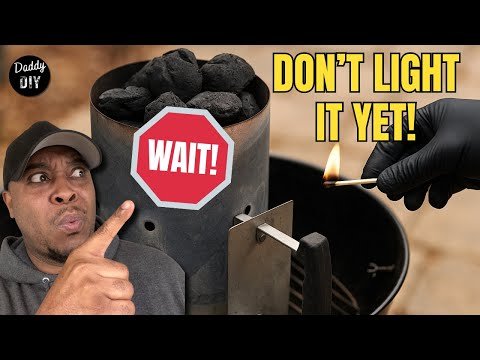
Are you tired of guessing when your charcoal is ready or running out of fuel mid-cook? Knowing how to check charcoal levels during cooking can save your meal and keep your grilling smooth.
Imagine perfectly timed heat, no surprises, and juicy food every time. You’ll discover simple, practical tips to monitor your charcoal easily. Keep reading to master the secret to better grilling and never lose control over your fire again.
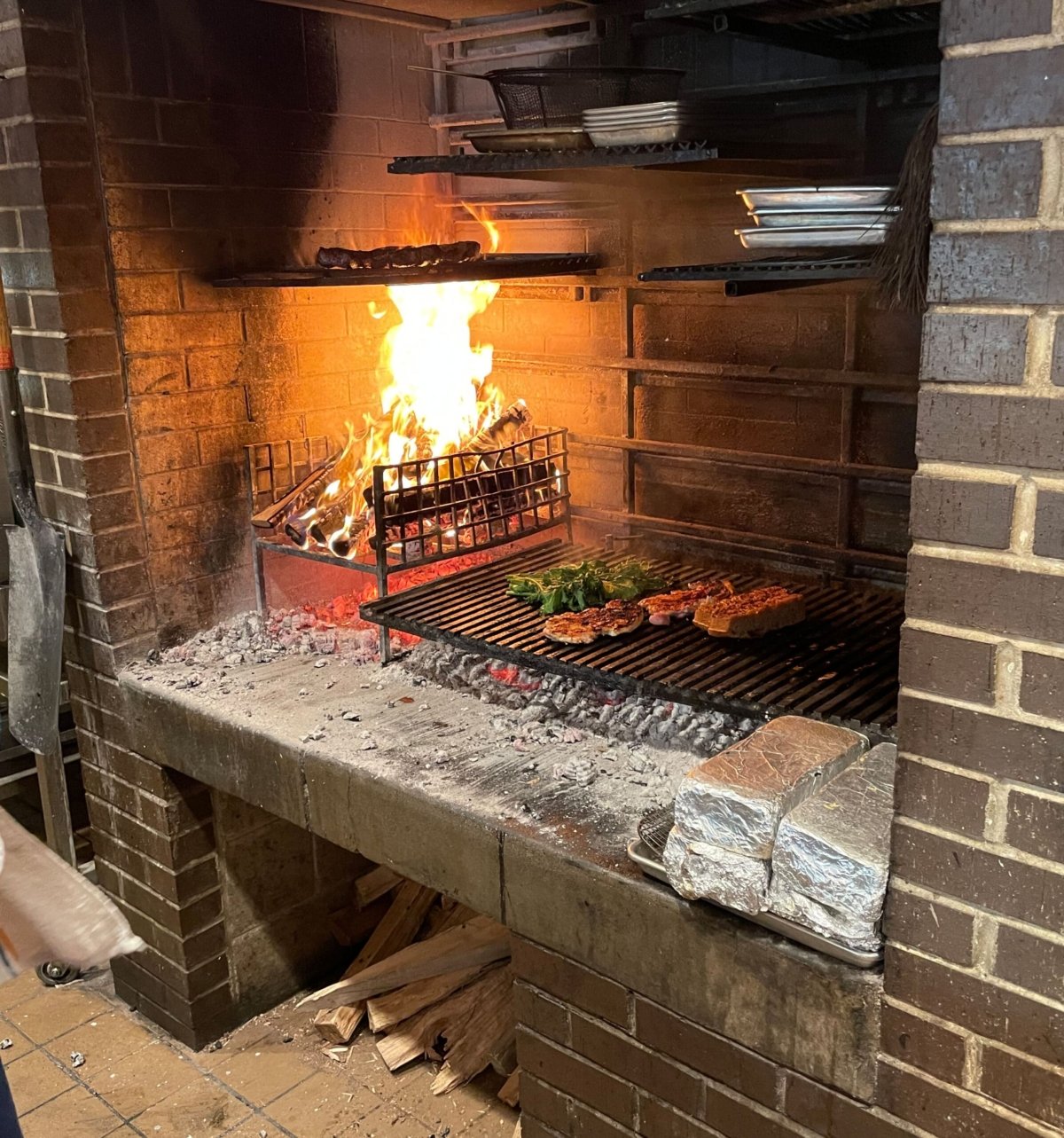
Credit: amazingribs.com
Charcoal Basics
Understanding charcoal basics is key to checking charcoal levels during cooking. Charcoal fuels your grill and controls heat. Knowing its types and burning process helps you cook better. It also keeps your food tasty and evenly cooked.
Types Of Charcoal
Charcoal comes in different forms. Each type burns differently and suits various cooking styles.
- Charcoal Briquettes:Made from compressed wood byproducts. They burn steadily and last longer.
- Lump Charcoal:Made by burning wood without oxygen. Burns hotter and faster but with less smoke.
- Instant-Light Charcoal:Briquettes with chemicals to ignite quickly. Convenient but may affect taste.
How Charcoal Burns
Charcoal burns in three stages. First, it heats up and releases gases. Next, it glows red and produces heat. Finally, it turns into ash and cools down.
Heat comes from glowing embers, not open flames. Proper air flow controls burning speed. More oxygen makes charcoal burn faster and hotter. Less oxygen slows down the burn, keeping heat steady.
Tools For Checking Charcoal
Keeping an eye on your charcoal levels is key to cooking food evenly and avoiding those frustrating moments when the fire dies out unexpectedly. Luckily, you don’t have to rely solely on guesswork. Several tools can help you monitor your charcoal effectively, giving you better control over your cooking process.
Thermometers And Probes
Thermometers and probes are handy gadgets that provide real-time temperature readings inside your grill or smoker. They let you know exactly how hot your charcoal is burning, which is more useful than just guessing based on the color of the coals.
For example, a digital probe thermometer can be inserted through the grill vents or placed near the charcoal bed. This helps you maintain a consistent temperature, so you can adjust the airflow or add more charcoal before the heat drops too low.
Some smart thermometers even connect to your phone, sending alerts if the temperature falls outside your target range. Have you ever lost track of your grill’s heat and ended up with undercooked food? A thermometer can prevent that from happening again.
Visual Inspection Techniques
Sometimes, your eyes are the best tools. Visual cues can tell you a lot about your charcoal’s condition without any special equipment. Bright red or orange embers indicate high heat, while gray ash means the coals are cooling down.
Look for a steady glow and a thin layer of white ash forming over the coals. That’s the sweet spot where your charcoal is ready for cooking. If the coals look black and shiny, they probably need more time to heat up.
Don’t be afraid to get close and observe the smoke and heat patterns. Have you noticed how a sudden flare-up or a drop in smoke can signal that your charcoal needs adjustment? Paying attention to these small signs keeps your cooking on track without interrupting the flow.
Signs Of Charcoal Readiness
Knowing the signs of charcoal readiness is key to perfect cooking. Charcoal that is ready creates the right heat and flavor. It also prevents food from burning or sticking. Watching the charcoal closely helps you cook safely and effectively. This section explains how to spot when charcoal is ready for cooking.
Color And Ash Indicators
Charcoal changes color as it heats up. At first, it glows red or orange. This means it is still lighting and too hot in some spots. Wait until the charcoal turns gray or white. This shows it is covered in ash and ready to use. The ash layer also helps keep the heat steady.
- Charcoal starts black and glows red.
- Look for a gray or white ash coating.
- Charcoal fully covered in ash is ready for cooking.
- Ash helps keep heat even and steady.
Heat Levels To Watch
Heat is a clear sign of charcoal readiness. You can feel the heat by holding your hand near the grill. Use this simple guide:
| Hand Distance | Heat Level | Use |
|---|---|---|
| 4 inches | Very Hot | Quick searing, high heat cooking |
| 6 inches | Medium Heat | General grilling, steady cooking |
| 8 inches | Low Heat | Slow cooking, warming |
Charcoal is ready when you feel medium to high heat at 6 inches above the coals. This heat level cooks food evenly without burning. Adjust your cooking time based on the heat intensity you feel.

Credit: www.amazon.com
Adjusting Charcoal During Cooking
Checking charcoal levels during cooking helps keep the fire steady and food cooking evenly. Gently move the grill grate to peek at the coals without losing heat. Add more charcoal if the fire looks low or uneven to maintain consistent cooking temperature.
Adjusting charcoal levels during cooking is crucial for consistent heat. Whether grilling juicy steaks or slow-cooking ribs, maintaining the right temperature makes a difference. Charcoal management ensures your food cooks evenly and tastes great.Adding More Charcoal
Sometimes, the heat fades as you cook. Adding more charcoal keeps the fire steady. First, use a chimney starter to ignite new briquettes. It prepares them faster without lighter fluid. Once they’re glowing, carefully add them to the grill. Use tongs to place them evenly around existing coals. This method maintains the desired heat level throughout your cooking session.Managing Airflow
Airflow controls the grill’s temperature. Adjusting the vents is key. Open the vents wide for more oxygen and higher heat. Close them to lower the temperature. Check the grill’s built-in thermometer often. A consistent temperature ensures your food cooks properly. Remember, too much smoke can overpower flavors. Balance air and smoke for the best results.Safety Tips While Handling Charcoal
Handling charcoal safely is crucial to avoid accidents and injuries while cooking. Charcoal can reach extreme temperatures and produce harmful gases, so you must stay alert and cautious. The right safety practices protect you, your family, and your outdoor space from burns, fires, or toxic exposure.
Avoiding Burns
Charcoal stays hot long after the flames die down. Always use heat-resistant gloves or tools when adjusting the coals. Never touch charcoal directly with your bare hands—even if it looks cool.
Keep a safe distance from the grill to avoid sparks or hot ash flying toward you. If you need to check charcoal levels, use a long-handled tool and move slowly to prevent sudden flare-ups. Have a fire extinguisher or water nearby in case things get out of control.
Proper Disposal
Disposing of charcoal incorrectly can cause unexpected fires. Never dump hot ashes into a trash bin or near dry grass. Let the charcoal cool completely—this can take up to 48 hours in some cases.
Once cold, place ashes in a metal container with a lid. Avoid using plastic bags or cardboard boxes. If you use your grill frequently, create a dedicated ash disposal system away from your home and combustible materials.
Have you ever thought about how many backyard fires start from improper ash disposal? Taking a few extra minutes to dispose of charcoal safely can prevent dangerous accidents and save your property.
Common Mistakes To Avoid
Checking charcoal levels during cooking is essential to maintain consistent heat and achieve perfect results. Yet, many make common mistakes that disrupt the cooking process and waste fuel. Recognizing these errors helps you manage your charcoal better and enjoy a smoother grilling experience.
Ignoring Visual And Heat Cues
Many people rely solely on time to judge charcoal readiness, but charcoal can burn faster or slower depending on conditions. Watch for glowing red embers and a thin layer of white ash as signs your charcoal is at the right temperature. Touching the grill grate or using a heat meter can give you immediate feedback on the heat level.
Adding Too Much Charcoal At Once
It’s tempting to pile on a lot of charcoal to keep the fire going longer, but this can cause uneven heat and flare-ups. Adding smaller amounts more frequently helps maintain steady temperature. Have you ever noticed how sudden flames can char your food? Avoid this by adding charcoal gradually.
Failing To Use Proper Tools
Trying to check or move charcoal with bare hands or kitchen tools can be dangerous and inefficient. Use long-handled tongs or a charcoal rake designed for grills to safely adjust charcoal placement. This also helps you spread heat evenly and avoid cold spots.
Not Accounting For Weather Conditions
Wind, humidity, and temperature all affect how your charcoal burns. On windy days, charcoal can burn out faster; on humid days, it may take longer to ignite. Adjust your charcoal amount and timing based on the weather instead of sticking rigidly to a plan.
Overlooking Charcoal Quality
Low-quality charcoal produces less heat and more ash, making it harder to judge levels accurately. Invest in good-quality lump charcoal or briquettes to get consistent burning times. This makes checking and maintaining charcoal levels simpler and more predictable.
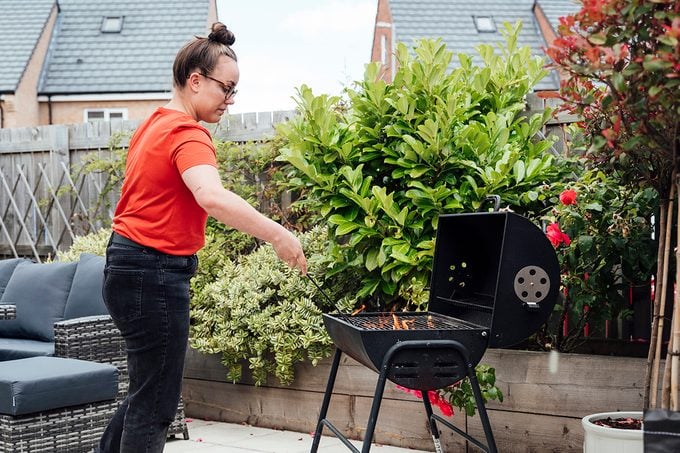
Credit: www.tasteofhome.com
Frequently Asked Questions
How Do I Know When Charcoal Is Ready For Cooking?
Charcoal is ready when covered with gray ash and glowing red underneath. This usually takes 15-20 minutes after lighting. Avoid cooking on black or unlit charcoal as it produces uneven heat and smoke.
What Tools Help Check Charcoal Levels During Grilling?
Use a charcoal chimney starter to monitor how much charcoal is burning. A metal tong can help move coals to check heat. Infrared thermometers also measure surface temperature accurately without disturbing the coals.
Can I Cook With Low Charcoal Levels Safely?
Low charcoal levels reduce heat and cooking time. You can cook safely but avoid long grilling sessions. Add more charcoal gradually to maintain consistent temperature and prevent food from undercooking.
How Often Should I Check Charcoal During Cooking?
Check charcoal every 10-15 minutes to maintain steady heat. Frequent checks help add coals timely and avoid flare-ups. This ensures even cooking and preserves the charcoal’s lifespan.
Conclusion
Checking charcoal levels during cooking keeps your food just right. Watch the coals closely to keep steady heat. Add more charcoal when the fire starts to die. Avoid lifting the grill lid too often. This saves heat and cooks food evenly.
Simple steps help you grill safely and enjoy tasty meals. Practice often, and charcoal cooking becomes easy and fun. Keep these tips in mind for your next barbecue.

