
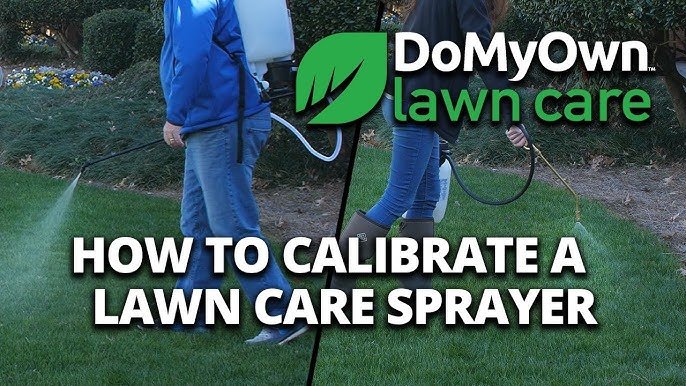
Are you tired of guessing how much liquid your hose end sprayer is really applying? If your plants aren’t getting the right amount of fertilizer or pesticide, it can be frustrating and costly.
Knowing how to calibrate your hose end sprayer ensures you deliver the perfect dose every time. In this guide, you’ll learn simple, step-by-step methods to make sure your sprayer works exactly as it should. Keep reading, and you’ll save money, protect your plants, and get better results with every spray.

Credit: www.youtube.com
Preparing Your Sprayer
Calibrating a hose end sprayer ensures you apply liquids correctly. Preparing your sprayer well helps achieve good results.
This guide covers how to get your sprayer ready before calibration.
Choosing The Right Hose End Sprayer
Select a sprayer that fits your garden size and the type of liquid you want to spray. Different sprayers work better for different tasks.
Look for sprayers with easy adjustment settings to control the mix and spray rate.
- Choose sprayers that connect easily to your hose
- Pick models with clear measurement markings
- Use sprayers suitable for your liquid type
Gathering Necessary Tools
Collect all tools before you start calibrating the sprayer. This saves time and helps avoid mistakes.
You will need items to measure water and check the spray output accurately.
- Measuring cup or container with volume marks
- Stopwatch or timer to track spray time
- Clean water to test the sprayer
- Towels or cloths for cleaning spills
Inspecting The Sprayer For Damage
Check your sprayer carefully before using it. Look for cracks, leaks, or worn parts that affect performance.
Fix small issues or replace damaged parts to ensure accurate spraying.
- Check the hose connection for tight fit
- Inspect the nozzle for clogs or damage
- Look at the container for cracks or leaks
- Test the trigger or valve to see if it works smoothly
Setting Up For Calibration
Calibrating your hose end sprayer ensures accurate spray application. Proper setup is key to getting the right results.
This guide covers the first steps to prepare your sprayer before calibration.
Attaching The Sprayer To The Hose
Attach the sprayer firmly to the garden hose to avoid leaks. Make sure the connection is tight and secure.
Check the washer inside the sprayer connector. Replace it if it looks worn or cracked.
Selecting The Appropriate Spray Nozzle
Choose a spray nozzle that matches your spraying needs. Different nozzles control flow rate and spray pattern.
- Fine mist nozzles cover a large area but use less liquid.
- Jet nozzles deliver a strong, focused stream for spot treatments.
- Fan nozzles create a wide, even spray for general coverage.
Filling The Sprayer With Water
Fill the sprayer tank with clean water for calibration. This avoids wasting chemicals during testing.
| Fill Level | Purpose |
| Half Full | Easy handling and accurate flow check |
| Full | Test maximum spray time and pressure |
Measuring Spray Output
Calibrating a hose end sprayer helps you apply the right amount of liquid. Measuring spray output is key for accuracy.
This process ensures you do not waste product or harm plants by using too much or too little.
Marking A Test Area
Choose a flat, open area to test your sprayer. Use a measuring tape to mark a square or rectangular space.
Mark the corners with small flags or stakes. This helps you spray evenly and measure output accurately.
- Pick an area about 100 square feet
- Use flags or markers at each corner
- Measure sides carefully with a tape
Timing The Spray Duration
Turn on the sprayer and spray the marked area. Use a stopwatch or timer to record how long you spray.
Keep the spray steady and consistent. Timing helps you know how much liquid sprays per minute or second.
- Start the timer when you begin spraying
- Spray the whole test area evenly
- Stop the timer as soon as you finish
Collecting And Measuring Water Volume
Fill a container with water before spraying. Spray into the container for the same time you timed on the test area.
Measure the water collected in the container. This shows how much liquid the sprayer outputs in the timed period.
- Use a container with clear volume markings
- Spray into it for the timed duration
- Read the water volume after spraying

Credit: www.youtube.com
Adjusting The Sprayer Settings
Adjusting the settings on your hose end sprayer helps you get the best results. Proper settings ensure even spraying and correct chemical use.
Focus on changing the flow rate, spray pattern, and chemical concentration. Each setting affects how well the sprayer works.
Modifying Flow Rate
The flow rate controls how much liquid comes out of the sprayer. Adjusting it helps you cover the area properly without wasting chemicals.
To modify the flow rate, turn the flow control knob or dial on the sprayer. Increase it for larger areas and reduce it for smaller spots.
- Turn clockwise to decrease flow
- Turn counterclockwise to increase flow
- Test spray on a small area to check flow
Changing Spray Pattern
The spray pattern affects how the liquid spreads. You can change it to suit different plants or surfaces.
Adjust the nozzle or tip on the sprayer to switch patterns. Options usually include a fine mist, wide fan, or narrow stream.
- Use a fine mist for delicate plants
- Choose a wide fan for large areas
- Select a narrow stream for spot treatment
Calibrating For Chemical Concentration
Correct chemical concentration ensures effective treatment and plant safety. Calibrate the sprayer to deliver the right mix.
Check the sprayer’s instructions for the right ratio of chemical to water. Adjust the dial or setting to match this concentration.
- Measure the chemical amount carefully
- Set the sprayer according to the label
- Test spray and adjust if needed
Performing A Test Spray
Calibrating your hose end sprayer ensures the right amount of liquid is applied. A test spray helps you see if the sprayer works correctly.
Perform the test spray in a safe area to check coverage and spray distance. This helps avoid wasting product or damaging plants.
Checking For Even Coverage
Look closely at the area you sprayed. The coverage should be smooth and even without gaps.
If you see spots with no spray or too much spray, your sprayer needs adjustment.
- Spray on a flat surface or test paper
- Check for dry spots or heavy pools
- Adjust nozzle if spray is uneven
Evaluating Spray Distance
Measure how far the spray reaches from the nozzle. It should cover the intended area without wasting spray.
Spray distance depends on water pressure and nozzle type. Make sure the spray goes far enough but not too far.
- Spray at normal pressure
- Measure distance from nozzle to edge of spray
- Compare distance to your target area size
Recalibrating If Needed
If coverage or distance is off, adjust the sprayer settings. This may include changing the nozzle or pressure.
Repeat the test spray after changes. Keep adjusting until you get even coverage and the right spray distance.
- Turn the nozzle to change spray pattern
- Check hose connections for leaks
- Test spray again after each change
Maintaining Your Sprayer
Proper maintenance of your hose end sprayer ensures its longevity and efficiency. Regular upkeep is essential for optimal performance.
These steps will guide you in keeping your sprayer in top shape after use and during storage.
Cleaning After Use
Always clean your sprayer after each use to prevent clogging. Rinsing it thoroughly removes any leftover chemicals.
Use clean water to flush out the sprayer. This simple step will keep the nozzle free from blockages.
- Detach the hose and empty the tank.
- Fill with water and spray until empty.
- Check for and remove any residue.
Storing Properly
Proper storage of your sprayer prevents damage and extends its life. Store it in a dry place away from direct sunlight.
Ensure all parts are dry before storing to prevent rust. This keeps your sprayer in good condition.
- Disassemble the sprayer if possible.
- Keep it in a cool, dry area.
- Avoid exposure to extreme temperatures.
Regular Calibration Checks
Check calibration regularly to ensure accurate application. This helps in achieving the desired spray pattern and coverage.
Calibration checks help maintain the sprayer’s efficiency. It ensures you are using the correct amount of solution.
- Test the sprayer with water first.
- Adjust settings for even distribution.
- Record settings for future reference.
Credit: www.tti.com.au
Frequently Asked Questions
How Do I Calibrate A Hose End Sprayer Correctly?
To calibrate, fill the sprayer with water and spray a measured area. Collect the output and measure the liquid volume. Adjust the dial or nozzle until the desired application rate matches the label instructions for accurate spraying.
Why Is Hose End Sprayer Calibration Important?
Calibration ensures you apply the correct chemical amount. It prevents overuse or underuse, protecting plants and the environment. Proper calibration maximizes product efficiency and saves money by avoiding waste.
How Often Should I Calibrate My Hose End Sprayer?
Calibrate before each use or when changing products. Regular calibration ensures precise application rates and consistent results. It also helps detect any sprayer malfunctions early.
Can I Calibrate A Hose End Sprayer Without Special Tools?
Yes, you only need a measuring container and a stopwatch or timer. These simple tools help measure output volume and time to calculate the spray rate accurately.
Conclusion
Calibrating a hose end sprayer ensures you apply the right amount of liquid. It saves you money and protects plants from harm. Regular checks keep your sprayer working well each time. Take your time and follow each step carefully. A well-calibrated sprayer makes gardening easier and more effective.
Practice a few times to build confidence. Soon, you will spray with accuracy and care. Simple actions lead to better results in your garden.

