
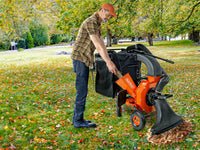
Are you tired of spending hours raking leaves only to have them scatter everywhere again? What if you could clear your yard quickly and with less effort?
Using a leaf vacuum to blow leaves is a game-changer for your outdoor cleanup. In this guide, you’ll discover simple, effective steps to make your leaf-blowing tasks faster and more satisfying. Keep reading, and you’ll learn how to turn a messy yard into a neat space in no time.

Credit: www.vevor.com
Choosing The Right Leaf Vacuum
Selecting a leaf vacuum helps keep your yard clean and tidy. The right tool makes collecting leaves easier and faster.
Consider your yard size and the type of leaves you have. This guide will help you pick the best leaf vacuum for your needs.
Types Of Leaf Vacuums
Leaf vacuums come in different styles. Each type suits different yard sizes and tasks.
- Handheld Vacuums:Lightweight and good for small areas.
- Walk-Behind Vacuums:Larger and better for big yards.
- Backpack Vacuums:Portable and easy to carry around.
- Electric Vacuums:Quiet and eco-friendly but need power outlets.
- Gas-Powered Vacuums:Powerful and mobile but heavier and noisy.
Features To Consider
| Feature | Why It Matters |
| Vacuum Power | Higher power means better leaf pickup. |
| Bag Capacity | Larger bags hold more leaves, fewer stops. |
| Weight | Lighter vacuums are easier to use for long times. |
| Noise Level | Quieter models are better for neighbors and comfort. |
| Mulching Ability | Reduces leaf volume, making disposal easier. |
| Ease of Use | Look for adjustable handles and easy controls. |
Budget And Brand Options
Leaf vacuums come in many price ranges. Choose one that fits your budget without losing key features.
- Set a clear budget before shopping.
- Research brands known for durability.
- Read user reviews for real-world feedback.
- Consider warranty and customer support.
- Balance price with the vacuum’s power and size.
Preparing For Leaf Blowing
Before using a leaf vacuum, it is important to get ready. Proper preparation makes leaf blowing easier and safer.
Start by clearing the area, wearing safety gear, and checking the weather. These steps help prevent problems.
Clearing The Area
Remove objects that can block or damage the leaf vacuum. Look for stones, sticks, and toys.
- Pick up toys and garden tools
- Remove large sticks and branches
- Clear stones and debris from the ground
- Keep pets and children away
Safety Gear Essentials
Wear the right safety gear to protect yourself from dust and flying debris. Safety lowers the chance of injury.
| Gear | Purpose |
| Safety goggles | Protect eyes from dust and leaves |
| Ear protection | Reduce noise from the leaf vacuum |
| Gloves | Shield hands from cuts and dirt |
| Long pants and sleeves | Guard skin from scratches and insects |
Checking Weather Conditions
Check the weather before starting leaf blowing. Wet leaves and strong winds can cause problems.
- Do not blow leaves when it rains
- Avoid windy days to keep leaves from scattering
- Choose a dry and calm day for best results
Setting Up The Leaf Vacuum
Preparing your leaf vacuum correctly is important for safe and effective use. This guide covers how to set up the device before starting your yard work.
Follow simple steps to assemble, adjust, and fuel your leaf vacuum. Proper setup helps it perform well and last longer.
Assembling The Device
Begin by unpacking all parts and checking the manual. Make sure each piece is clean and undamaged. Attach the collection bag to the vacuum’s frame securely.
- Connect the vacuum tube to the main body
- Secure the handle for comfortable grip
- Attach the collection bag firmly to prevent leaks
- Check all fasteners and tighten if needed
Adjusting Settings
Leaf vacuums usually have adjustable suction and speed settings. Set these according to the type of leaves and debris you want to collect.
| Setting | Use |
| Low Suction | Dry, light leaves |
| Medium Suction | Mixed leaves and small twigs |
| High Suction | Wet leaves and heavy debris |
| Speed Control | Adjust for comfort and efficiency |
Fueling And Powering On
Check the fuel type needed for your leaf vacuum. Use fresh fuel and mix oil if required. Always fill the tank outside and away from flames.
- Fill the fuel tank carefully
- Secure the fuel cap tightly
- Hold the vacuum on a flat surface
- Switch the power to “on”
- Pull the starter cord smoothly until the engine runs
Techniques For Effective Leaf Blowing
Using a leaf vacuum helps clean up leaves quickly. Knowing the right techniques makes the work easier.
Good leaf blowing saves time and keeps your yard neat. Follow simple tips for the best results.
Proper Handling And Posture
Hold the leaf vacuum firmly with both hands. Keep your back straight to avoid strain.
Stand with your feet shoulder-width apart. This gives better balance while working.
- Grip the handle firmly but not too tight
- Keep elbows close to your body
- Bend your knees slightly, not your back
- Take breaks to stretch if needed
Blowing Patterns
Start blowing leaves from the edges of your yard. Move leaves toward one central pile for easier cleanup.
Use slow, steady motions. This helps control where the leaves go and avoids scattering them again.
- Blow leaves in straight lines or gentle arcs
- Overlap each pass slightly to avoid missed spots
- Work with the wind direction if possible
- Clear small piles before making larger piles
Avoiding Common Mistakes
Do not hold the vacuum too close to the ground. This can damage the machine or pick up dirt.
Do not rush. Fast blowing can scatter leaves and make more work.
- Avoid blowing leaves into flower beds or driveways
- Do not ignore safety gear like goggles and ear protection
- Keep the vacuum clean to prevent clogs
- Do not forget to check the vacuum bag often
Maintaining Your Leaf Vacuum
Keeping your leaf vacuum in good shape helps it work well every time. Simple care can stop problems and make the machine last longer.
Learn how to clean, maintain, and fix common issues with your leaf vacuum. These tips keep it ready for your yard work.
Cleaning After Use
After using the leaf vacuum, remove any leaves and dirt. Check the bag and empty it if full. Clean the nozzle to stop clogs.
- Unplug or turn off the vacuum
- Remove the leaf bag and empty it
- Brush off dirt and debris from the nozzle
- Check the filters and clean them if needed
- Wipe the outside with a damp cloth
Regular Maintenance Tips
Do these tasks often to keep your leaf vacuum in top shape. This stops damage and helps it work better.
| Maintenance Task | Frequency | Details |
| Check and tighten screws | Monthly | Prevent loose parts |
| Inspect the vacuum bag | Every use | Look for holes or tears |
| Clean or replace air filters | Every 3 months | Keep air flow clear |
| Lubricate moving parts | Every 6 months | Use proper oil or spray |
| Store in a dry place | Always | Protect from rust and damage |
Troubleshooting Common Issues
If your leaf vacuum does not work well, check these problems. Fixing small issues can save time and money.
- The vacuum won’t start: Check the power source or battery charge.
- Low suction: Clean the filters and empty the bag.
- The bag tears: Replace the bag with a new one.
- Strange noises: Look for loose parts or debris inside.
- Motor overheats: Let the vacuum cool down and clean the vents.
Credit: www.snowblowerforum.com
Eco-friendly Leaf Cleanup Tips
Cleaning up leaves can be eco-friendly and efficient. Use a leaf vacuum to make the task simpler and more sustainable.
Learn how to compost leaves, reduce noise, and save fuel while keeping your yard tidy.
Composting Leaves
Composting leaves is a great way to enrich your soil. It reduces waste and creates a natural fertilizer for your garden.
- Collect dry leaves using your leaf vacuum.
- Mix leaves with grass clippings and kitchen scraps.
- Turn the compost pile every few weeks to aerate.
Minimizing Noise Pollution
Leaf vacuums can be noisy. Choose models that are designed to be quieter to maintain peace in your neighborhood.
Consider using a noise-reducing mufflerto lower the sound produced by your leaf vacuum.
Reducing Fuel Consumption
Using less fuel is good for the environment. Opt for electric or battery-powered leaf vacuums to reduce emissions.
| Type | Fuel Efficiency |
| Gas | Low |
| Electric | Medium |
| Battery | High |
Credit: www.craftsman.com
Frequently Asked Questions
Can I Use A Leaf Vacuum To Blow Leaves?
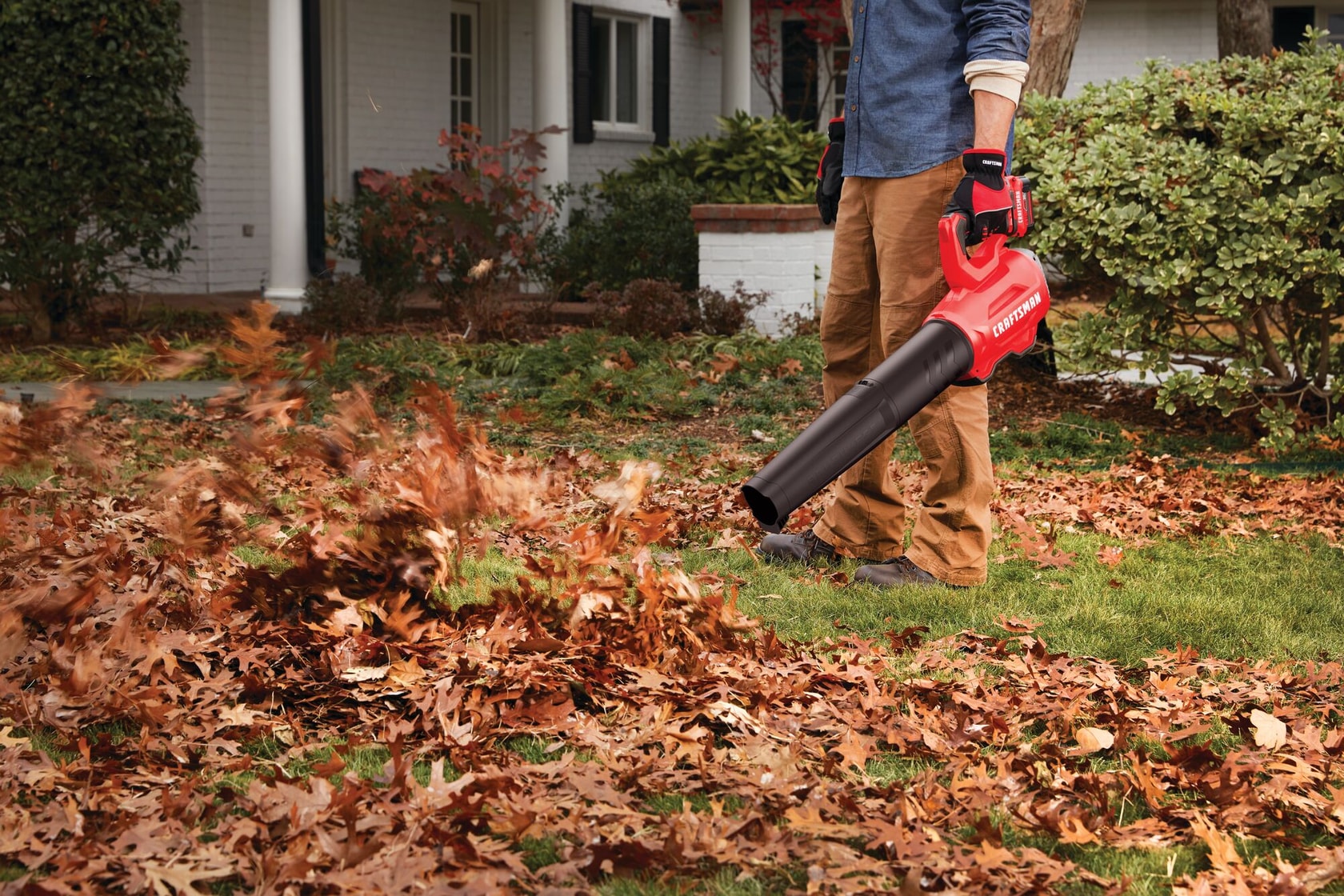
Yes, many leaf vacuums have a blower function. This lets you blow leaves into piles for easier collection. Check your model’s manual to activate the blower mode safely and efficiently.
What Safety Tips Should I Follow When Blowing Leaves?
Wear protective eyewear and gloves to avoid injury. Keep children and pets away from the work area. Avoid blowing leaves near roads or fragile plants to prevent damage.
How Do I Maintain My Leaf Vacuum For Blowing?
Clean the air vents and remove debris after each use. Check and replace filters regularly. Lubricate moving parts as per the manual to ensure smooth blower operation.
Can Leaf Vacuums Handle Wet Leaves Efficiently?
Wet leaves are harder to blow and may clog the vacuum. It’s best to wait until leaves are dry for optimal performance and to prevent damage to the machine.
Conclusion
Using a leaf vacuum makes yard cleanup easier and faster. It helps gather leaves in one spot quickly. You save time and avoid bending down often. Remember to wear safety gear and work steadily. Keep the vacuum clean for better performance.
Try these tips to keep your yard neat. Enjoy a tidy lawn without much effort. Simple steps bring big results.
