
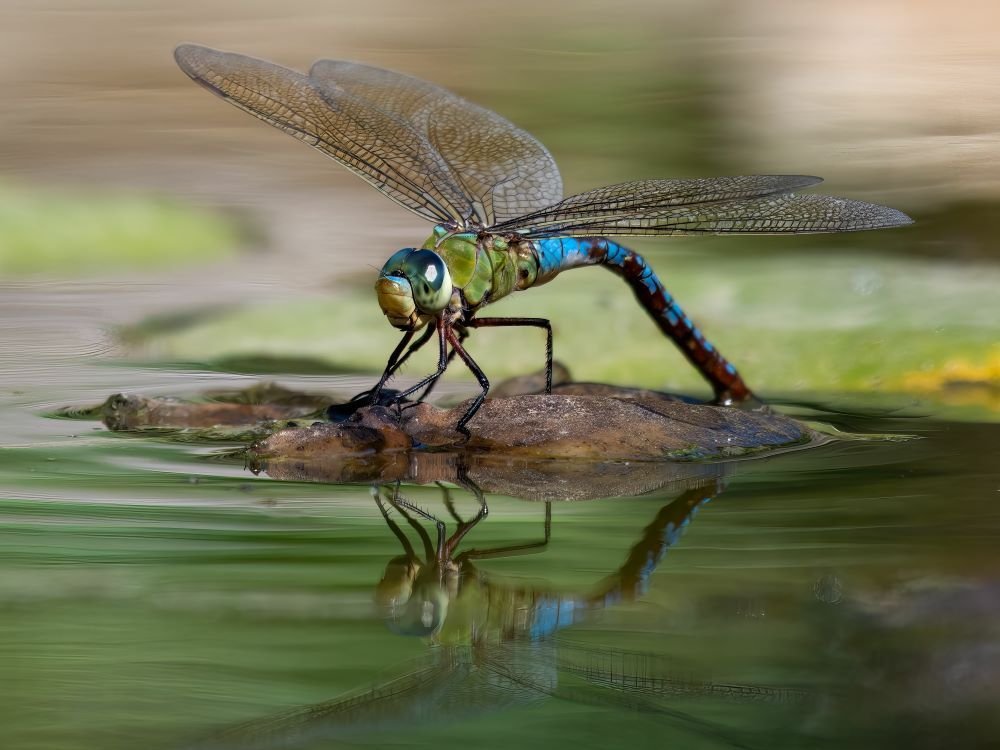
Are you looking to bring more life and color to your pond? Dragonflies are not only beautiful to watch but also great for keeping pesky insects away.
Imagine sitting by your pond, surrounded by these graceful flyers dancing in the sunlight. It’s easier than you think to attract them. You’ll discover simple, effective ways to create the perfect environment that dragonflies can’t resist. Keep reading, and you’ll learn how to turn your pond into a vibrant haven buzzing with nature’s own little wonders.

Credit: www.birdsandblooms.com
Ideal Pond Location
Choosing the ideal location for your pond is key to attracting dragonflies. These insects thrive in specific environments, so placing your pond where conditions suit their needs will make a big difference. Think about how sunlight and shelter affect their behavior and lifecycle.
Sunlight Exposure
Dragonflies love warmth and sunlight. Position your pond where it gets at least 6 hours of direct sunlight daily. This warmth helps dragonfly larvae develop and encourages adults to bask and hunt.
Too much shade can slow down their growth and reduce the number of insects they feed on. But too much heat without any relief can be harmful. Have you noticed dragonflies hovering around sunny patches in your garden? That’s their way of soaking up energy.
Sheltered Spots
While dragonflies enjoy sun, they also need protection from strong winds. Choose a spot that is sheltered by trees or shrubs but not completely enclosed. This balance gives them calm areas to rest and hide from predators.
Windy locations can make it difficult for dragonflies to fly and lay eggs. I once placed a pond in an open field, and it attracted fewer dragonflies than a similar pond tucked behind a row of bushes. Shelter creates a safe, inviting space for these agile flyers.
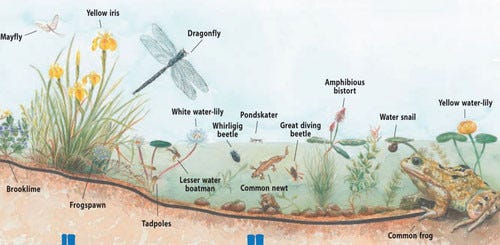
Credit: sales-48978.medium.com
Water Quality Essentials
Water quality plays a vital role in attracting dragonflies to your pond. These insects prefer clean, fresh water free from pollutants. Maintaining good water quality creates a healthy environment for dragonflies to lay eggs and for their larvae to grow. Clear water supports aquatic plants that provide shelter and food for dragonflies. Poor water conditions can drive them away or harm their young. Focus on simple steps to keep your pond water clean and chemical-free.
Clean Water Maintenance
Regularly remove debris like leaves and dead plants from the pond surface. This prevents decay that lowers water quality. Use a pond skimmer or net to clear floating material. Check the water clarity often. If it turns cloudy, consider adding aquatic plants that filter water naturally. Plants like water lilies and reeds absorb excess nutrients and reduce algae growth. Aerate the water with a small fountain or pump. Good oxygen levels support healthy aquatic life. Test water pH regularly and keep it near neutral (6.5 to 7.5). Balanced pH helps dragonfly larvae develop properly.
Avoiding Chemicals
Do not use pesticides or herbicides near the pond. Chemicals can poison dragonflies and their larvae. Avoid fertilizers that run off into the water and cause algae blooms. Algae overgrowth reduces oxygen and harms aquatic life. Use natural pest control methods like attracting frogs or birds. Choose organic or plant-based products for nearby garden care. Keep pets and livestock away from the pond to prevent contamination. Avoid adding fish that may eat dragonfly larvae. Clean, chemical-free water is essential for a thriving dragonfly habitat.
Plant Choices For Dragonflies
Choosing the right plants can transform your pond into a dragonfly hotspot. Plants not only provide shelter but also offer perfect spots for dragonflies to rest, hunt, and lay eggs. Let’s look at the key types of plants that attract these fascinating insects and boost your pond’s ecosystem.
Emergent Plants
Emergent plants grow with their roots underwater but their stems and leaves above the surface. They create ideal perches for dragonflies to land and watch for prey.
Examples include cattails, bulrushes, and pickerelweed. These plants also offer safe places for dragonfly nymphs to climb out of the water when they mature.
Have you noticed how dragonflies often hover near tall stems? That’s because emergent plants provide the visibility and stability they need.
Floating Vegetation
Floating plants rest on the water’s surface and provide shade, which helps regulate water temperature. Dragonflies often use these shaded areas to hunt and hide from predators.
Common floating plants are water lilies, duckweed, and water lettuce. These plants create a dynamic surface environment where dragonflies can lay eggs safely beneath the leaves.
Think about the balance between open water and floating vegetation—too much cover might block dragonflies, but too little leaves them exposed.
Submerged Plants
Submerged plants grow entirely underwater and are crucial for dragonfly larvae, which live beneath the surface before becoming adults. These plants offer hiding spots and hunting grounds for the nymphs.
Elodea, hornwort, and pondweed are great choices. They oxygenate the water and help keep it clean, benefiting all pond life.
Consider adding a variety of submerged plants to create a healthy underwater habitat that supports the full dragonfly lifecycle.
Creating Habitat Features
Creating habitat features in your pond is essential to attract dragonflies and keep them around. These insects rely on specific spots to rest, hunt, and breed. By designing your pond with their needs in mind, you invite a lively, natural presence that adds both beauty and balance to your garden.
Perching Sites
Dragonflies love to perch while hunting or resting. You can add thin sticks, tall grasses, or even artificial perches near the water’s edge. These spots give them a perfect lookout to spot prey and avoid predators.
Think about how often you see dragonflies sitting on reeds or slender branches. Providing multiple perching options increases your chances of attracting different species. Try placing perches at varying heights for more variety.
Shallow Edges
Shallow edges are critical for dragonflies because their larvae need calm, warm water to develop. Gradually sloping edges with muddy or sandy bottoms create ideal breeding grounds. They also allow adult dragonflies easier access to water.
Have you noticed how natural ponds often have gentle slopes instead of steep drop-offs? Mimic this by designing one side of your pond with a shallow gradient. It encourages not just dragonflies but other beneficial wildlife too.
Rocks And Logs
Adding rocks and logs around your pond offers sunbathing spots and shelters for dragonflies. These features absorb heat during the day, providing warmth that helps dragonflies regulate their body temperature. Plus, they serve as safe resting places away from strong winds.
Next time you visit a natural pond, observe how dragonflies use these elements. You can replicate this by placing flat rocks or partially submerged logs in sunny areas near your pond. It’s a simple change that makes a big difference.
Attracting Dragonflies Naturally
Attracting dragonflies naturally creates a lively and balanced pond environment. These insects bring beauty and help control pests around your water garden. Creating the right habitat encourages dragonflies to visit and stay.
Dragonflies need a place to hunt and breed. Providing natural food sources and safe spaces helps them thrive. Avoiding threats lets these colorful insects feel secure near your pond.
Encouraging Insects For Food
Dragonflies eat small insects like mosquitoes and flies. Planting native flowers attracts these prey insects. Choose a variety of plants to support many types of bugs.
- Include water-loving plants like water lilies and reeds
- Grow flowering plants around the pond edges
- Allow some leaf litter and organic matter near water
These steps create a rich food supply. A steady insect population keeps dragonflies visiting often.
Avoiding Predators
Dragonflies avoid ponds with many predators. Fish and frogs can eat dragonfly larvae. Keep some areas of your pond free from fish.
- Use shallow edges and dense plants for dragonfly larvae to hide
- Limit fish population or choose smaller fish species
- Create floating plants for cover on the water surface
Safe zones help dragonflies complete their life cycle. This encourages more dragonflies to stay around your pond.
Seasonal Care Tips
Seasonal care plays a vital role in attracting and keeping dragonflies around your pond year-round. Each season brings different challenges and opportunities to enhance your pond’s appeal to these fascinating insects. Paying attention to the changing needs of your pond environment helps create a healthy habitat where dragonflies thrive.
Spring Preparation
Spring is the time to get your pond ready for new life. Clear away dead leaves and debris that have accumulated over winter to improve water quality.
Add native aquatic plants like water lilies or cattails. These plants provide shelter and breeding spots for dragonflies.
Check the water level regularly; fresh rain helps, but you might need to top it up to maintain a healthy habitat.
Summer Maintenance
Summer is when dragonflies are most active, so your pond needs consistent care. Keep the water clean by removing algae and decaying plant matter.
Provide shaded areas around the pond by planting tall grasses or shrubs. Dragonflies love spots to rest and cool down.
Watch out for chemical runoff from fertilizers or pesticides nearby—these can harm dragonflies and their larvae.
Winter Protection
Even in winter, your pond can support dragonfly survival. Avoid completely draining the pond; instead, keep some water to protect overwintering larvae.
Consider installing a pond heater or aerator to prevent the water from freezing solid in colder climates.
Leave some dead plant stems standing near the pond—they serve as perches for adult dragonflies emerging early in spring.

Credit: www.reddit.com
Frequently Asked Questions
How Do I Create A Dragonfly-friendly Pond Environment?
To attract dragonflies, ensure your pond has clean, still water with plenty of aquatic plants. Add native plants around the edges for shelter and egg-laying sites. Avoid using pesticides, and provide sunny spots since dragonflies thrive in warm, bright areas.
What Plants Attract Dragonflies To A Pond?
Plants like water lilies, cattails, and reeds attract dragonflies. These plants offer shelter, breeding sites, and perches for resting. Including native aquatic plants increases biodiversity, making the pond more inviting for dragonflies and other beneficial insects.
How Can I Maintain A Pond To Keep Dragonflies Coming?
Keep the pond clean and free of pollutants to support dragonfly larvae. Avoid chemical treatments and remove excess algae regularly. Maintain a natural balance with plants and insects to provide food and habitat for dragonflies.
Why Do Dragonflies Prefer Still Water Over Moving Water?
Dragonflies lay eggs in still or slow-moving water because larvae need stable conditions to develop. Moving water can wash away eggs and larvae. Calm water also supports aquatic plants, essential for dragonfly survival.
Conclusion
Creating a pond that welcomes dragonflies takes patience and care. Plant native flowers and keep the water clean. Add some rocks or logs for resting spots. Avoid chemicals that can harm these insects. Dragonflies help control mosquitoes and bring life to your pond.
Enjoy watching their graceful flight and bright colors. A simple, natural pond attracts many creatures. Small changes make a big difference. Keep your pond healthy, and dragonflies will visit often.

