
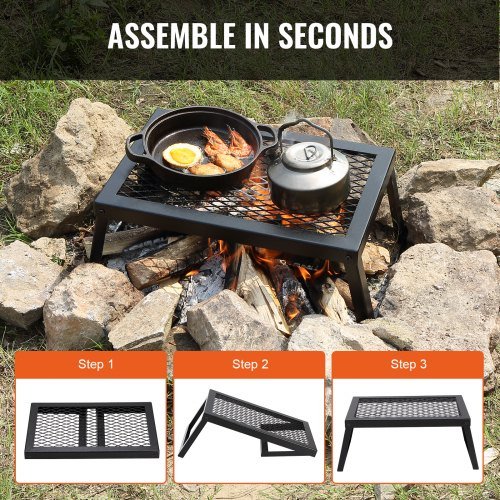
Are you ready to enjoy a perfect barbecue anywhere you go? Knowing how to assemble your folding portable grill quickly and correctly can make all the difference.
Imagine setting up your grill in minutes, without frustration or missing parts. This guide will walk you through simple, clear steps to get your grill ready for action. By the end, you’ll feel confident and eager to start cooking outdoors like a pro.
Keep reading, and discover how easy it is to bring delicious grilled meals to your next adventure!
Choosing The Right Grill
Choosing the right folding portable grill can make your outdoor cooking experience much smoother and more enjoyable. The right grill fits your needs, whether you’re camping, tailgating, or just enjoying a backyard BBQ. Let’s look at what matters most when picking your perfect grill.
Types Of Folding Grills
You’ll find several types of folding grills, each with unique benefits. Charcoal folding grills give you that classic smoky flavor but need more time to heat up. Gas folding grills heat quickly and offer better temperature control, which is great if you want convenience.
Electric folding grills are perfect if you’re in a place with no open flame allowed, but they need a power source. Think about where you’ll use your grill most often. Will you be near a power outlet, or do you want the authentic taste of charcoal?
Materials And Durability
The material of your grill affects both how long it lasts and how easy it is to clean. Stainless steel is strong, resists rust, and looks great even after many uses. However, it can be heavier, which might affect portability.
Aluminum grills are lighter and often cheaper, but they may not stand up as well to frequent use. If you’re often outdoors, exposed to rain or rough conditions, a stainless steel model may save you frustration and money in the long run.
Size And Portability
Size matters more than you might think. A compact grill is easier to carry but may limit how much food you can cook at once. Larger grills offer more cooking space but can be bulky and heavy.
Ask yourself how you’ll transport your grill. Will you carry it by hand, pack it in a car, or even strap it to a bike? Features like foldable legs, carry handles, and locking mechanisms can make a big difference in ease of use.

Credit: www.walmart.com
Unboxing And Inspecting Parts
Unboxing a folding portable grill is an exciting first step. It sets the tone for a smooth assembly process. Careful inspection ensures all parts are present and undamaged. This step saves time and prevents frustration later. Take your time and check each component thoroughly.
Checking The Components
Open the box on a clean surface. Remove all items and lay them out. Compare the parts with the instruction manual’s list. Look for:
- Grill body
- Grill grate
- Legs or stands
- Handles and knobs
- Fasteners like screws and bolts
- Any additional accessories
Check each part for damage. Scratches, dents, or missing pieces may affect use. Report issues to the seller before starting assembly.
Tools You Might Need
Most folding grills come with basic tools. You may still need a few extras. Common tools include:
- Phillips screwdriver
- Flathead screwdriver
- Wrench or pliers
- Allen key (hex wrench)
Gather these tools before assembly begins. Having them ready saves time and effort.
Step-by-step Assembly
Assembling your folding portable grill might seem tricky at first, but breaking it down into simple steps makes the process smooth and even enjoyable. You’ll want to handle each part carefully to ensure your grill is stable and ready to cook your favorite meals. Let’s walk through the essential stages to get your grill set up quickly.
Setting Up The Frame
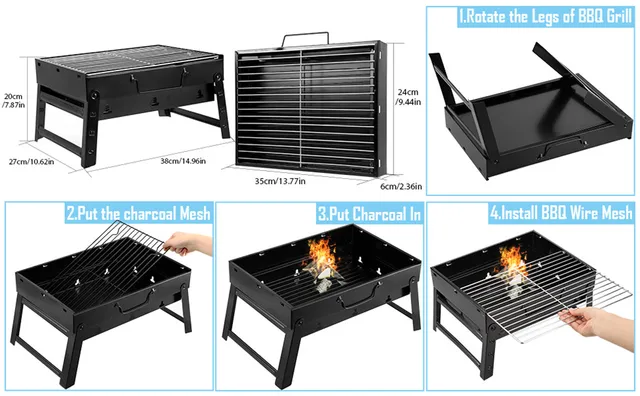
Start by unfolding the main frame of the grill. Most models have a hinge mechanism that lets the frame open like a book—make sure it clicks securely into place. Check if any locking pins need to be inserted to keep the frame from collapsing during use.
Take your time aligning the corners; a crooked frame can cause uneven cooking or instability. Have you noticed how a solid frame immediately boosts your confidence in grilling? That’s the difference a good setup makes.
Attaching The Grate
Next, locate the cooking grate and position it over the frame. The grate usually rests on small ledges or hooks built into the frame—ensure it sits evenly without wobbling. If your grill has adjustable height settings, pick the level best suited for your cooking style.
Firmly attaching the grate is crucial. Imagine placing your food on an unstable surface—it could ruin your meal or even cause injury. Check if your grate has clips or fasteners to secure it; if so, use them to prevent shifting during cooking.
Securing The Legs
The legs provide the grill’s stability, so don’t rush this part. Pull out or unfold each leg until it locks firmly into position. Some models have locking mechanisms like pins or clips—make sure these are engaged to avoid accidental folding.
Place the grill on a flat surface and test its steadiness by gently pressing down on each corner. If it wobbles, adjust the legs or move to a more even spot. Have you ever tried grilling on an uneven surface? It’s frustrating and unsafe, so double-check this step before lighting the fire.
Credit: www.aliexpress.com
Safety Tips During Assembly
Assembling a folding portable grill can be a straightforward task, but it demands attention to safety. Taking precautions during assembly helps prevent injuries and ensures your grill functions properly. Let’s focus on key safety tips that protect you and keep your grill stable.
Handling Sharp Edges
Folding grills often have metal parts with sharp edges. Always wear gloves to protect your hands from cuts and scrapes.
Take your time when unfolding panels or inserting components. Sudden moves can cause accidental contact with sharp edges.
Keep your workspace clean and organized to avoid brushing against sharp parts unknowingly. Have a first aid kit nearby—just in case.
Ensuring Stability
Before you start cooking, your grill must be stable. Check that all legs are fully extended and locked into place.
Place the grill on a flat, sturdy surface. Uneven ground can cause tipping or wobbling, which is risky during use.
Test the assembled grill by gently pressing on different sides. If it wobbles or shifts, recheck connections and leg locks.
Maintaining Your Portable Grill
Begin by unfolding the grill’s legs and locking them in place for stability. Attach the grill grate securely on top before lighting the charcoal or gas. Ensure all parts fit tightly to prevent wobbling during use.
Maintaining Your Portable Grill Owning a folding portable grill is incredibly convenient, but proper maintenance ensures it remains a trusty companion for all your outdoor adventures. Whether it’s an impromptu picnic or a planned family barbecue, your grill should be ready to deliver delicious meals. Let’s dive into some essential steps to keep your portable grill in top condition.Cleaning After Use
After you’ve enjoyed a delicious meal, it’s tempting to pack up and call it a day. However, cleaning your grill immediately after use can save you a lot of effort in the long run. Use a grill brush to remove any food particles and grease buildup. A simple mixture of warm water and mild dish soap works wonders for cleaning the grates. Rinse thoroughly and allow them to dry completely before packing away. Remember, a clean grill not only performs better but also extends the life of your equipment.Proper Storage
How you store your portable grill can significantly impact its longevity. Make sure it’s completely dry before storing to prevent rust. If possible, keep it in a dry, cool place, away from moisture. Invest in a durable grill cover to protect it from dust and environmental elements. This simple step can make a world of difference in maintaining your grill’s condition.Regular Inspections
Just like any other equipment, your portable grill benefits from regular inspections. Check for signs of wear and tear, such as rust or loose parts. Tighten any screws or bolts that may have loosened over time. Look out for any gas leaks if your grill is gas-powered. A quick inspection before each use ensures safety and optimal performance. It only takes a few minutes but can prevent major issues down the line. By incorporating these maintenance habits into your routine, your folding portable grill will continue to be a reliable tool for many outdoor cooking adventures. Are you ready to make the most of your grilling experiences?
Credit: www.amazon.ca
Troubleshooting Common Issues
Troubleshooting common problems helps keep your folding portable grill in good shape. Small issues can stop your grill from working well. Fixing these problems quickly saves time and stress. This guide covers easy fixes for typical issues.
Loose Parts
Loose parts affect stability and safety. Check all screws and bolts first. Tighten them with the right tool, like a screwdriver or wrench. Use thread-locking glue for extra hold if needed. Avoid overtightening to prevent damage. Regularly inspect parts before each use to keep them secure.
Uneven Grilling Surface
An uneven surface causes food to cook poorly. Look for bent or warped grill grates. Gently bend grates back into shape if safe. Check the grill’s frame for levelness on flat ground. Adjust legs or use a firm base to balance the grill. Clean residue buildup that may lift grates unevenly.
Difficulty Folding
Stiff folding wastes time and can cause damage. Remove dirt and rust from hinges with a brush. Apply lubricant such as cooking oil or silicone spray. Open and close the grill a few times to spread lubricant. Avoid forcing the grill to fold. Check for bent parts blocking smooth movement and fix them carefully.
Frequently Asked Questions
How Do I Start Assembling A Folding Portable Grill?
Begin by unpacking all parts and checking the instruction manual. Lay parts on a flat surface. Attach legs first for stability. Then fix the grill body and cooking grate securely.
What Tools Are Needed For Assembly?
Most folding portable grills require no tools. Some may need a screwdriver or wrench. Check your grill’s manual to confirm. Using the right tools ensures proper assembly and safety.
How To Ensure My Grill Is Stable After Assembly?
Make sure all legs are fully extended and locked. Tighten any screws or bolts firmly. Place the grill on a flat, even surface. Stability prevents accidents and improves cooking results.
Can I Assemble The Grill Without Instructions?
While possible, it’s not recommended. Instructions provide step-by-step guidance and safety tips. Following them prevents damage and ensures correct assembly. Always refer to the manual for best results.
Conclusion
Assembling a folding portable grill is simple and quick. Follow each step with care for best results. Use the right tools and parts to avoid problems. Practice assembling it a few times before your first cookout. This way, you will feel confident and ready.
Enjoy grilling outdoors anytime, anywhere with ease. Your portable grill will make cooking fun and stress-free. Keep it clean and store it properly after use. Ready to grill? Now you know how to set it up!

