
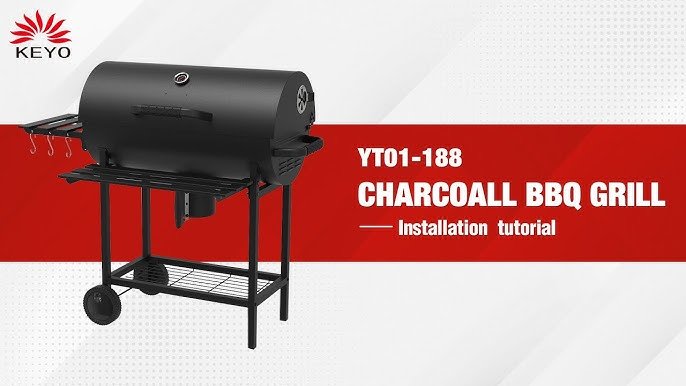
Are you ready to take your BBQ game to the next level? Learning how to assemble your charcoal smoker is the first step to unlocking rich, smoky flavors that only real charcoal can deliver.
You might feel overwhelmed by all the parts and pieces, but don’t worry—this guide will walk you through every step clearly and simply. By the time you’re done, you’ll have your smoker ready to create mouthwatering meals that impress friends and family.
Keep reading, and you’ll see just how easy it is to build your own charcoal smoker and start cooking like a pro.

Credit: www.youtube.com
Choosing The Right Charcoal Smoker
Choosing the right charcoal smoker is essential for a great smoking experience. The right smoker matches your cooking style and space. It affects how easy it is to use and the flavor of your food. Consider different smoker types, features, and your budget before buying.
Types Of Charcoal Smokers
Charcoal smokers come in various styles. Each type offers different benefits and cooking methods.
- Offset Smokers:These have a separate firebox for charcoal. They provide good heat control and a classic smoky flavor.
- Vertical Water Smokers:Also called bullet smokers. They use a water pan to keep food moist and control heat.
- Drum Smokers:Cylindrical shape with a large cooking area. They hold heat well and work for large groups.
- Kettle Grills:Versatile and portable. They work as grills and smokers but have smaller cooking space.
Key Features To Consider
Look for features that improve ease and quality of smoking.
- Temperature Control:Adjustable vents and dampers help manage heat precisely.
- Cooking Space:Choose a size that fits your needs, small or large.
- Build Quality:Heavy steel retains heat better and lasts longer.
- Ease of Cleaning:Removable ash pans and grates save time.
- Portability:Wheels or handles help move the smoker if needed.
Setting A Budget
Decide how much you want to spend before shopping. Smokers vary widely in price.
- Entry-level smokers are affordable and good for beginners.
- Mid-range smokers offer better build and more features.
- High-end models have premium materials and advanced controls.
Balance cost with features that matter most. A good smoker doesn’t have to be expensive.

Credit: www.youtube.com
Unboxing And Inspecting Parts
Unboxing a charcoal smoker is an exciting moment. It marks the start of your outdoor cooking journey. Before assembling, take time to inspect every part. This step ensures a smooth build and safe use.
Handle the box carefully and open it on a clean surface. Arrange all parts neatly to see what you have. This makes the assembly process faster and easier. It also helps spot any missing or damaged pieces early.
Checking Included Components
Every charcoal smoker comes with a list of parts. Check the manual or packing list to confirm each item. Common parts include:
- Cooking chamber
- Firebox
- Grates and racks
- Chimney and vents
- Legs or stand
- Screws, bolts, and tools
Lay out these components side by side. Verify the quantity and type match the list. This helps avoid surprises during assembly.
Identifying Missing Or Damaged Pieces
Look closely at every part for damage. Check for dents, cracks, or rust spots. Small scratches are normal but avoid broken parts. Missing screws or bolts can delay your build.
If you find any issues, contact the seller or manufacturer right away. Keep photos of damaged or missing parts for proof. Early reporting helps get replacements faster.
Taking these steps ensures your smoker is ready to build. It saves time and frustration later. A complete, damage-free kit means a better cooking experience.
Tools Needed For Assembly
Gathering the right tools before assembling your charcoal smoker saves time and frustration. Some tools are essential for safe, proper assembly. Others make the process smoother and faster. Knowing which tools to have on hand helps you prepare well and avoid unnecessary stops.
Keep your workspace organized and clear for easy movement. Check all parts against the manual before starting. This ensures you have everything needed and the tools ready at hand.
Basic Tools Checklist
- Phillips head screwdriver for screws and bolts
- Flathead screwdriver for prying or adjusting parts
- Adjustable wrench to tighten nuts and bolts securely
- Pliers for gripping and bending small parts
- Rubber mallet to tap pieces into place without damage
- Work gloves to protect hands from sharp edges
- Measuring tape to ensure correct spacing and alignment
Optional Tools For Ease
- Power drill with screwdriver bits to speed up assembly
- Socket wrench set for easier tightening of bolts
- Level to confirm smoker is perfectly balanced
- Clamps to hold parts steady during assembly
- Flashlight or work light for better visibility

Credit: www.youtube.com
Preparing Your Workspace
Preparing Your Workspace Create a clean area for assembling your charcoal smoker. Arrange tools and parts within easy reach. This makes the assembly process smooth and efficient.
Preparing your workspace is crucial for assembling a charcoal smoker efficiently. A well-organized area ensures a smooth assembly process. It also enhances safety and reduces setup time. Begin by gathering all necessary tools and components. This preparation sets the stage for a successful smoker assembly.Choosing A Suitable Location
Select a flat, stable surface for your workspace. This helps prevent accidents. Outdoor areas are ideal due to ventilation. Avoid areas with flammable materials nearby. Ensure there’s enough space to move around comfortably. Adequate lighting is also essential for visibility.Ensuring Safety Measures
Safety should be a top priority. Wear protective gloves to prevent injuries. Keep a fire extinguisher nearby in case of emergencies. Store tools and parts safely to avoid tripping hazards. Make sure children and pets are kept away from the workspace. This minimizes distractions and potential accidents.Step-by-step Assembly Process
Assembling a charcoal smoker might seem tricky at first. Following a clear, step-by-step process makes it easier. This guide breaks down each part to help you put your smoker together quickly and correctly. The process ensures your smoker works safely and efficiently for great cooking results.
Assembling The Base And Legs
Start by laying out the base and legs on a flat surface. Attach the legs firmly using the bolts and screws provided. Make sure the legs are stable and even. This base supports the entire smoker, so stability is important. Tighten all fasteners to avoid wobbling during use.
Attaching The Firebox
Next, position the firebox beside the main chamber. Align the mounting holes carefully to avoid damage. Use the bolts and nuts to secure the firebox. Check that the firebox fits snugly against the main body. Proper attachment helps maintain good airflow and heat control.
Installing The Cooking Grates
Place the cooking grates inside the main chamber. Slide each grate into the designated slots or rests. Ensure the grates sit level and do not wobble. Clean the grates before first use to remove any residue from manufacturing. These grates hold your food steady while cooking.
Securing The Lid And Handles
Attach the lid hinges to the main chamber. Align the lid carefully for a tight seal. Use screws to fix the hinges firmly. Install the handles on the lid and firebox using the provided hardware. Handles must be secure for safe lifting and handling.
Connecting Vents And Dampers
Finally, attach the vents and dampers to the smoker. Fit the vents into the slots on the firebox and main chamber. Secure each vent with screws or clips. Test the dampers to ensure they open and close smoothly. Vents control airflow and temperature inside the smoker.
Seasoning Your Smoker Before Use
Seasoning your charcoal smoker before its first use is essential for both performance and flavor. It prepares the metal surfaces, removes factory residues, and creates a protective layer that prevents rust. Skipping this step can affect your smoker’s durability and the taste of your food.
Cleaning The Interior
Start by wiping down the inside of your smoker with a damp cloth to remove dust and debris. Avoid using soap or harsh chemicals, as they can leave behind residues that interfere with seasoning. Make sure the smoker is completely dry before moving to the next step.
Burning Off Residual Chemicals
Next, you need to burn off any manufacturing oils or chemicals left on the metal surfaces. Light a small fire inside the smoker and let it run at a high temperature for about an hour. This process not only clears out unwanted substances but also opens the pores of the metal for better oil absorption.
Applying Cooking Oil
Once the smoker has cooled, apply a thin layer of cooking oil to all interior surfaces. Use a high smoke point oil like vegetable or canola oil for best results. This oil layer will bake onto the metal during future heating, creating a non-stick and rust-resistant coating that enhances your smoker’s longevity and cooking quality.
Common Assembly Mistakes To Avoid
Building your charcoal smoker can be exciting, but a few common mistakes can turn the experience frustrating. Avoiding these errors will save you time and ensure your smoker works efficiently. Let’s look at some key pitfalls to watch out for during assembly.
Loose Connections
Loose connections are a frequent problem that can cause smoke leaks or unstable parts. When assembling, make sure every bolt, screw, and hinge is tightened securely. I once rushed through this step, and my smoker’s lid wouldn’t seal properly, leading to poor temperature control.
Double-check each joint and connection point. Use a wrench or screwdriver to confirm tightness but avoid overtightening, which can strip threads or damage parts. A solid, stable smoker means better heat retention and safer cooking.
Incorrect Vent Placement
Vent placement is crucial for airflow and temperature control. Placing vents in the wrong positions can restrict airflow, causing uneven heat and smoky flavors that don’t develop well. Think about how air moves through your smoker and follow the manufacturer’s instructions carefully.
If vents are too low or blocked, the fire might smother, while vents too high can cause heat to escape. Try to position vents where you can easily adjust them while cooking. Have you noticed uneven cooking in your smoker before? This might be the reason.
Overlooking Safety Precautions
Safety is often underestimated during assembly. Never skip checking for sharp edges or securing heavy parts that could tip over. I learned this the hard way when a loose panel shifted unexpectedly—always wear gloves and assemble on a stable surface.
Also, ensure your smoker is far from flammable materials and is stable before lighting. Safety isn’t just about avoiding accidents; it also protects your equipment and enhances your cooking experience.
Maintenance Tips Post-assembly
Once your charcoal smoker is fully assembled, maintaining it properly ensures every barbecue session stays delicious and hassle-free. Neglecting maintenance can lead to rust, poor heat control, and unpleasant flavors in your food. Let’s dive into practical tips that keep your smoker in top shape after assembly.
Regular Cleaning Routine
Keeping your smoker clean after each use is crucial. Remove ashes and leftover charcoal as soon as the smoker cools down. This prevents buildup that can block airflow and cause uneven heat.
Wipe down the interior surfaces with a damp cloth to remove grease and residue. Avoid harsh chemicals; warm water and mild soap work well. You might be surprised how a simple cleaning routine can improve the taste of your smoked dishes.
Don’t forget the grates! Soaking them in hot, soapy water loosens stuck-on food. Scrubbing with a grill brush keeps them ready for the next cookout. Have you noticed how clean grates create better grill marks and flavor?
Storing Your Smoker Safely
Where you store your smoker impacts its lifespan significantly. Keeping it under a covered area shields it from rain and moisture, which cause rust. If you don’t have a garage or shed space, invest in a quality smoker cover.
Make sure the smoker is completely dry before storing to prevent mold and corrosion. Remove any leftover charcoal and clean out ashes to avoid attracting pests. Think about how a well-stored smoker saves you from costly repairs down the road.
Consider the temperature fluctuations in your storage spot. Extreme cold or heat can warp metal parts. A stable environment protects your investment and keeps your smoker ready for action whenever you crave smoky flavors.
Frequently Asked Questions
How Do I Start Assembling A Charcoal Smoker?
Begin by unpacking all parts and checking the instruction manual. Attach the main body to the base securely. Assemble the charcoal chamber and water pan next, followed by the cooking grates. Ensure all bolts are tightened properly for safety and stability.
What Tools Are Needed To Assemble A Charcoal Smoker?
Most charcoal smokers require a wrench and screwdriver for assembly. Some models include these tools. Having pliers and gloves on hand helps with tightening bolts and handling metal parts safely during the process.
How Long Does It Take To Assemble A Charcoal Smoker?
Assembly typically takes 30 to 60 minutes. It depends on your experience and the smoker’s complexity. Following the manual step-by-step makes the process quicker and ensures proper setup.
Can I Assemble A Charcoal Smoker Alone?
Yes, you can assemble it alone, but a second person helps. Two people make lifting heavy parts and aligning components easier. Solo assembly requires patience and careful handling of parts.
Conclusion
Assembling a charcoal smoker is simpler than it seems. Follow each step carefully and take your time. Check all parts fit well before lighting the fire. A well-built smoker helps you cook tasty, smoky food. Practice makes perfect, so don’t rush your first try.
Enjoy the process and the delicious meals you create. Soon, smoking meat will become a fun and rewarding hobby. Keep your smoker clean and ready for the next use. Happy smoking!

