
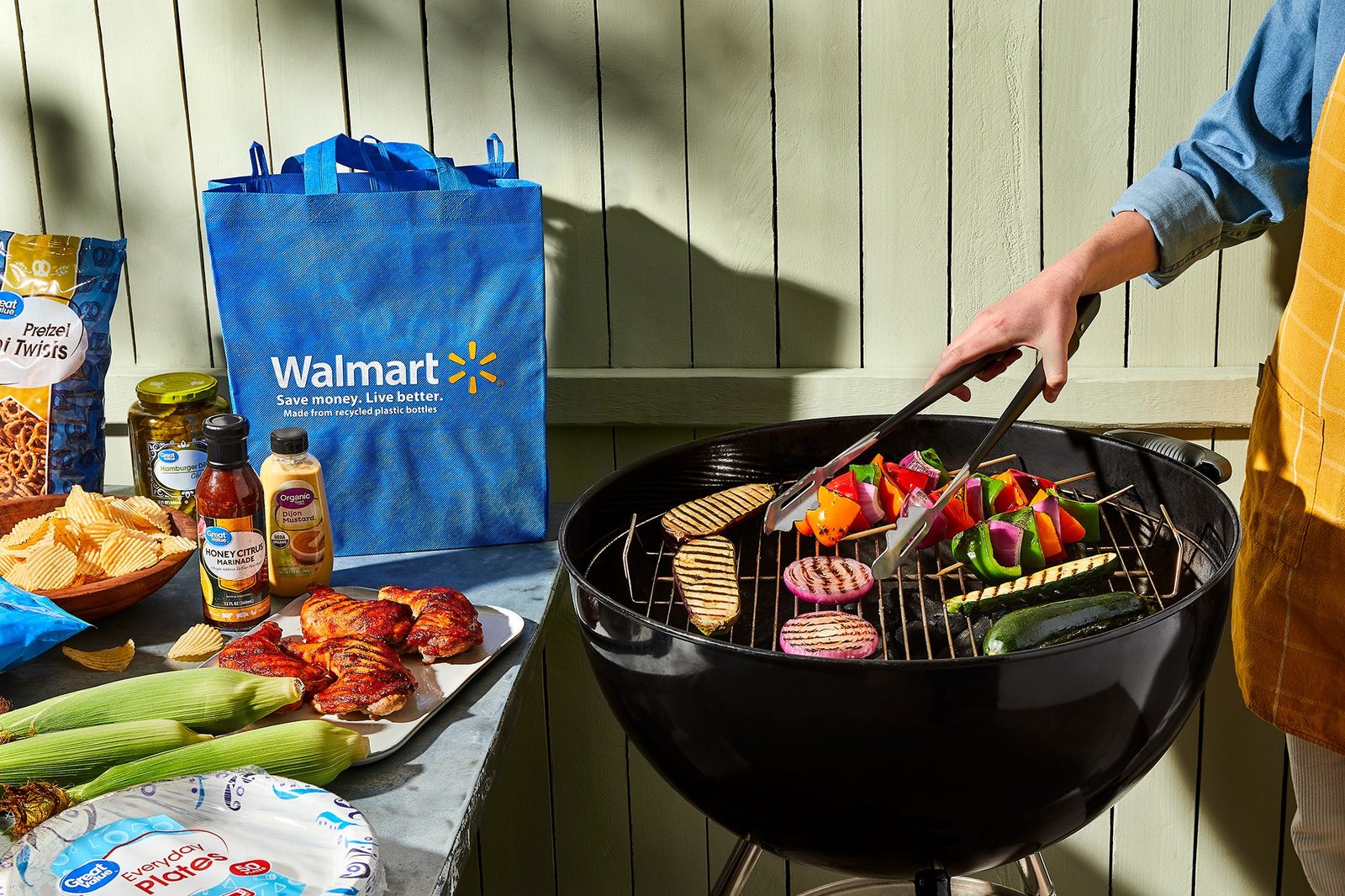
Grilling on a gas grill can be a game-changer for your meals, but uneven cooking can quickly ruin the experience. You want every bite to be juicy, flavorful, and cooked just right.
The secret lies in how you arrange your food on the grill. If you place your steaks, veggies, and chicken without a plan, you might end up with some parts overcooked and others underdone. You’ll learn simple, effective tips to arrange your food for even heat distribution and perfect results every time.
Keep reading, and your next barbecue will impress everyone around the table.
Credit: creators.yahoo.com
Choosing The Right Grill Setup
Choosing the right grill setup is essential for achieving even cooking on your gas grill. How you arrange burners and manage heat directly affects how your food cooks and tastes. Getting this setup right saves you from undercooked centers or burnt exteriors.
Direct Vs Indirect Heat Zones
Understanding the difference between direct and indirect heat zones can change your grilling game. Direct heat means placing food right over the flame, perfect for searing steaks or burgers. Indirect heat means cooking food beside or away from the flame, ideal for larger cuts like whole chickens or ribs that need slow, even cooking.
Try setting up your grill with one side on high heat and the other side off or on low. This gives you both zones at once and lets you move food around as needed. Have you noticed how some foods burn fast on direct heat? Using indirect zones prevents that while still cooking through.
Adjusting Burner Levels
Adjusting burner levels lets you control the temperature across your grill surface. Don’t keep all burners at the same setting; instead, create a temperature gradient. For example, set one burner to high for searing and lower the others for gentler cooking.
It’s like having multiple ovens at different temperatures in one grill. If your grill has four burners, try setting two on high and two on low. This way, you can quickly move food to the cooler side if it’s cooking too fast. Have you experimented with burner adjustments to match different recipes yet?
Using Heat Deflectors
Heat deflectors are metal plates that sit above or below burners to spread heat evenly and prevent flare-ups. They protect food from direct flames and help maintain a steady cooking temperature. Using deflectors can turn your gas grill into a versatile cooker for smoking or slow roasting.
Some grills come with built-in heat deflectors, but you can also buy aftermarket ones. I once grilled ribs without deflectors and ended up with burnt spots and uneven cooking. Adding deflectors made a noticeable difference in heat distribution and final flavor. Have you tried using heat deflectors to improve your grilling results?
Preparing The Grill Grates
Preparing the grill grates is a key step for even cooking on a gas grill. Clean grates prevent food from sticking and help heat spread uniformly. Oiling the grates creates a non-stick surface that protects your food and keeps it juicy. Proper preheating ensures the grill reaches the right temperature before you start cooking.
Cleaning And Oiling Techniques
Start by brushing the grill grates with a stiff wire brush. Remove all food bits and grease from previous grilling sessions. Use a grill scraper for tough spots. After cleaning, wipe the grates with a damp cloth to remove loose debris.
Next, apply a thin layer of oil to the grates. Use a paper towel dipped in vegetable oil or canola oil. Hold the towel with tongs and rub it over the grates. This step helps create a smooth surface and prevents food from sticking during cooking.
Preheating For Optimal Temperature
Turn on the gas grill and close the lid. Set the burners to high and let the grill heat for 10 to 15 minutes. A properly preheated grill ensures even heat distribution across the grates.
Check the temperature with a grill thermometer. Aim for 400 to 450 degrees Fahrenheit for most grilling. Preheating also kills bacteria and helps sear the food quickly, locking in juices and flavor.
Arranging Food By Size And Thickness
Arranging food by size and thickness on a gas grill ensures even cooking and prevents burning. Thick and thin items need different heat levels and cooking times. Placing them correctly helps keep everything juicy and tasty.
Placing Thick Cuts Over Indirect Heat
Thick cuts like steaks or bone-in chicken take longer to cook. Place these pieces away from direct flames. Use the cooler side of the grill for slow, steady cooking. This method avoids burning the outside while the inside stays raw.
Indirect heat cooks thick cuts evenly. It also helps keep the meat tender and juicy. Check temperature often to prevent overcooking. Use a meat thermometer to be sure.
Positioning Thin Items For Quick Cooking
Thin items like burgers, fish fillets, or vegetables cook fast. Place them directly over the heat. This quick cooking gives a nice sear and locks in flavor. Watch thin items closely to avoid burning.
Arrange thin pieces in one layer with space between them. This allows heat to circulate well. Flip them once during cooking for even browning on both sides.

Credit: gathergrills.com
Managing Food Placement For Airflow
Space food evenly on the grill to allow hot air to move freely around each piece. Avoid overcrowding to prevent uneven cooking and cold spots. This helps all food cook at the same speed and ensures better flavor.
Managing food placement for airflow on a gas grill is crucial. Proper arrangement ensures even cooking and enhances flavors. Air circulation plays a significant role. It helps distribute heat evenly across the grill. Without good airflow, food might cook unevenly. Some parts may burn while others remain undercooked. Understanding how to manage food placement can make grilling easier and more effective.Spacing Between Items
Maintain some space between items on the grill. This allows hot air to circulate freely. Items too close together can block airflow. This may lead to uneven cooking. Consider using a spacing guideline. Keep at least half an inch between each item. This practice helps distribute heat evenly. Proper spacing also prevents sticking.Avoiding Overcrowding
Overcrowding the grill is a common mistake. It restricts air movement and heat distribution. This can cause food to cook unevenly. To avoid this, grill in batches if needed. Leave enough room for air to circulate. This ensures each piece cooks uniformly. A less crowded grill also makes flipping easier. It reduces the risk of food falling apart.Using Accessories To Enhance Cooking
Using accessories can improve cooking on a gas grill. They help keep food stable and prevent small pieces from falling through the grates. Accessories also help control heat and make grilling easier. These tools ensure even cooking and better flavors.
Grill Baskets And Skewers
Grill baskets hold small or delicate foods like vegetables and fish. They keep food secure and make turning simple. Skewers allow for even cooking by spacing food pieces evenly. Metal or bamboo skewers work well for kebabs and chunks of meat. Both tools help avoid flare-ups and burnt spots.
Heat-resistant Trays And Foil
Heat-resistant trays catch drippings and protect food from direct flames. They help cook food gently and prevent burning. Aluminum foil can wrap food to lock in moisture and flavor. Use foil to create packets for vegetables or fish. Both trays and foil create an even heat zone for slow cooking.

Credit: www.searshomeservices.com
Monitoring And Adjusting During Cooking
Keeping a close eye on your food as it cooks on the gas grill makes all the difference between a perfect meal and a disappointing one. Monitoring and adjusting during cooking helps you manage heat distribution and prevents overcooking or undercooking. It also allows you to react quickly if something starts cooking unevenly.
Rotating And Flipping Food
Turning your food regularly ensures it cooks evenly on all sides. Rotate thicker cuts like steaks or chicken breasts every few minutes to avoid burning one side while the other stays raw.
Flipping is just as important. If you leave food on one side too long, it can stick or char. Use tongs or a spatula to flip gently and check that grill marks are developing evenly.
Have you noticed how some pieces cook faster on one side? Adjust their position on the grill to move them from hotter to cooler zones. This simple habit prevents flare-ups and uneven cooking.
Checking Internal Temperatures
Using a meat thermometer is the best way to know when your food is perfectly cooked. Relying on guesswork can leave you with dry chicken or undercooked burgers.
Check the internal temperature in the thickest part of the meat, avoiding bones or fat. Here are some safe temperature targets you can keep in mind:
| Type of Meat | Safe Internal Temperature |
|---|---|
| Chicken & Poultry | 165°F (74°C) |
| Beef, Pork, Lamb (steaks, chops) | 145°F (63°C) + 3 minutes rest |
| Ground meats | 160°F (71°C) |
Do you find it hard to keep the grill lid closed while checking temperatures? Try using a digital probe thermometer with a remote reader. It lets you monitor heat without losing the grill’s temperature.
Frequently Asked Questions
How Do I Arrange Food For Even Heat On A Gas Grill?
Place thicker cuts near direct heat and thinner ones on cooler zones. Use two-zone cooking by turning one side of burners on and the other off. This method ensures even cooking and prevents burning thinner foods.
What Is The Best Gas Grill Setup For Uniform Cooking?
Use a two-zone setup with one side hot and the other cooler. This allows you to sear food first and then move it to indirect heat. It helps maintain even cooking temperatures throughout grilling.
Can I Grill Different Foods Together Evenly?
Yes, but arrange foods by thickness and cooking time. Place dense, slow-cooking items over high heat and quicker-cooking foods on cooler zones. This prevents overcooking or undercooking multiple items.
Why Does Food Cook Unevenly On My Gas Grill?
Uneven cooking often results from hot spots and poor food placement. Gas burners can create temperature variations. Using two-zone cooking and proper food spacing can solve this issue.
Conclusion
Arranging food properly on a gas grill helps cook it evenly and well. Place thicker items over direct heat and thinner ones on cooler spots. Give space between pieces for air to flow and heat to spread. Turn food often to avoid burning and cook all sides.
Use this simple method to enjoy tasty, evenly cooked meals every time. Keep practicing, and grilling will become easier and more fun.

